
When We Can Get There
We run out of Moses Lake, about 5 miles south of Moses Lake North
And this stretch is a regular stop on the route - not a special trip. We don't keep a depot here, so we won't claim a fixed response window for this specific street, but the distance is short enough that it doesn't change how we schedule the day.
- 5 miles
What does change the job is what's waiting behind the door once we get there
A lot of the repair calls from this area aren't the same calls we get from the newer subdivisions closer to town, and that's worth knowing before you book, so you're not expecting a part we have to special-order.
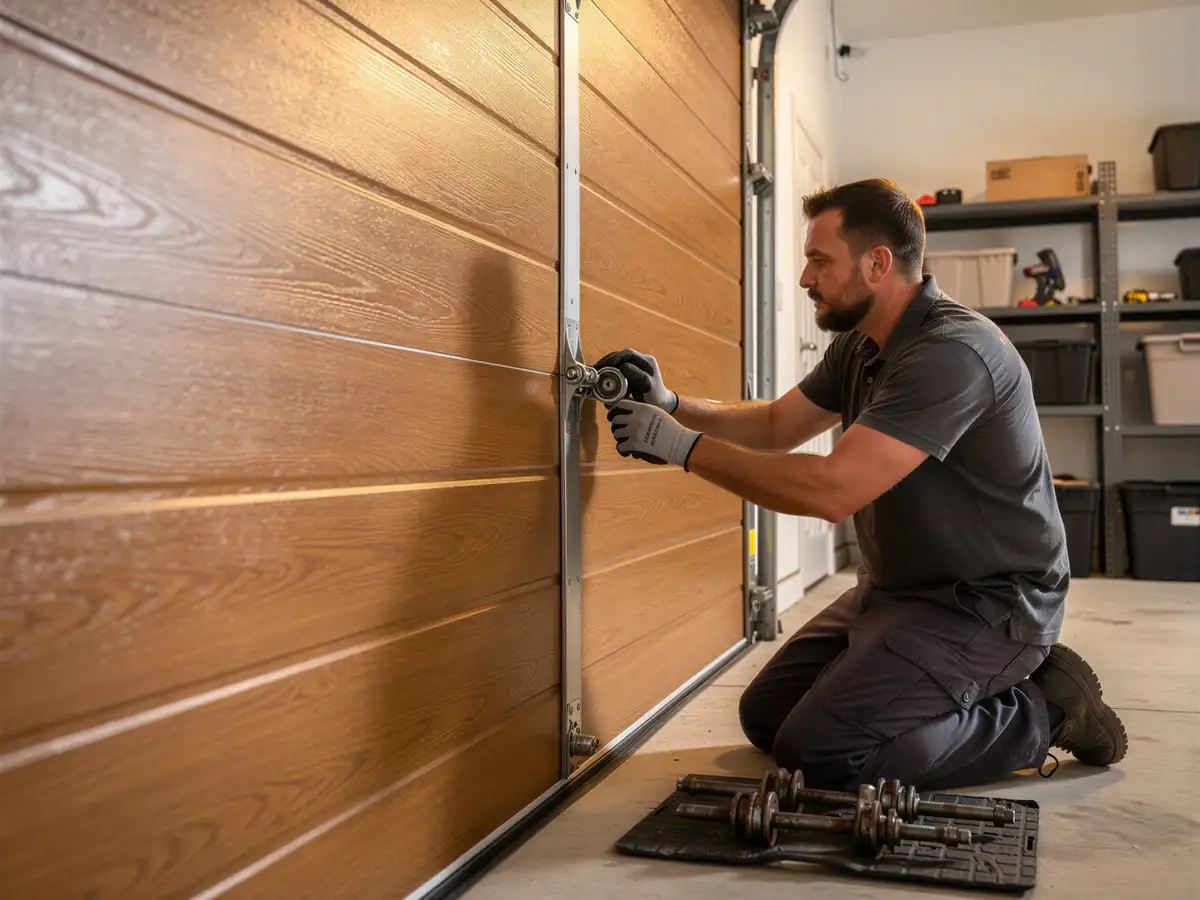
If you're calling about a door that won't open at all, that's still a same-visit matter for most hardware failures
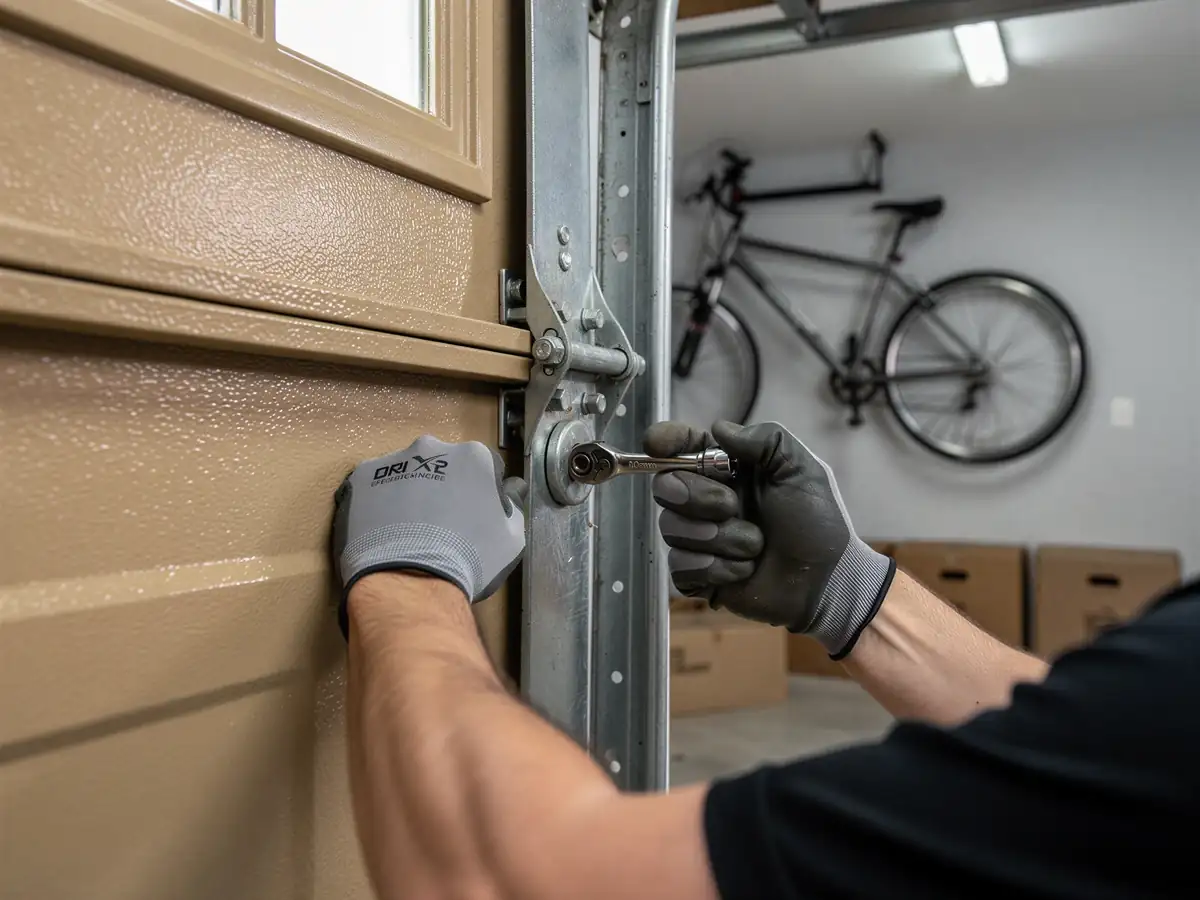
Broken spring, snapped cable, a cracked roller bracket. The exceptions are openers and panels old enough that the manufacturer doesn't carry the part anymore, and in this neighborhood that comes up more than it does elsewhere in our coverage area.
The Split Between Old and New
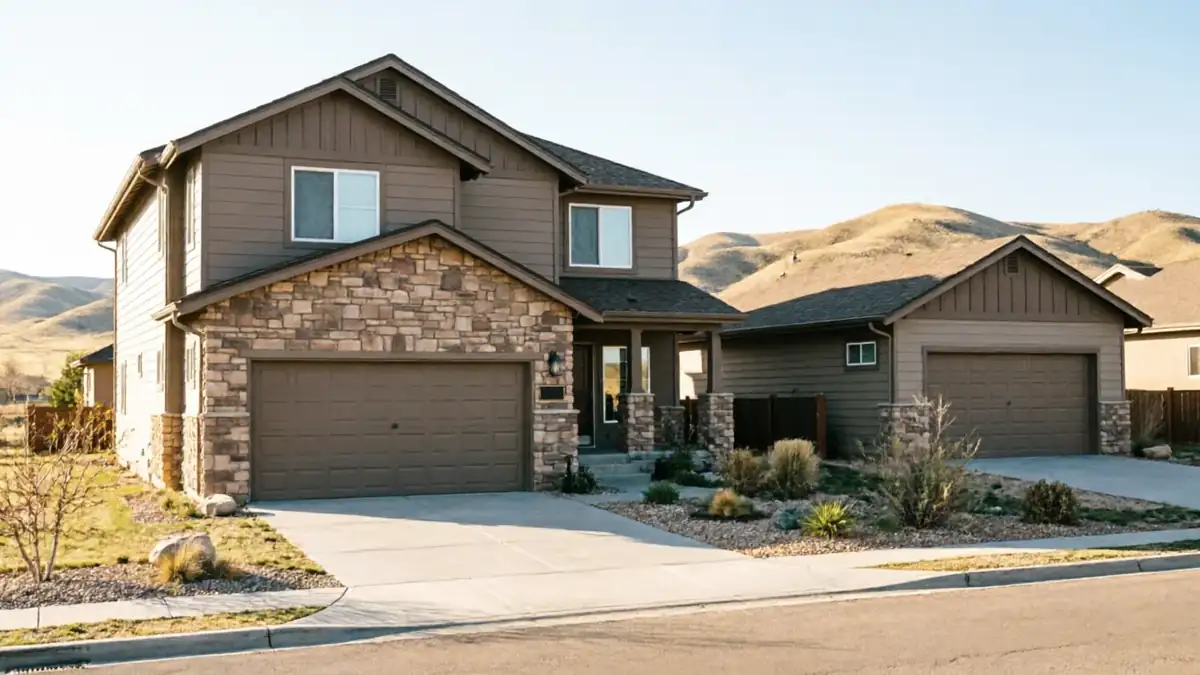
Across our whole service area, homes were built mainly between 1958 and 1987, with the midpoint landing around 1969 - a 1960s-and-70s mix spread over four named areas. Moses Lake North sits on the older edge of that range: the median build year here is 1958, more than a decade ahead of the area-wide midpoint.
That gap matters for a garage door company more than it would for most trades. A door and track system installed in 1958 was built to a completely different set of assumptions than one installed in 1975 - different spring placement, different header clearance, different opener mounting if an opener was ever added at all. When we quote a job here, we're not quoting off the area's typical numbers; we're quoting off what an original 1958-era build usually has, because that's what's actually behind a large share of these doors.
How That Shows Up in the Door
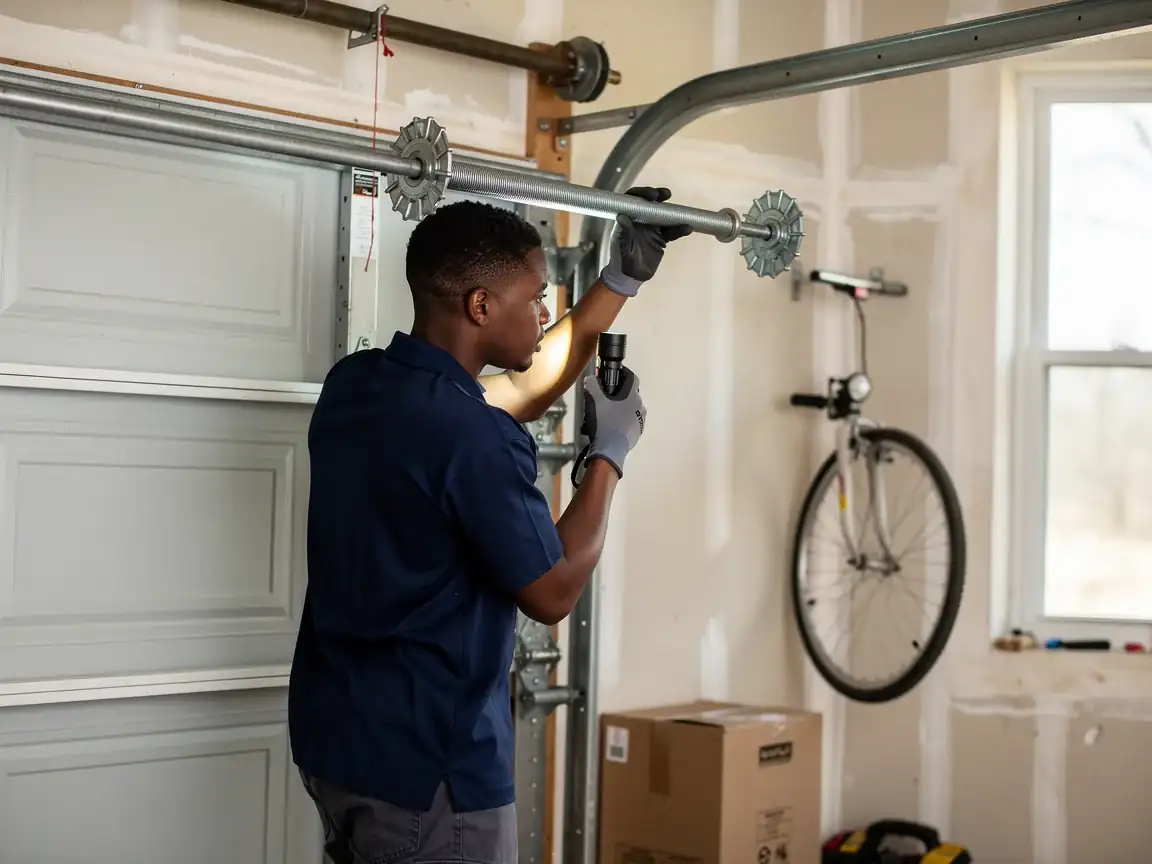
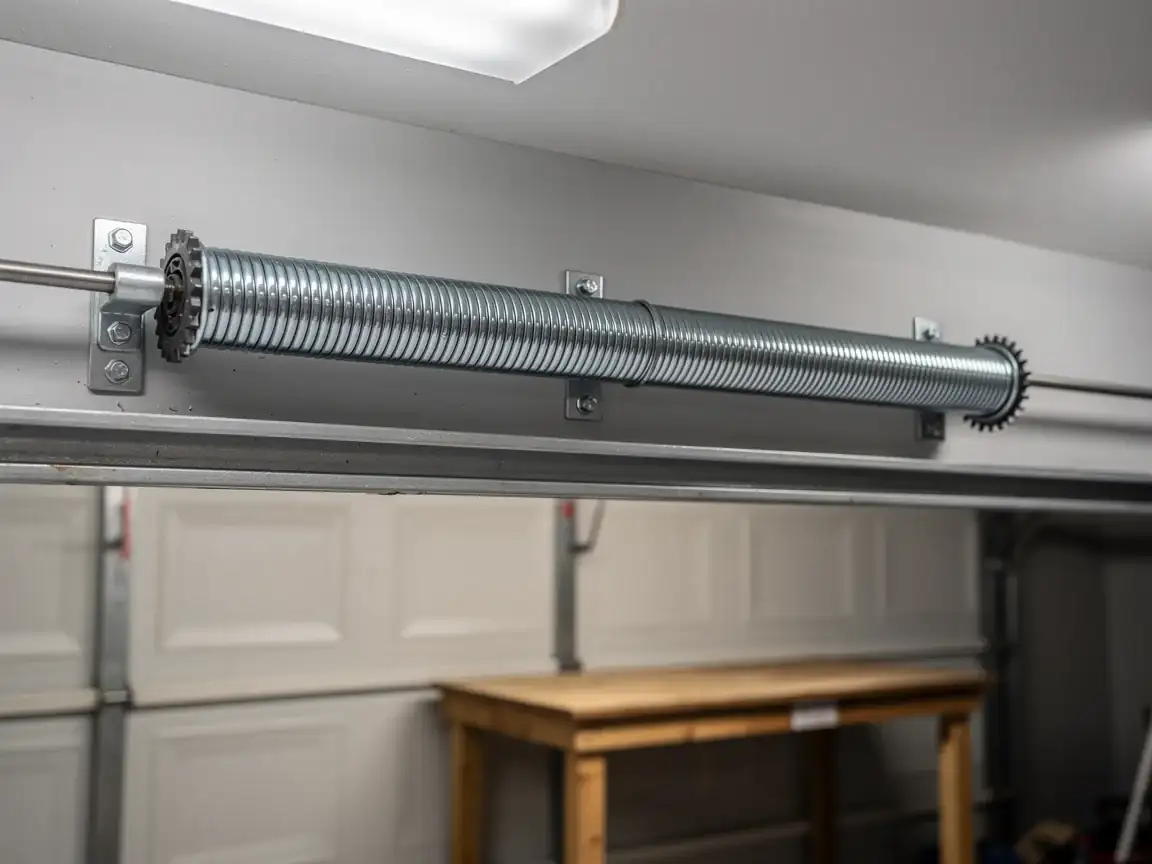
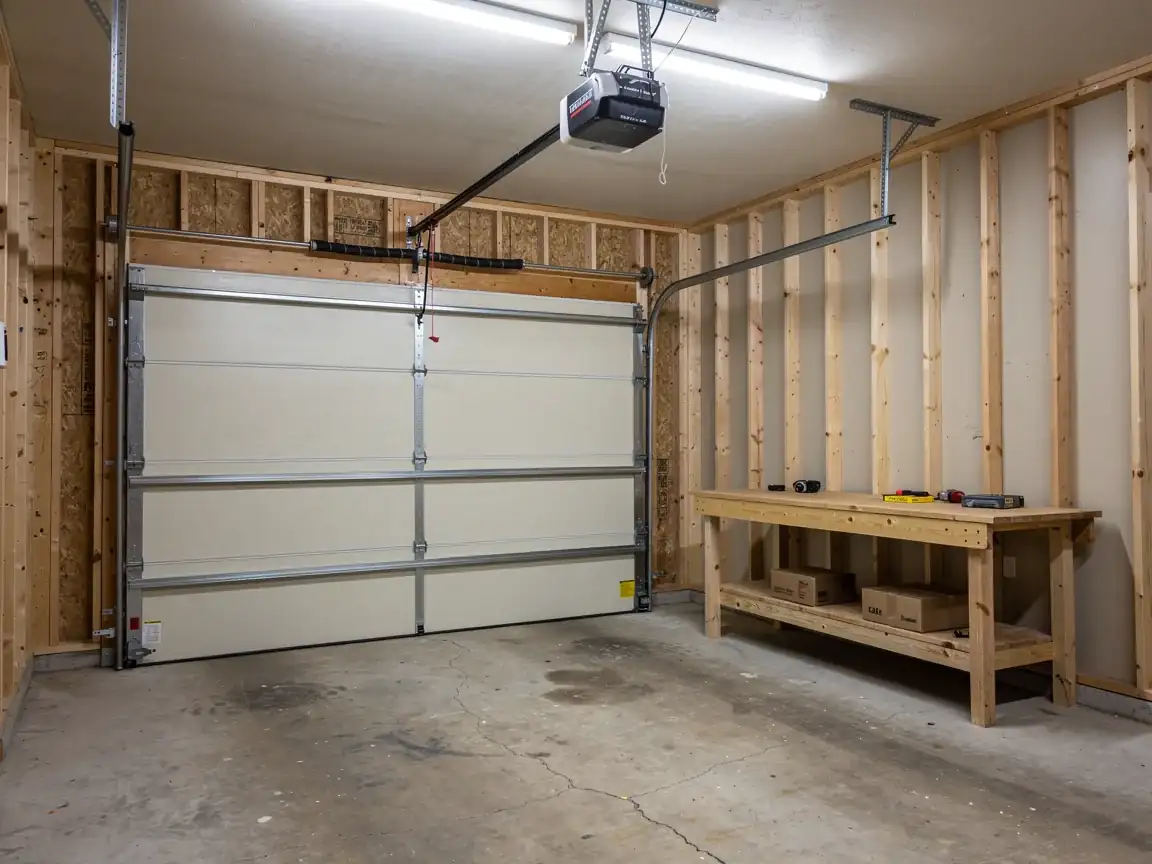
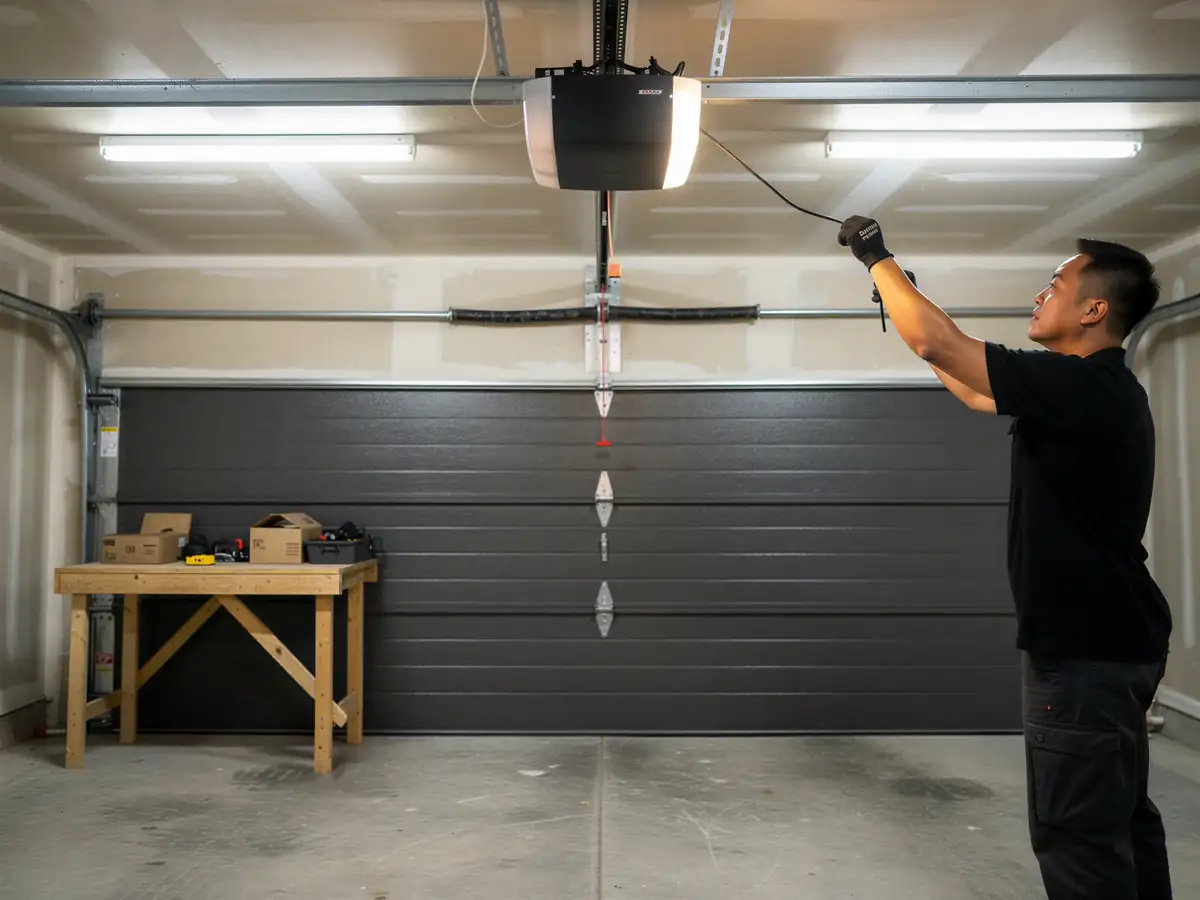
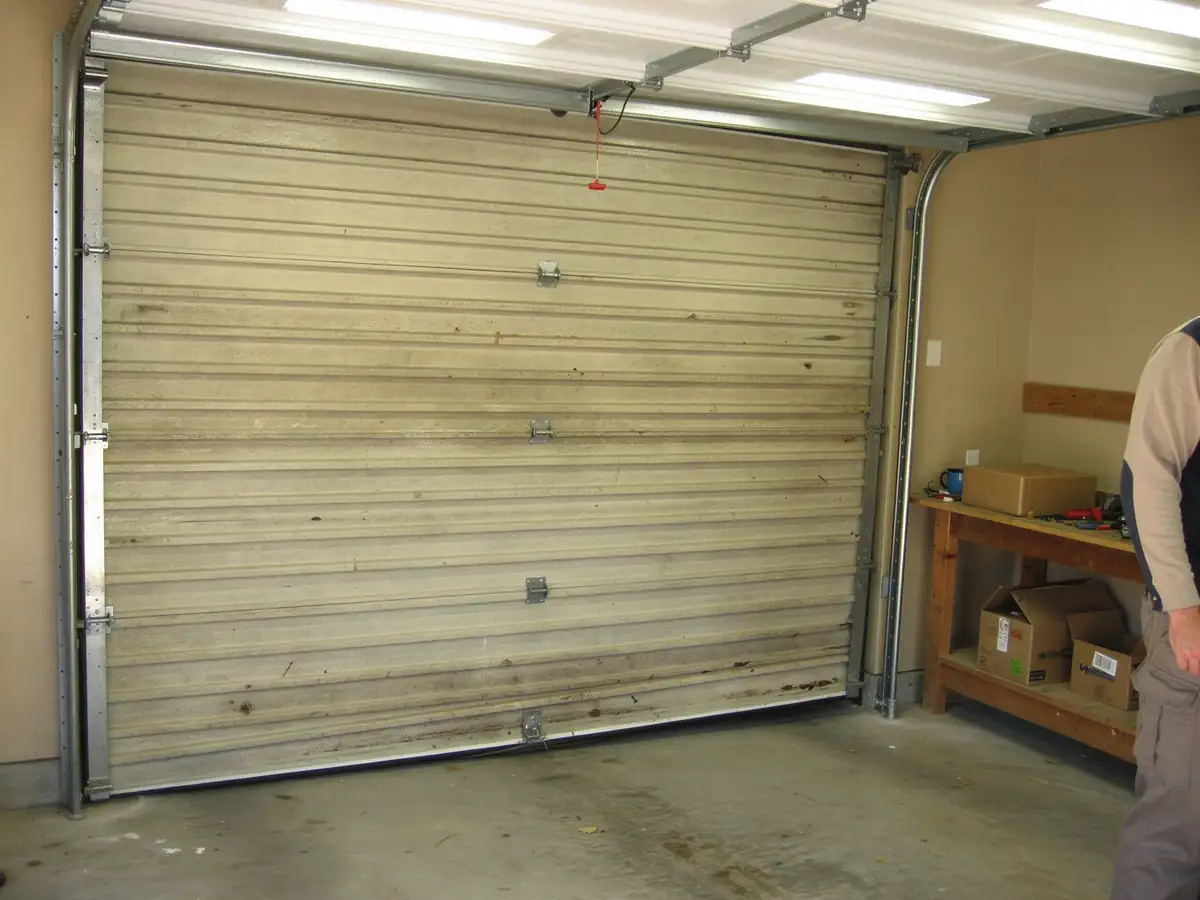
The practical effect of an older build year is that original hardware is more likely to still be in place, and that hardware is more likely to be the kind nobody manufactures anymore. Extension springs instead of torsion, lighter-gauge track that was never sized for a heavier insulated panel, openers bolted to framing that predates any load rating for garage door operators - we see all of this more often on the 1958-dated side of the area than we do closer to Moses Lake proper.
Winters here also fall in a cold-climate band with severe conditions, and old steel track and original springs don't take well to decades of that kind of temperature swing. Metal fatigues faster when it's already near the end of its service life. We're straightforward about the limit here: if a door is running on its original 1958-era spring and track, replacement is usually the honest answer over another patch repair, because the parts to patch it properly often aren't being made anymore.
The Houses Here
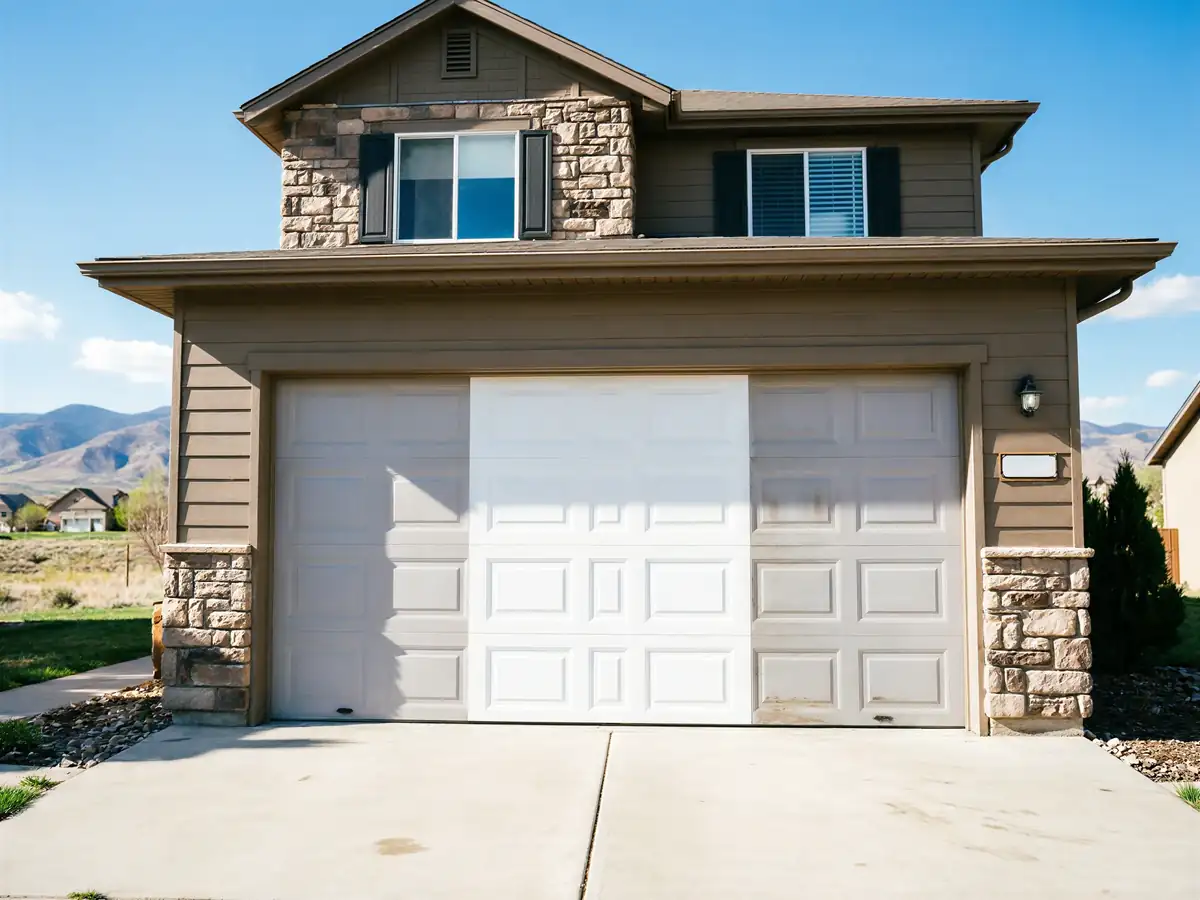
Moses Lake North has about 1,359 households
Smaller than the broader service area's 6,972 households and 2,782 owner-occupied houses, and median household income here runs a bit higher at $59,825 against the area's $56,084. That's a modest difference, but it tends to show up as more owners choosing a full opener and spring upgrade rather than a bare minimum fix when a door finally fails.
- 2,782 owner-occupied
Geographically this area sits close to the lake side of town
Roughly 5 miles from our Moses Lake base and nearer to us than Warden or Ephrata, which are both farther out on the same general route. We don't treat that proximity as a reason to skip a proper inspection - an older garage still needs its track, cable, and spring tension checked the same way regardless of how close it sits to the shop.
- 5 miles