The DIY Question
Most of what's wrong with a door in Moses Lake North isn't a mystery once you know the house
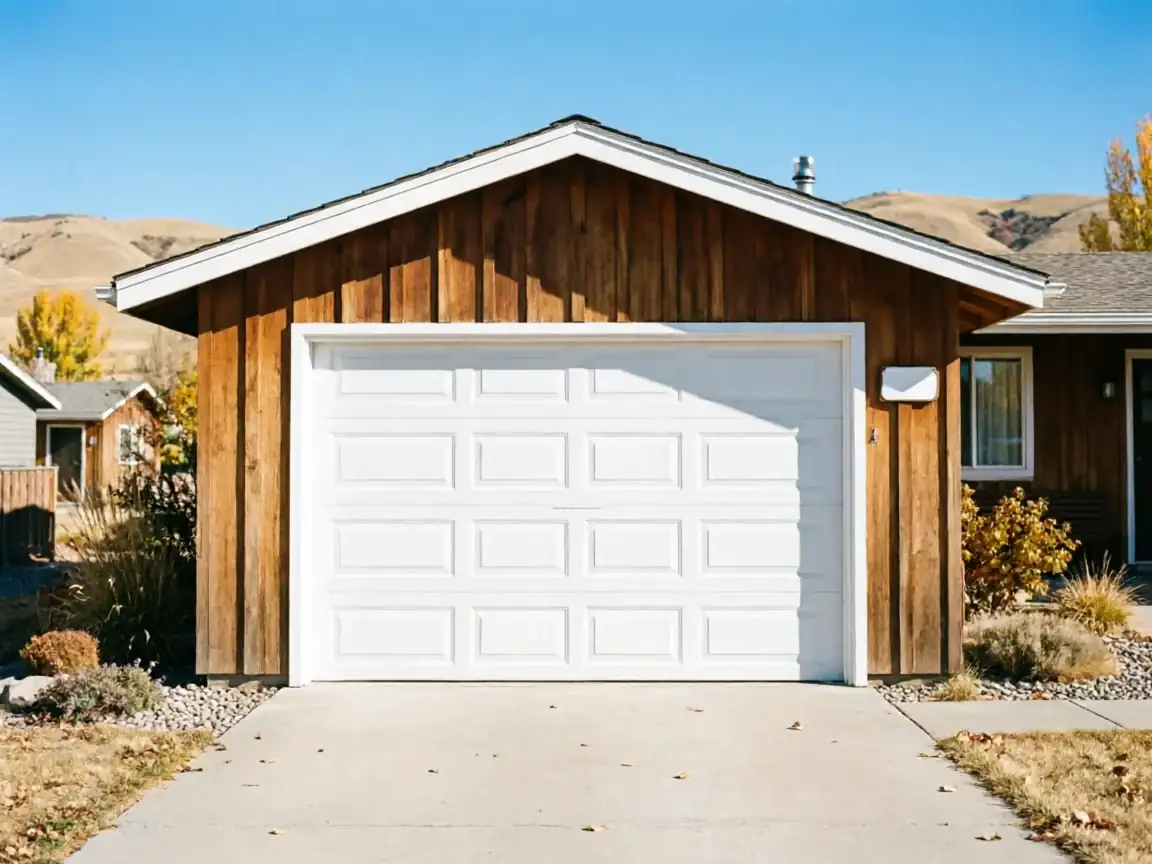
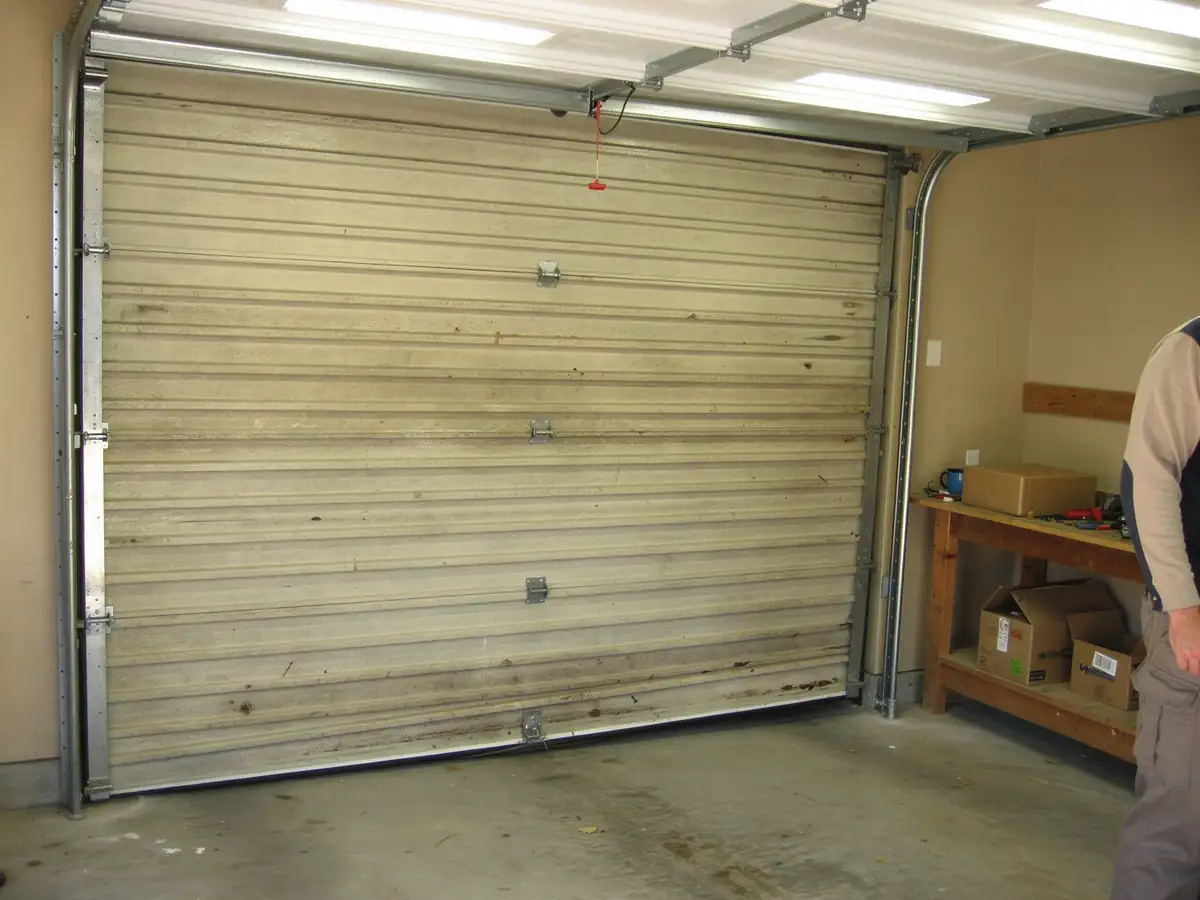
A big share of these homes went up in 1958, which puts them near the front edge of the build-out that covers the wider service area out to 1987. That matters because a door built in 1958 almost never got a full hardware swap along the way - owners replace a broken spring or a bent roller, not the whole track and drum assembly, so a lot of what's up there is original.
You can safely do a few things yourself
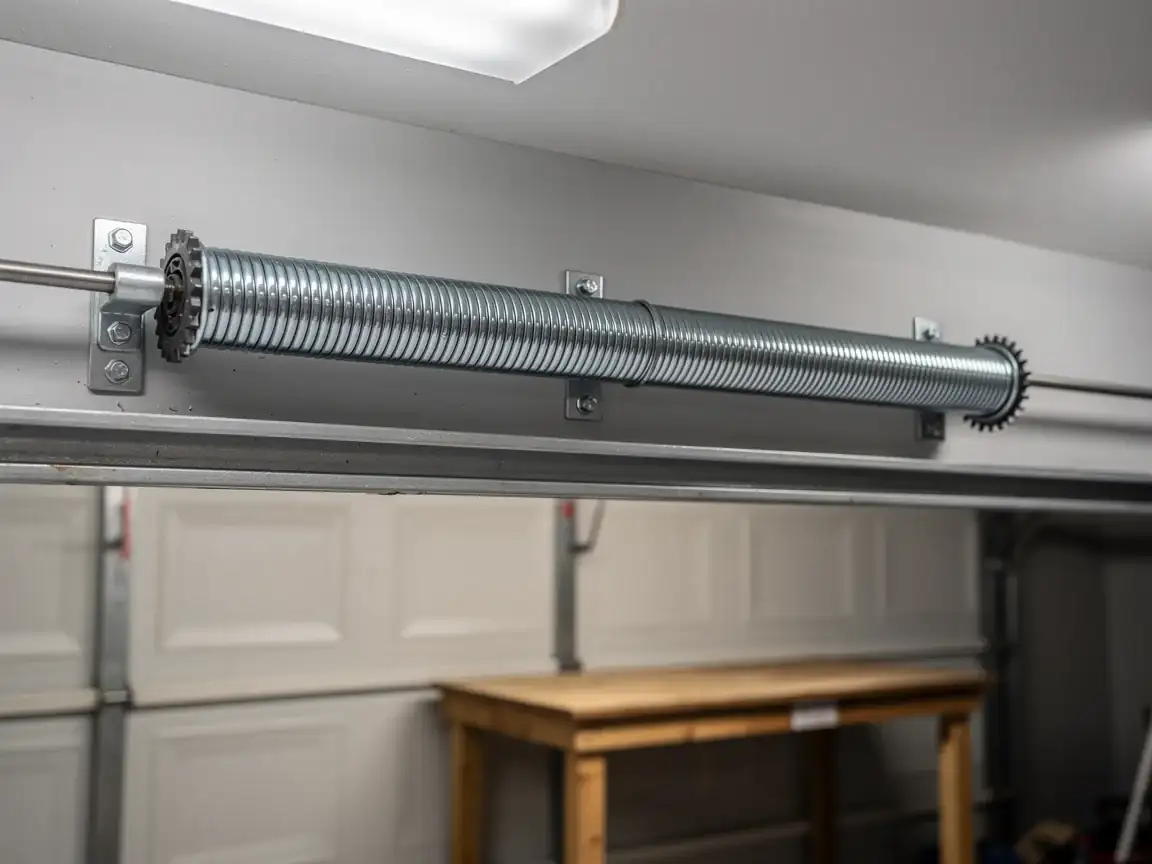
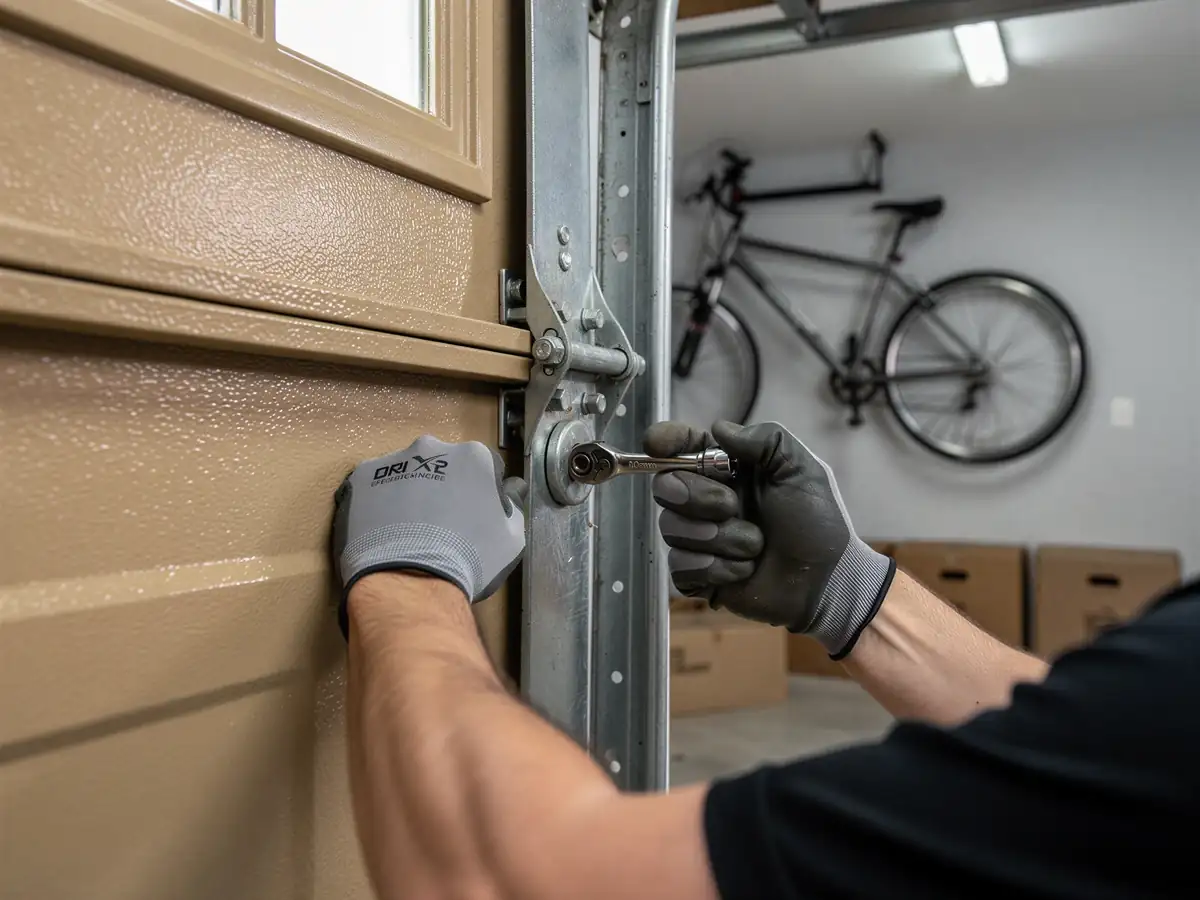
Tighten loose hinge bolts, lubricate rollers and hinges with a garage-door-specific lubricant, clear track debris, and test the photo-eye alignment. What you should not touch is the torsion spring. On a door this old, the spring is wound to a tension set for hardware specs that have since changed, and the winding cones on original installs are often worn thin. A spring under tension that lets go while you're adjusting it can break bones. If the door won't open, or opens unevenly, or the cable looks frayed, that's a call, not a weekend project. We'll tell you straight if it's a five-minute fix - we'd rather say that than run up a bill.
What You Pay
We don't have a published price list for this page, and we're not going to invent one. What we can tell you is that the job cost here tracks the age of the hardware, not the size of the house. A spring replacement on original 1958 drums usually runs different than the same job on a 1980s door, because the shaft diameter and the drum style changed over that stretch of housing stock. Median household income in this part of the service area sits a bit above the broader area's $56,084, but we price the job on what's on the door, not on the street it's on.
If you want a number before we show up, ask when you book. We can usually give a range over the phone once you tell us the approximate age of the door and what it's doing - grinding, not closing, opener running but door not moving. What we won't do is quote blind and then surprise you on site.
What Causes It Around Here
This area sits in a severe cold climate band, and that's the thing original 1958 hardware wasn't built to handle the way current steel is. Galvanizing and coil treatments on torsion springs have improved a lot since the late 1950s, and springs from that era that have survived seventy winters of freeze-thaw cycling are brittle, not just old. Cold snaps don't break springs on their own, but they make a spring that's already fatigued let go on the next lift.
The second pattern we see here is track misalignment from slab movement. Houses from 1958 sat on footings poured to a different standard than later builds, and decades of frost heave shift the track mounts a fraction at a time. You don't notice it until the door starts binding on one side or the roller starts jumping the track. Neither of these is unique to any one house in Moses Lake North - it's the combination of the build year and the climate band that makes it common across this stretch rather than a one-off.
What You Are Seeing
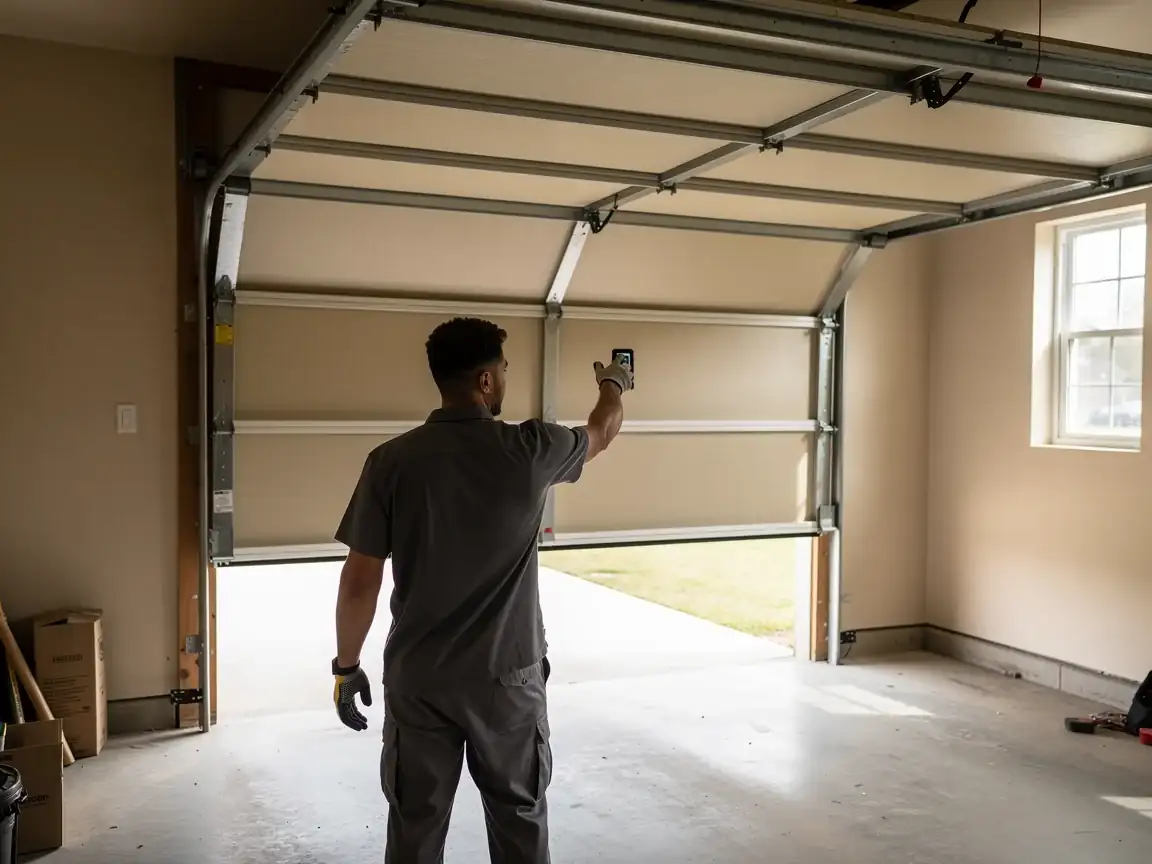
If the spring's gone, the door won't lift with the opener running
You'll hear the motor strain, or the door will lift a few inches and stop. A torsion spring that's cracked but not fully broken sometimes shows as a door that closes fast and hard, because the spring isn't holding its share of the weight anymore.
Track and roller trouble looks different
Grinding or popping noises as the door travels, the door tilting to one side as it opens, or a roller visibly sitting outside the track. On original hardware, worn rollers are common because steel rollers from that era wear down faster than the nylon rollers used in later installs.
A cable that's frayed near the bottom bracket
Or a door that drops suddenly partway through its cycle, means a cable's about to go. Don't force the opener past that point - disconnect it and leave the door where it is until we get there.
Booking a Visit
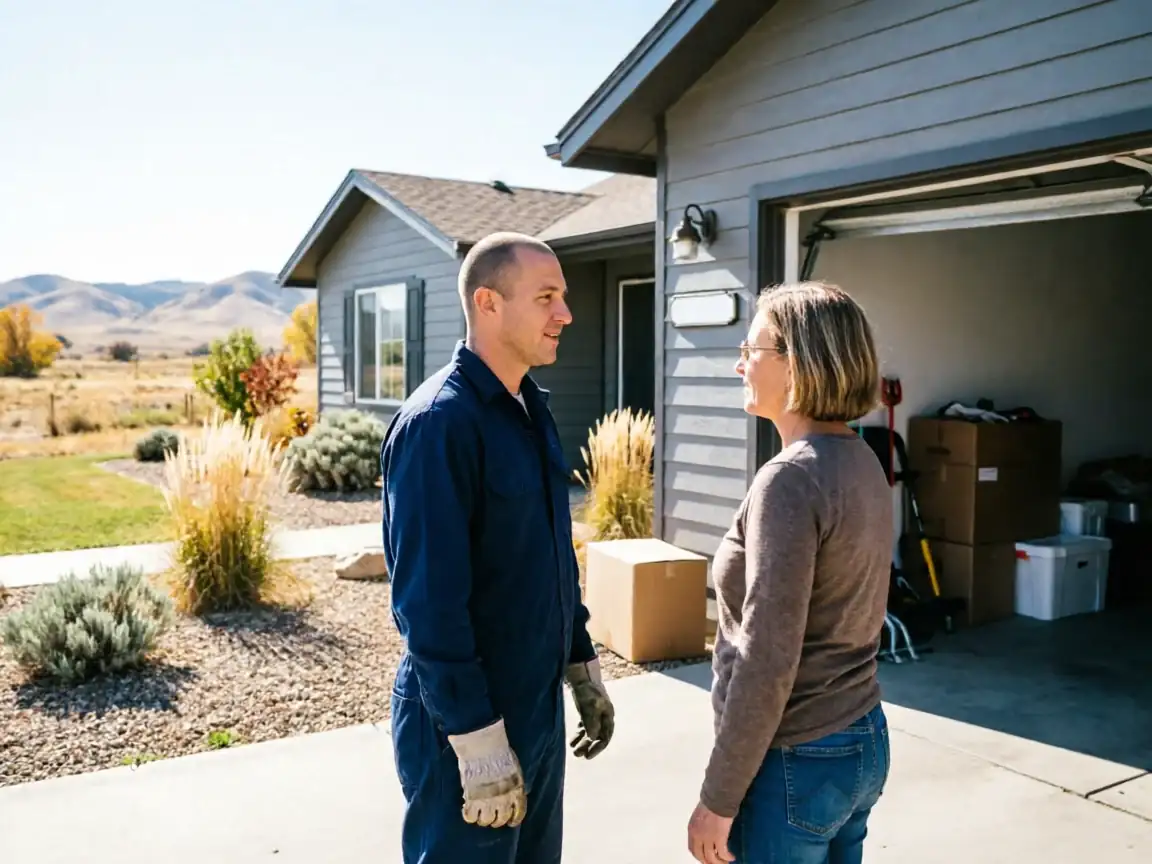
We cover Moses Lake North from our Moses Lake base, 5 miles out - close enough that a trip here doesn't add meaningful drive time to a job the way a call out to Warden or Ephrata would. Tell us the age of the house if you know it and what the door's doing; that lets us bring the right spring size and drum style instead of guessing on site.
We don't carry every part for every build year on the truck - original hardware from 1958 sometimes uses a shaft or drum spec that's not common stock anymore, so on occasion we'll need to order a part and come back. We'll tell you that up front rather than make a second trip look like our plan all along.
What the Fix Involves
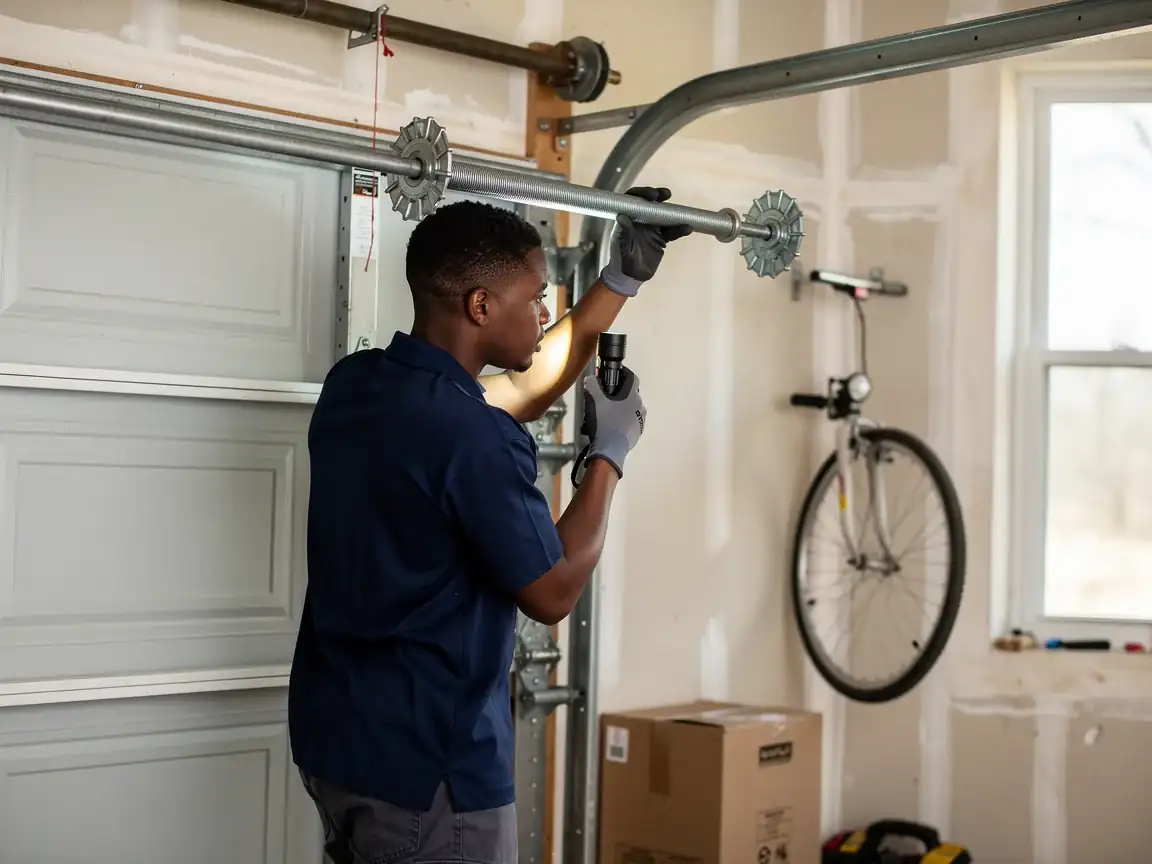
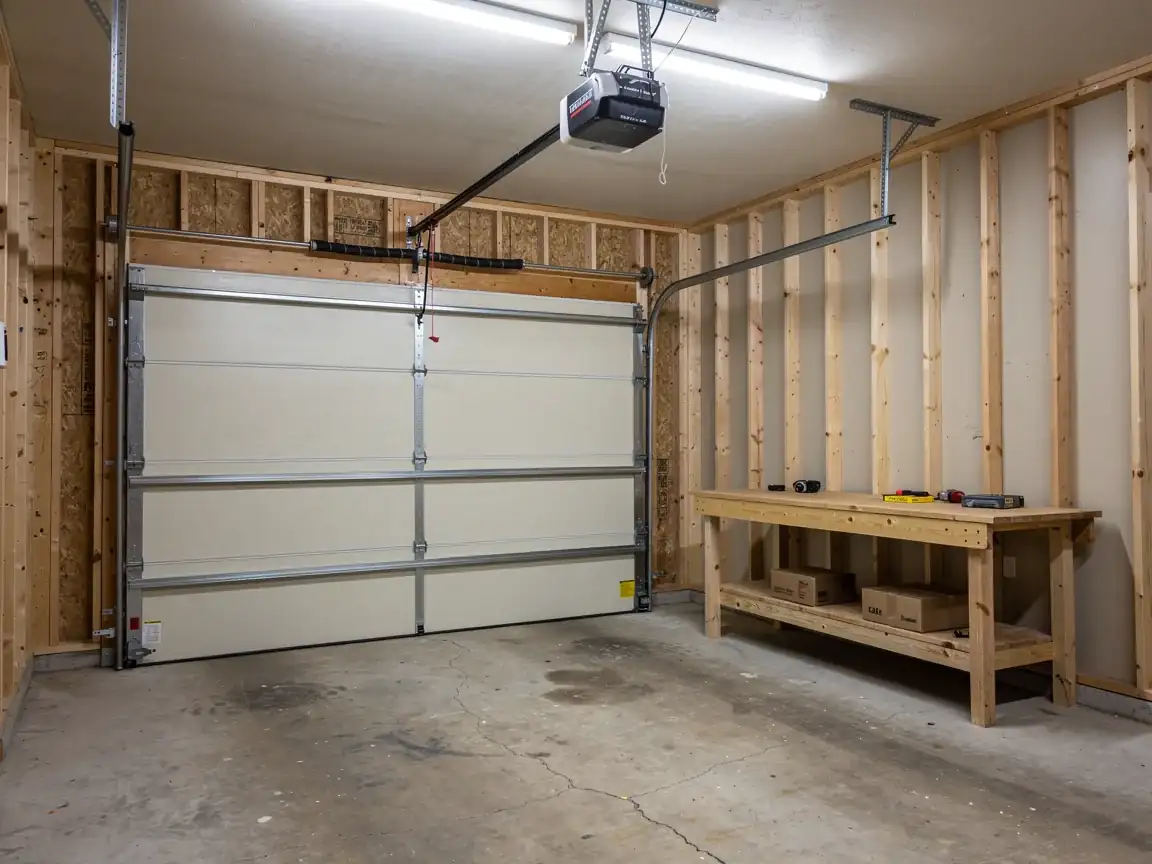
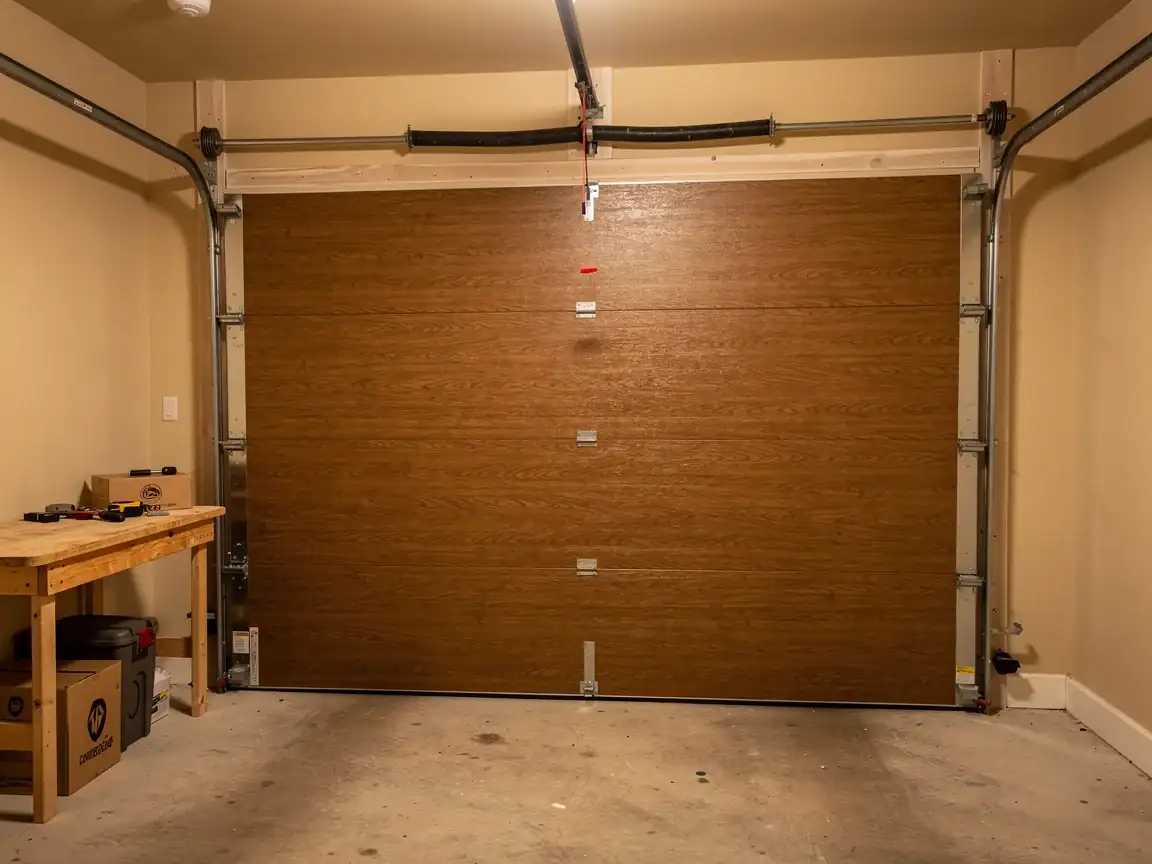
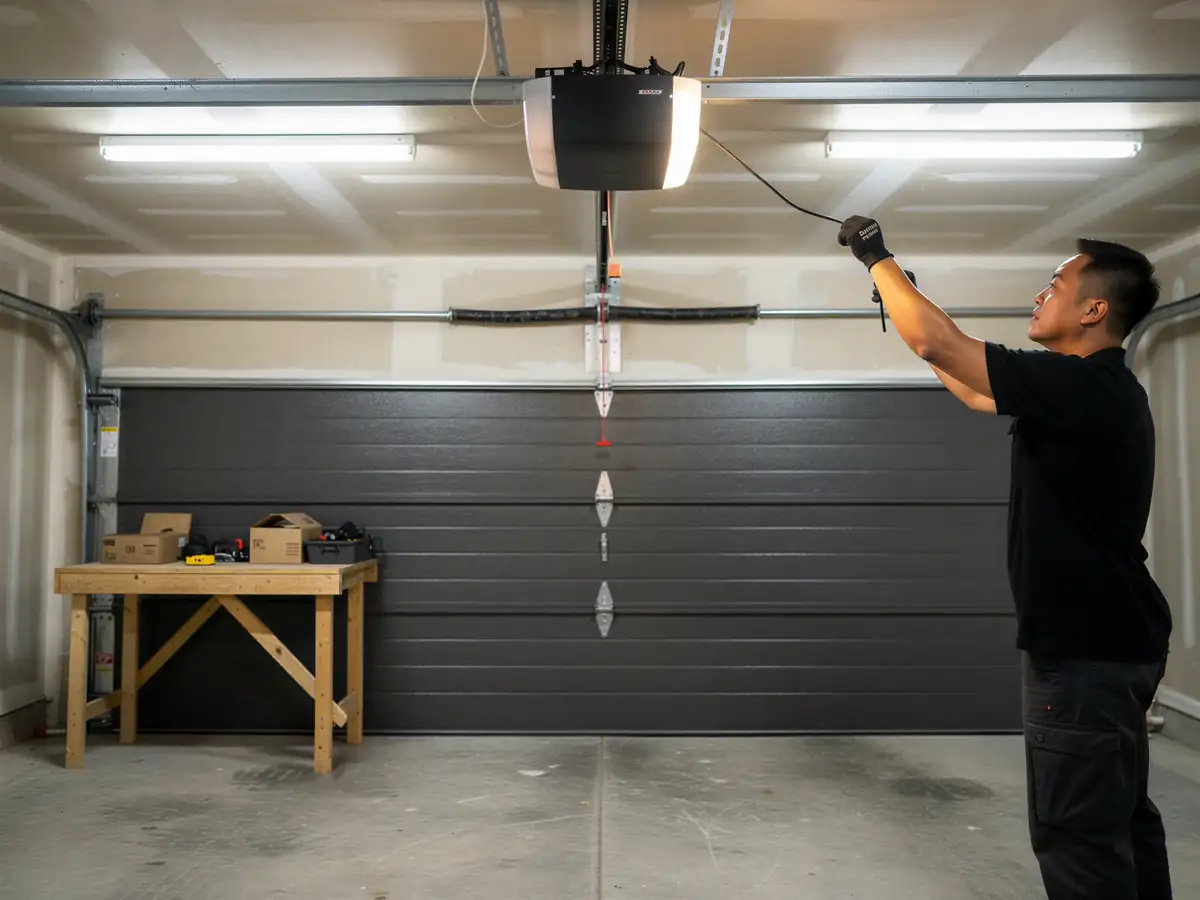
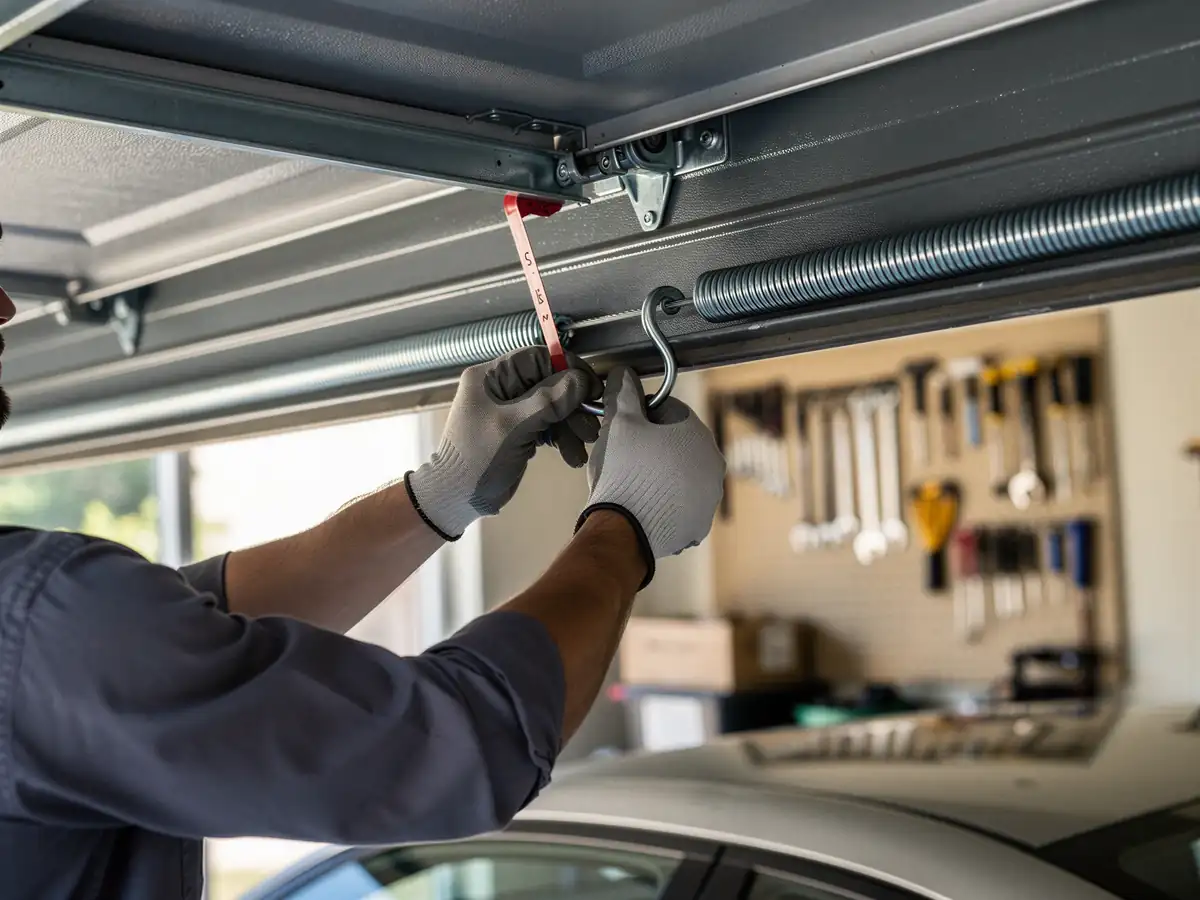
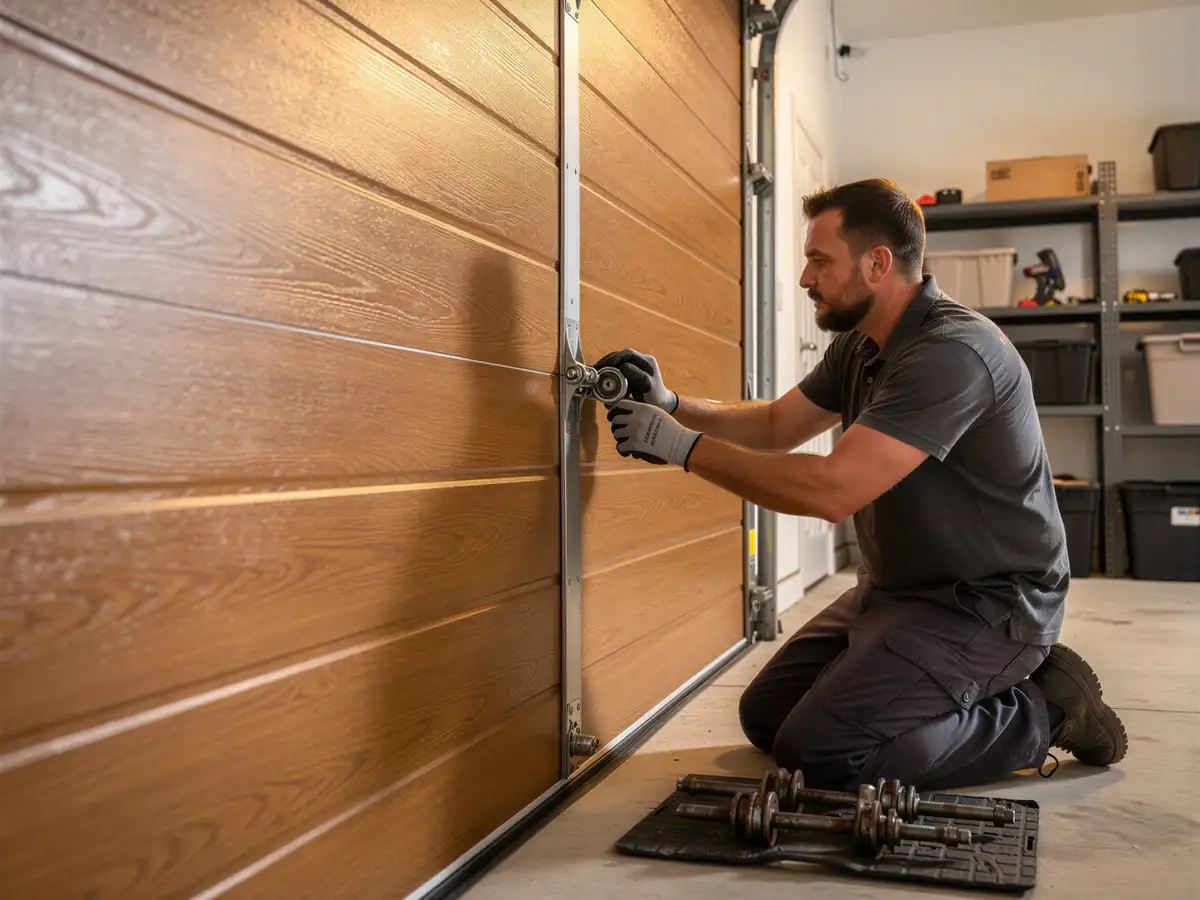
A torsion spring swap means disconnecting the opener, clamping the door, unwinding the old spring under control, and winding a new one matched to door weight and shaft diameter - on original 1958 doors we measure the shaft on site rather than assume a modern standard spec fits. Track realignment means loosening the mounting brackets, resetting them to plumb, and checking the door travels square before we tighten back down; on a house with decades of frost heave in the slab, that sometimes means re-shimming the bracket rather than just re-bolting it in the same holes.
We don't replace the whole door unless the panels themselves are damaged or the track is bent beyond straightening. A working original door with tired hardware is usually a hardware job, not a replacement job, and we'll say so even when a full replacement would be the bigger invoice.