
The Split Between Old and New
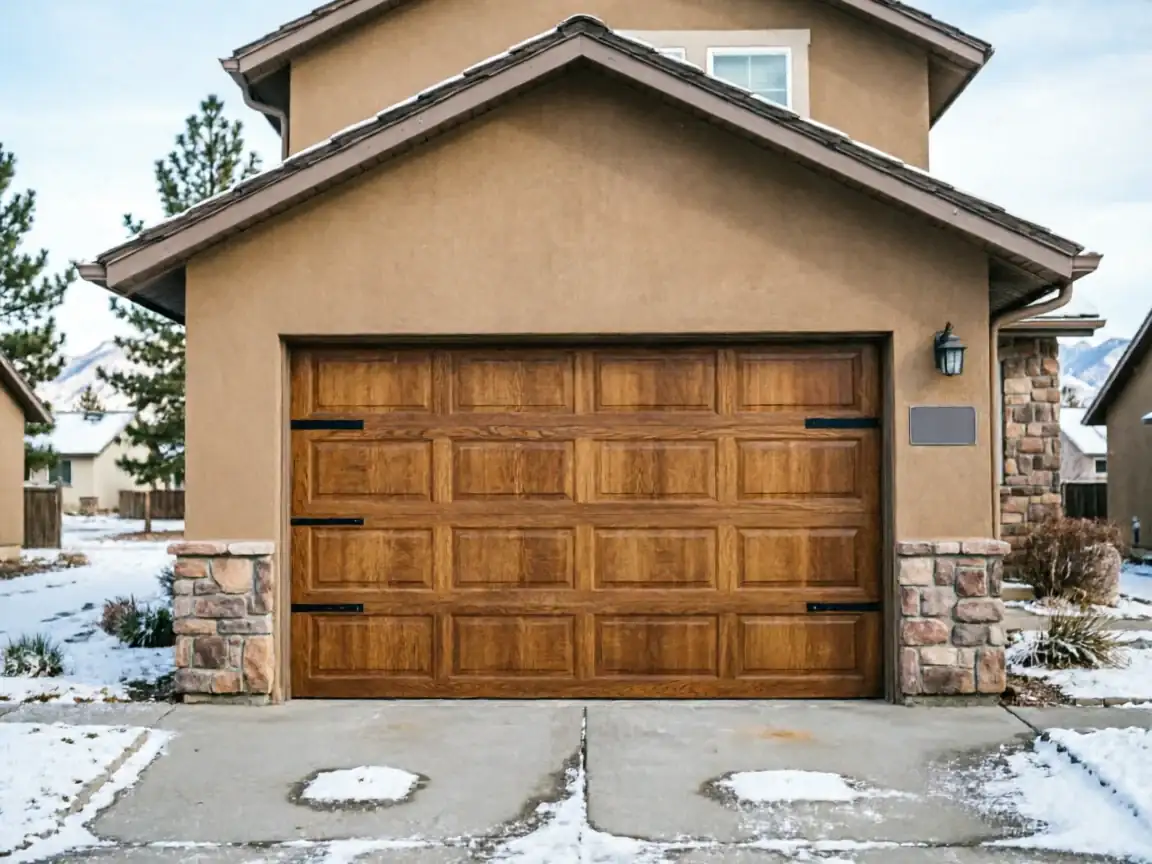
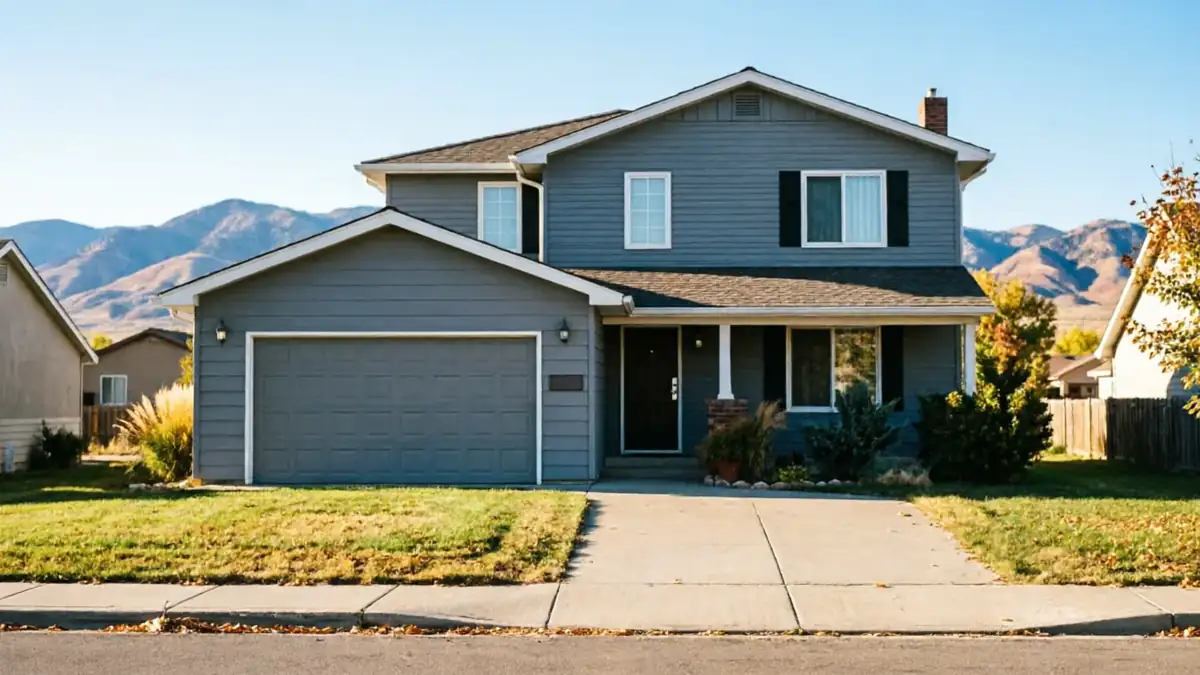
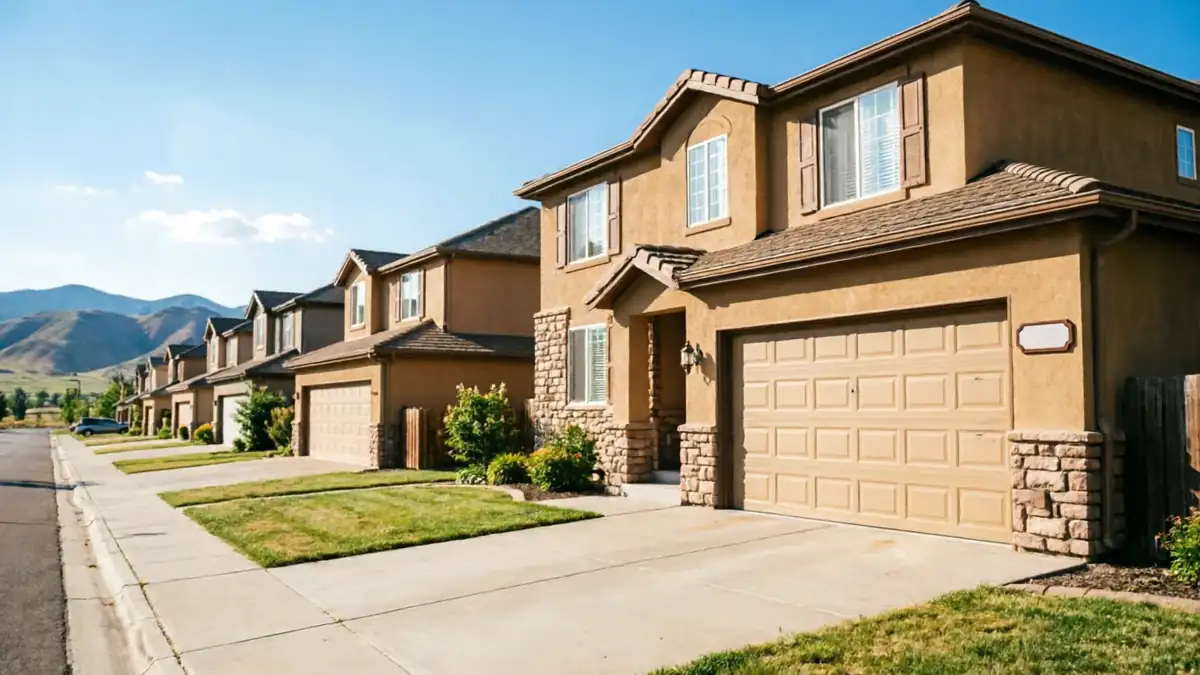
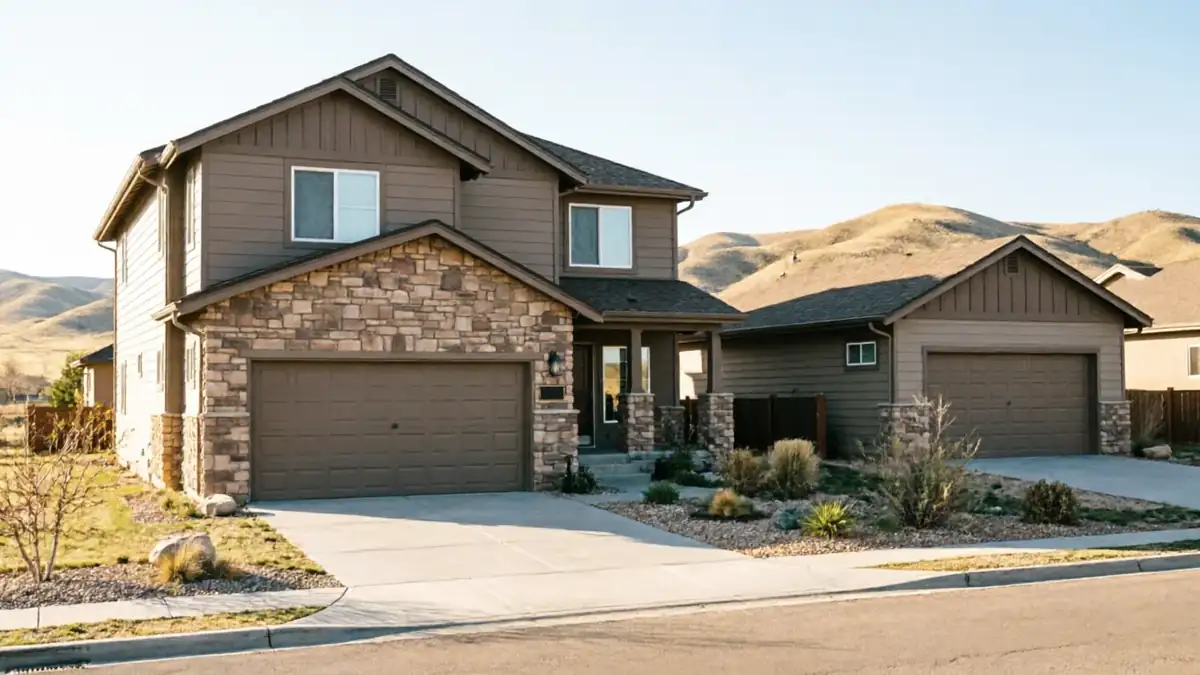
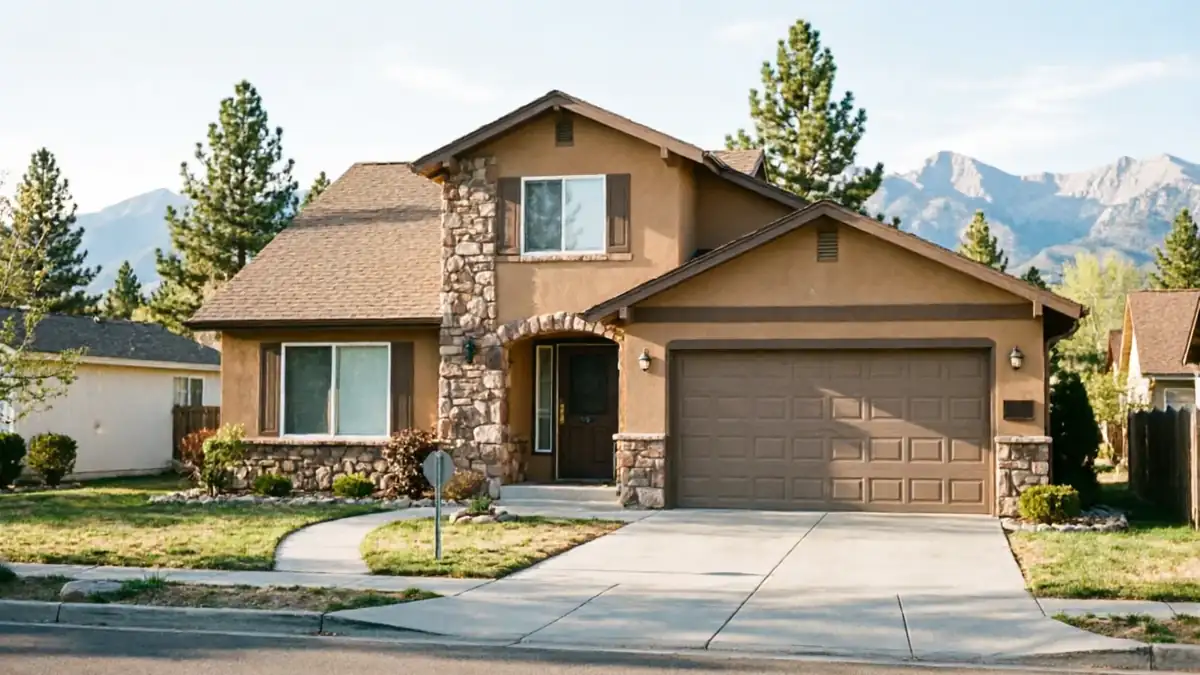
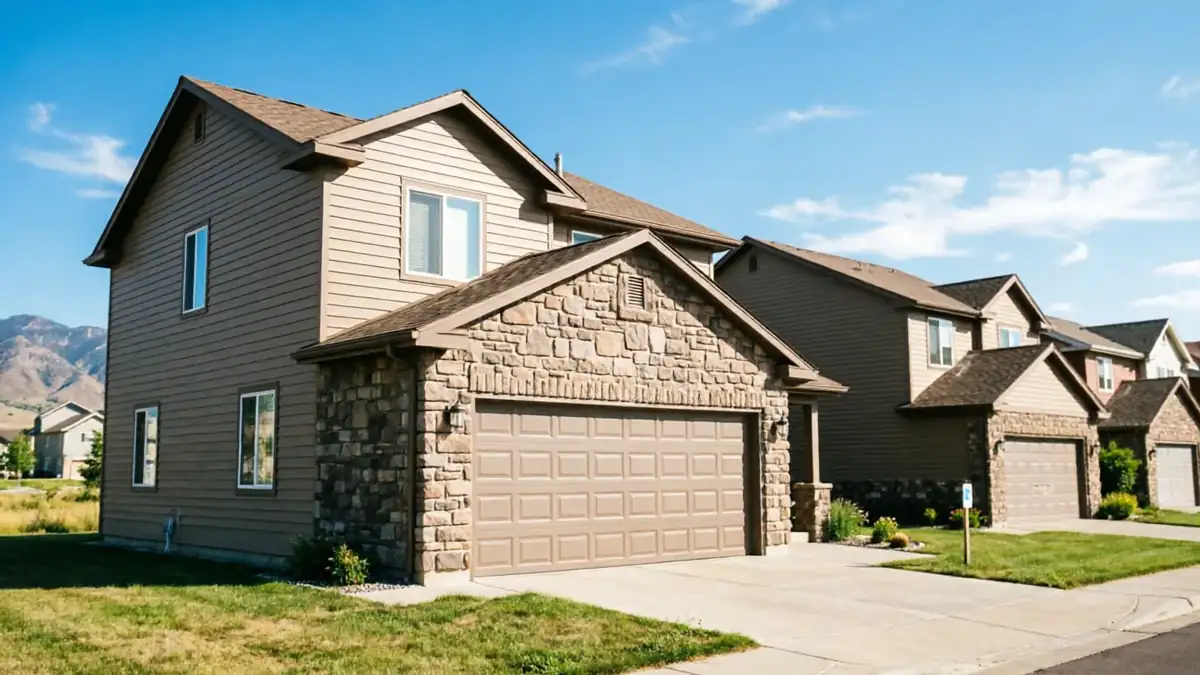
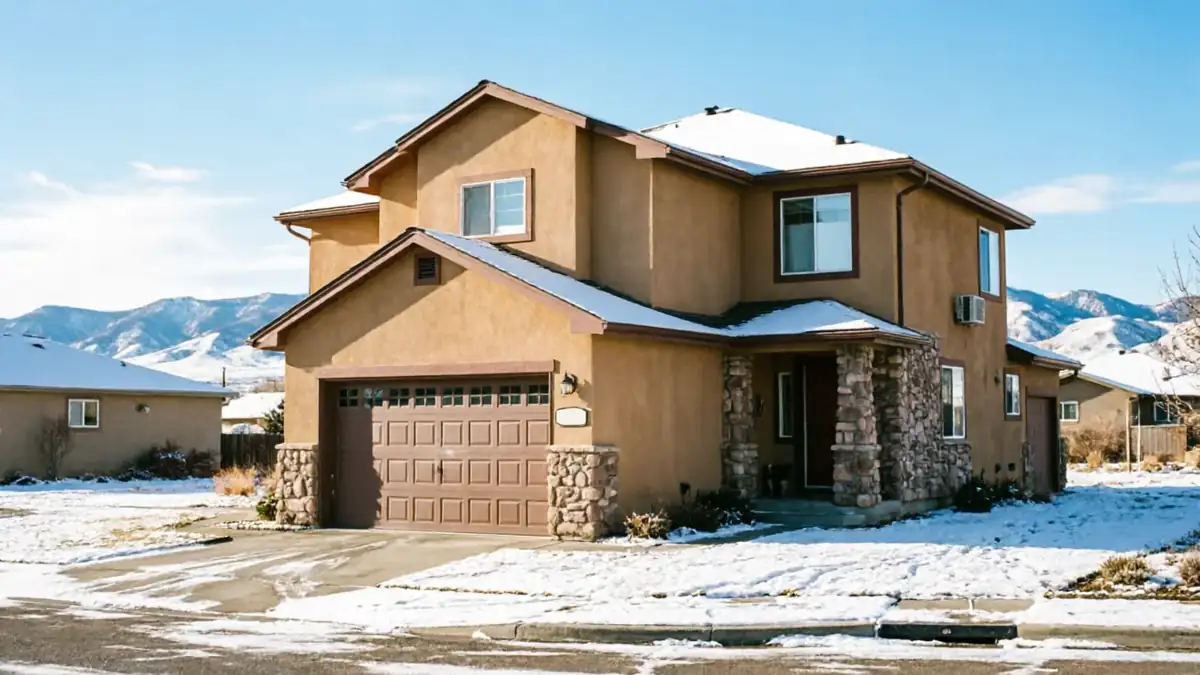
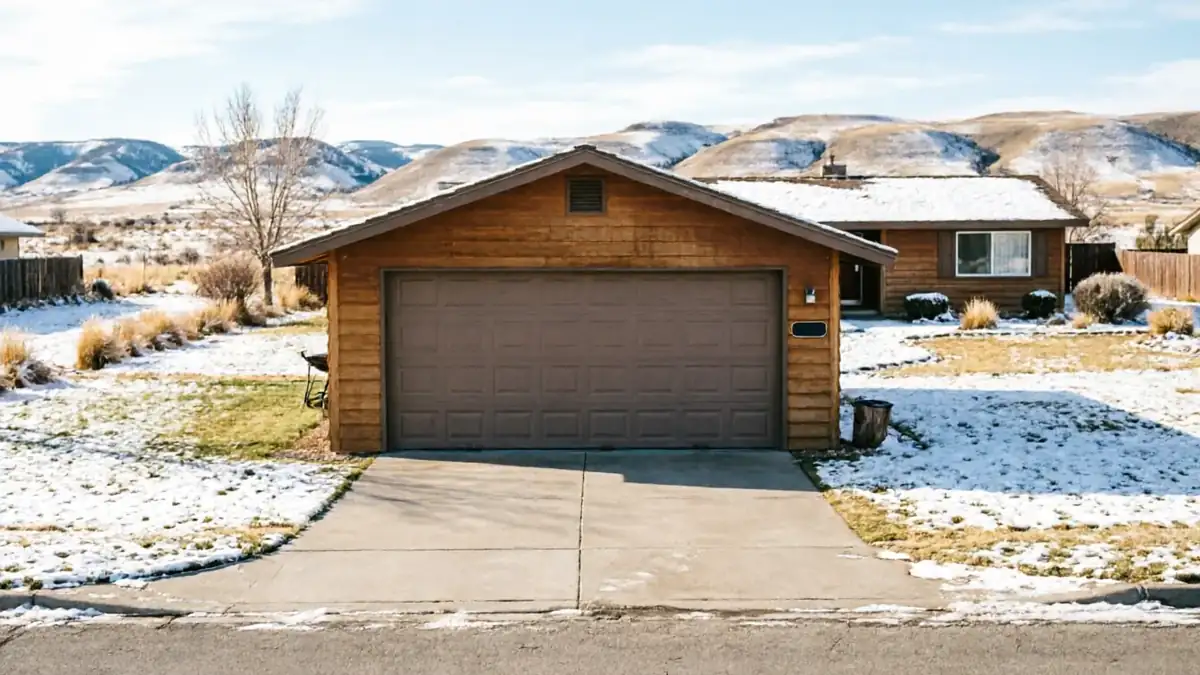
Across our wider service area the housing stock runs from 1958 to 1987, with a median around 1969 - a near-20-year spread that covers three different eras of garage door hardware. Ephrata sits on the older side of that spread, with a median build year of 1963. That six-year gap matters more than it sounds. Doors and openers installed in the first half of the 1960s used different spring mounting and track gauge than anything built in the 1970s or later, and replacement parts for the older setup are harder to match off a shelf. A house a few miles away in Moses Lake North, built closer to the 1969 area median, is more likely to have hardware from the later wave - newer springs, newer rollers, sometimes a retrofitted opener bracket that a 1963 house never got. When we quote a job in Ephrata we're usually pricing for the older generation of door, not the average one.
How That Shows Up in the Door
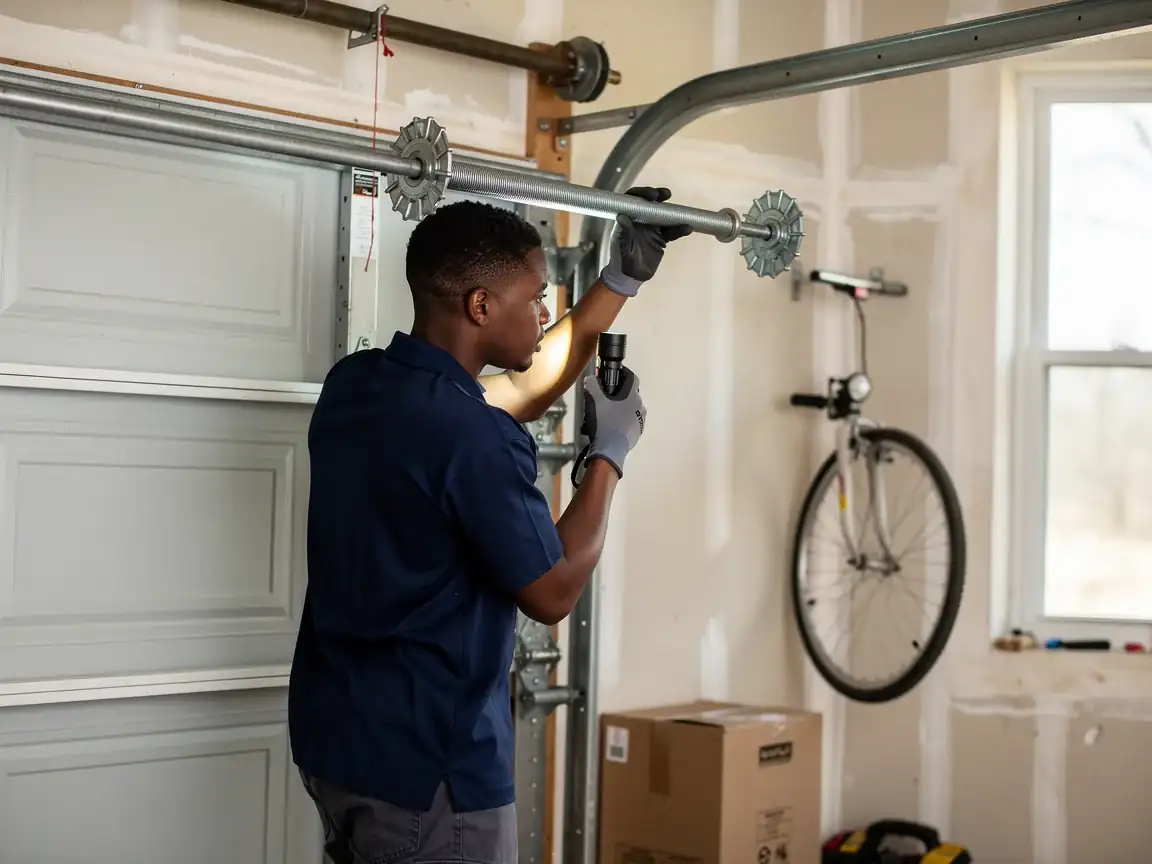
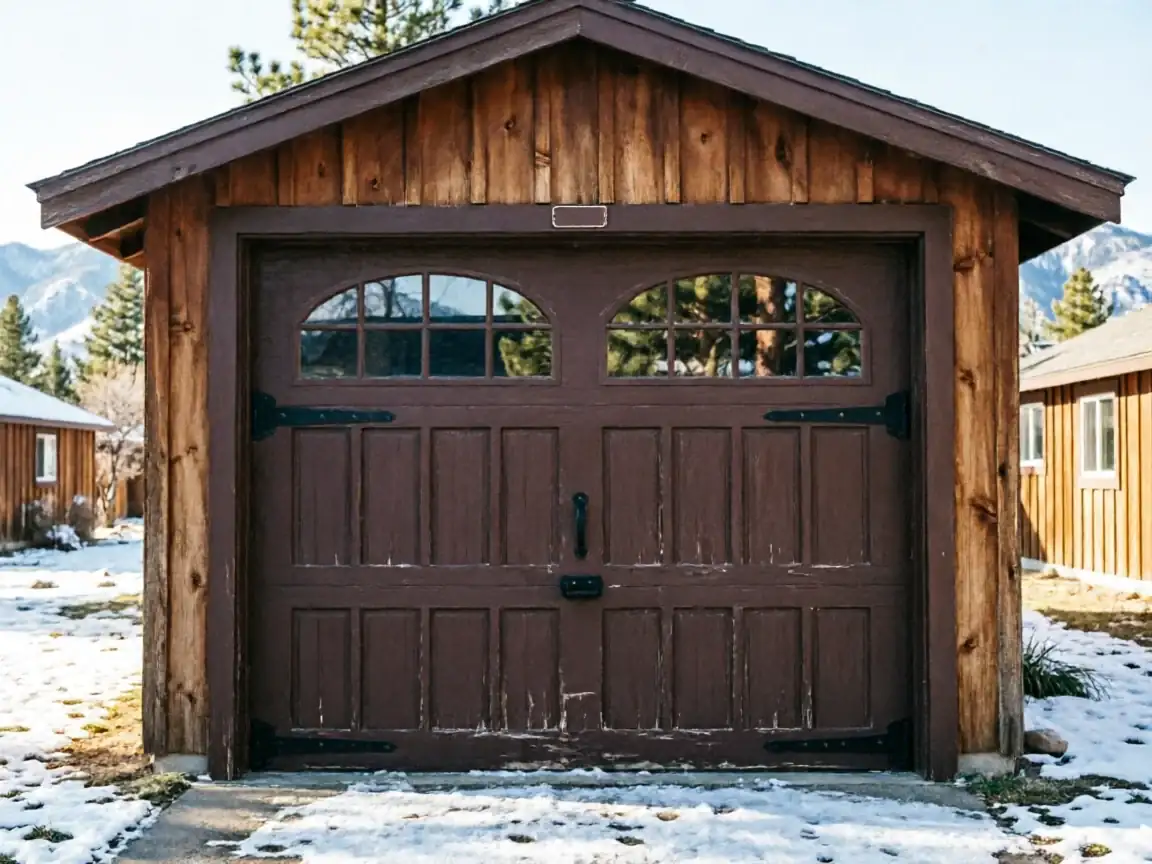
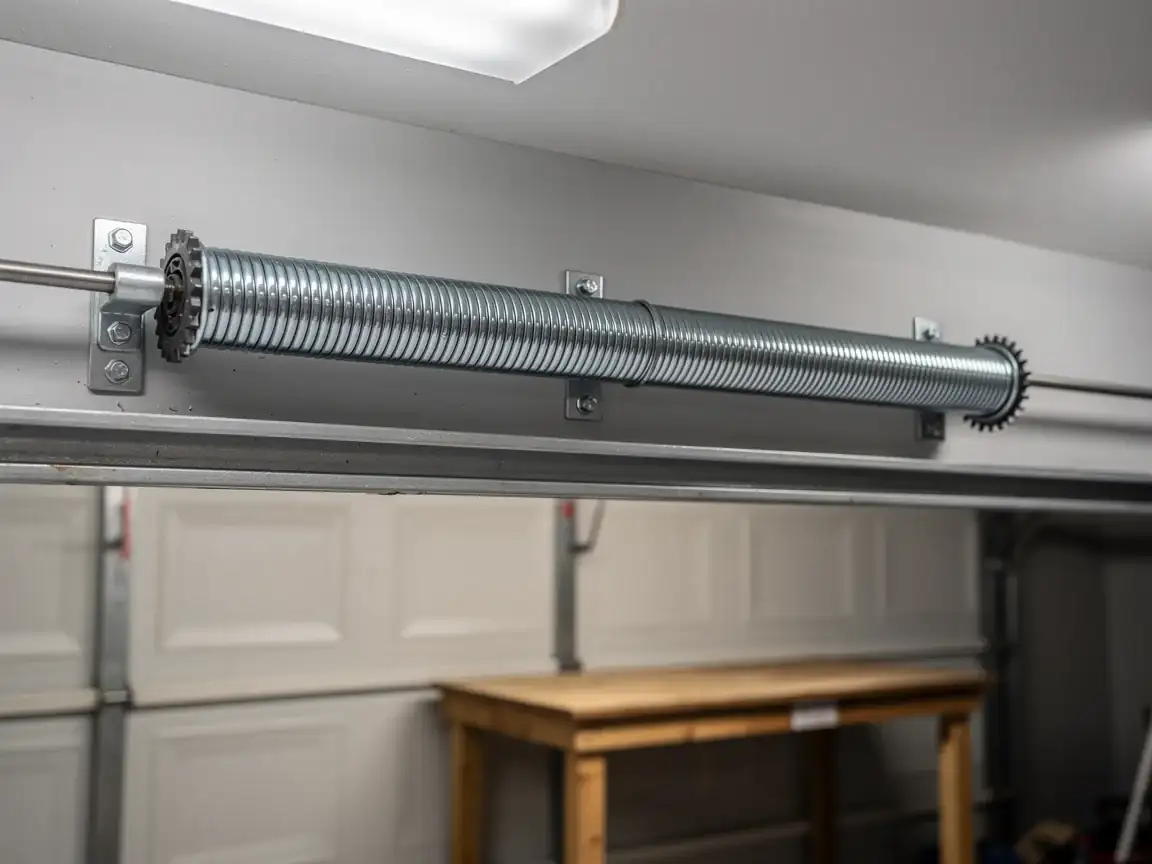
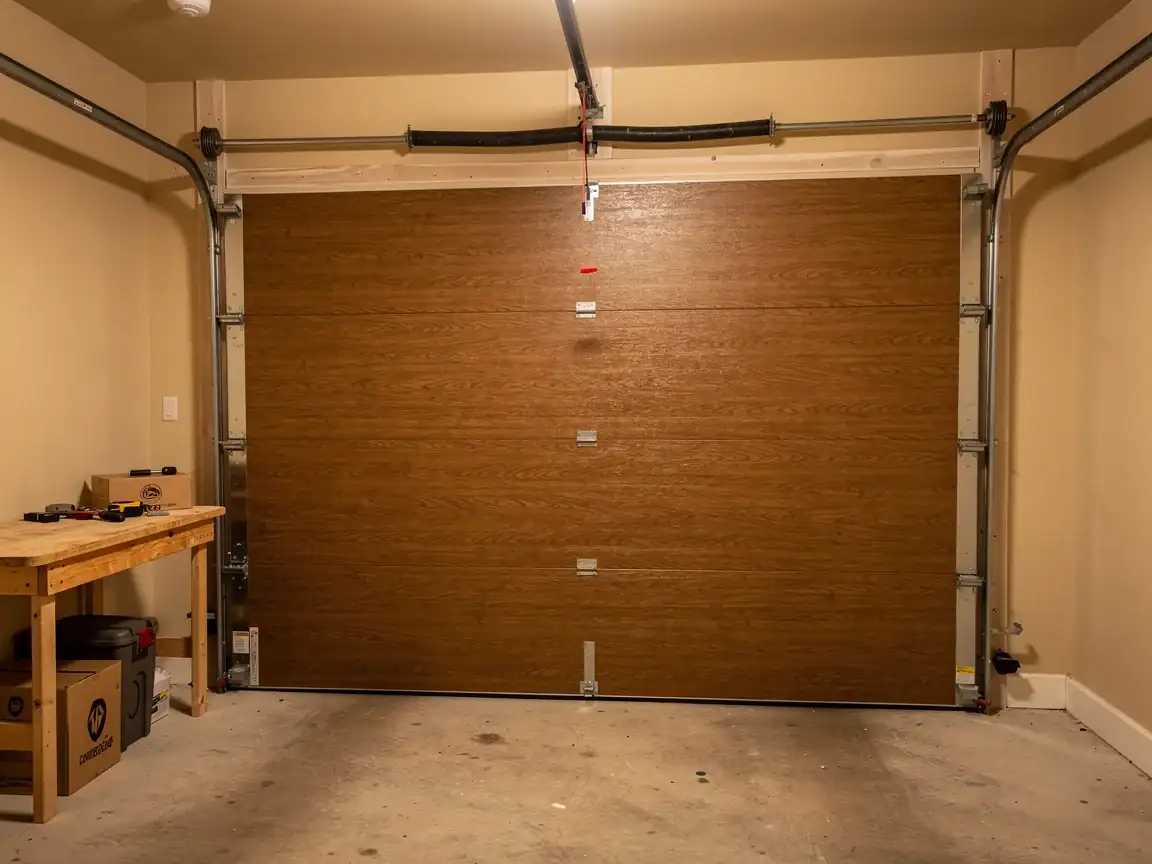
A door built around 1963 almost always came with a single torsion spring on a hand-wound shaft, side-mounted, no safety cable. That's the part that fails most on these calls - not the opener, not the panel, the spring and the unprotected shaft underneath it. We also see steel track that's thinner than what's sold today, which means rollers wear grooves into it over time instead of just riding smooth. None of this is unique to Ephrata as a name on a map - it's unique to a house built in 1963, and Ephrata has more of those than the newer parts of our coverage area. The honest limitation: if your track is that worn or your spring mount predates the safety-cable standard, we're not going to patch it and call it fixed. At that point replacement is the safer and often cheaper call over a repeat repair.