The Situation
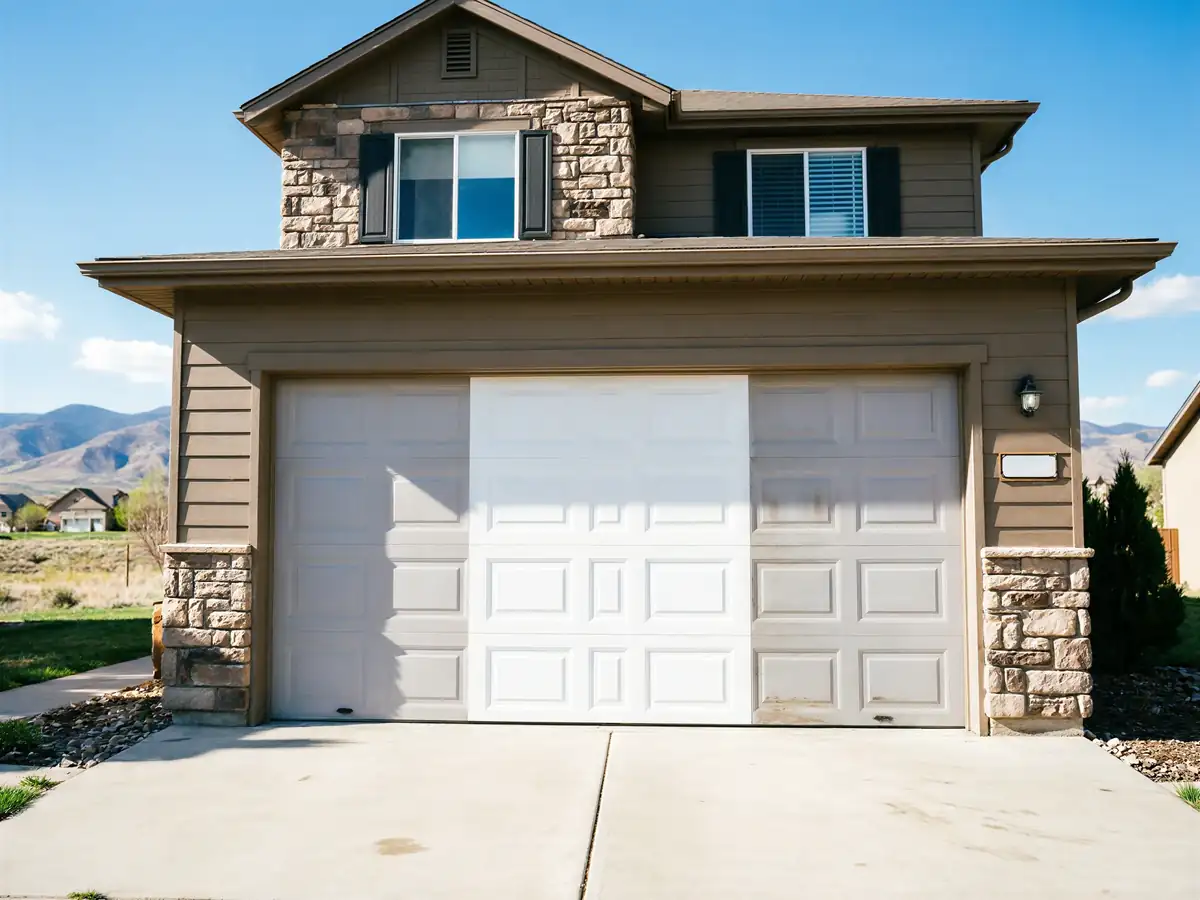
A lot of the housing stock around here went up between 1958 and 1987
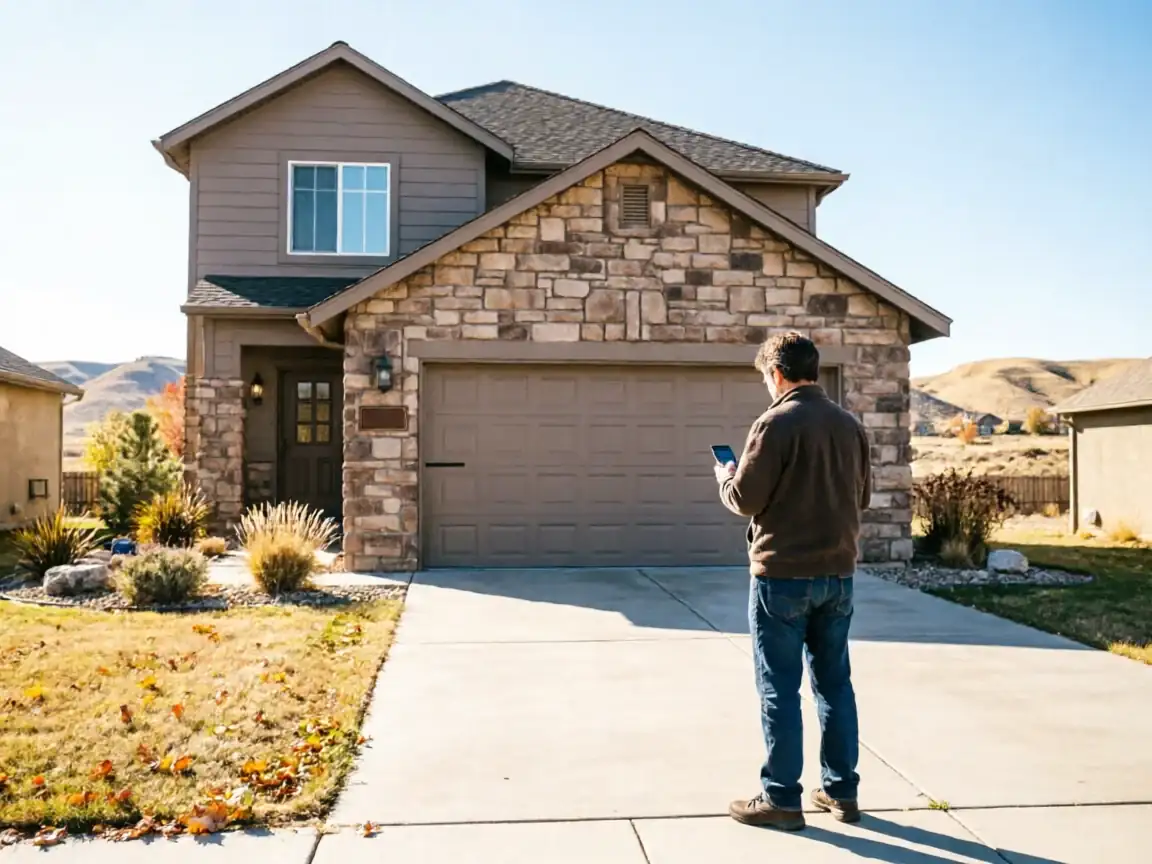
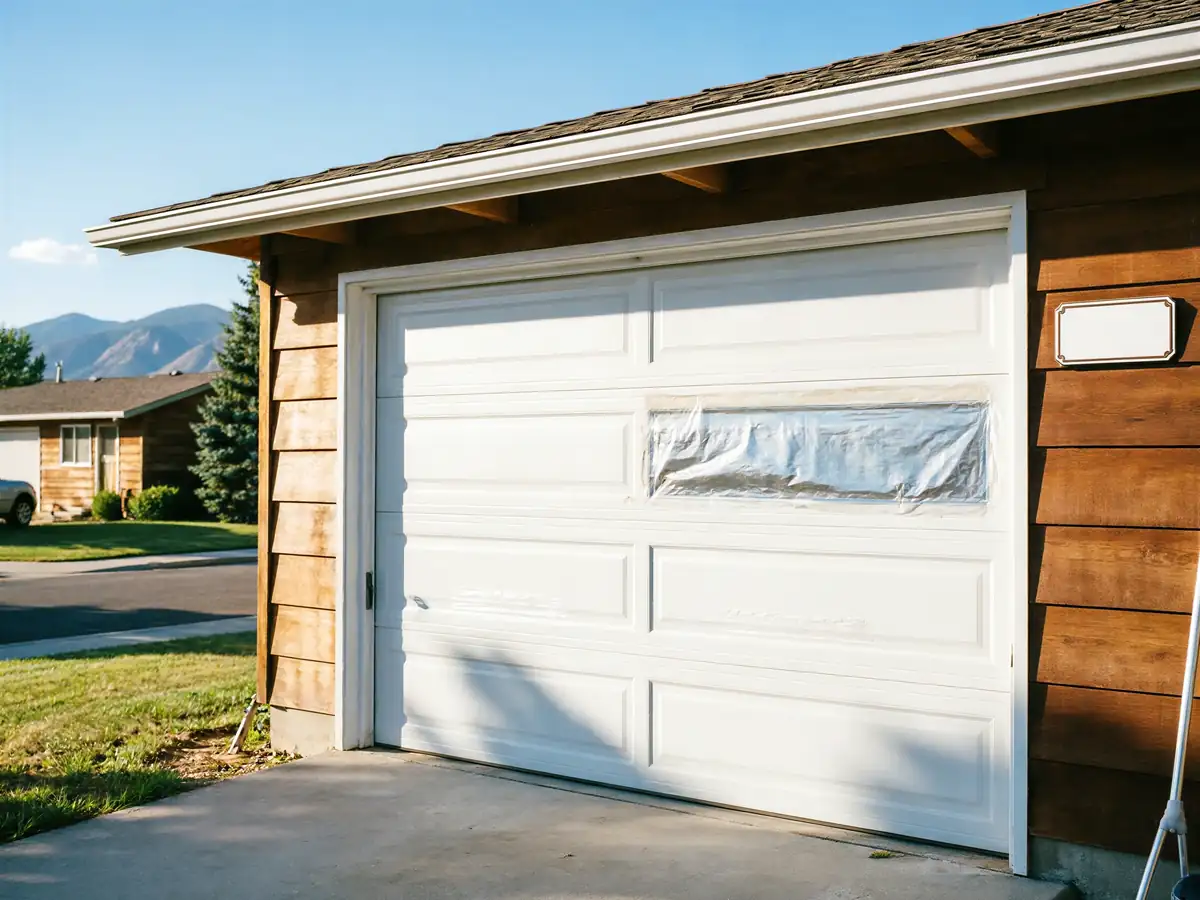
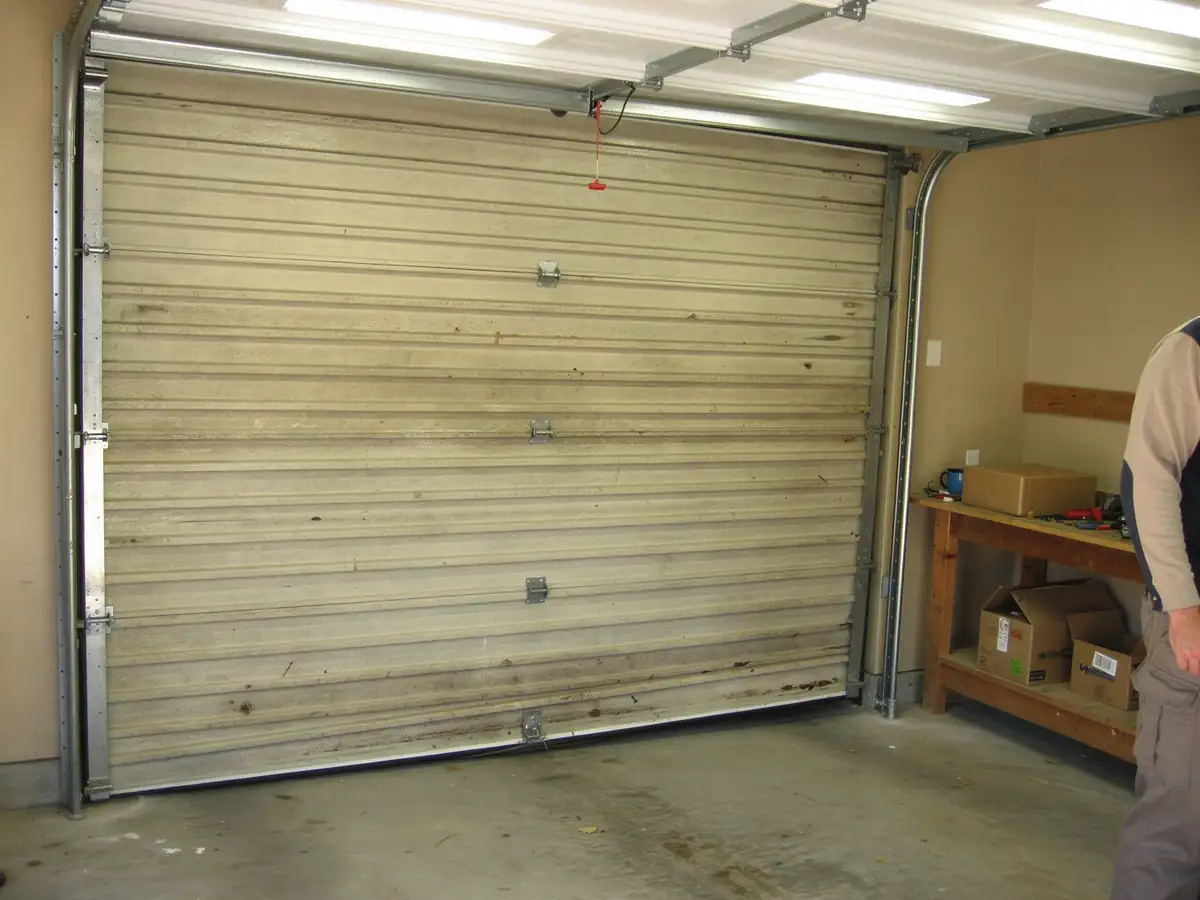
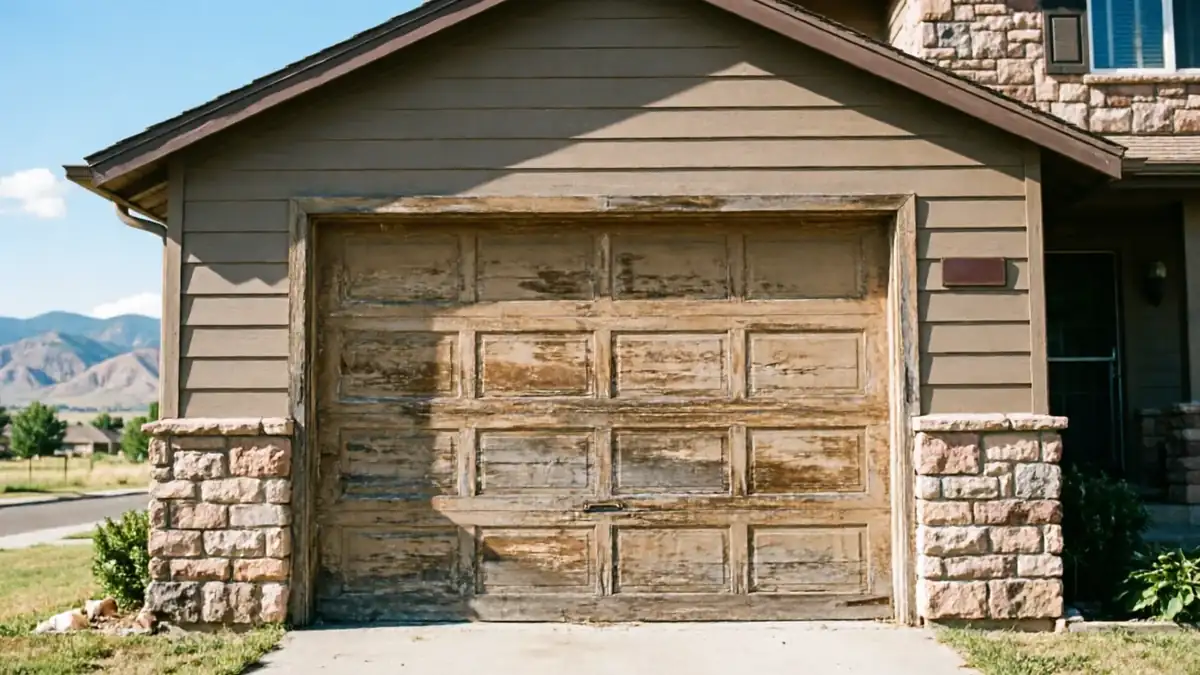
With the median landing around 1969. That means a big share of the doors still hanging on houses in Cascade Valley, Moses Lake North, and the older blocks closer to town are the same age as the house, or close to it - original hardware, original track, sometimes the original spring if nobody's touched it since. That's not a knock on the house. It's just math. A door built when Nixon was in office has had fifty-plus years of cold mornings and hot afternoons to work on its steel and its springs.
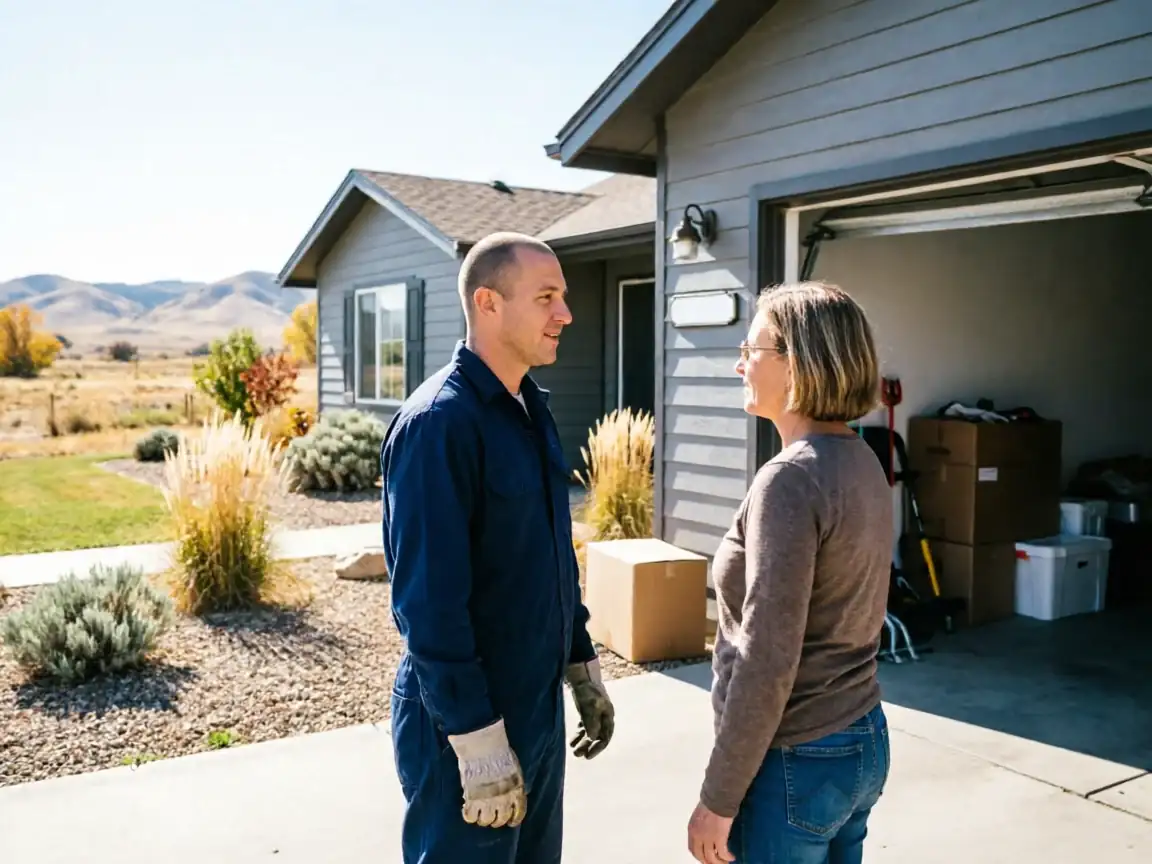
The question we get asked on these calls isn't "what's wrong with it"
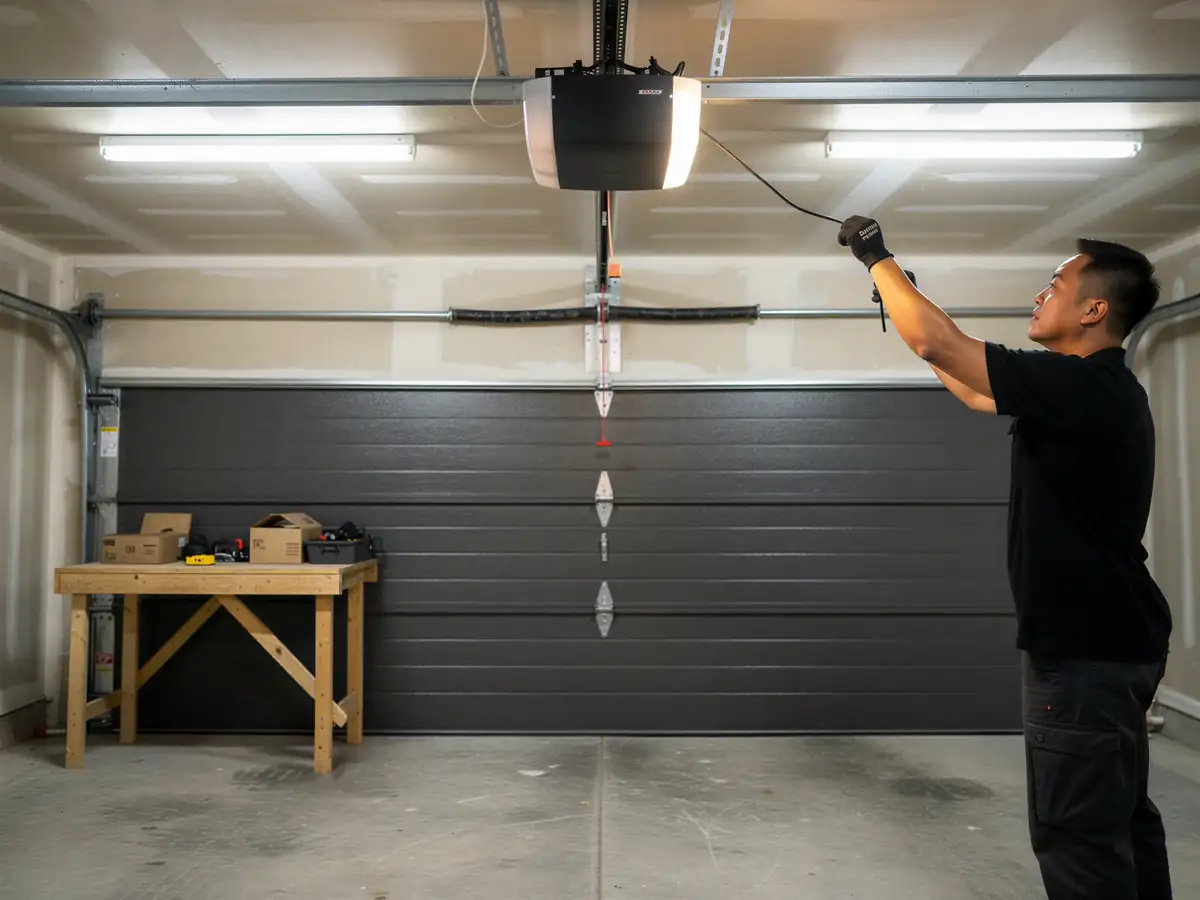
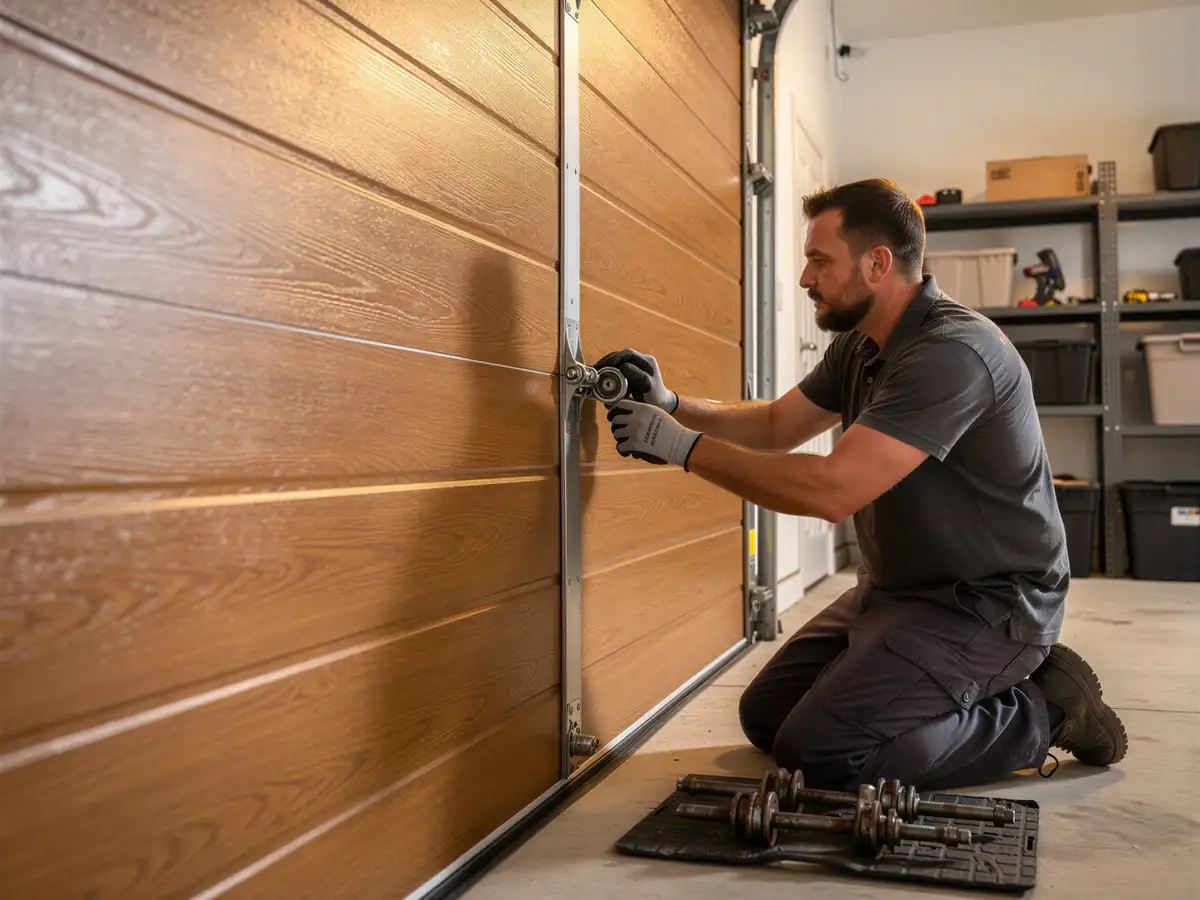
It's "is it worth fixing." With a door that old, the honest answer depends on what's actually failed. A torsion spring, a bent hinge, a worn roller - those are maintenance items on any door, any age, and fixing them is almost always the right call. A rusted-through track, a panel that's delaminating, or an opener drive gear stripped past the point of parts being made - that's a different conversation, and sometimes the house's age tips it toward replacement instead of repair.
When Waiting Is Fine
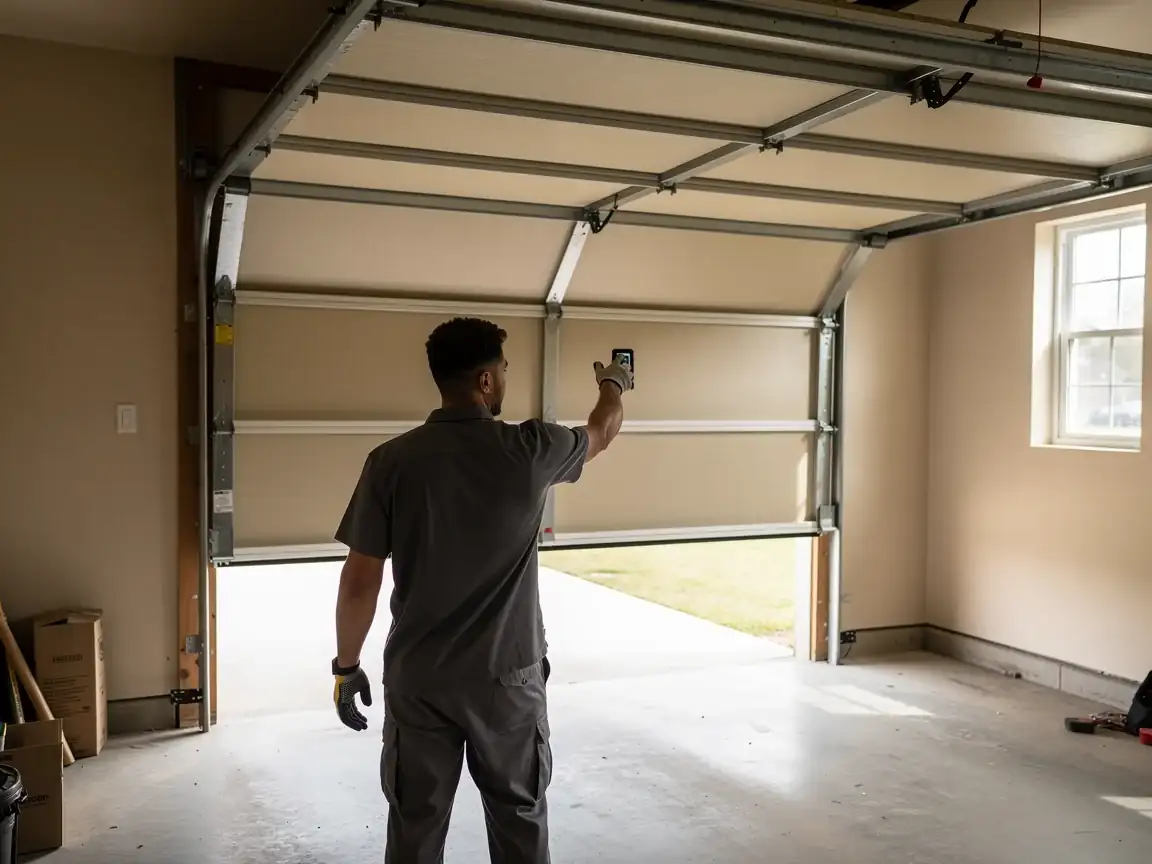
Not every noise or stiff spot means call today. If the door still opens and closes on its own power, seals at the bottom, and the only issue is a squeak or a little drag on one side, that's a door that can wait for a scheduled visit instead of an emergency one. Owner-occupied houses across this service area number around 2,782, and most of them are not running their garage door daily in a way that pushes a minor issue into a failure overnight.
Things that are fine to sit on for a week or two: a noisy roller, a slightly uneven close, a remote that's getting less reliable. Things that are not fine to sit on: a cable that's frayed, a spring that's visibly gapped or twisted wrong, or a door that's started dropping instead of lowering smooth. Age of the door matters less here than what the specific part is doing right now.
What the Weather Here Does to It
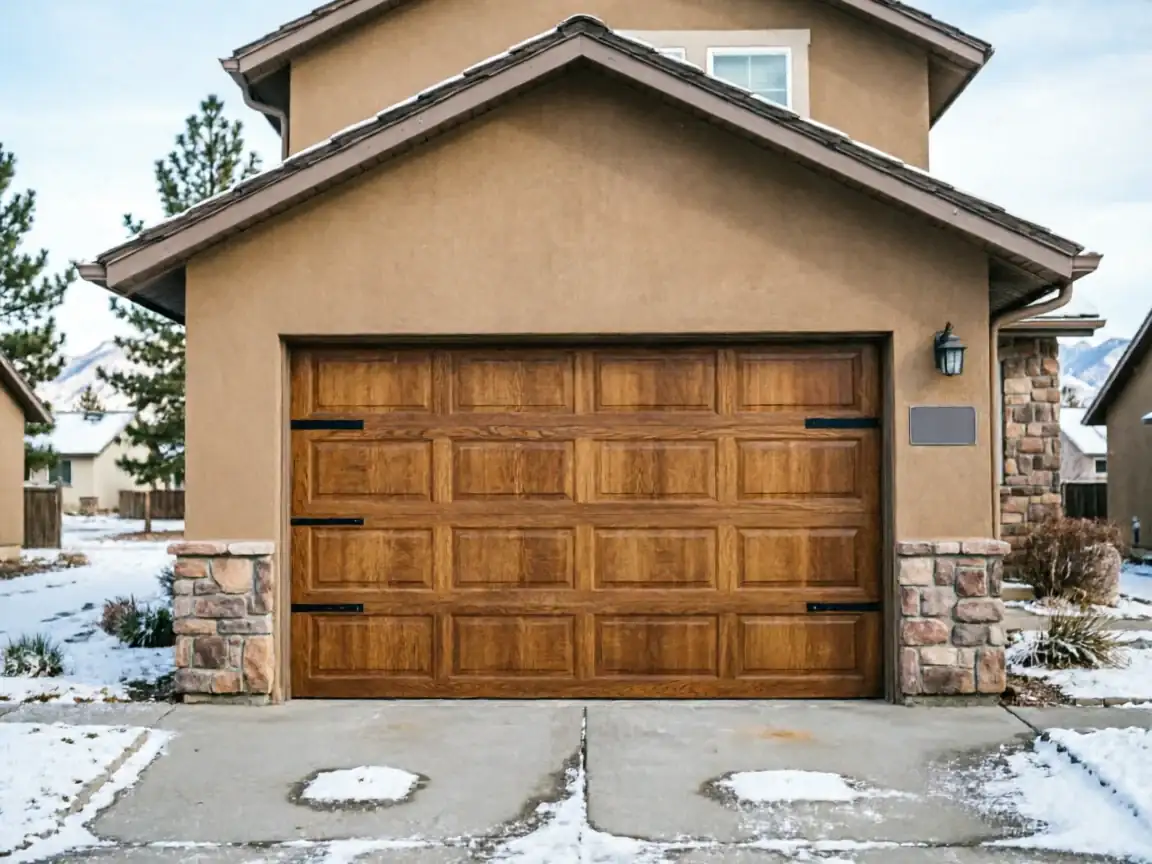
This area sits in a cold, severe climate band, and that matters more for a 1960s-70s door than it would for something newer. Steel that's fifty years old has already gone through decades of hard freeze-thaw cycling. Metal contracts in the cold, lubricant thickens or gums up, and a spring that's been slowly losing tension for years can finally let go on the coldest morning of the year - because that's when the steel is least forgiving and the load on it is highest.
Older doors in this housing stock often don't have the same weatherstripping or insulation standards as anything built in the last couple decades, so cold doesn't just stress the mechanism, it gets into the garage itself. If you're noticing your door working harder in winter, or an opener straining on cold starts, that's consistent with a door of this era in this climate - not a coincidence.
When It Stops Being a DIY Job
A homeowner can handle a lot on a door this age
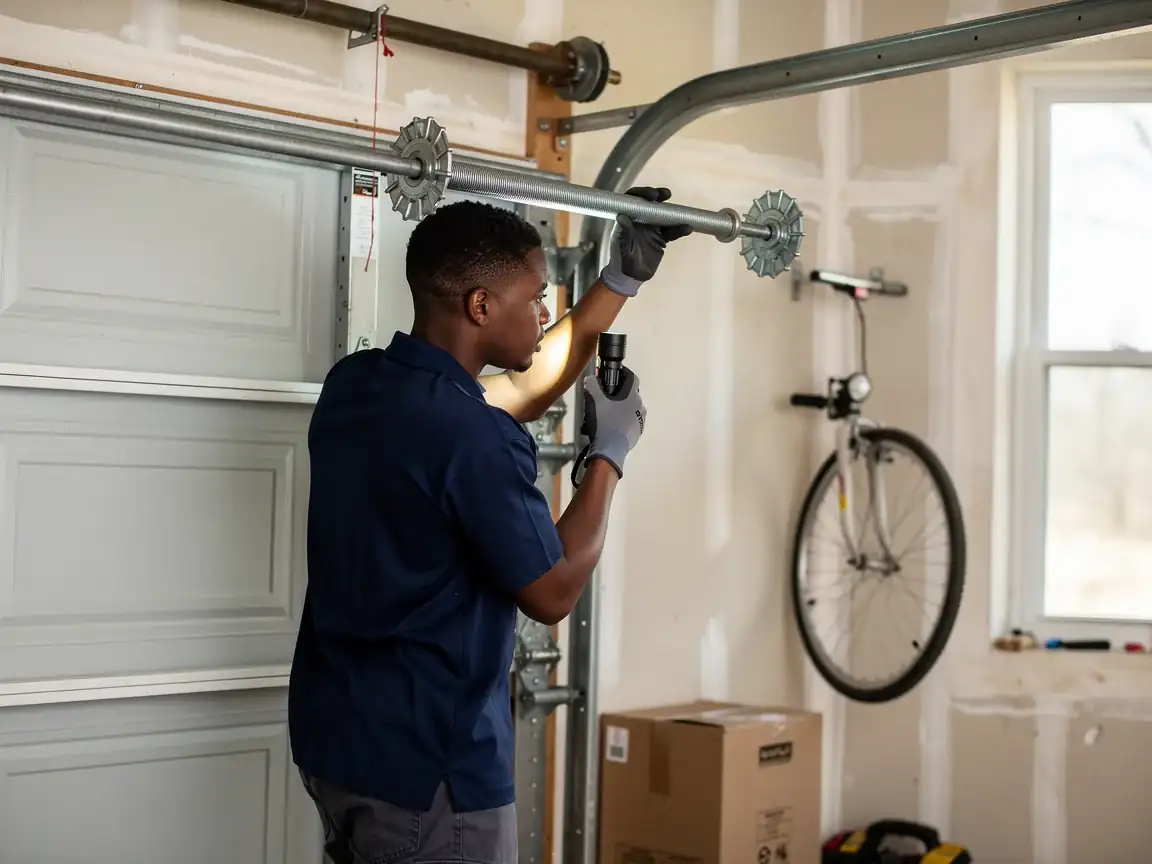
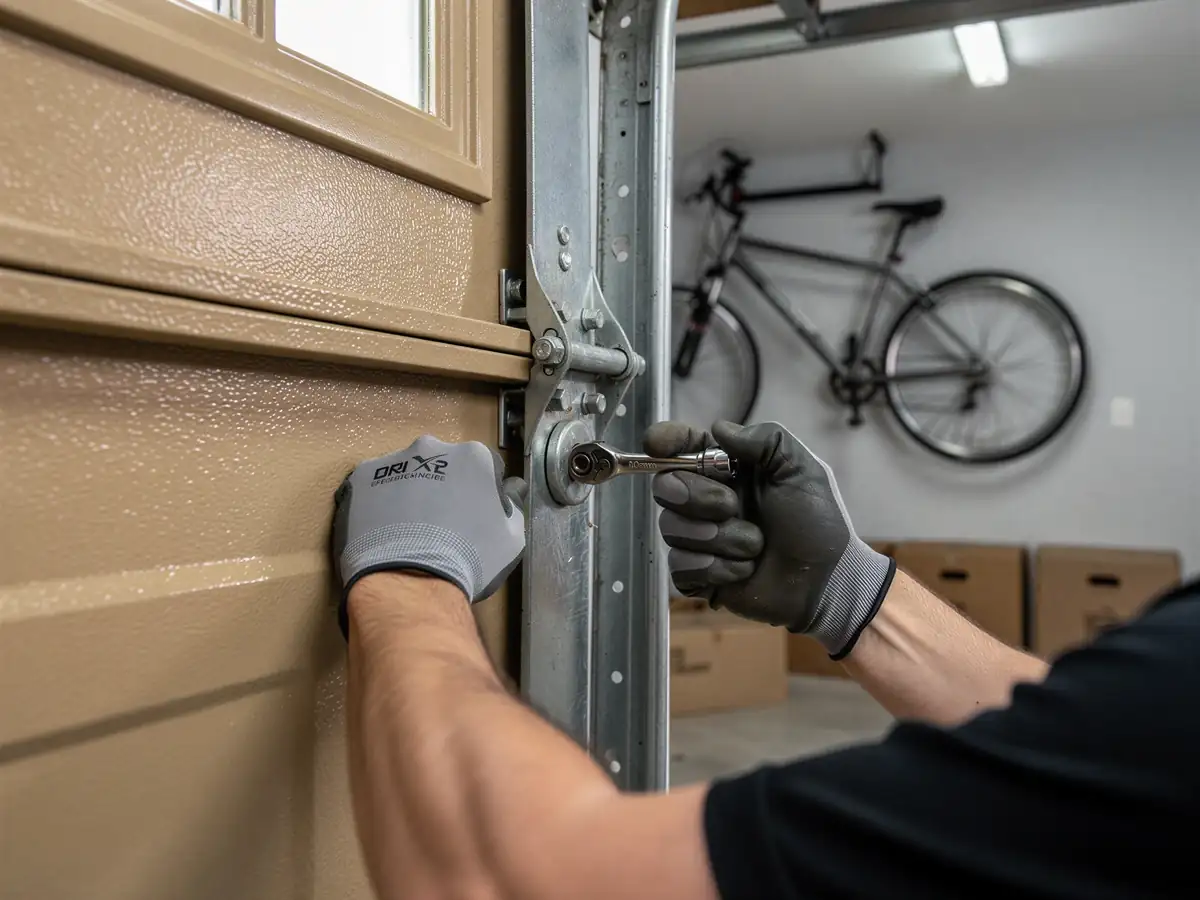
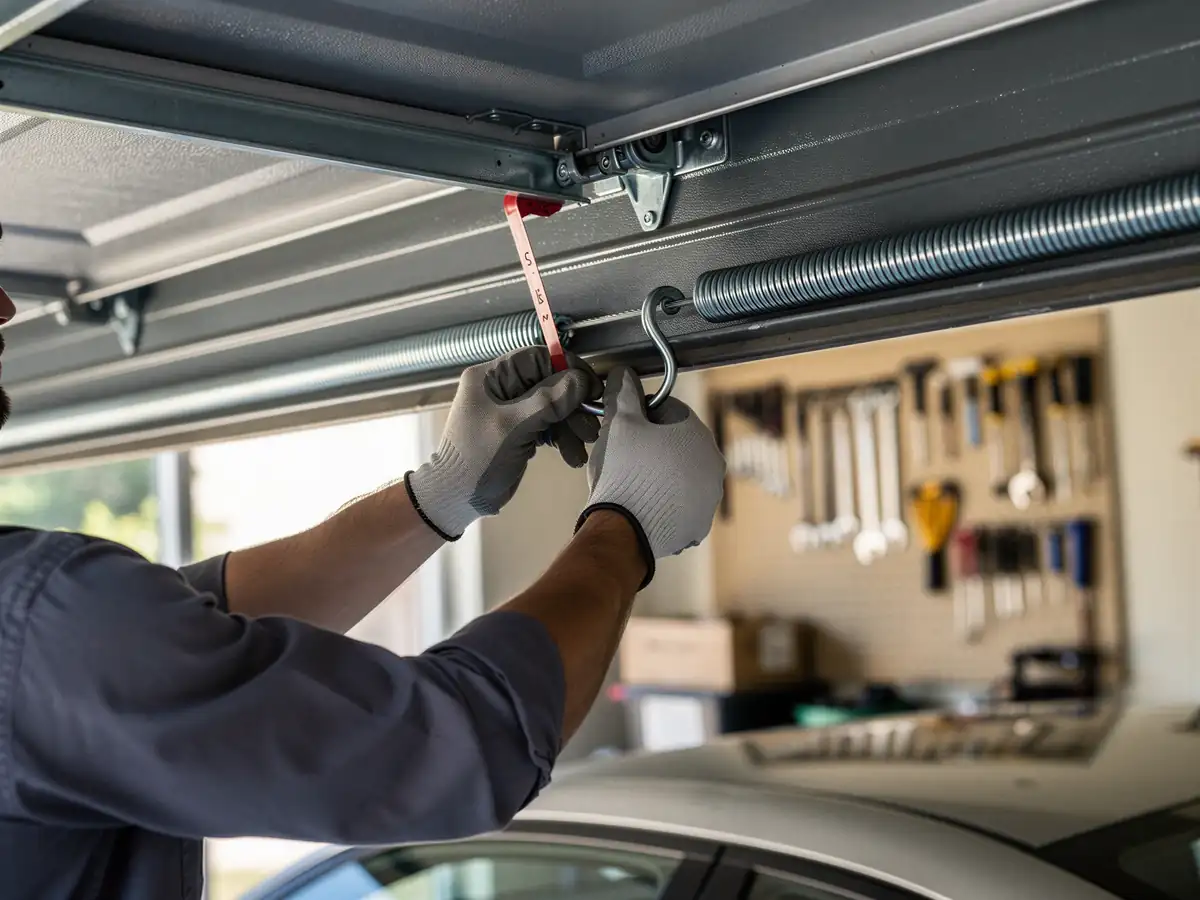
Tightening hardware, lubricating hinges and rollers, clearing track debris. What we don't recommend touching yourself is anything involving the torsion spring under tension, or a cable that's frayed and under load - that's where a fifty-year-old door's stored energy can do real damage, and it's not a place to learn on the job.
We'll also say plainly
We don't recommend sinking repair money into a door where the track is rusted through or the panels have started to separate structurally. At that point, on a house from this era, replacement usually costs less over a few years than chasing repairs on a frame that's failing. If you're not sure which side of that line your door is on, that's a judgment call worth a look in person rather than a guess over the phone.