What Causes It Around Here
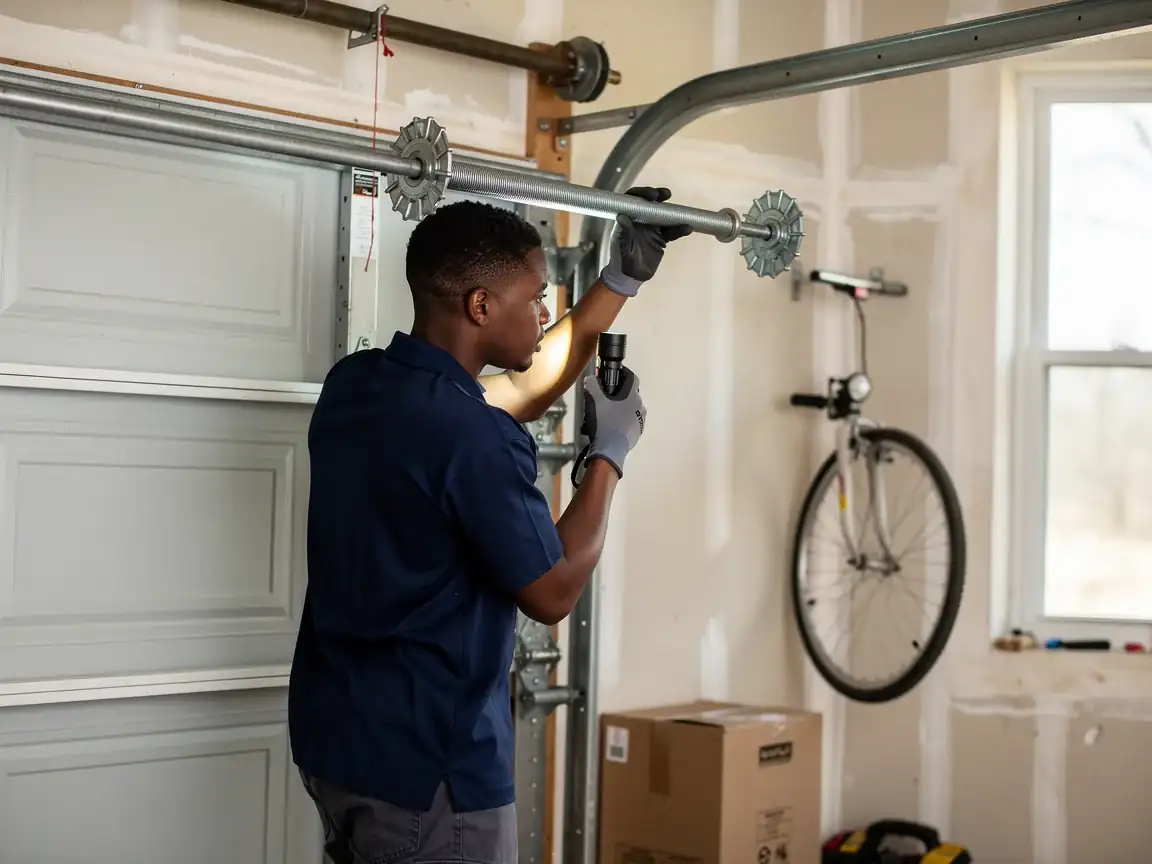
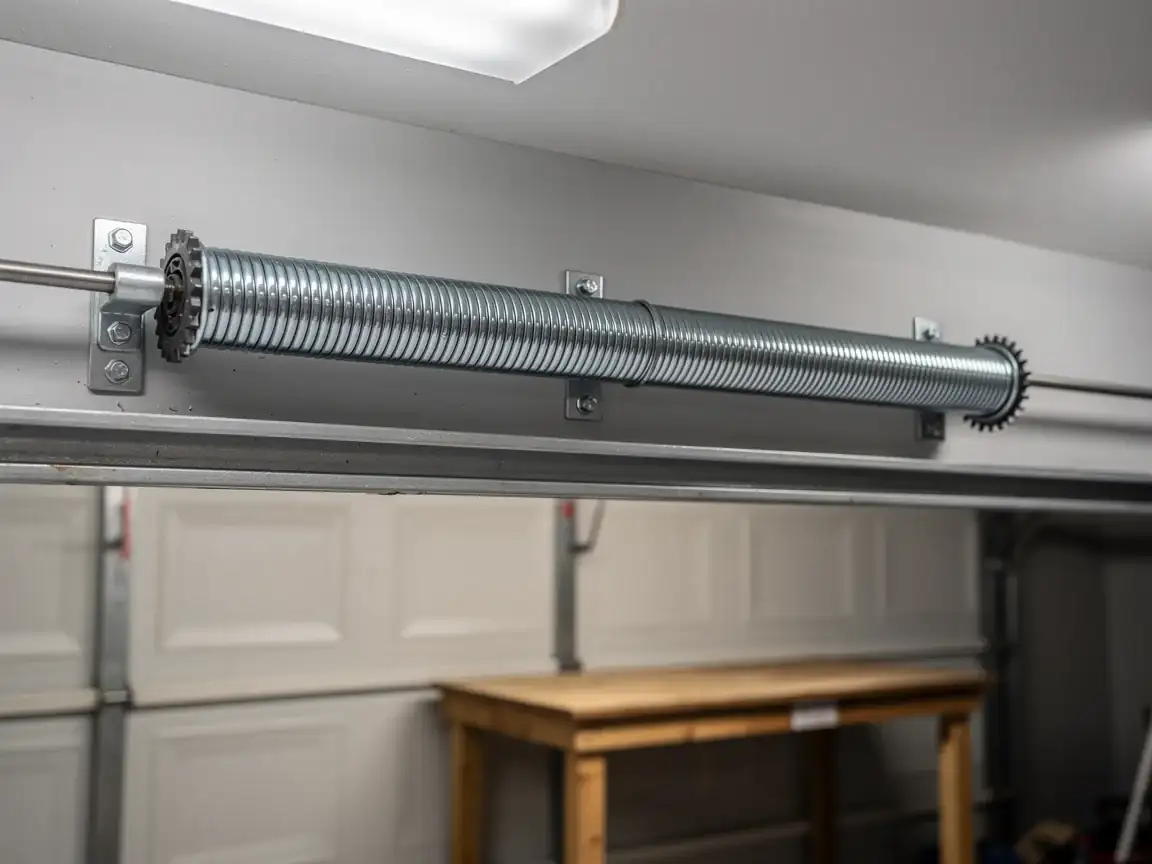
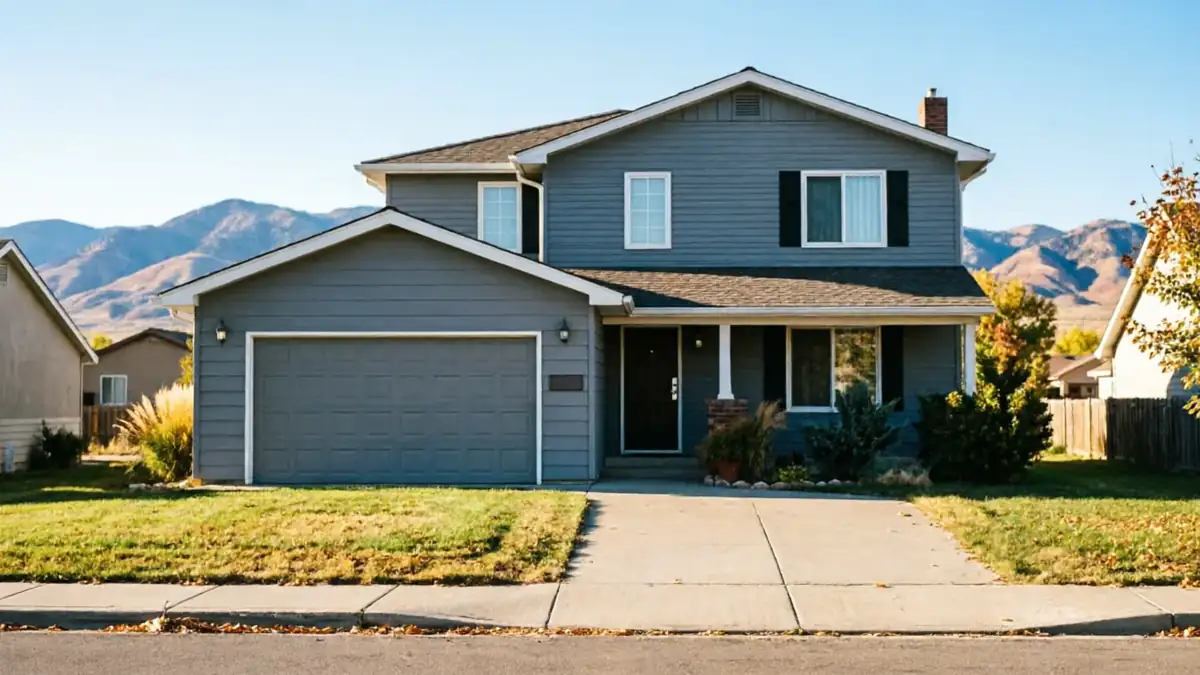
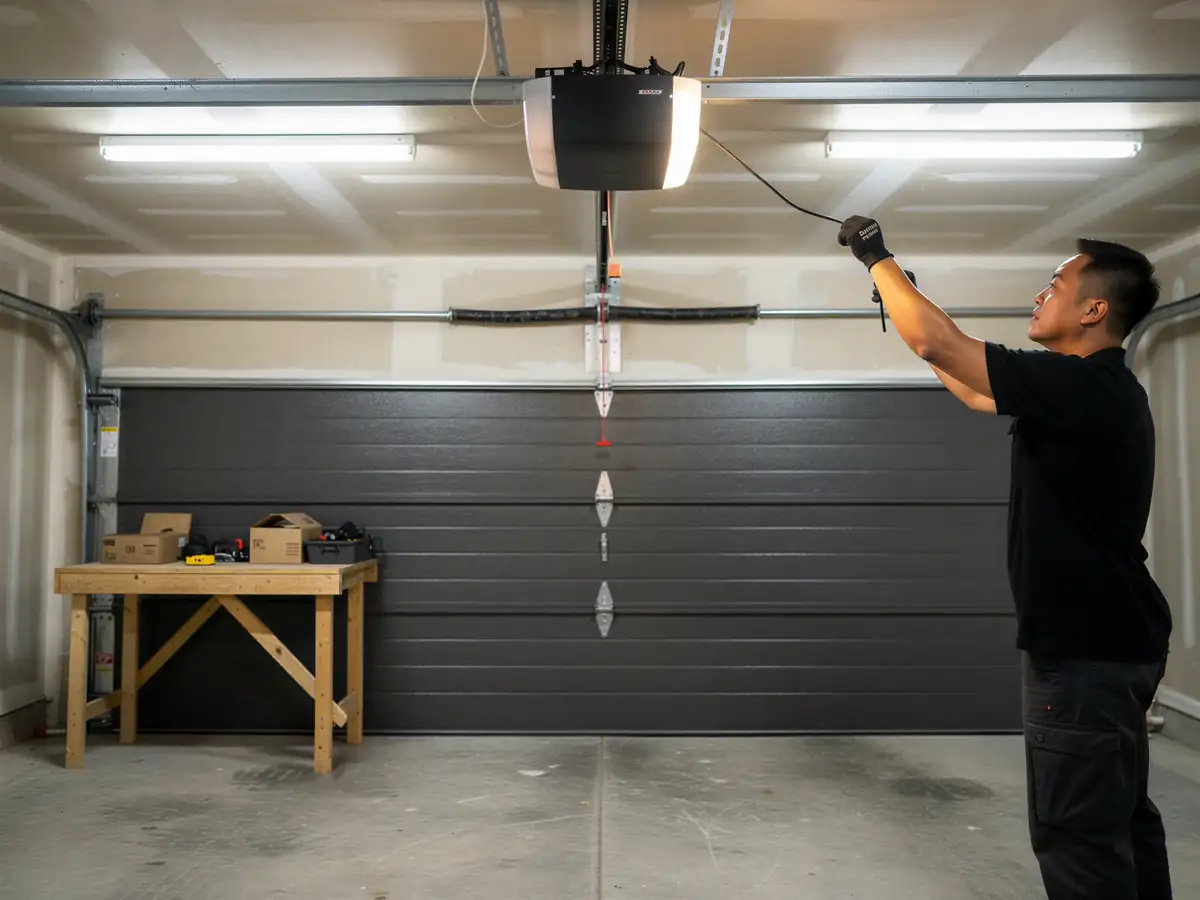
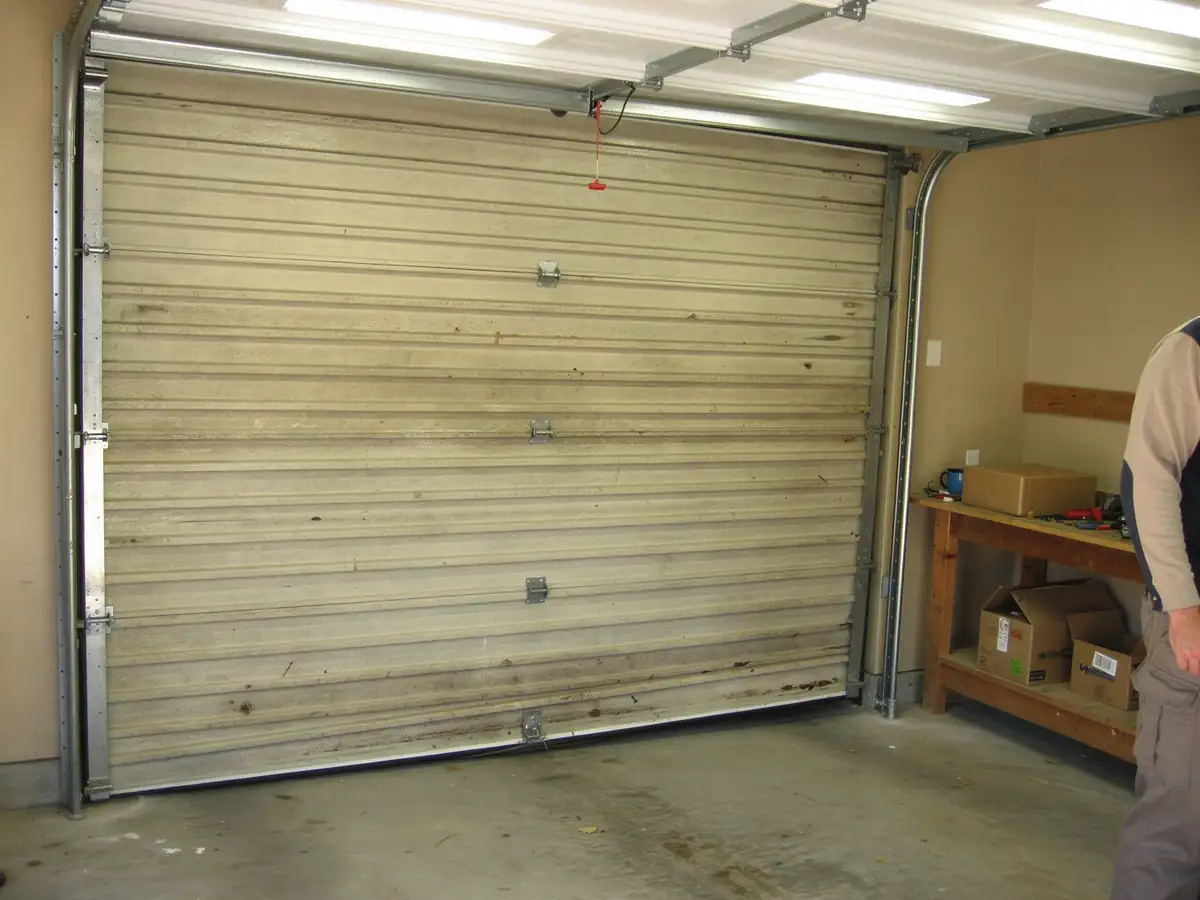
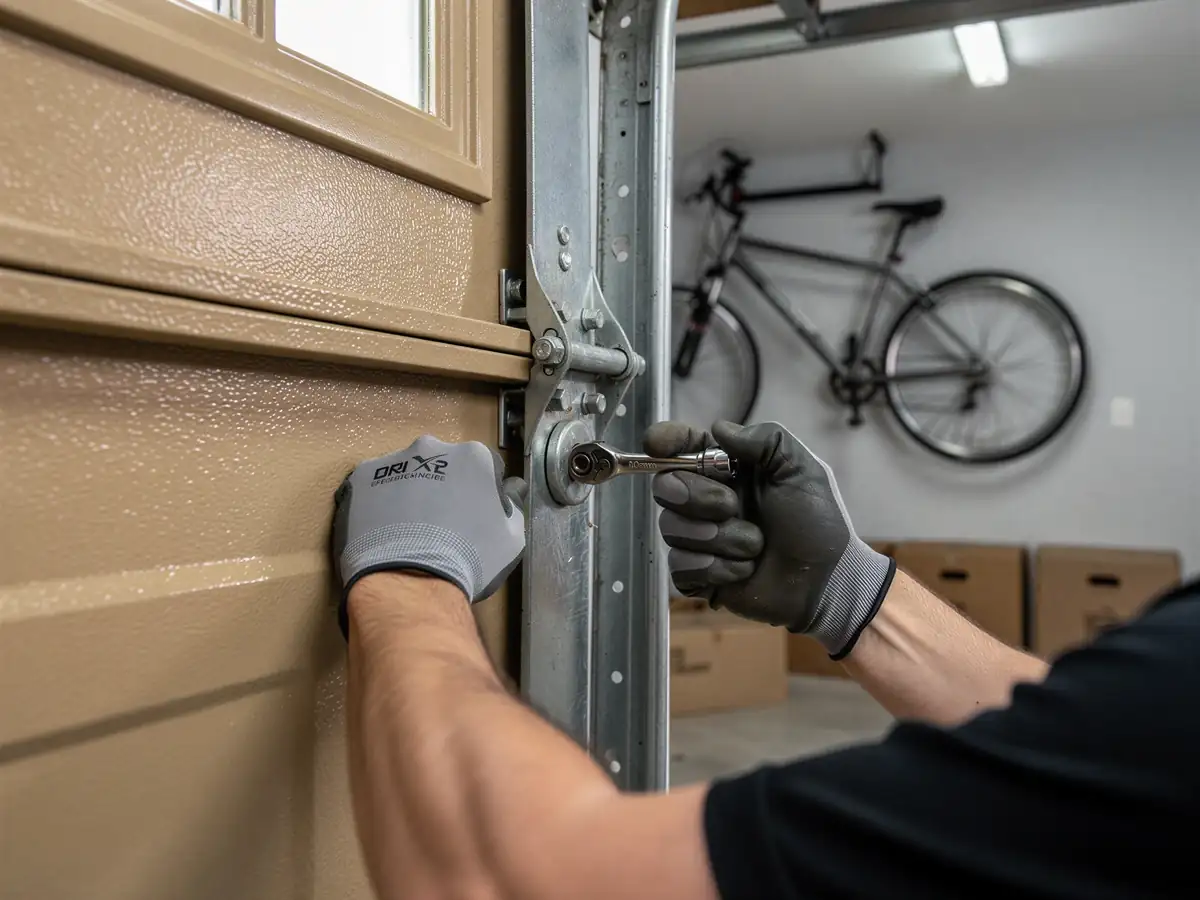
Moses Lake's housing stock is the story here: most of what we work on went up between 1958 and 1987, with the median build year sitting around 1969, spread across four distinct older neighborhoods in the service area. Doors and openers from that era were built to a different standard than what's sold today, and over fifty-plus years the torsion springs, hinges, and track brackets have taken a lot of open-close cycles without ever being replaced. Add a severe cold climate band - hard freezes that stiffen lubricant, contract metal, and make a spring under tension more likely to snap on a cold morning than a mild afternoon - and you get a predictable failure pattern. We see more spring breaks in the first cold stretch of the season than any other time of year, and it's almost always on a door old enough to still have its original hardware. Newer doors in town, built to current code and insulation standards, just don't show up on our call list nearly as often.
Parts We Carry
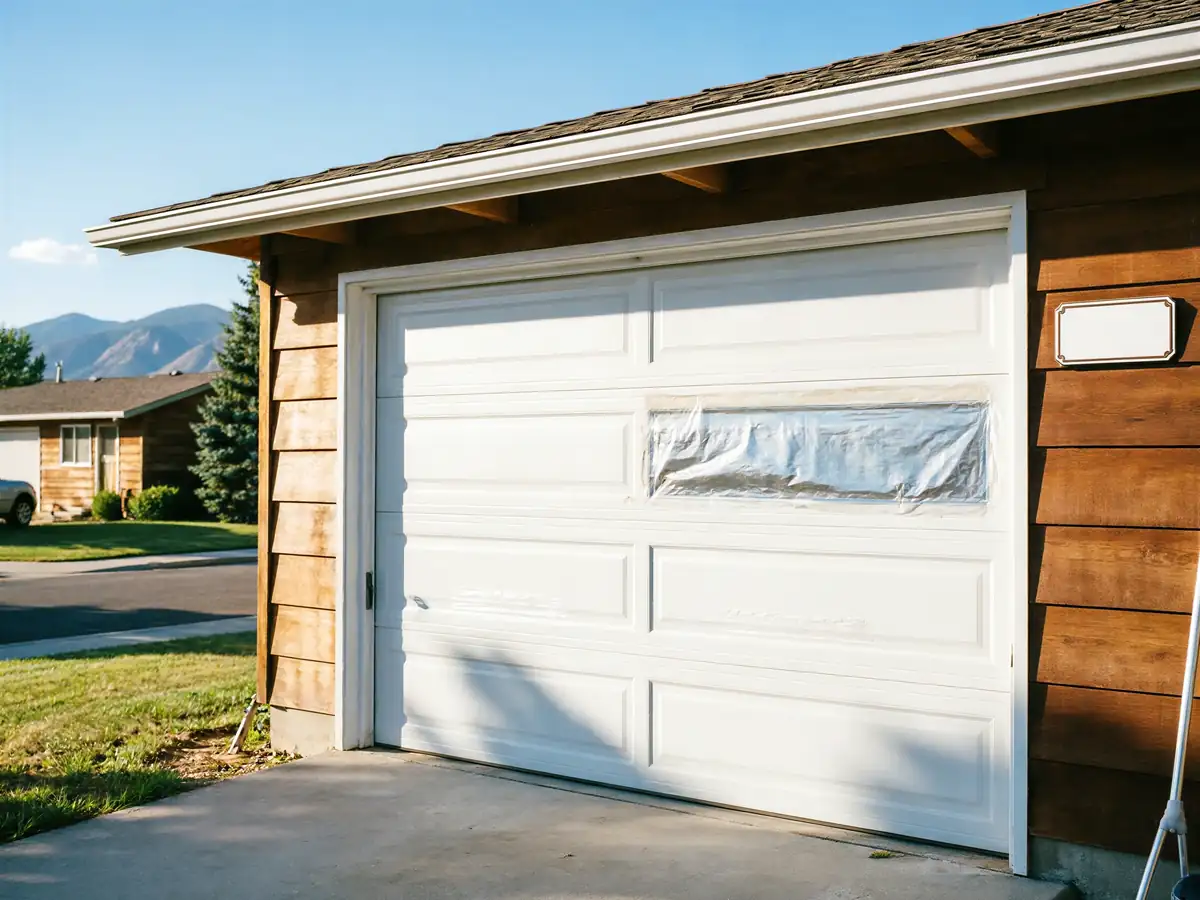
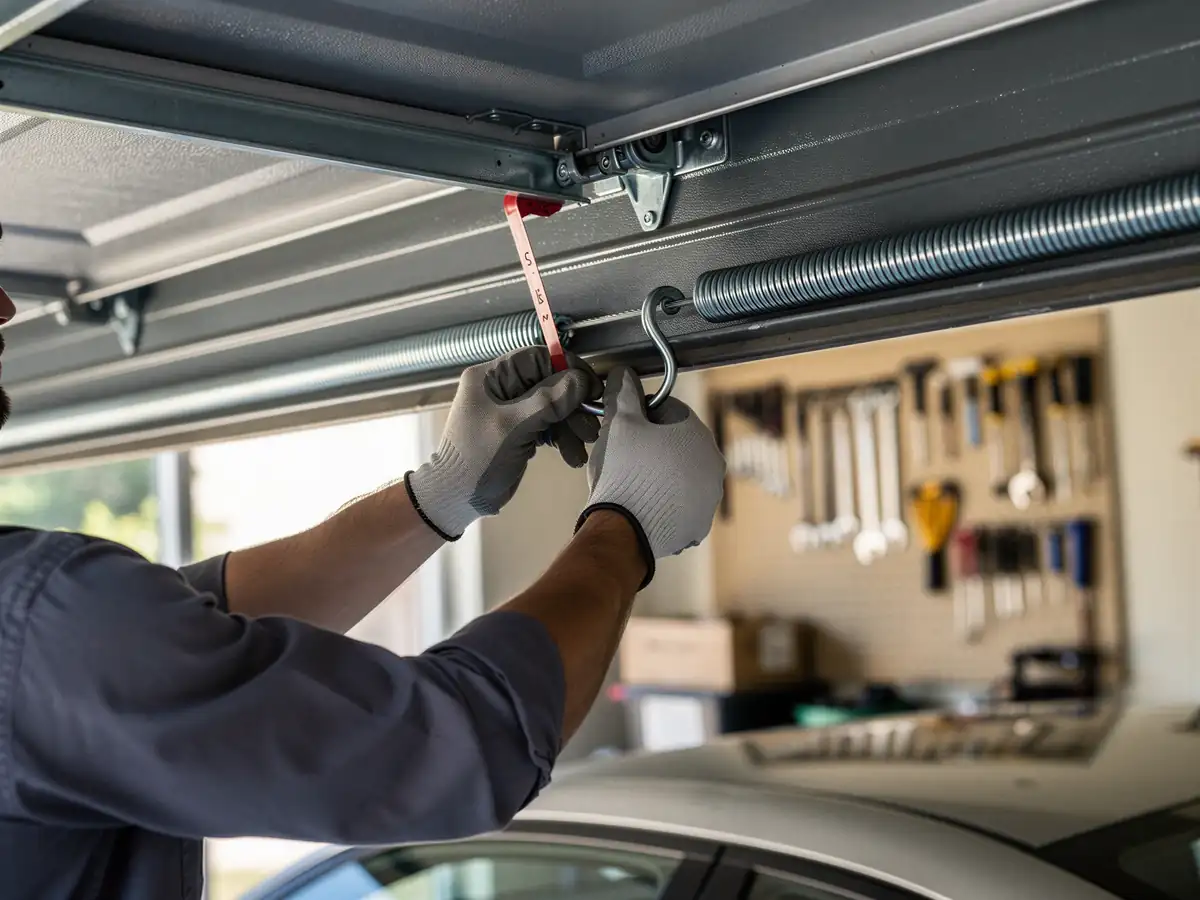
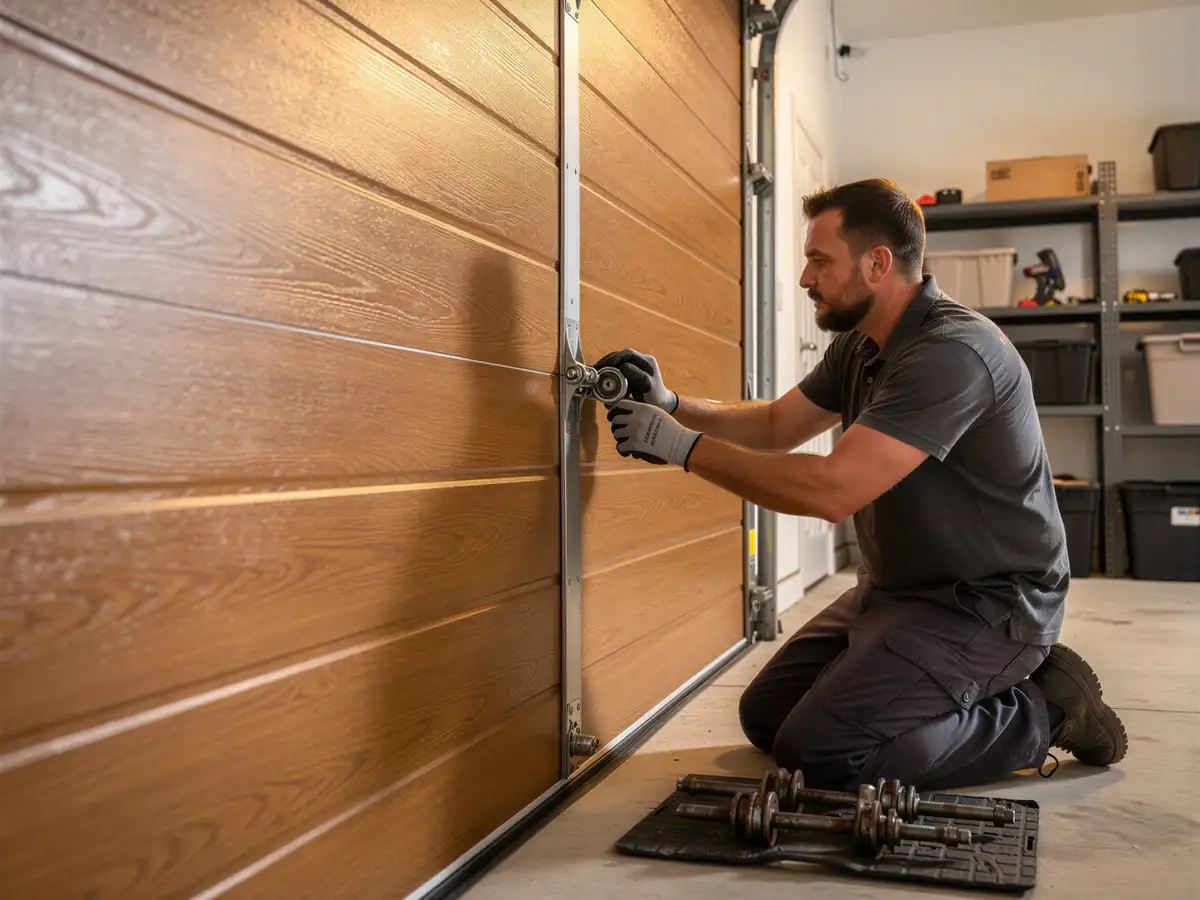
Because so much of Moses Lake's housing dates to the 1960s and 70s, we stock torsion springs sized for the older low-headroom tracks that were standard then, not just the wider modern sizes. That includes standard-lift cables, galvanized rollers in both nylon and steel, and the heavier-gauge hinges those original doors used. We also carry weatherstripping and bottom astragal rated for a cold climate, since the thin seals that shipped on a lot of these doors decades ago don't hold up to repeated freeze-thaw. One limitation worth saying plainly: if your door uses a discontinued panel profile from that era, we can usually match the hardware but not always the exact panel - in that case we'll tell you straight whether a patch job is worth it or whether you're better off replacing just that section.