What You Are Seeing
Most calls start the same way
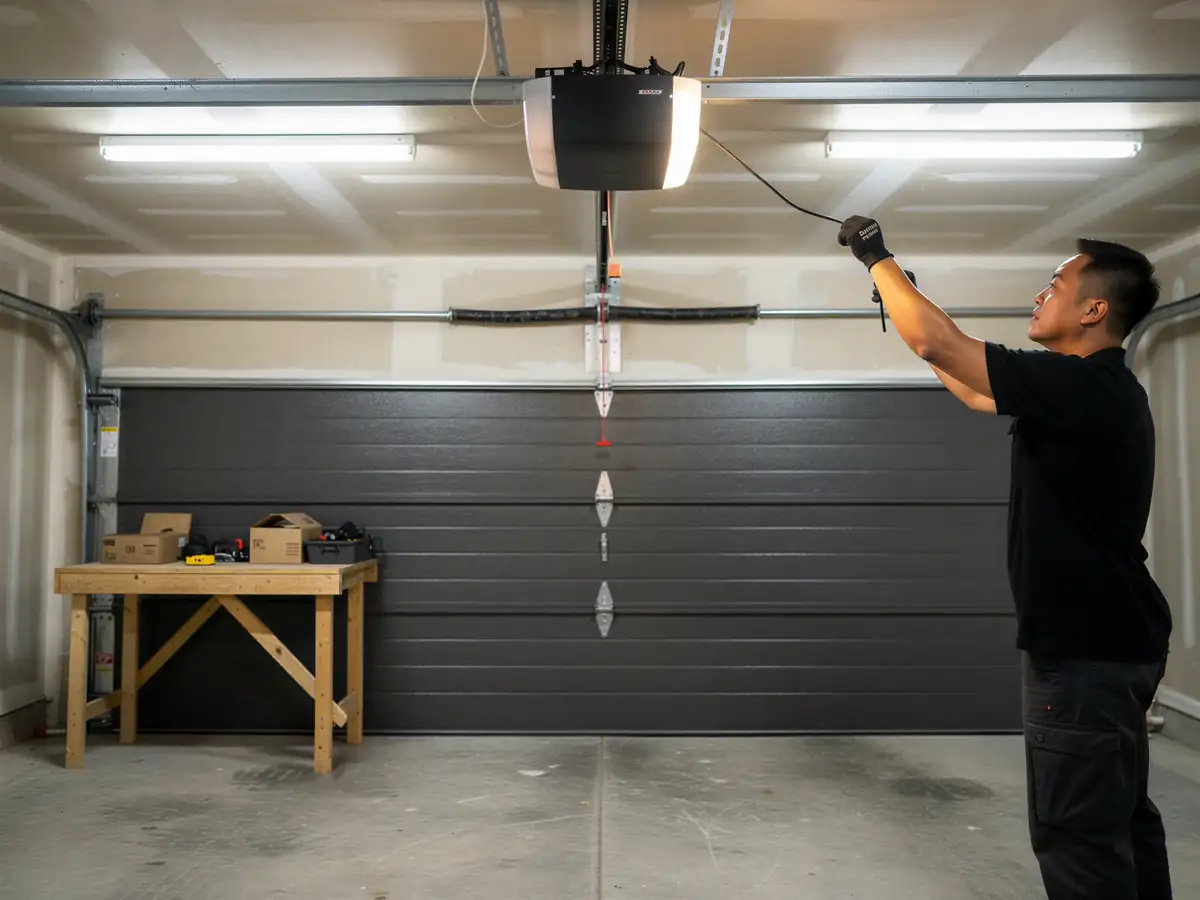
The opener motor runs, the light comes on, and the door either doesn't move or stops halfway and reverses on its own. Sometimes it's a grinding sound from the chain instead of a smooth pull, or a wall button that does nothing while the remote still works. On older units you'll hear the motor straining before anything gives - a sign the gear set is already going.
A lot of this traces back to the house itself
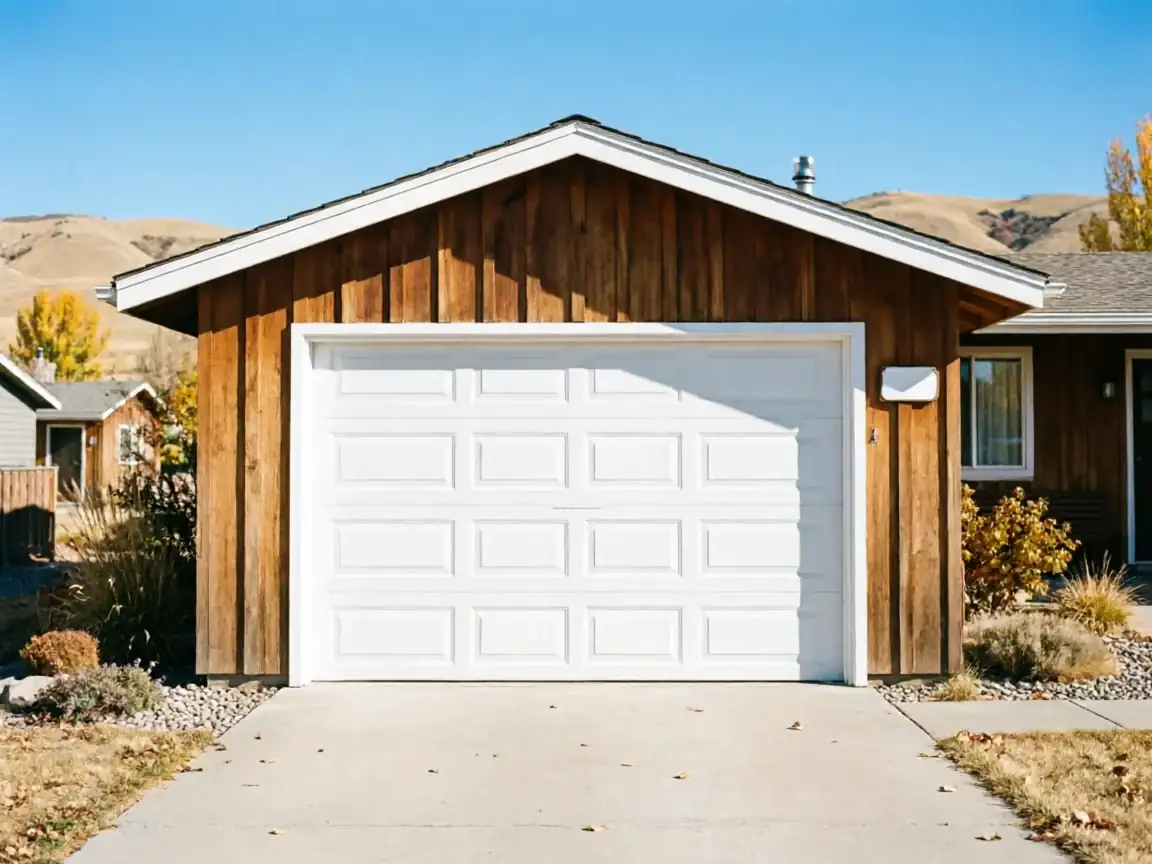
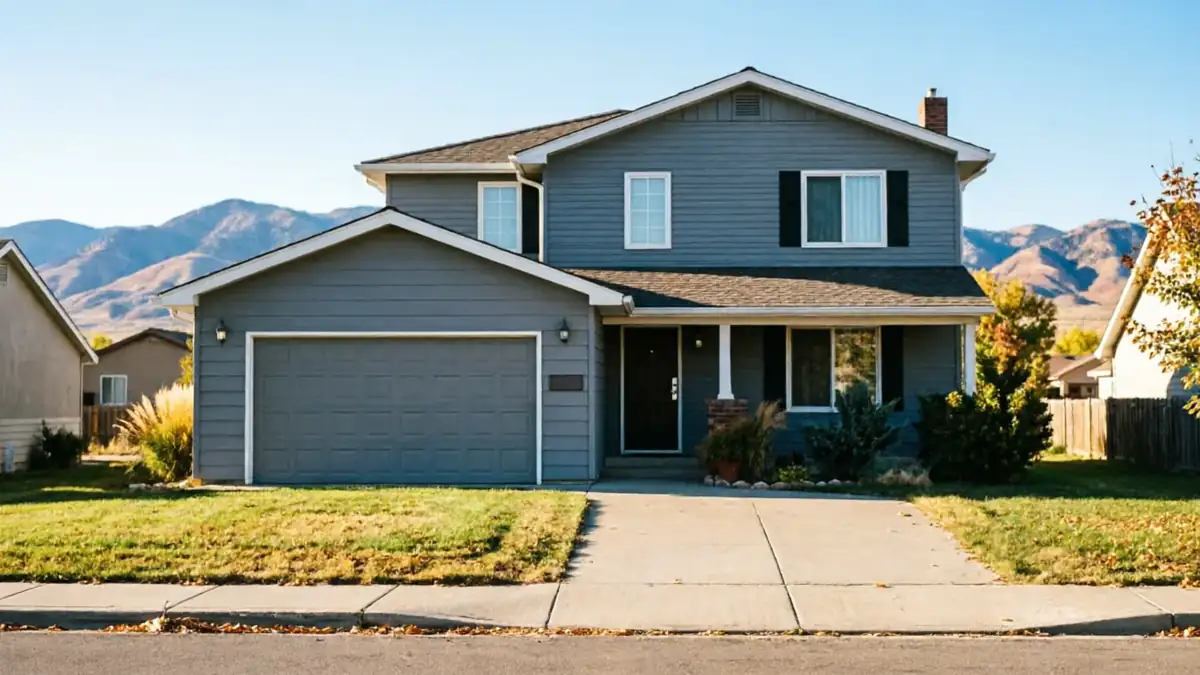
Across our service area, homes were built between 1958 and 1987, with most of that stock dating to the 1960s and 70s. That means a sizable share of these openers aren't the original unit - they're the second or even third replacement, often installed to match whatever hardware was already there rather than sized correctly for the door hanging on it. A 1/3 horsepower chain-drive from a prior remodel struggling against a heavier insulated door you added later is one of the more common mismatches we find once we're standing in the garage with the cover off.
If your opener is tripping the breaker
Or the door drops the last foot on its own, that's not a lubrication problem - that's a motor or gear issue worth looking at before it fails completely.
What Causes It Around Here
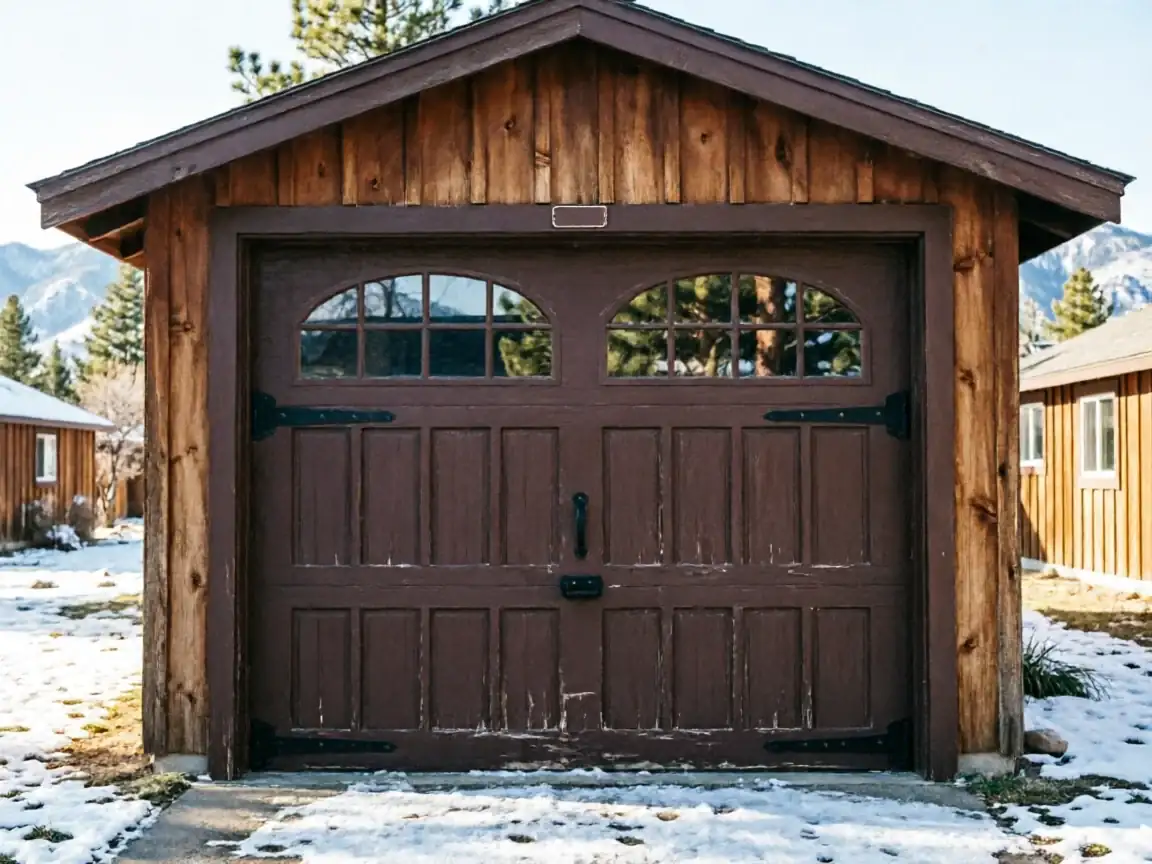
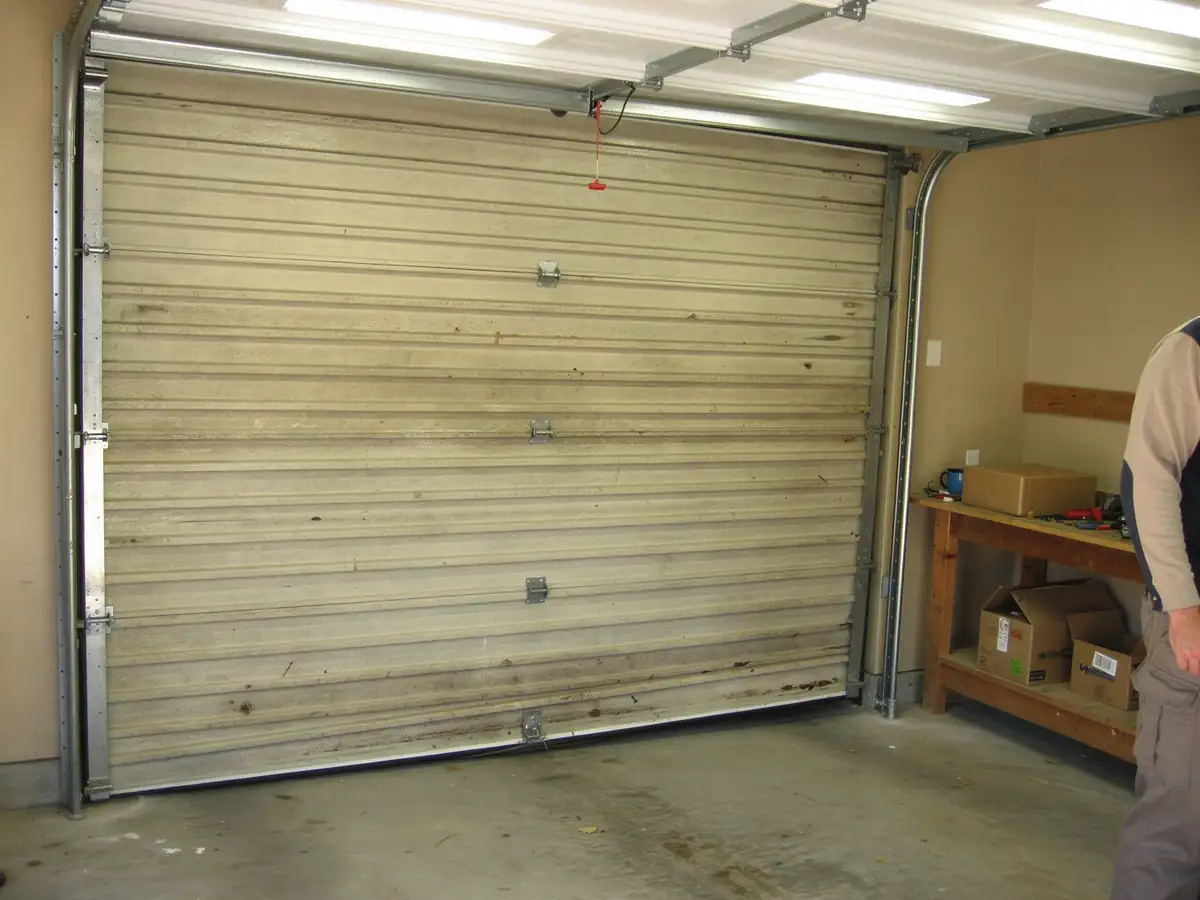
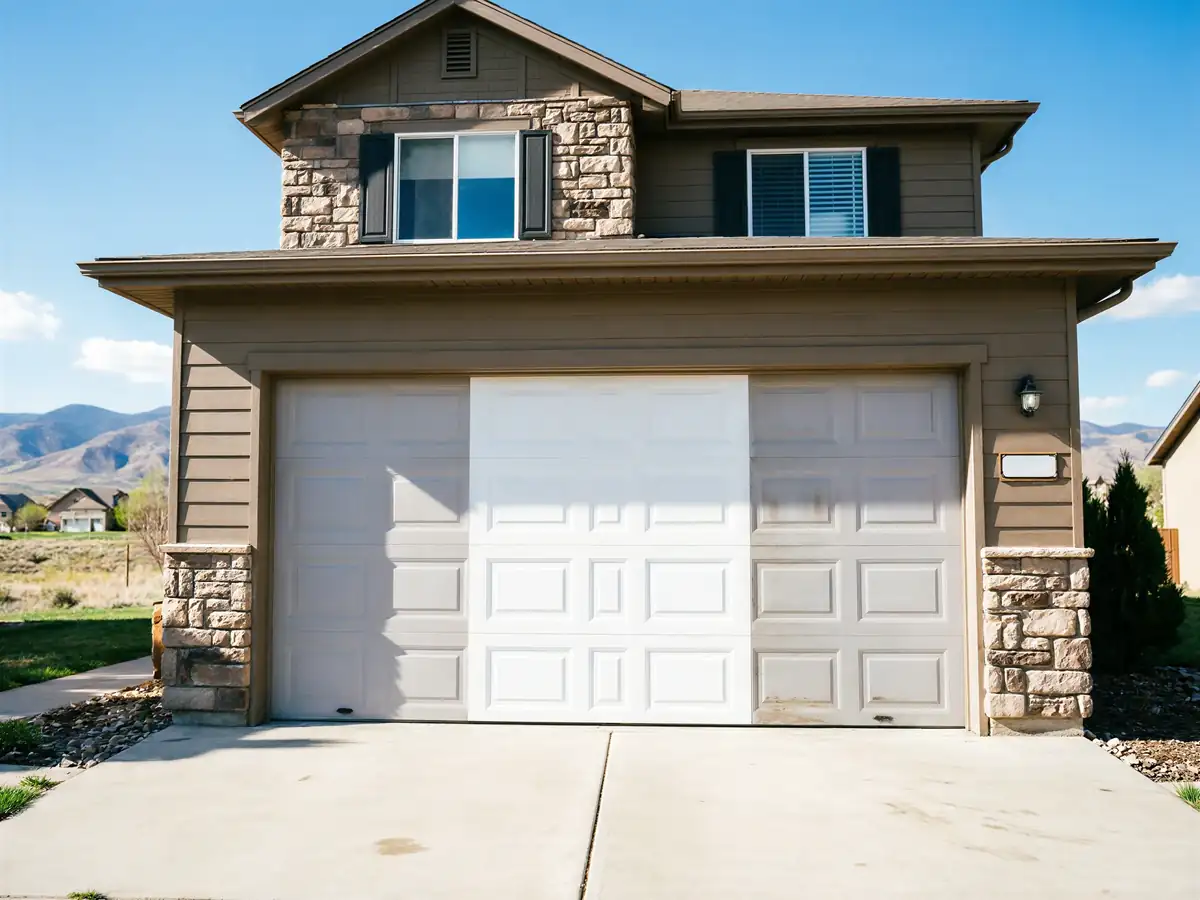
Two things stack on top of each other in this part of the state: old hardware and real cold. The service area's housing runs 1958 to 1987, and the four named neighborhoods we work in are mostly 1960s and 70s builds. Garage doors from that era, especially steel panel doors that were later upgraded for insulation, are heavier than what a period-correct 1/3 HP opener was ever built to lift. Add a chain-drive unit that's now thirty-plus years old itself, and you've got a motor working past its rated load every time it opens.
Then there's the climate. This area sits in a severe cold band, and that matters more for openers than most people think. Chain and screw-drive lubricant thickens in sustained cold, gear teeth contract slightly, and a motor that was already borderline on torque has to fight stiffer hardware on top of a heavier door. That's usually when owners hear the motor hum without the door moving, or notice the opener taking a full extra second before the chain engages.
None of this is unique to one street or one house - it's a pattern tied directly to when this area was built and what winter does to hardware that old.
Parts We Carry
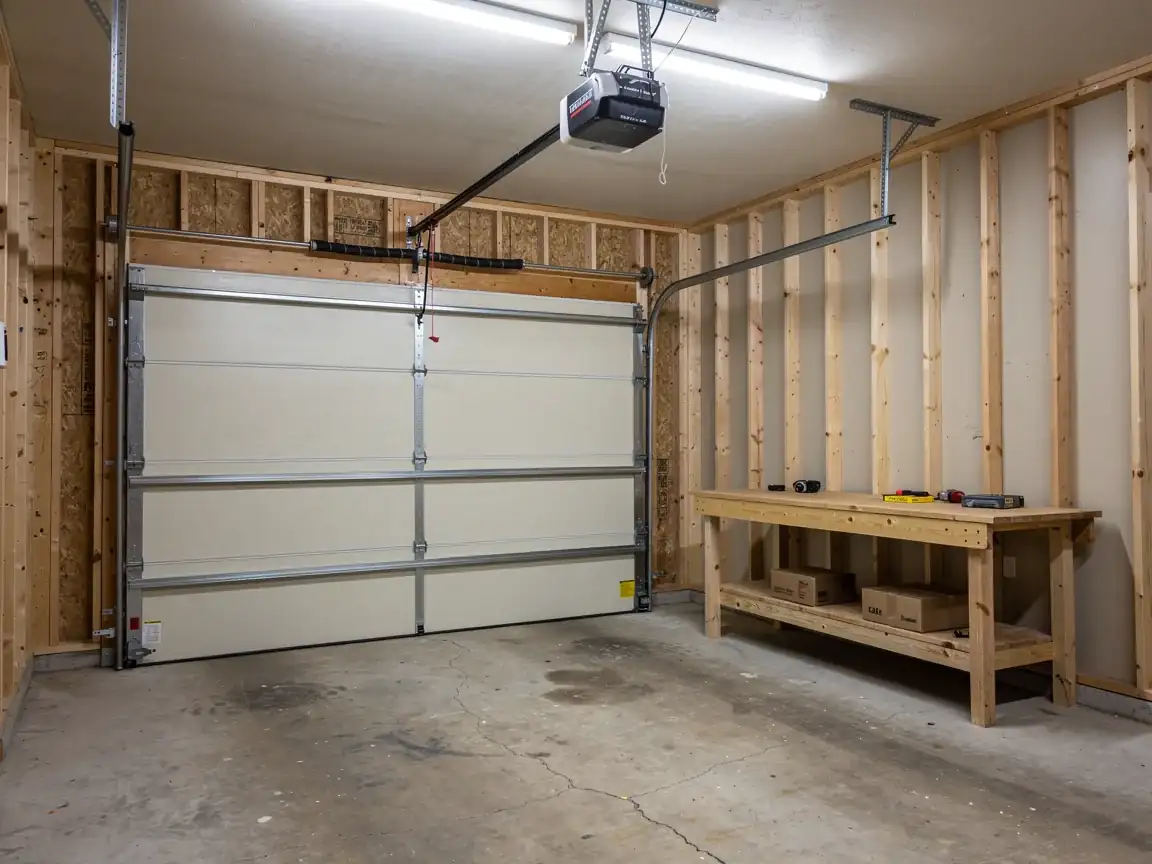
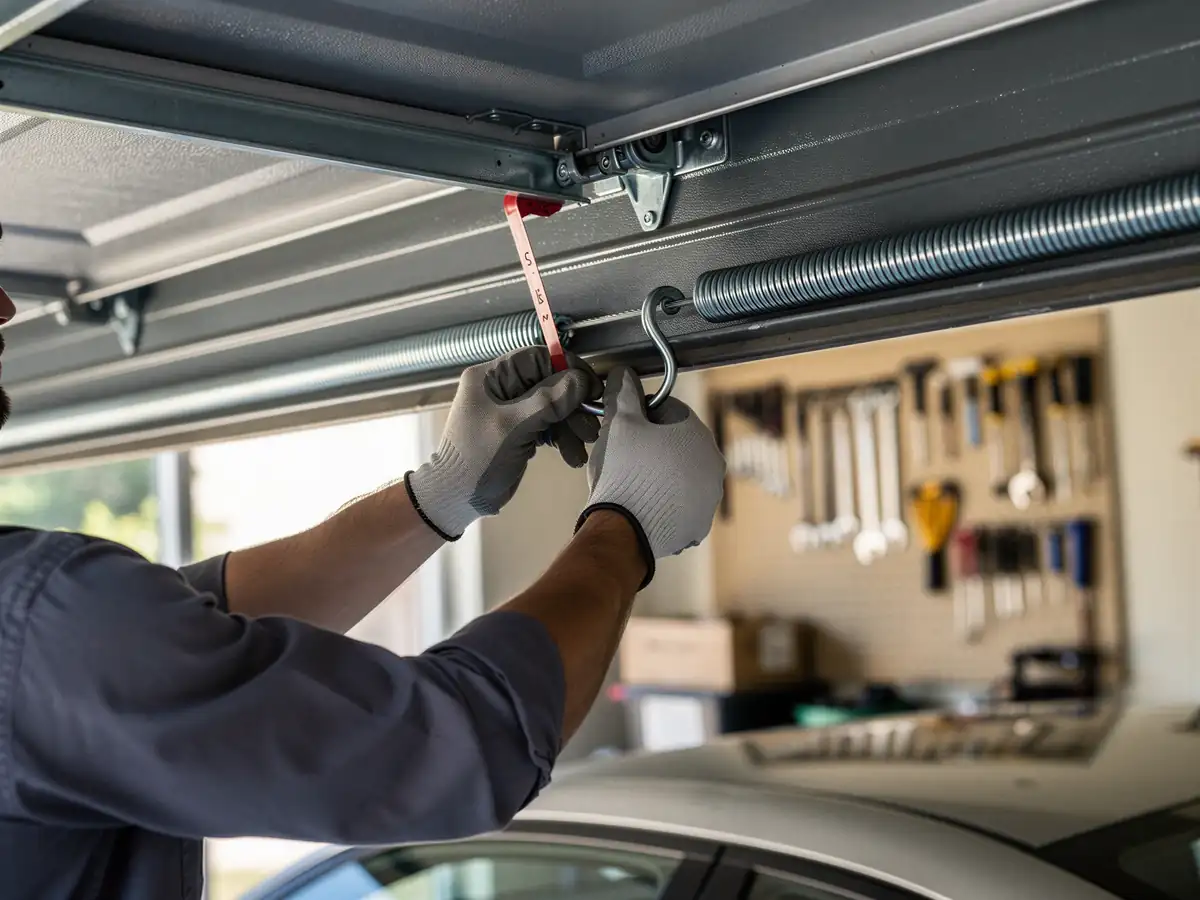
We stock both chain-drive and belt-drive openers, in the horsepower ranges that actually match what's hanging in garages built during this area's main construction era - 1/2 HP and 3/4 HP units, not the undersized 1/3 HP motors that came standard decades ago. For houses with a heavier original steel door or a later insulated retrofit, we carry the heavier-duty gear sets and reinforced rail kits rather than running a light-duty motor against a door it was never rated for.
We also keep battery backup units in stock, along with standard wall control stations and safety sensor pairs - the photo-eye sensors that sit a few inches off the floor on each side of the track. If your opener predates those sensors, that's a separate conversation from a simple swap, since code requires them on new installs.
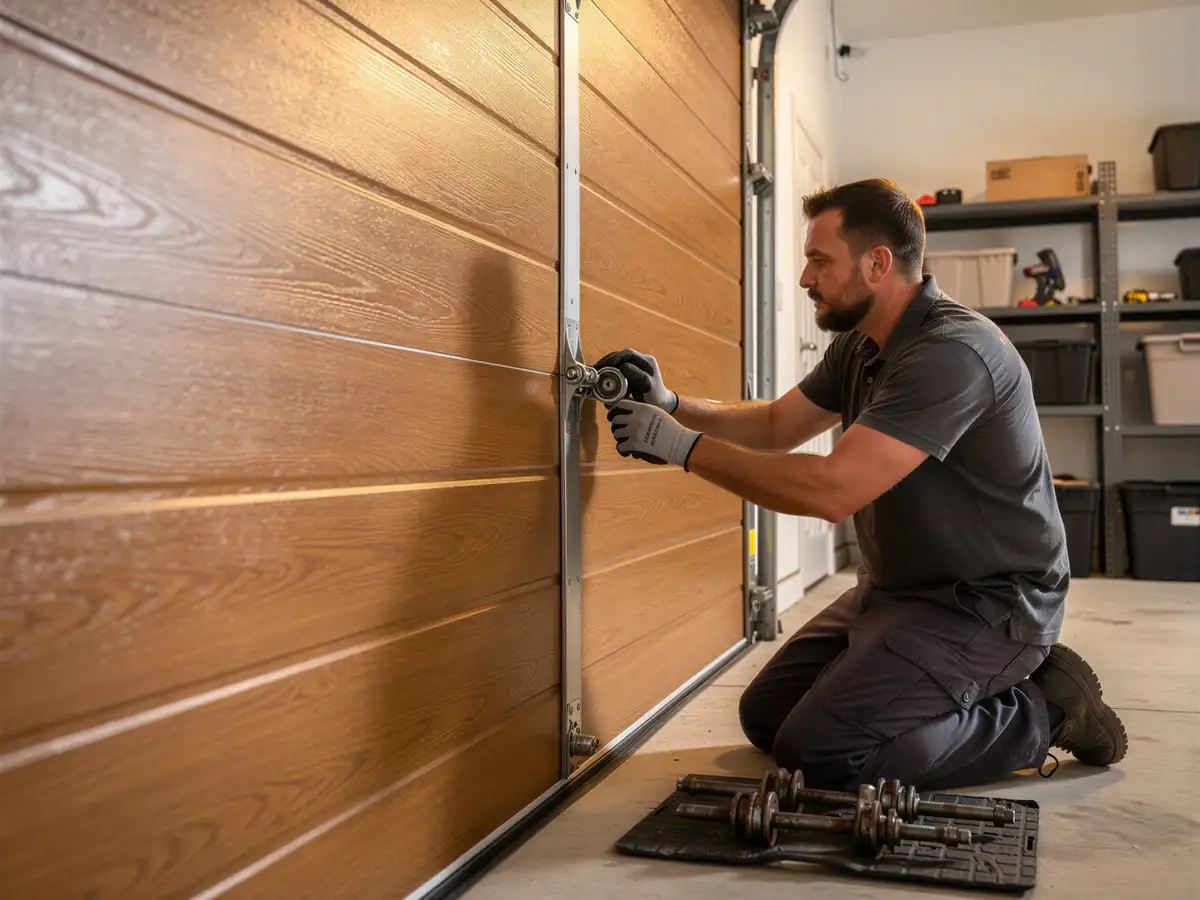
One limitation worth saying plainly: we don't stock every proprietary rail or bracket from every manufacturer that's ever sold an opener in this area, and a header that was built or reinforced for a lighter door sometimes needs carpentry work before a heavier-duty motor can go in. We'll tell you up front if that's the case rather than forcing a part that doesn't fit.
What You Pay
We don't have a flat number to post here
Because what you pay depends on the door you've got, the opener you're replacing, and whether the header needs any reinforcing - all things we can't see over the phone. A straight swap of a working chain-drive for a similar unit on a lightweight door is a different job than upgrading an old 1/3 HP motor to handle a heavier insulated door, with a stiffer rail and a stronger header bracket to match.
With a median household income of $56,084 across this service area
Most owners we talk to want a straight answer before we show up, not an upsell once we're in the garage. We'll look at the door, the track, and the existing wiring, then give you a number before any work starts - not after.
- $56,084 median household income
One honest limitation
If your garage door itself is original to a 1958-1987 build and worn out - bent track, cracked panels, dead springs - a new opener bolted to an old failing door is money spent in the wrong place. We'll say so instead of selling you a motor for a door that needs replacing first.