What Causes It Around Here
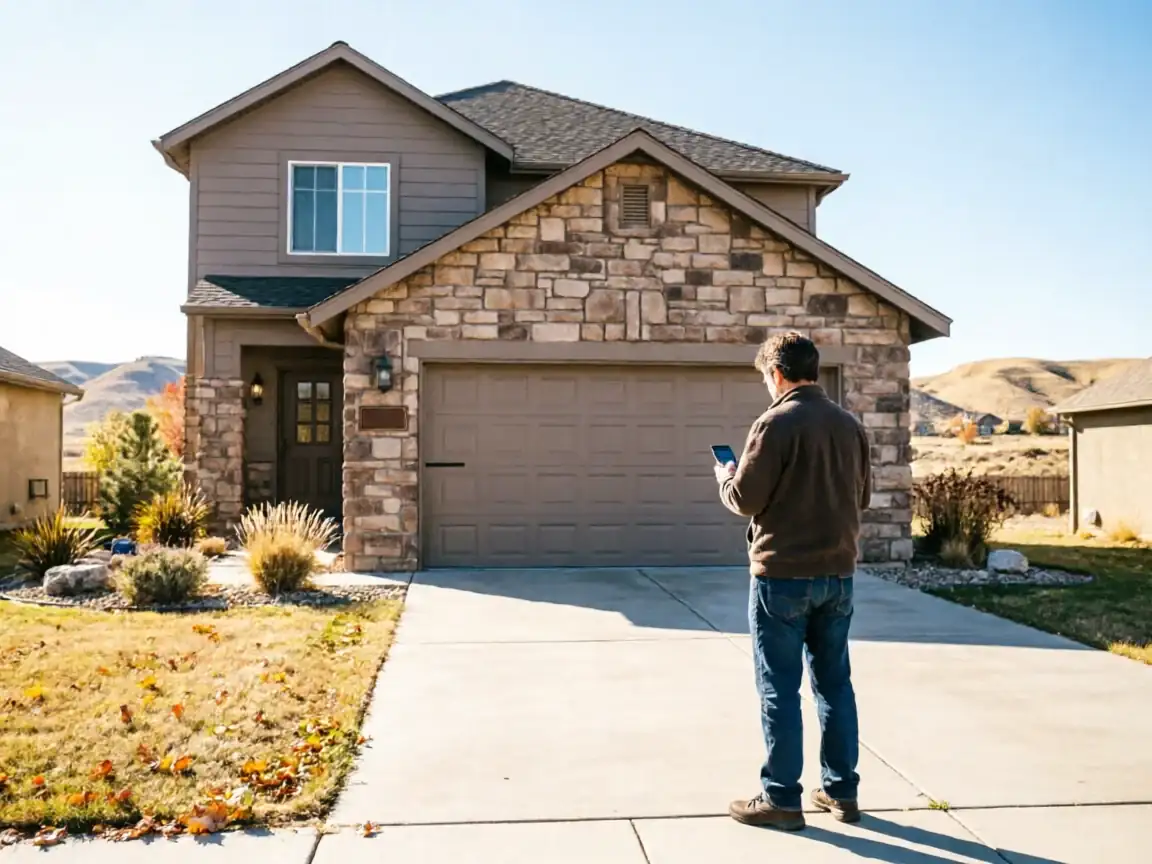
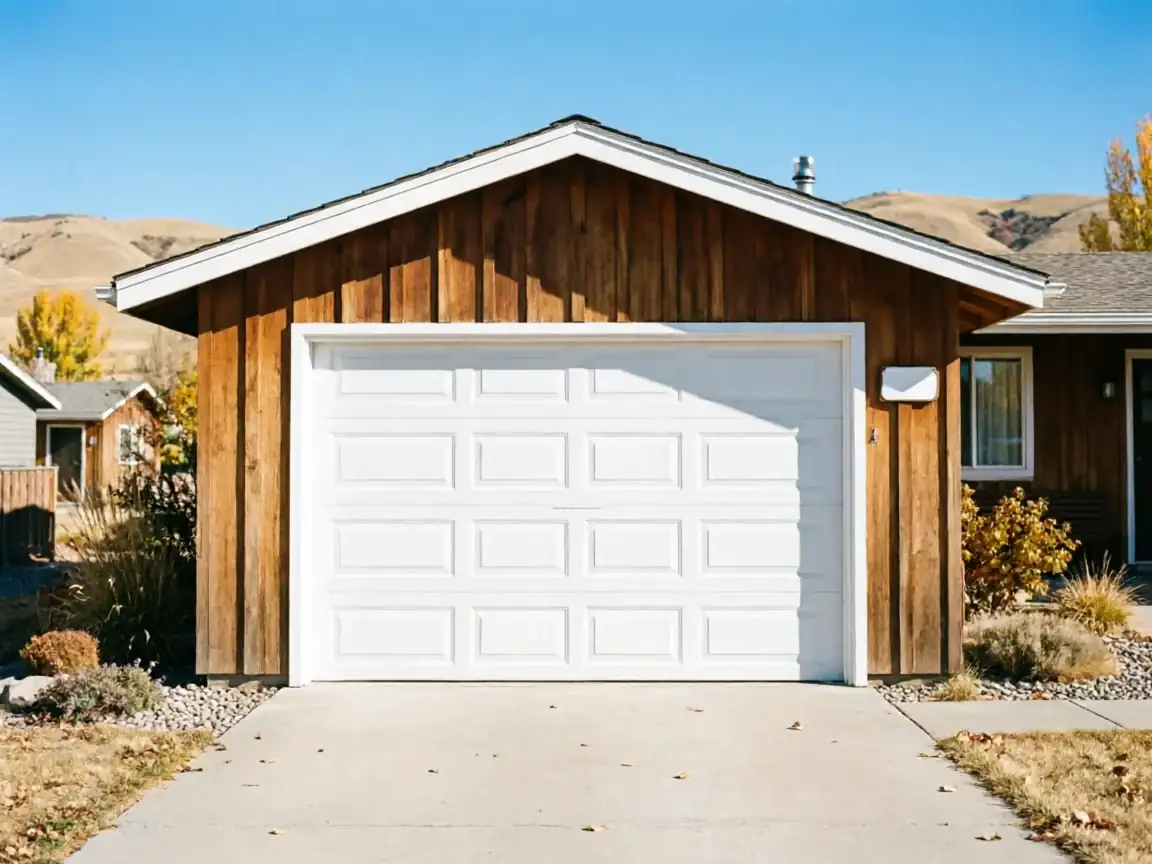
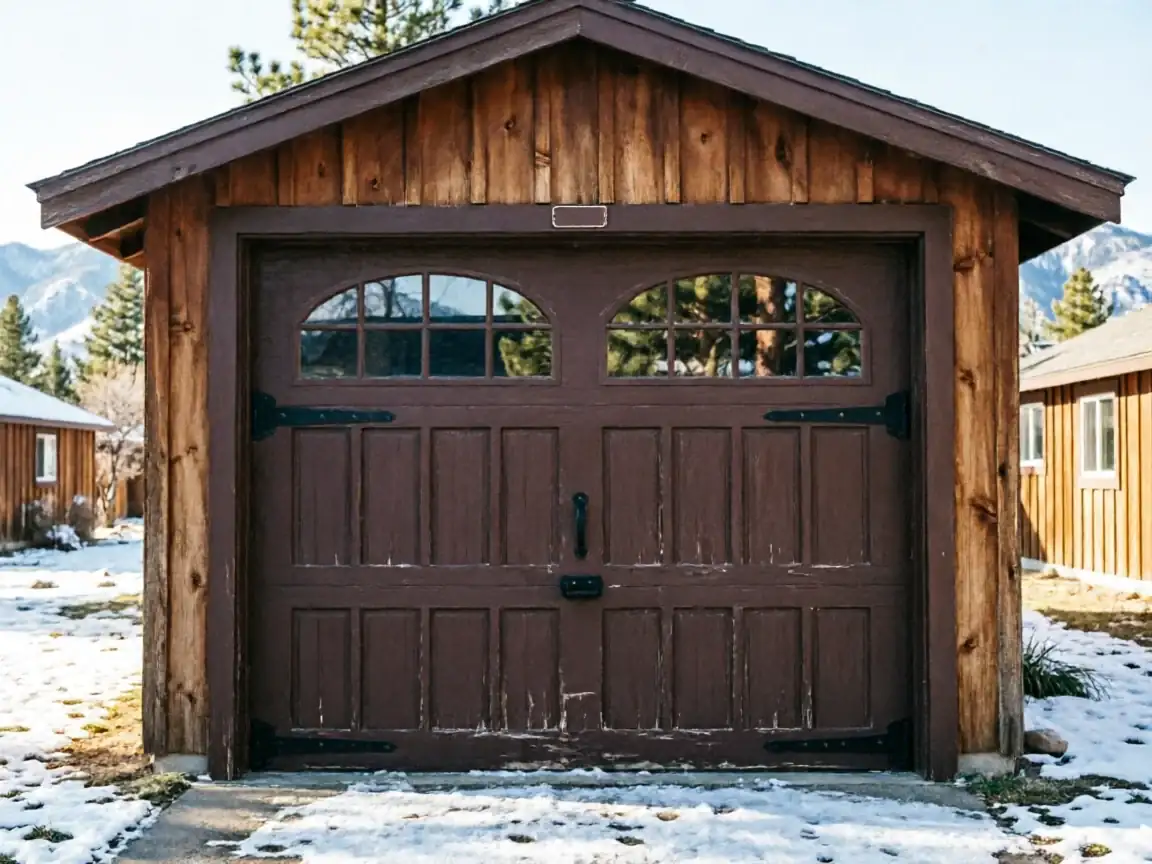
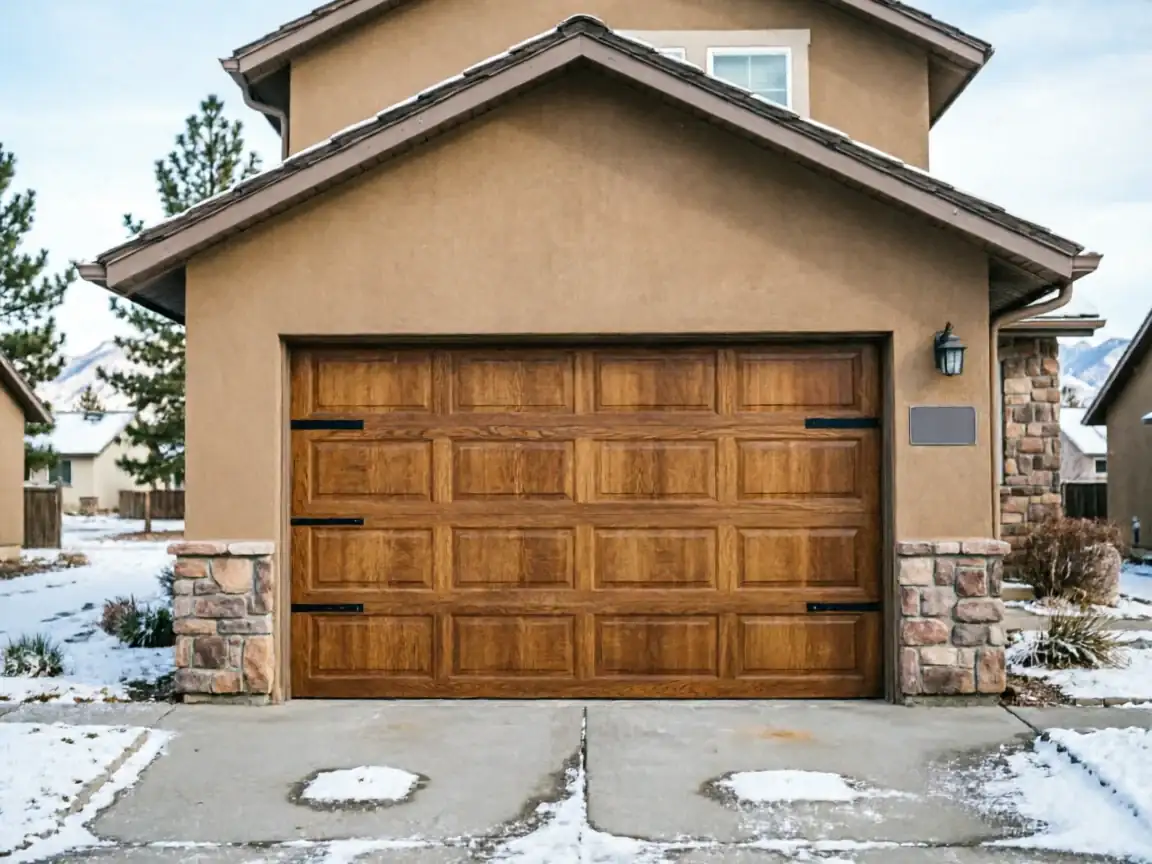
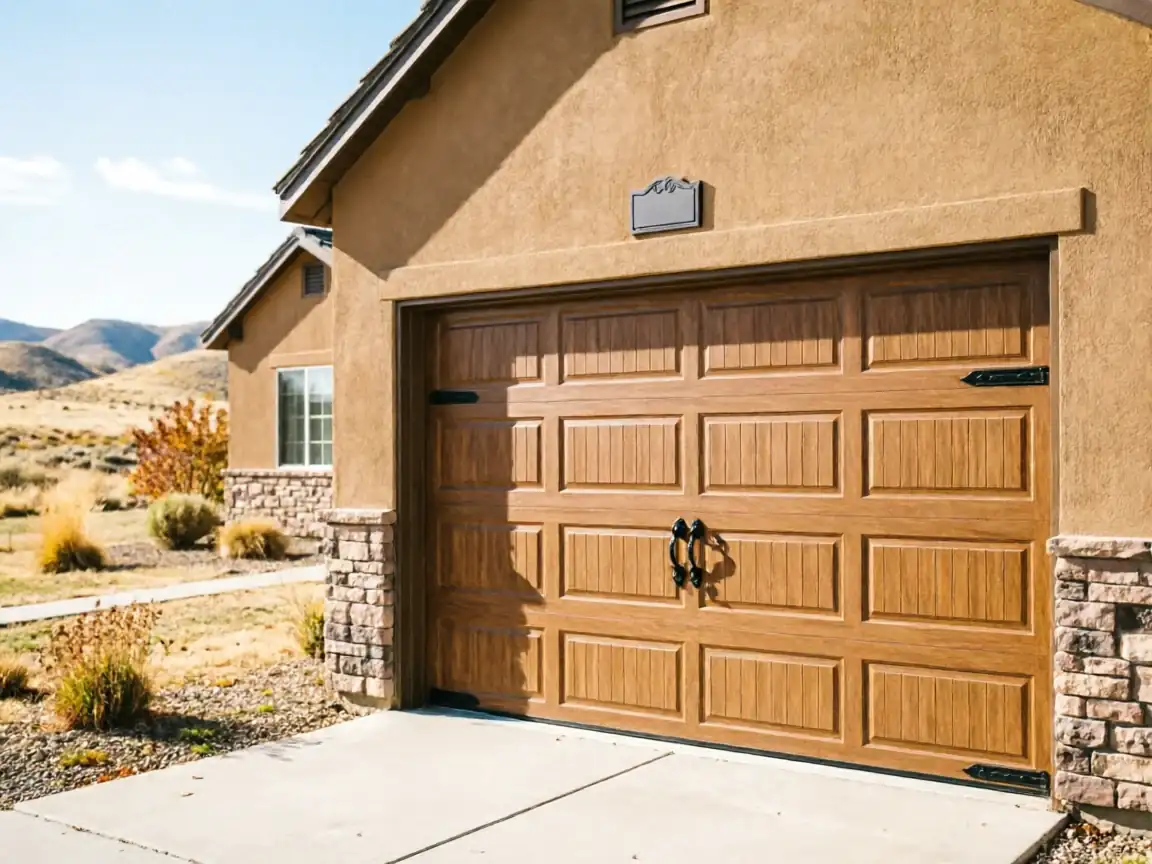
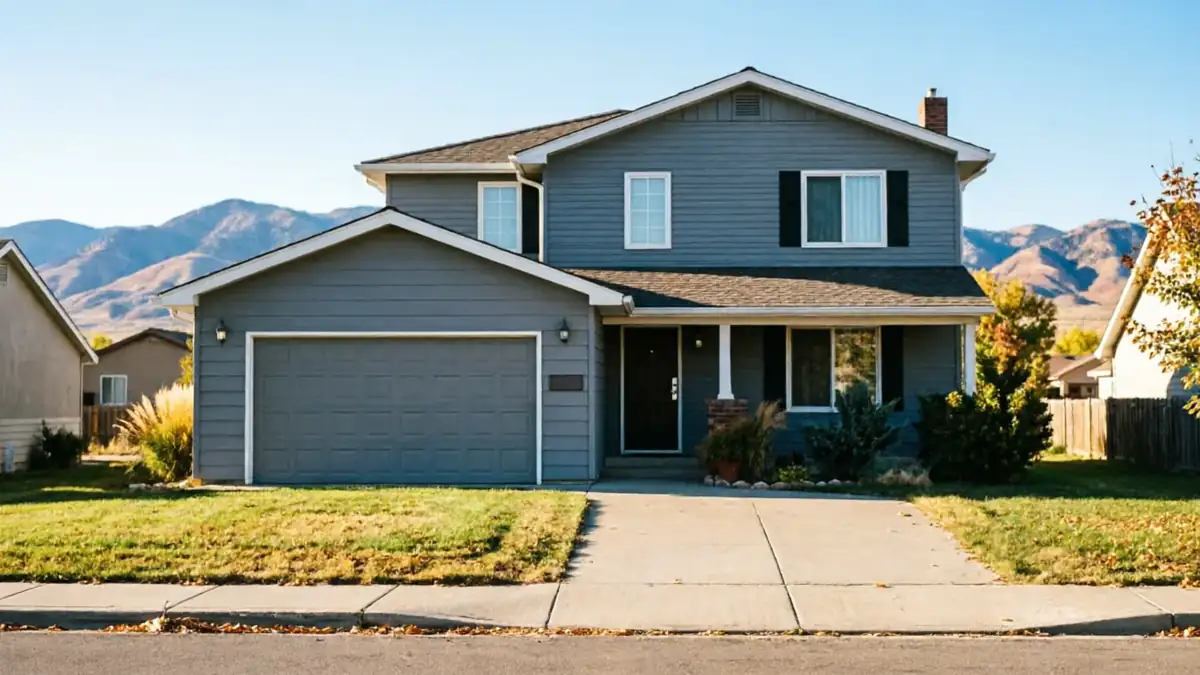
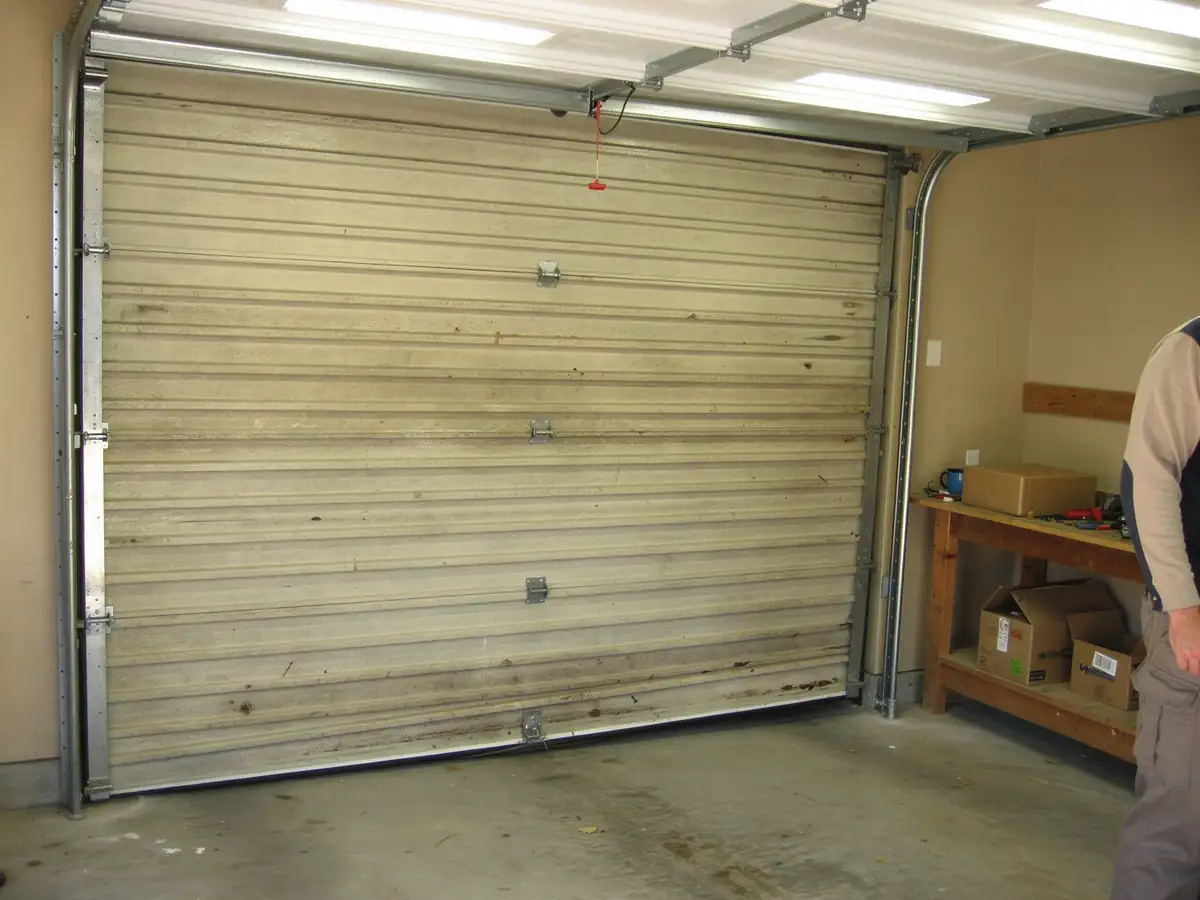
Housing in this service area mostly went up between 1958 and 1987, with a median build year around 1969, and that matters more than people think. Across the four areas we work - Cascade Valley, Moses Lake North, Warden, and Ephrata - a lot of garage doors are either original to the house or carry the first replacement spring system installed decades ago. Hardware from that era wasn't built for a forty-plus-year service life, and torsion springs in particular have a cycle count that runs out whether the door gets used once a day or ten times. Layer on the climate here: this is a cold-severe band, and steel contracts in winter cold enough to make an already-tired spring snap instead of just sagging. Grease and lubricant that worked fine in summer thickens up when temperatures drop, which is why a door that was fine in August starts binding and grinding by January. It's not bad luck - it's 1960s and 70s hardware meeting a winter it wasn't rated for.
Parts We Carry
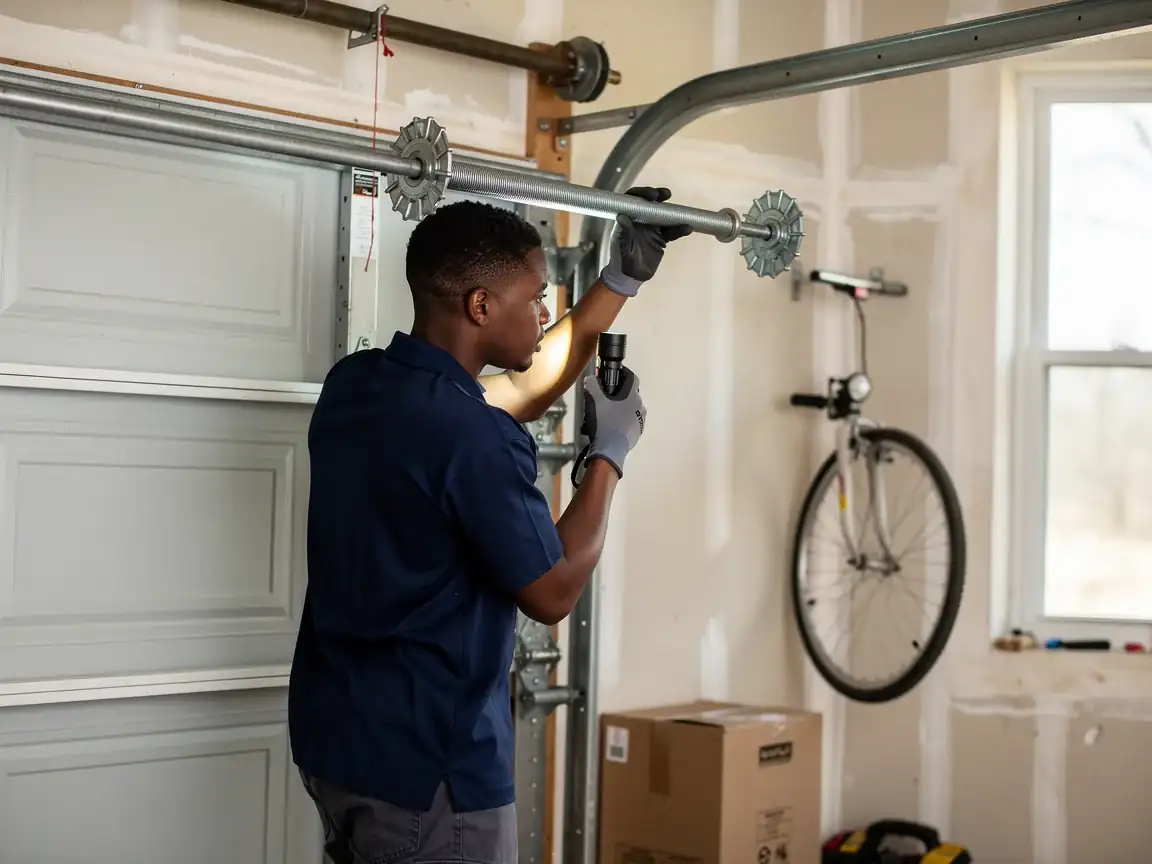
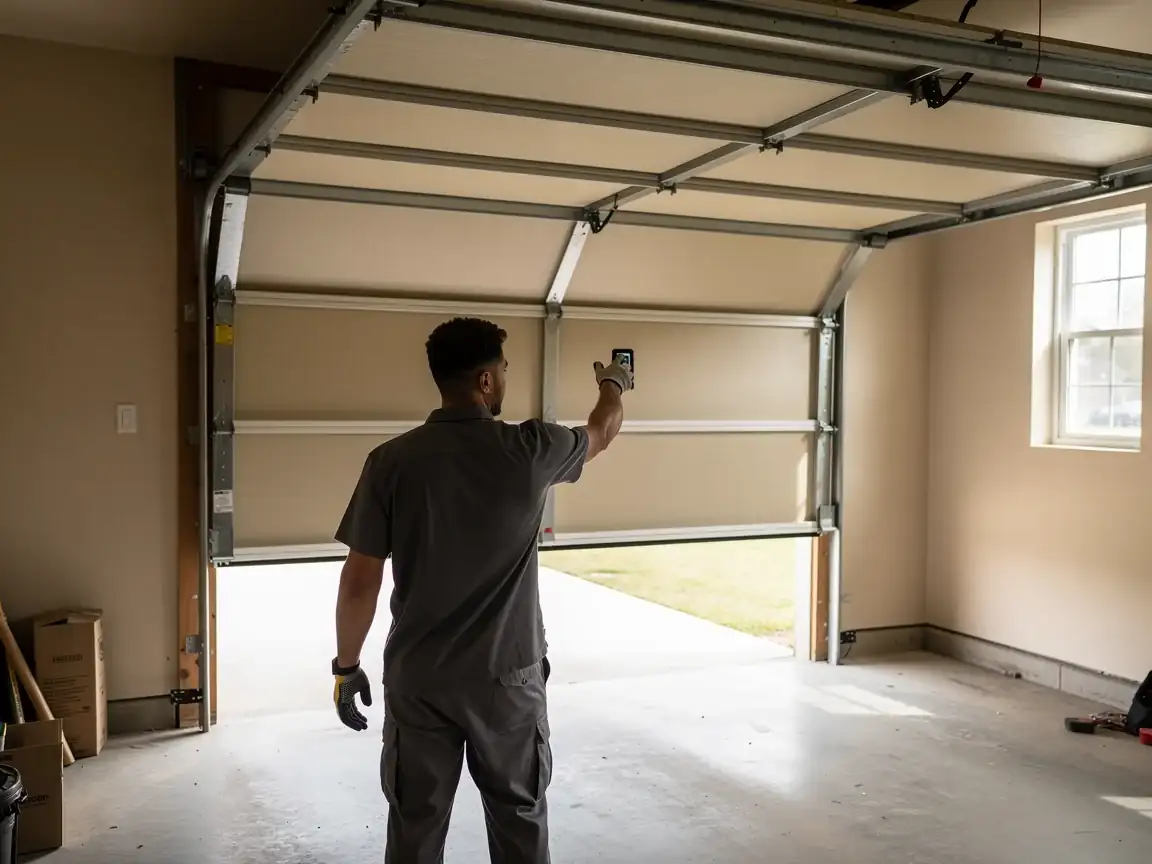
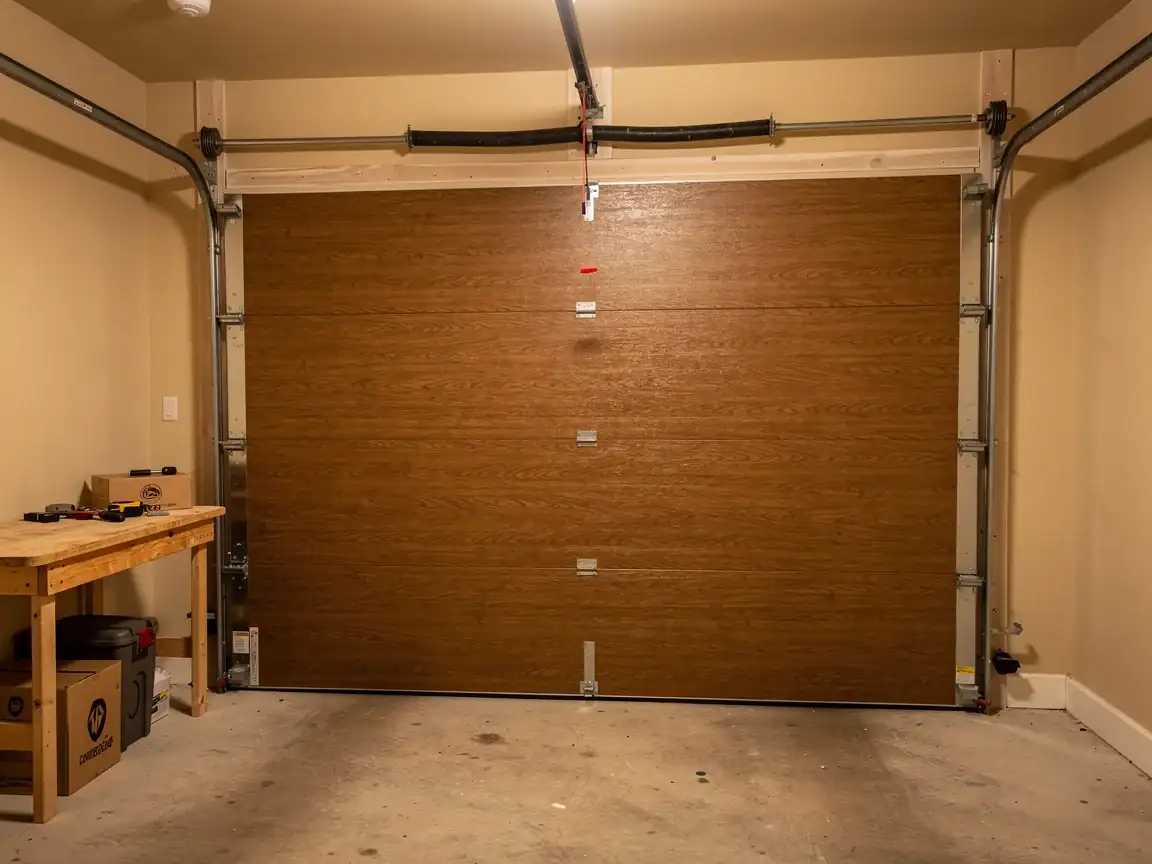
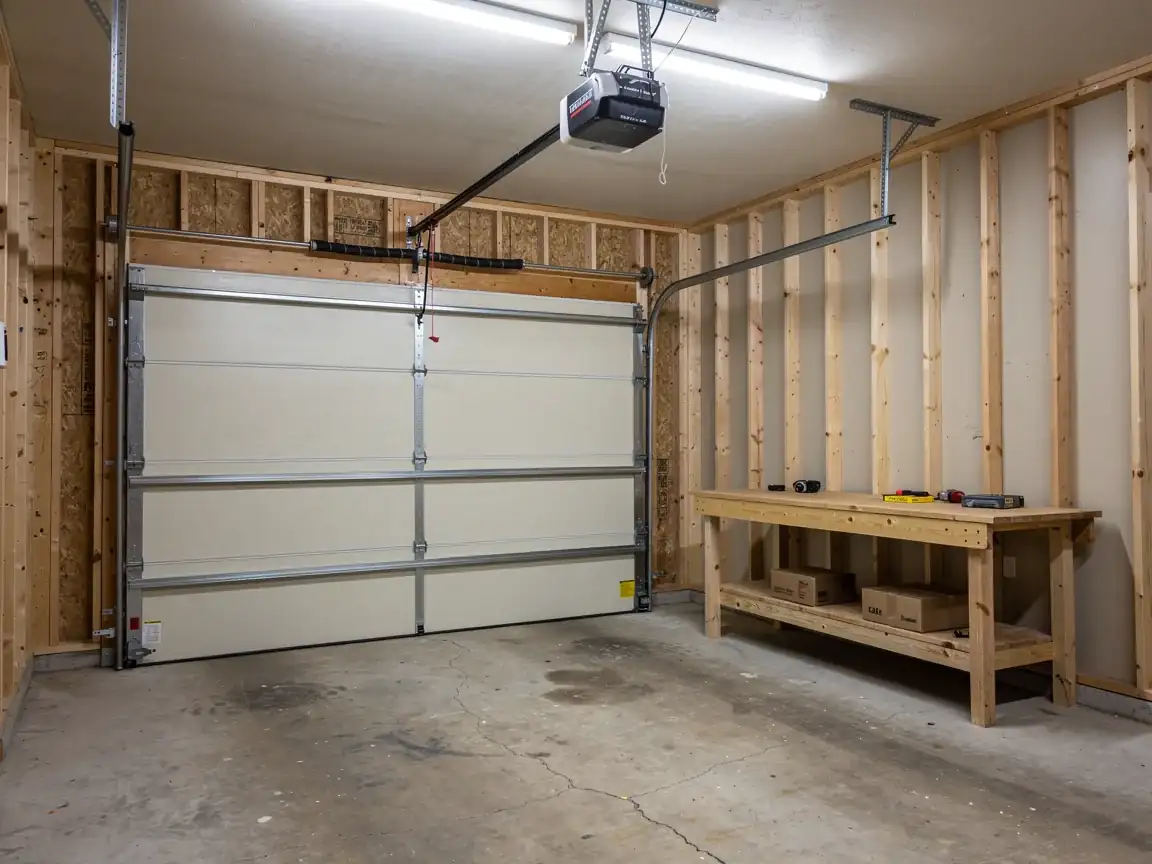
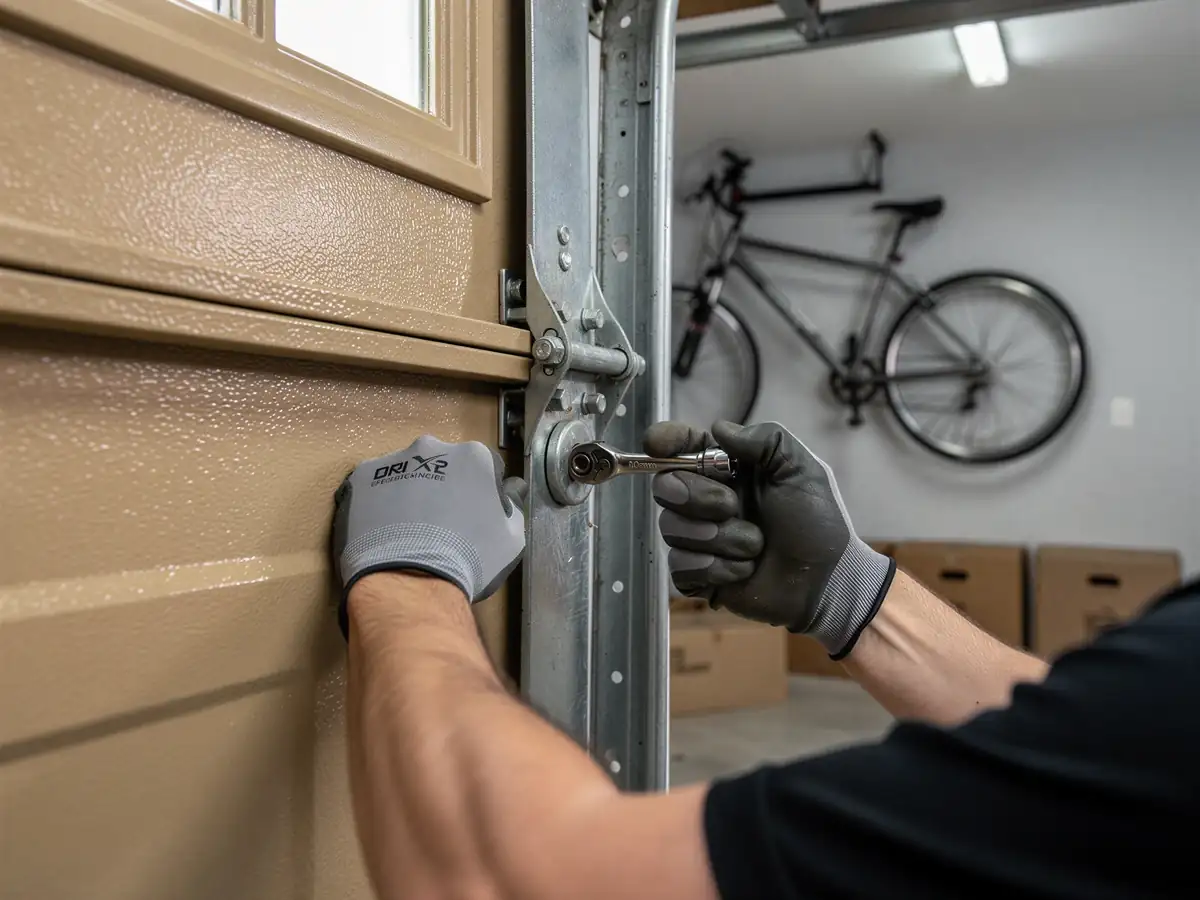
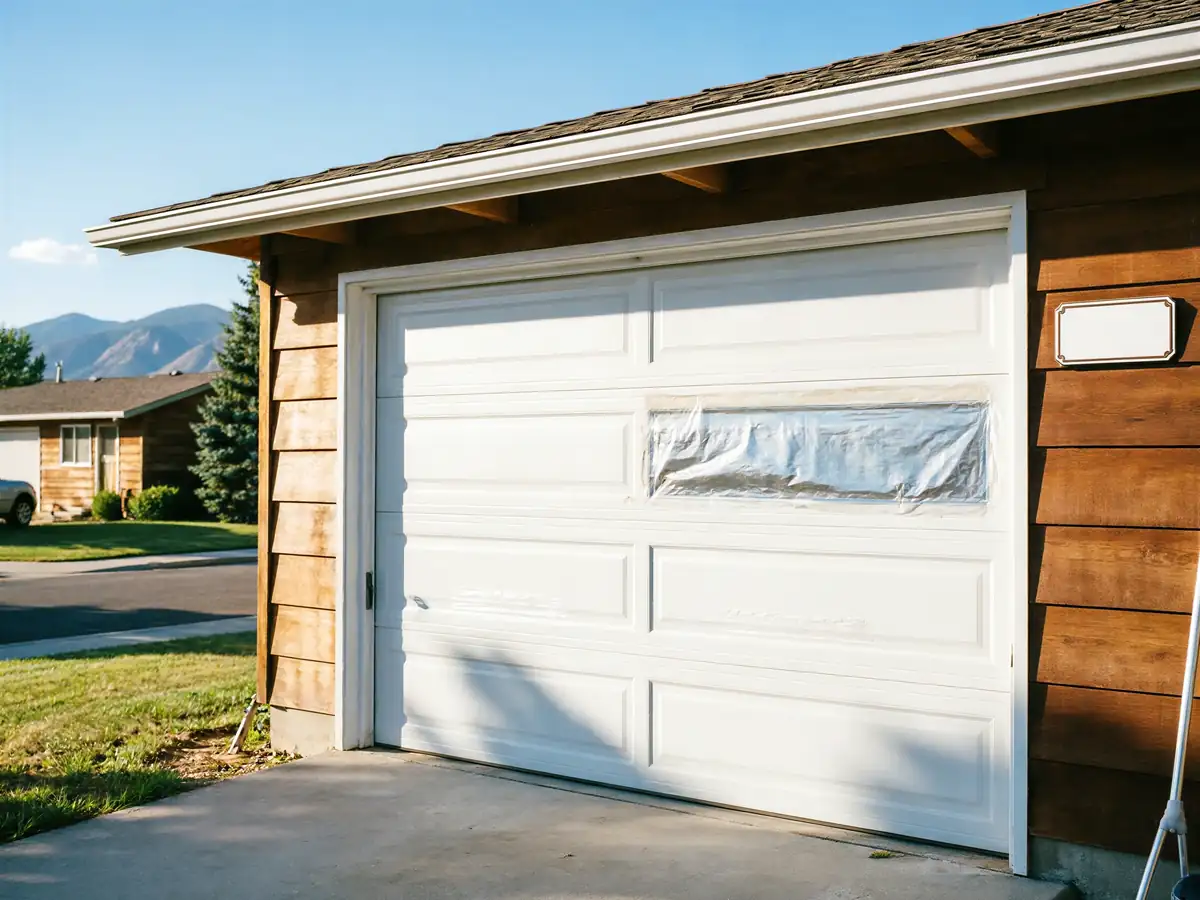
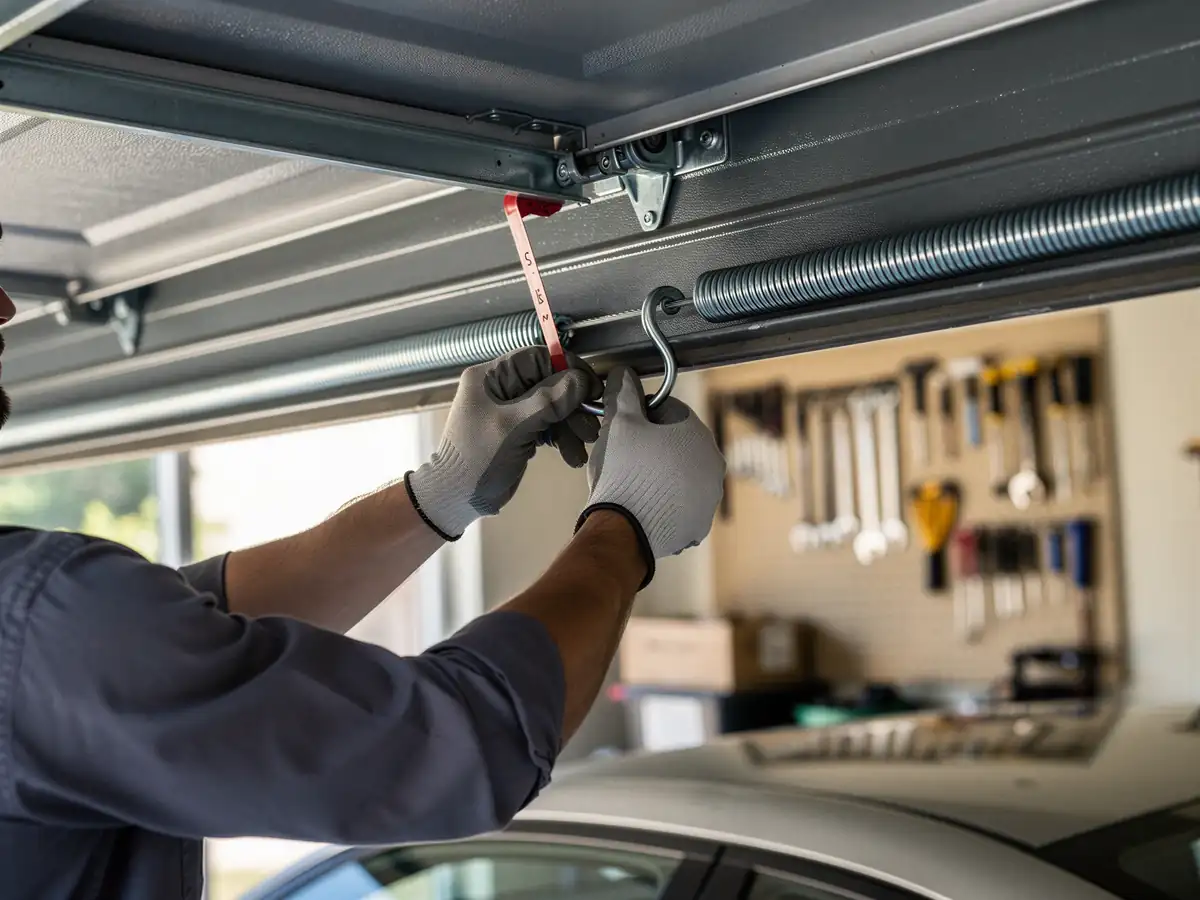
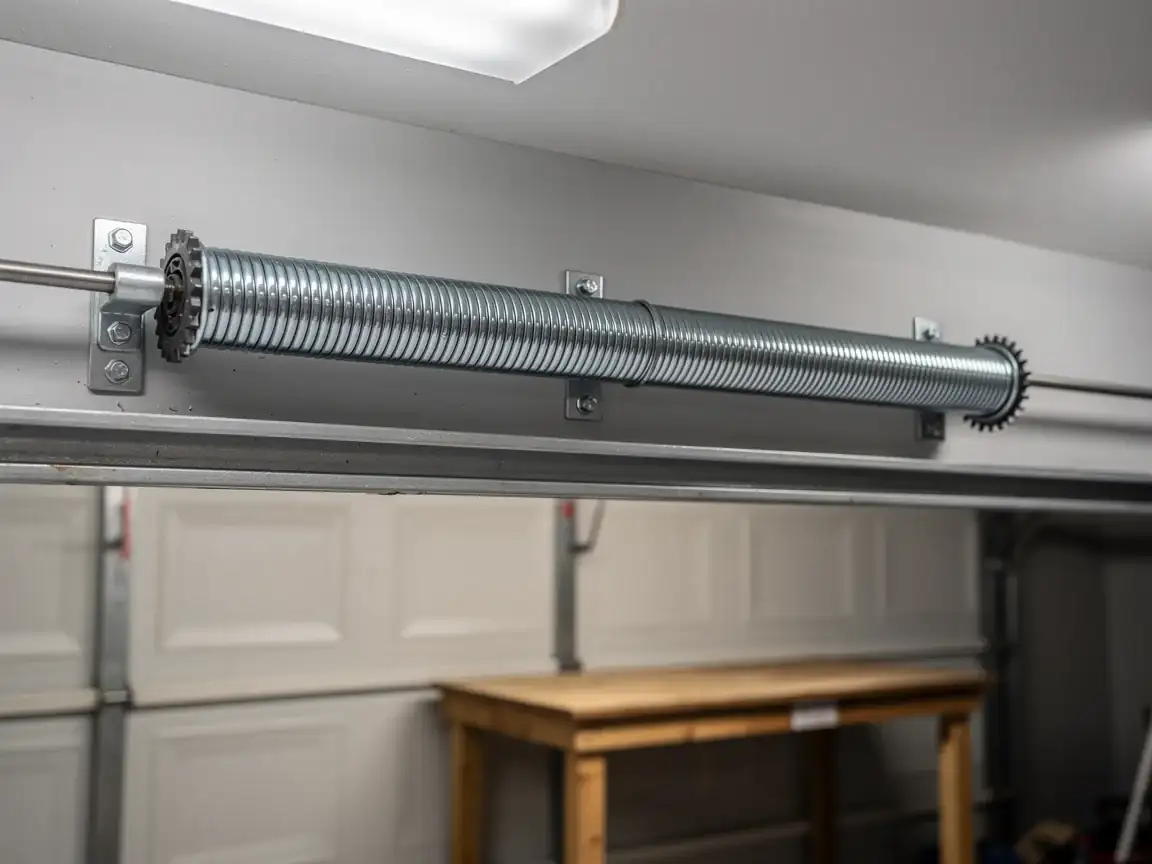
We stock the parts that actually fail on houses this age: torsion springs sized for single and double doors, extension springs for the older lift systems some of these houses still have, steel rollers (nylon where the track allows it), lift cables, bottom brackets, and center and end bearing plates. We also carry opener drive components - chain and belt assemblies and the gears that wear out first - for the common residential opener styles still running in this area. One honest limit: if your door takes a specialty panel from a manufacturer that stopped making that profile years ago, we may need to order it, and that can take longer than a same-week fix. In that case we'll tell you up front rather than let you wait and wonder, and we'll walk you through whether a full panel replacement makes more sense than chasing a discontinued part.