What Causes It Around Here
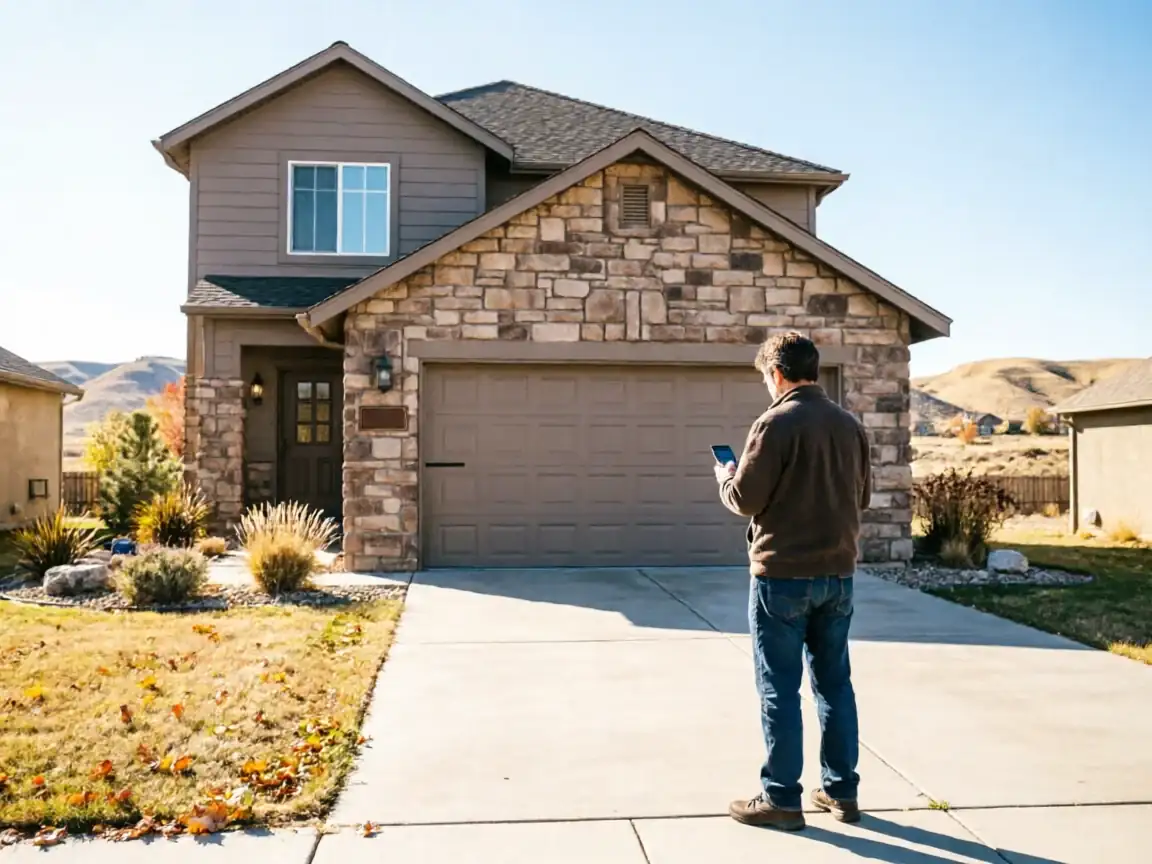
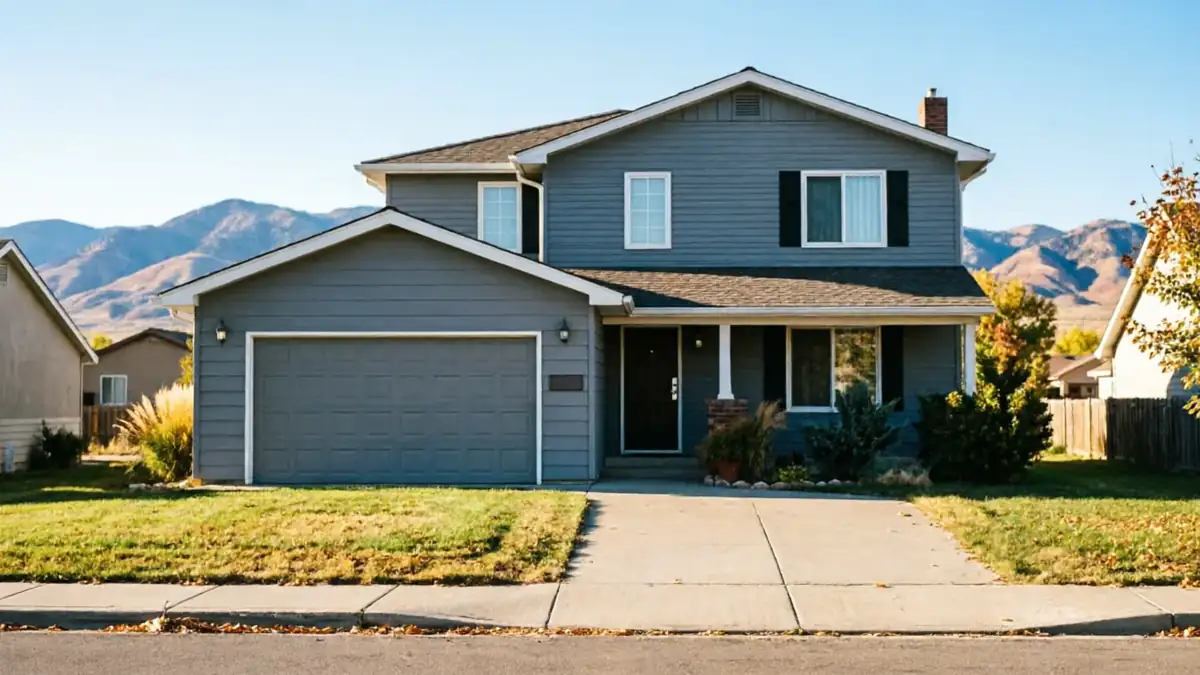
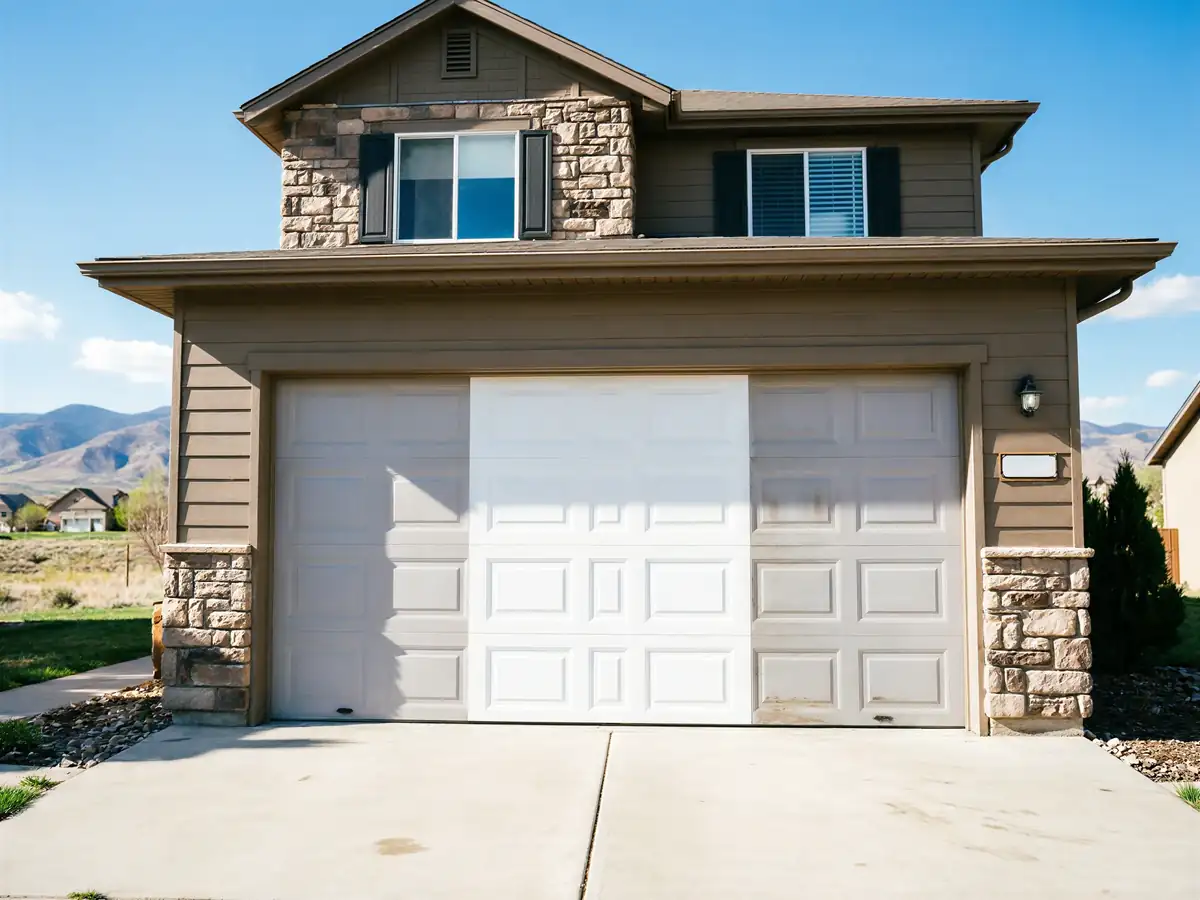
Most of the housing stock in this service area went up between 1958 and 1987, with a median build year around 1969 - that's four named areas of mostly 1960s and 70s construction. Doors and torsion hardware from that era, or replaced once since, are well past the cycle count a spring is rated for, and a lot of homeowners never find out a spring has a service life until it ends loudly. On top of age, this area sits in a severe cold climate band. Steel contracts in cold air, and a spring that's already fatigued from 10,000-plus cycles loses the little flex it has left right when temperatures drop hard overnight. That's why the calls cluster in cold stretches: it's not bad luck, it's a worn spring meeting a cold snap. A newer door in a mild climate might ride out the same wear and groan for another year. Here, the combination of older torsion setups and real cold tends to end springs on a schedule, not a whim.
Parts We Carry
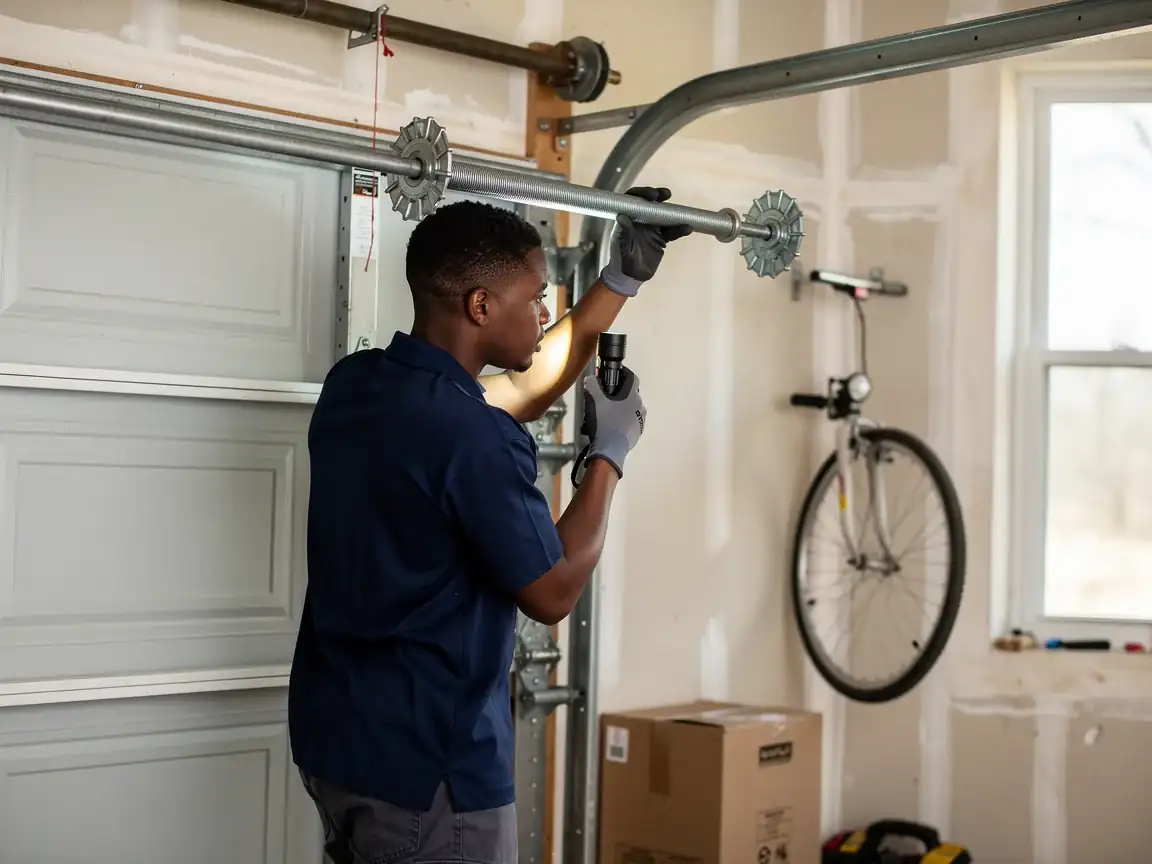
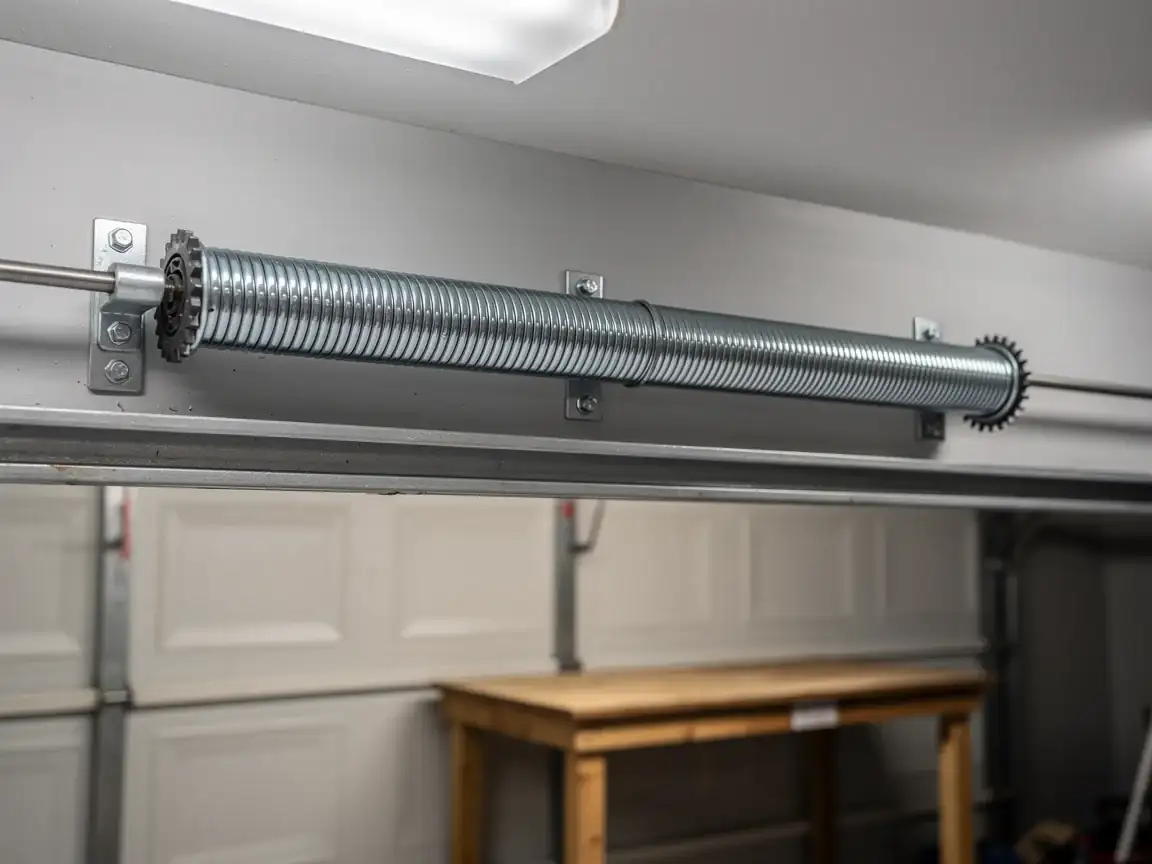
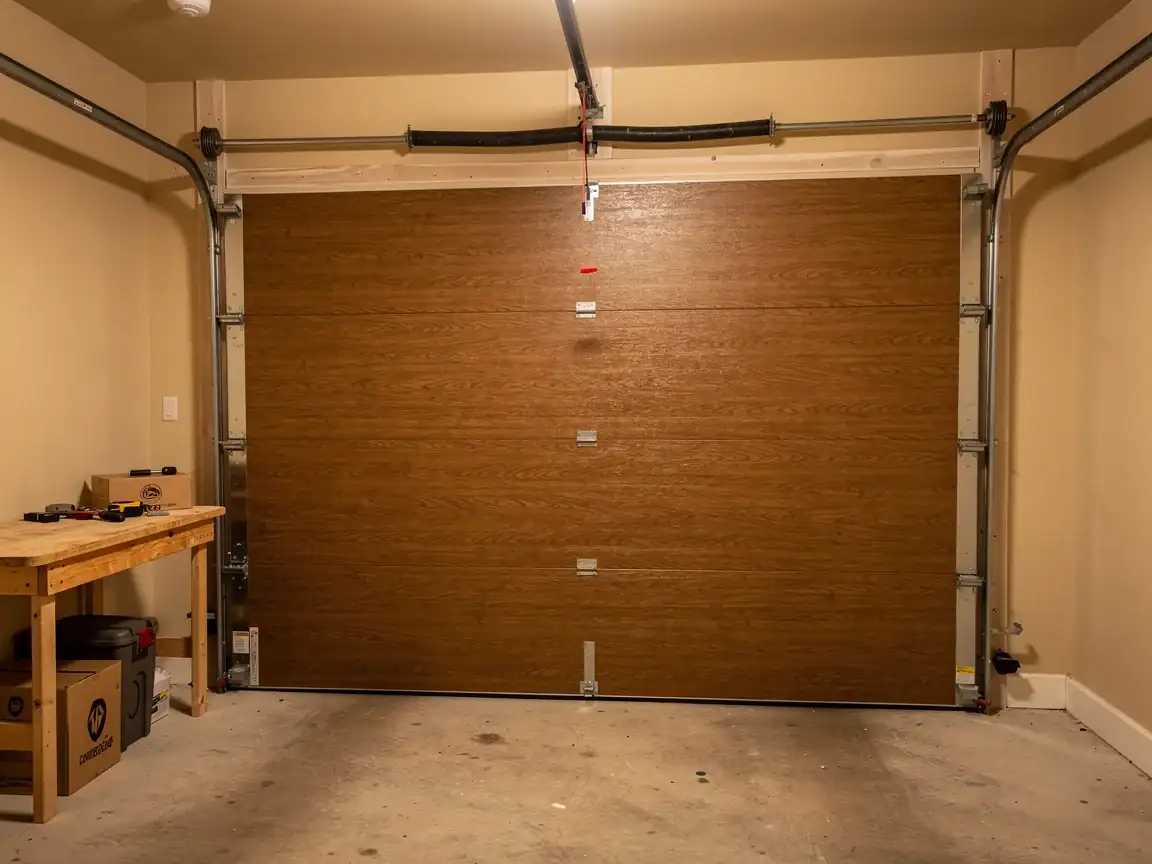
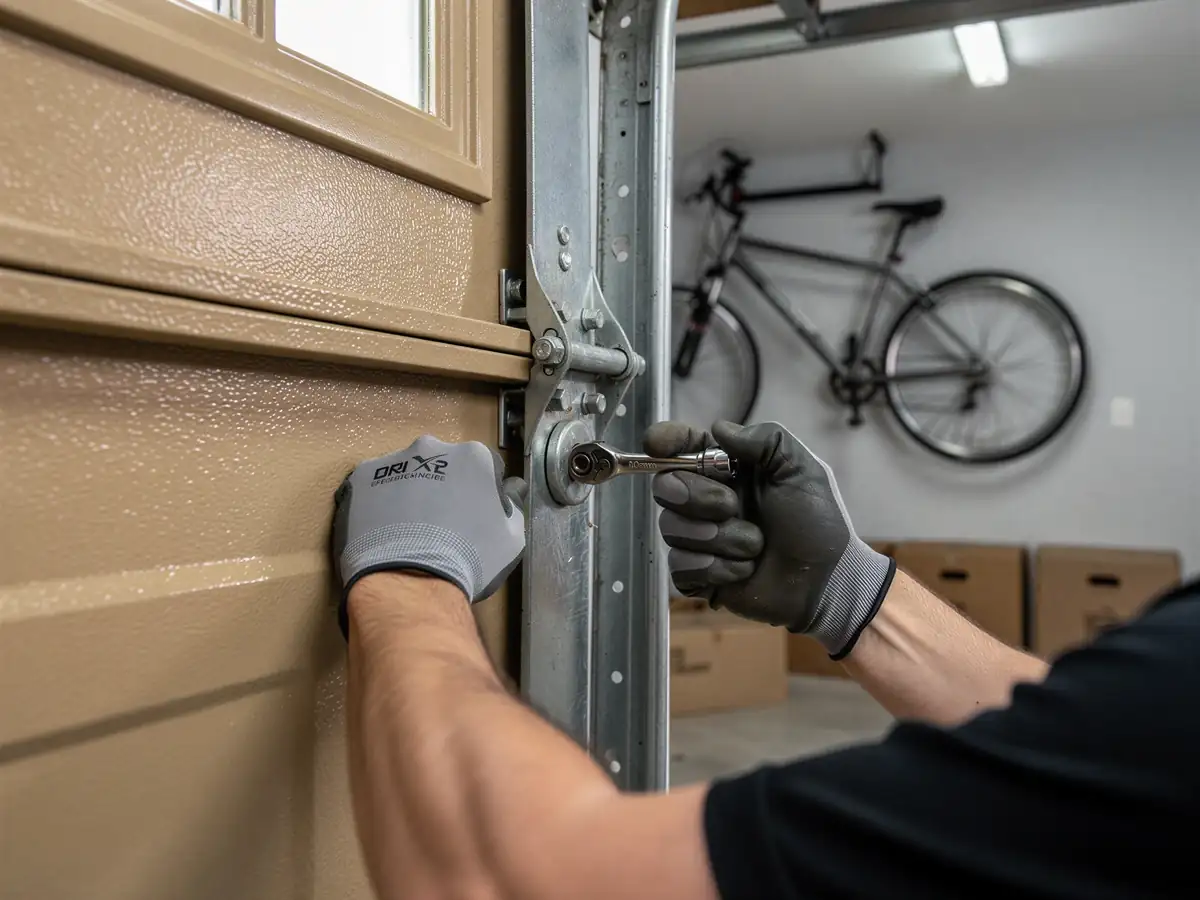
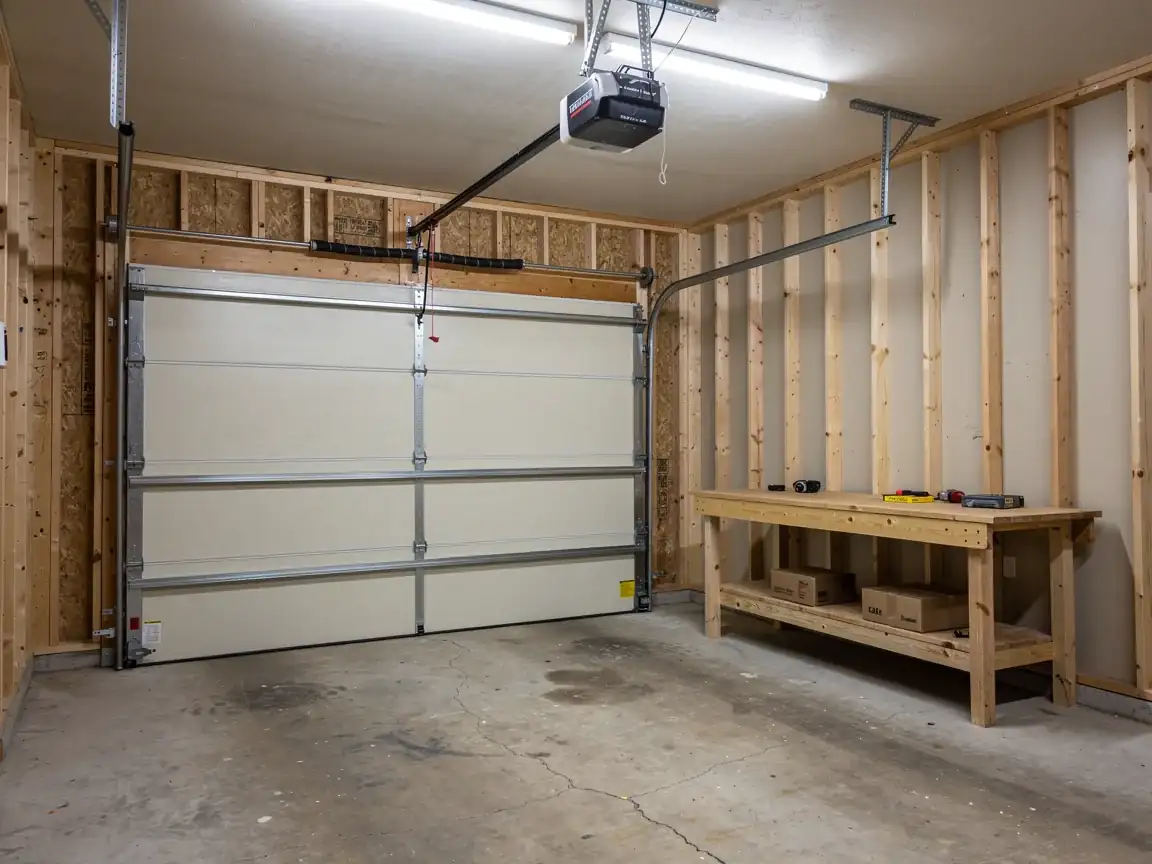
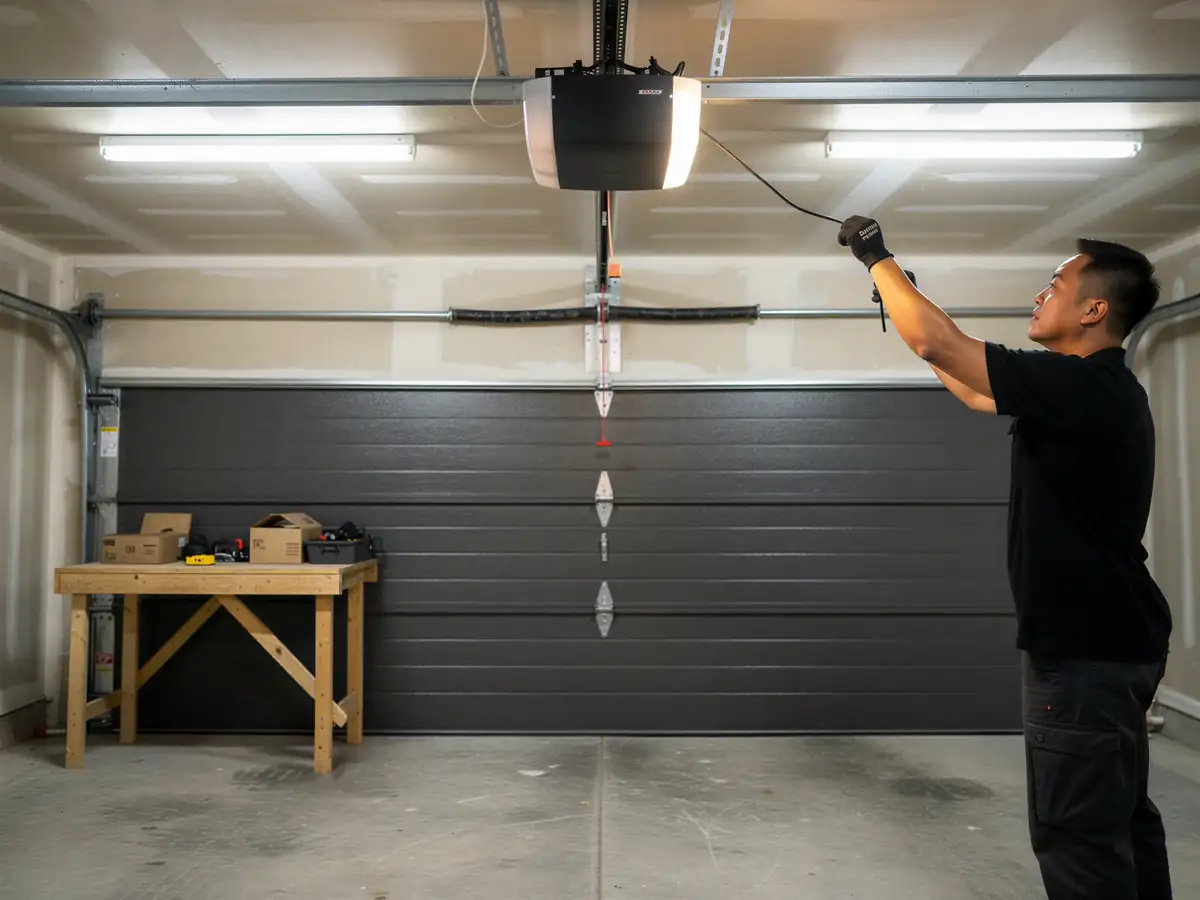
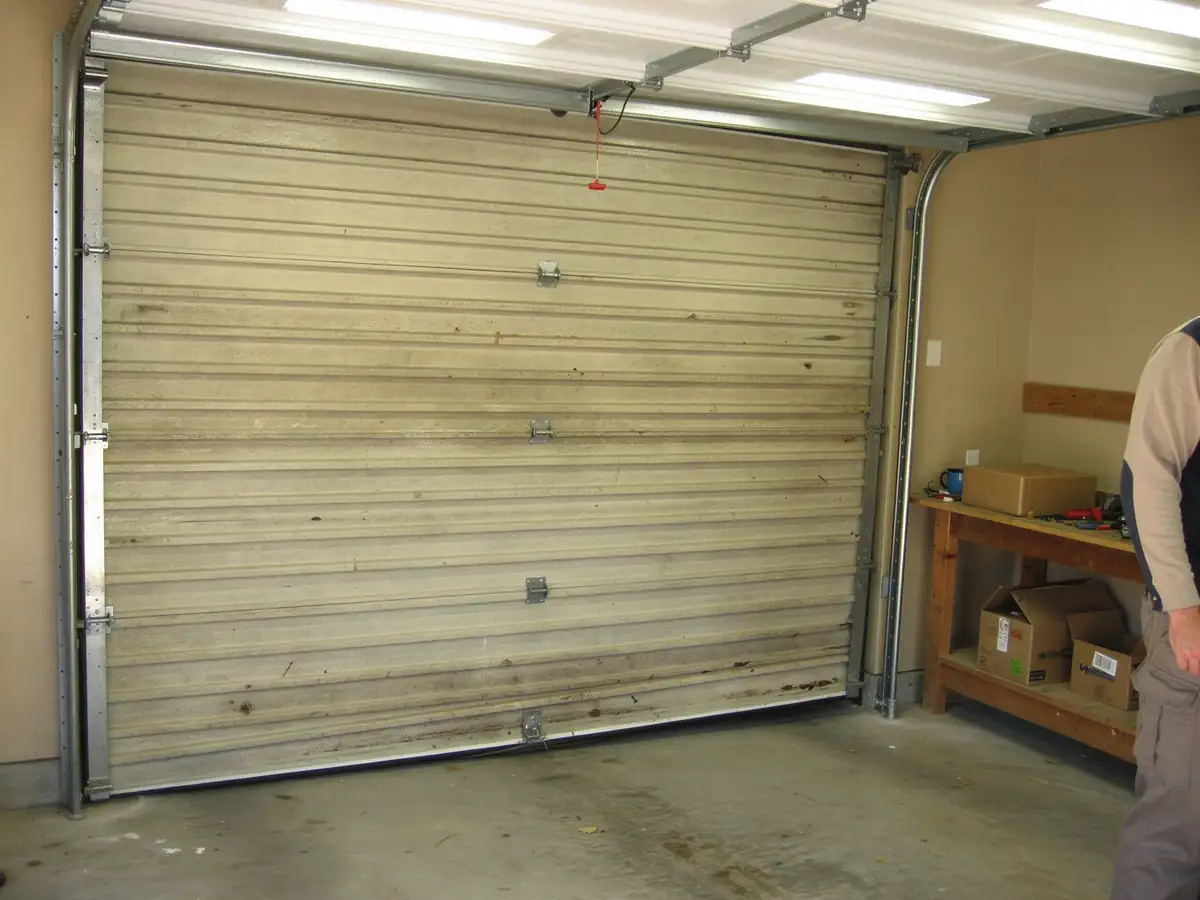
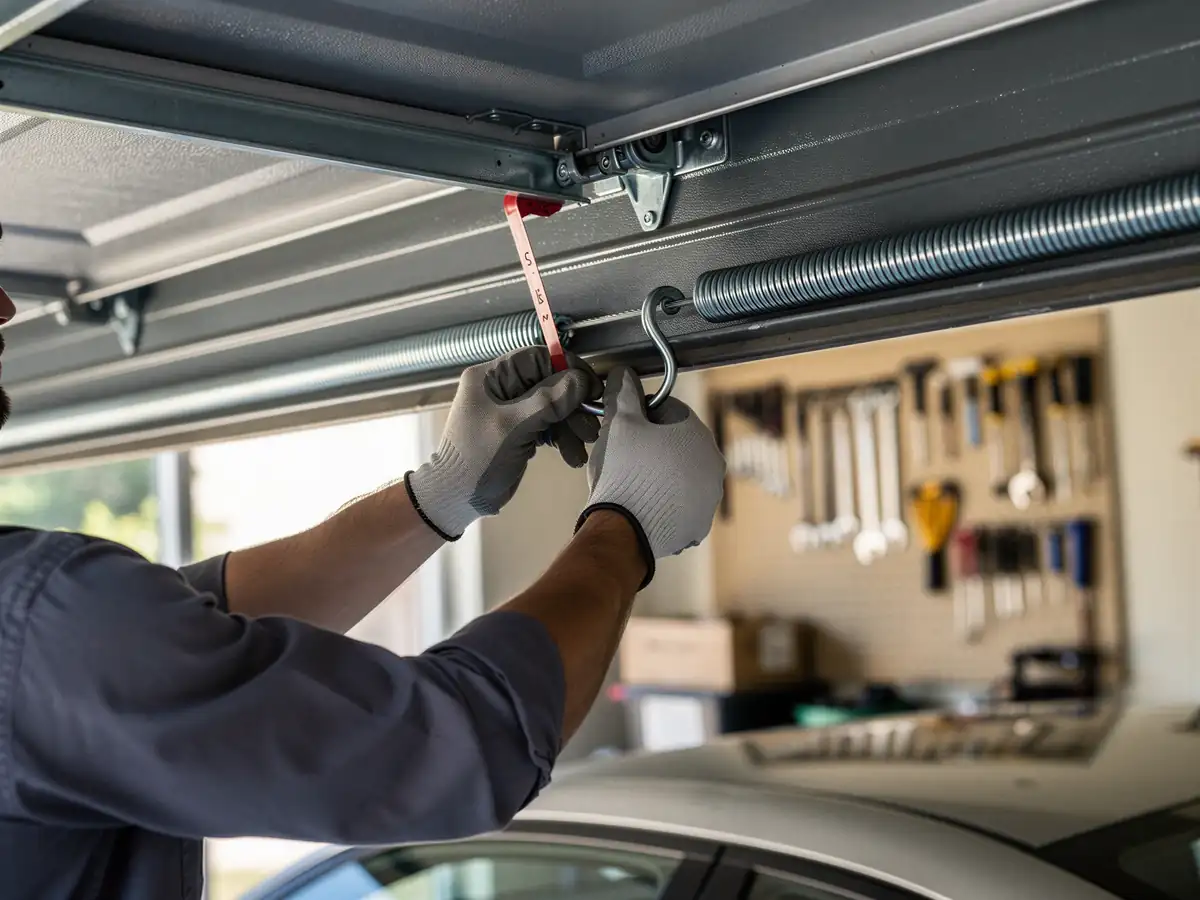
We stock torsion springs in the sizes that match the door ages common to this area's 1960s-80s housing stock, plus the standard end bearings, cable, and drums that usually go with a spring job since they wear on the same timeline. We carry both single and double-door torsion setups. What we don't keep on the truck is every extension-spring configuration or odd custom door size - older or oversized doors sometimes need a part ordered in, and we'll tell you straight if that's the case rather than jury-rig something that won't hold. If your door still runs on extension springs along the horizontal tracks instead of a torsion shaft, that's an older system and we carry common replacements for those too, but it's worth a look before we assume anything.