
The Split Between Old and New
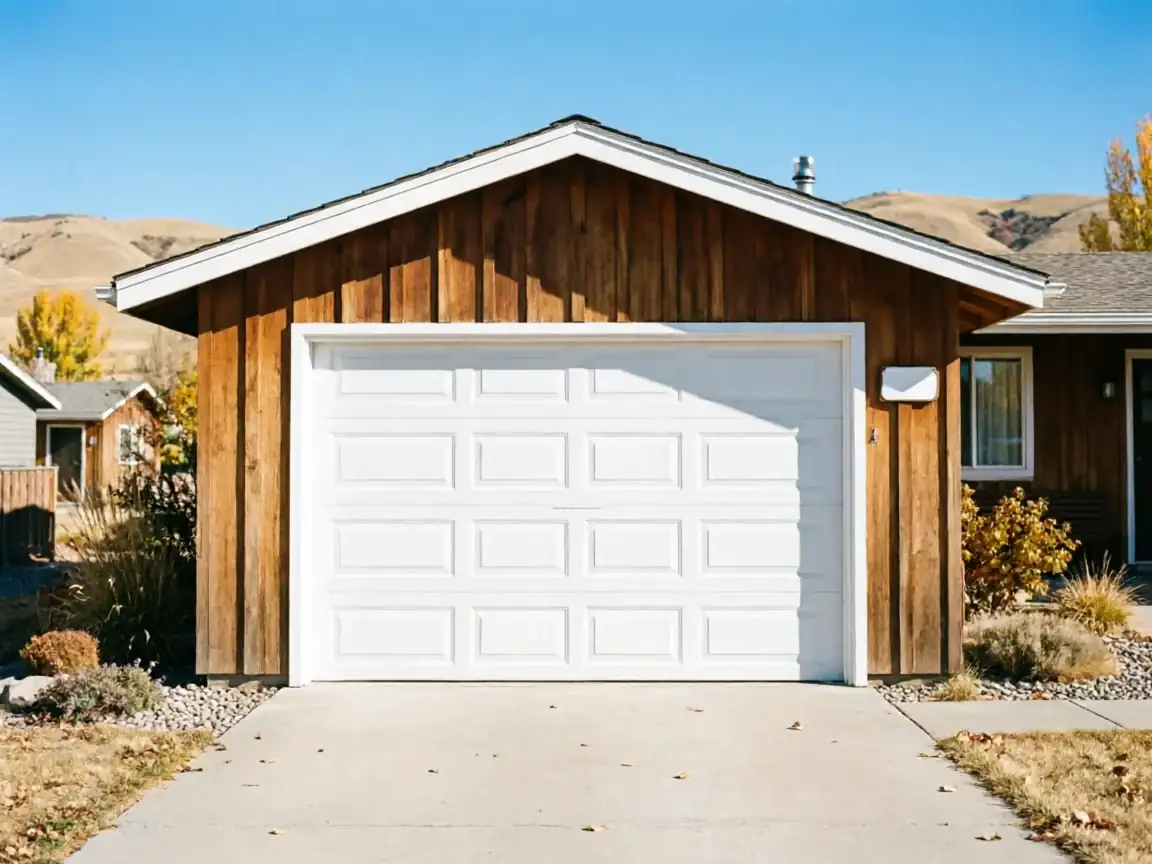
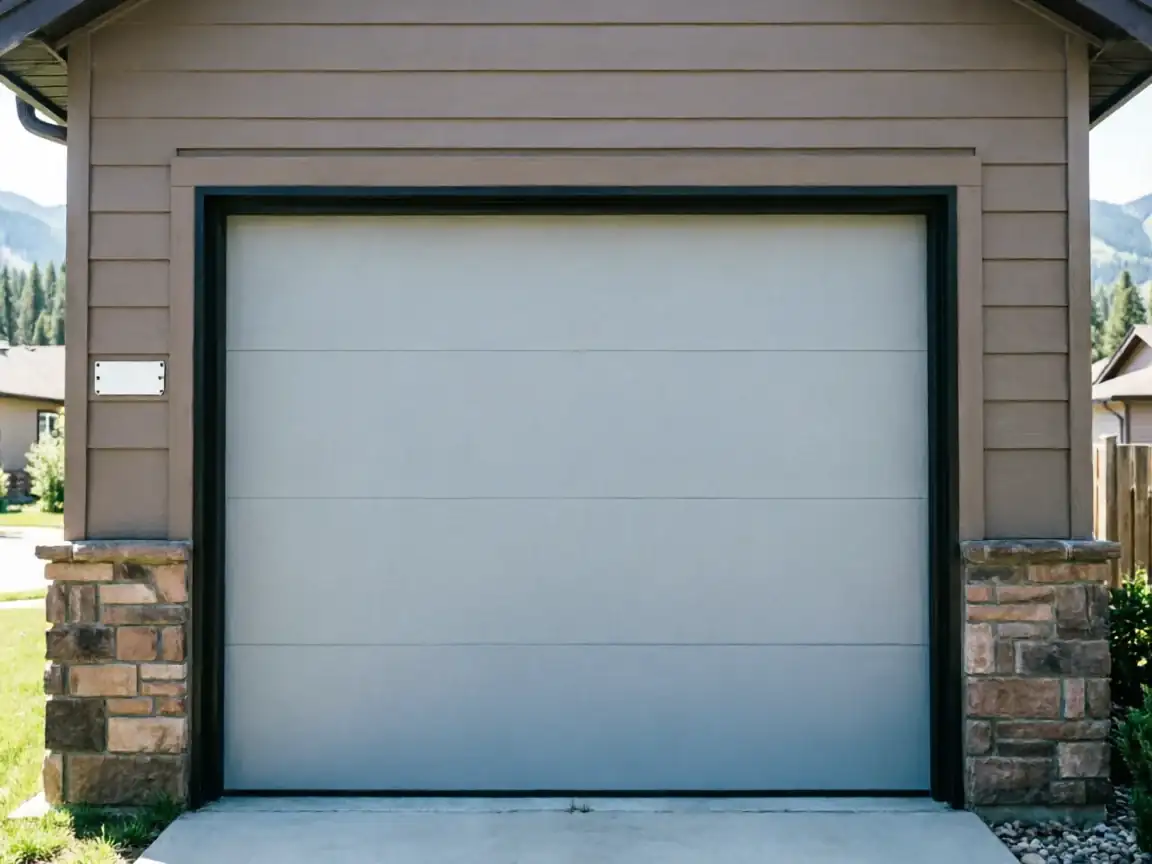
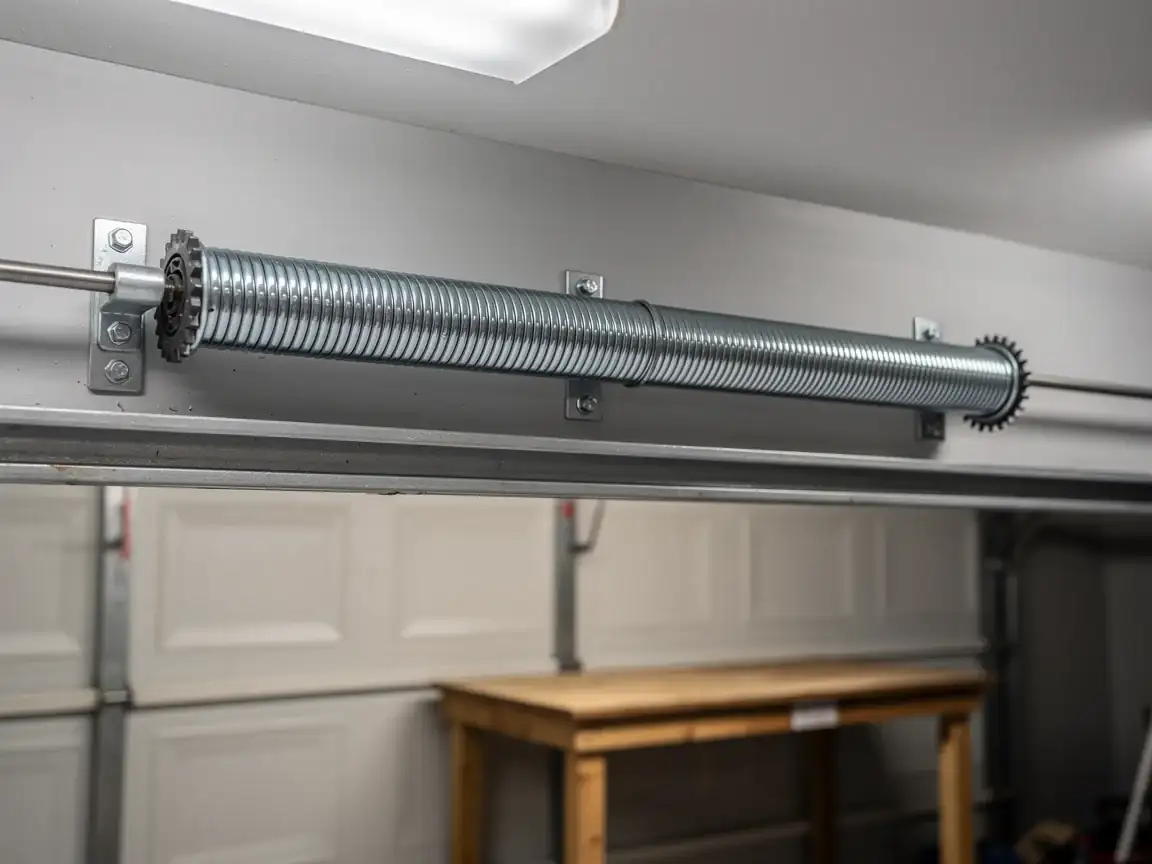
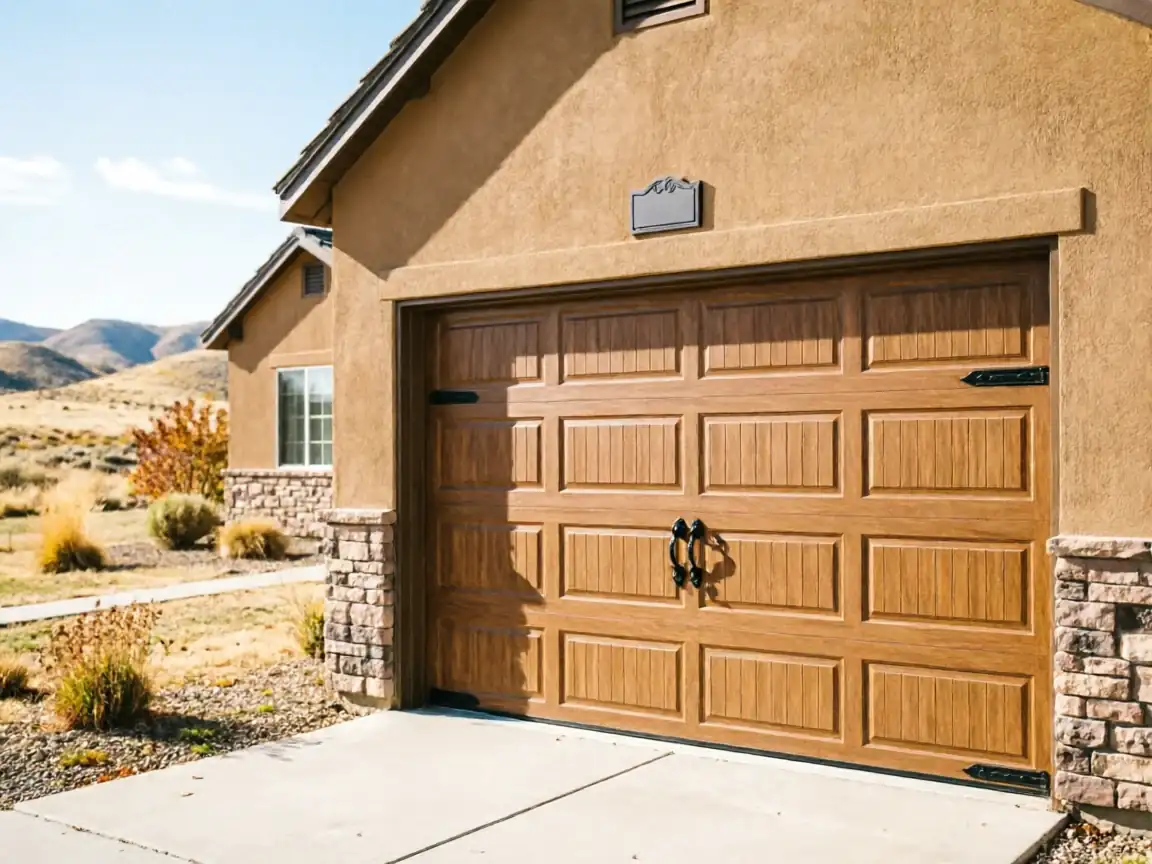
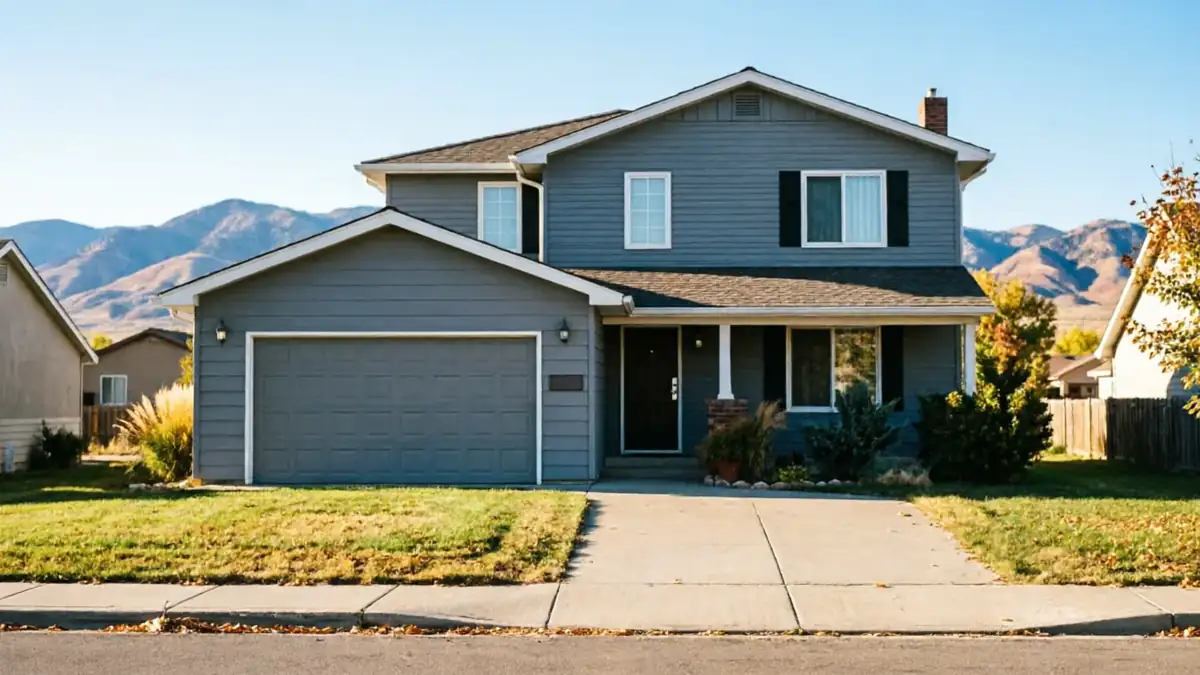
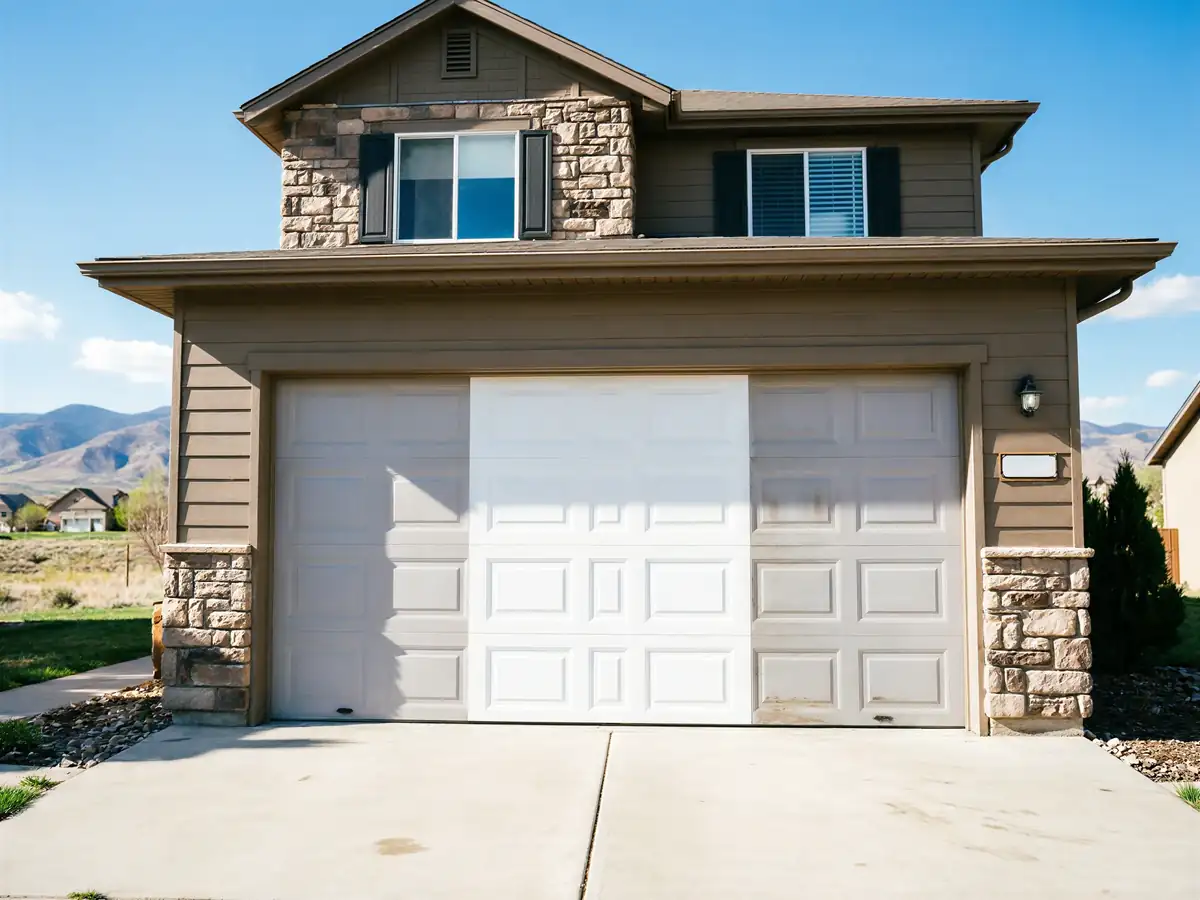
Across the wider Moses Lake service area, the typical house went up between 1958 and 1987, with a median around 1969 - older torsion setups, older track widths, doors sized for garages built before insulation codes tightened up. Cascade Valley doesn't match that pattern. The median build year here runs to 1987, close to the newer edge of the whole area's range. That's a real gap, almost two decades newer than the area median, and it changes what we expect to find behind the panel before we even knock. Houses built in this stretch were framed for wider double-car openings and came with factory torsion springs rather than the older extension-spring setups common on the pre-1970 stock elsewhere in the service area. If you're comparing notes with a neighbor over in one of the older pockets, don't assume your door problem matches theirs - the hardware generation is different.
How That Shows Up in the Door
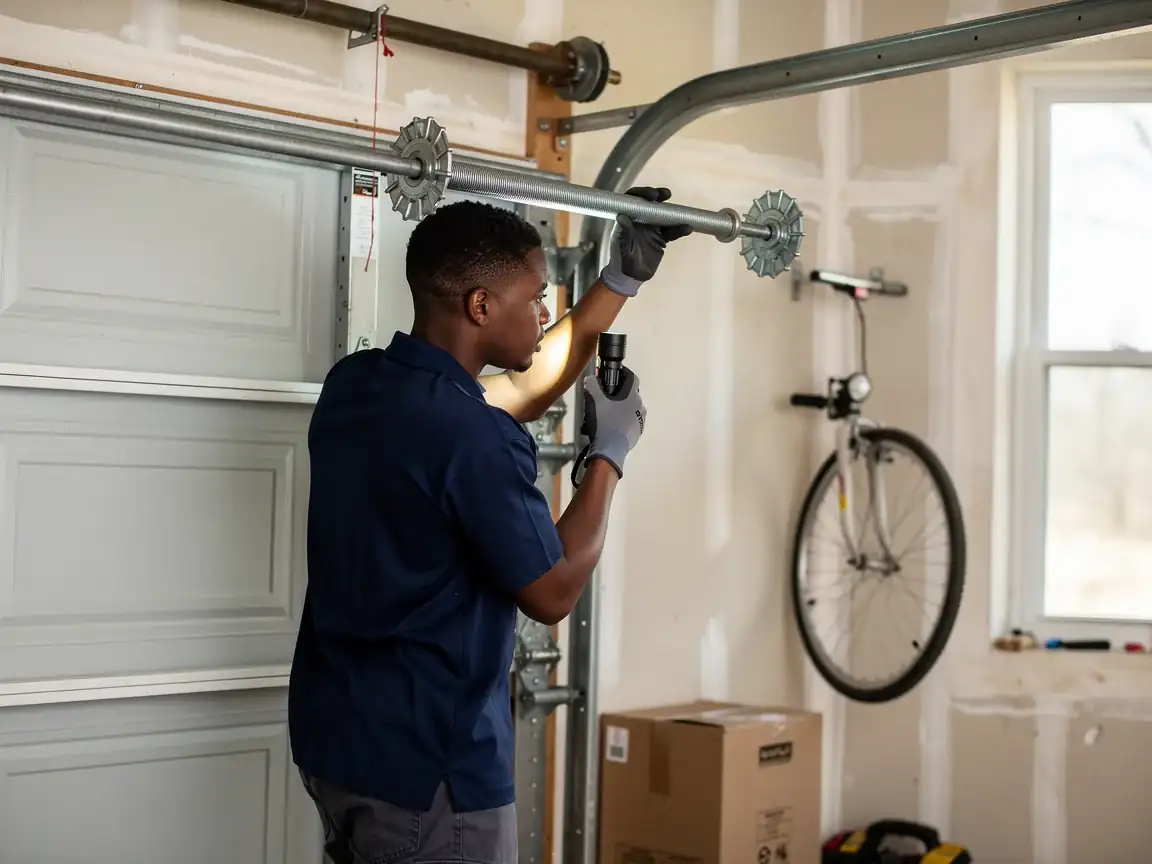
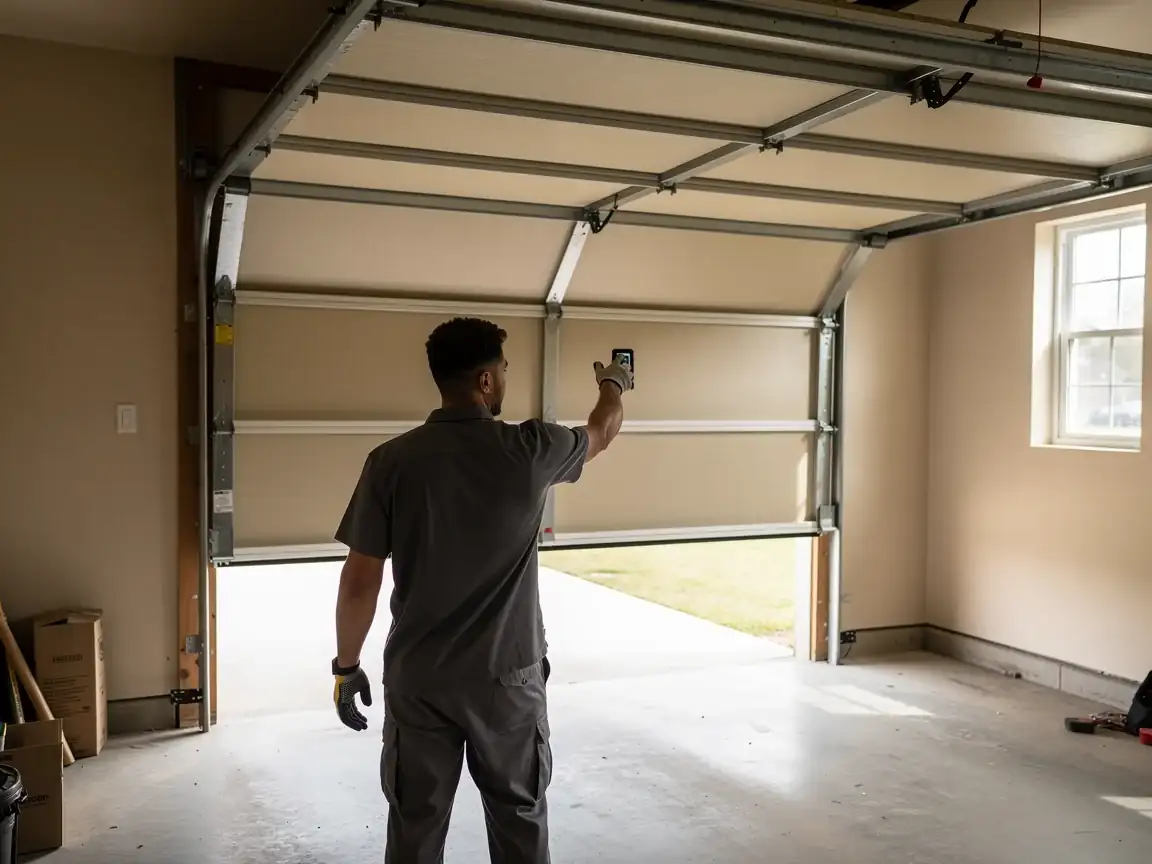
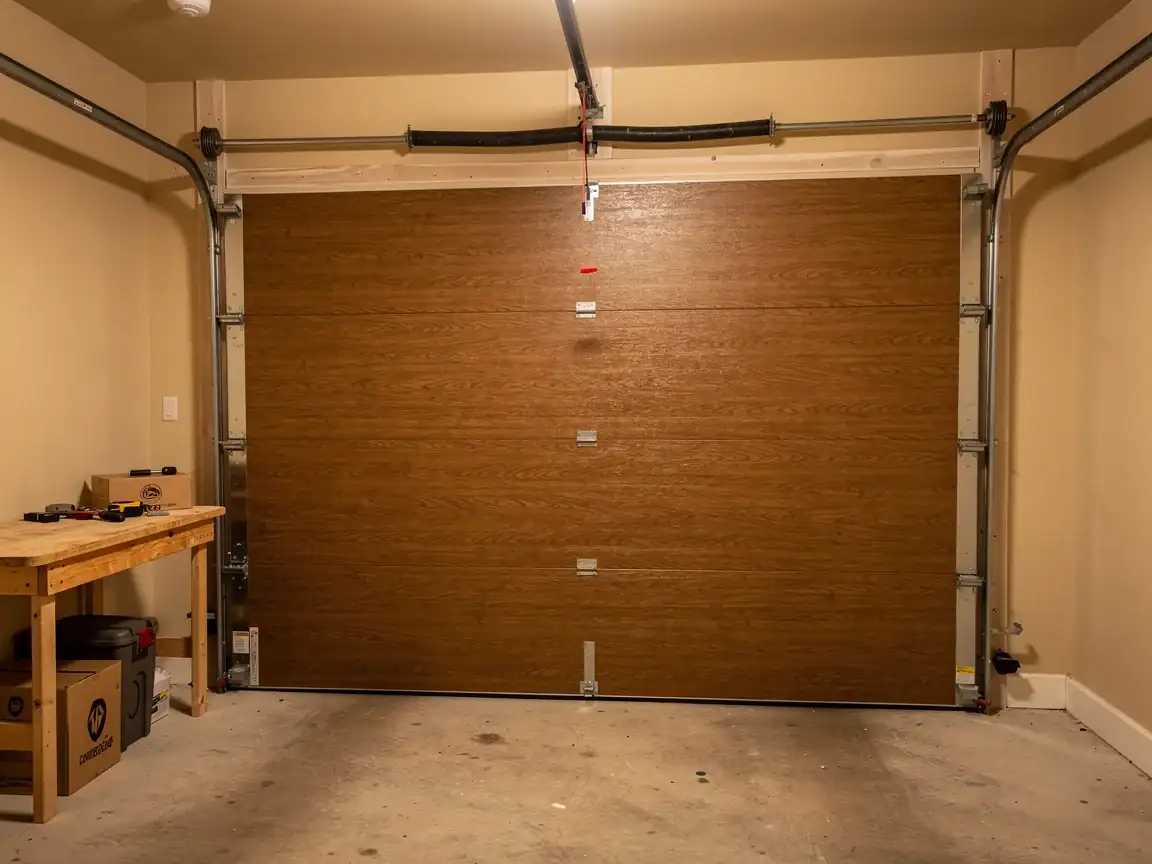
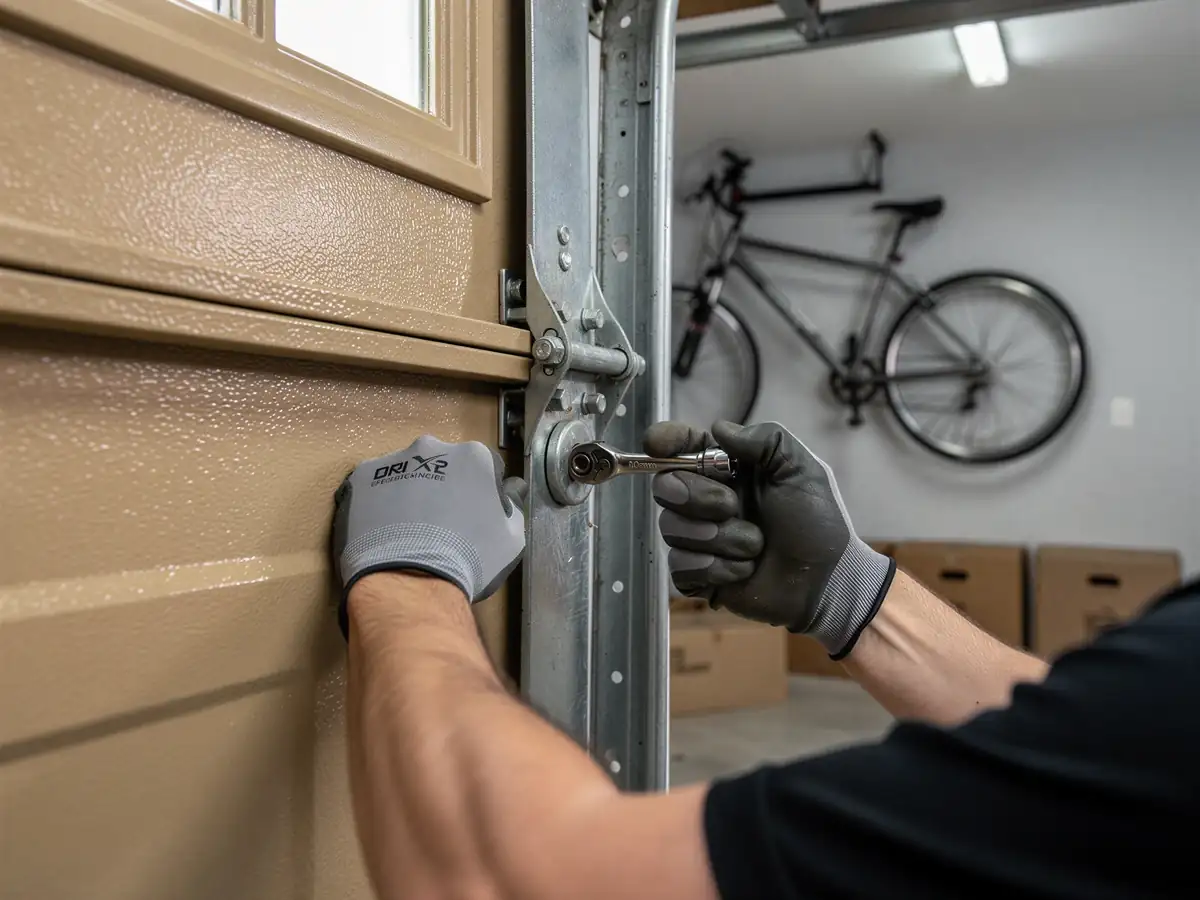
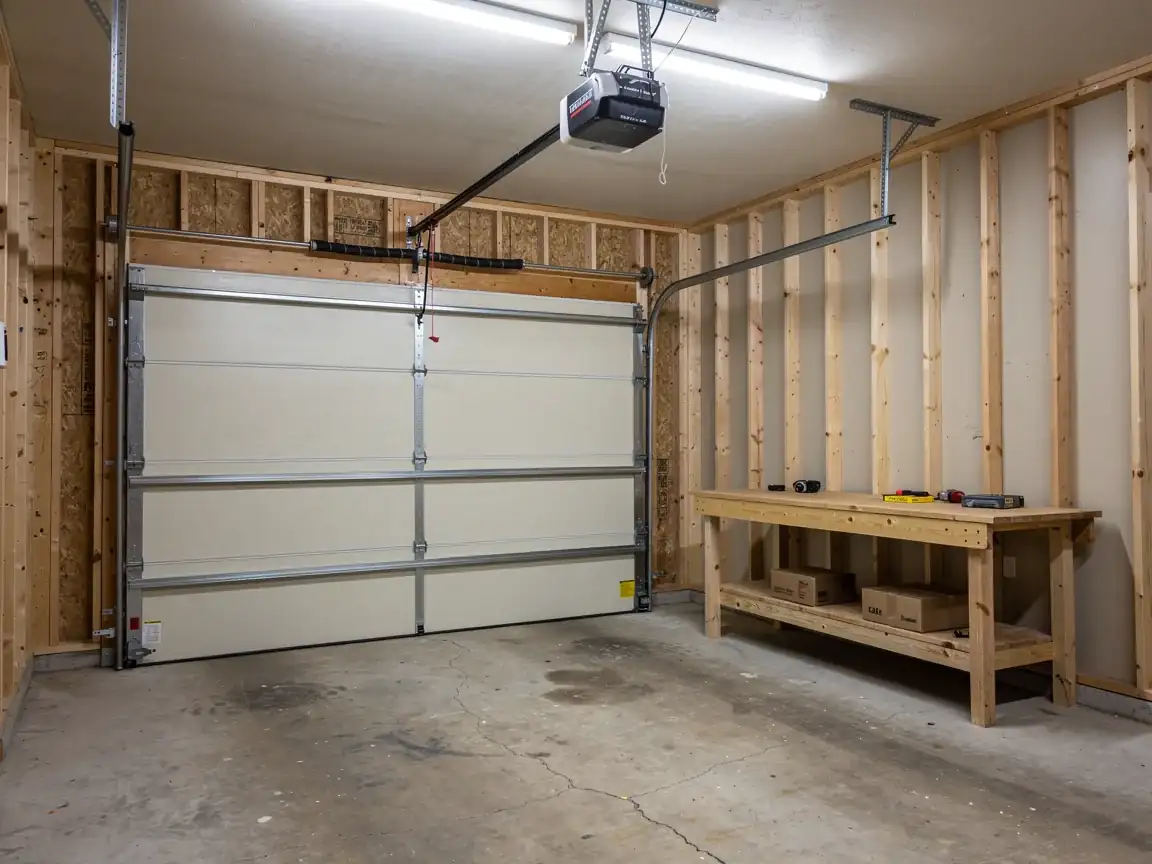
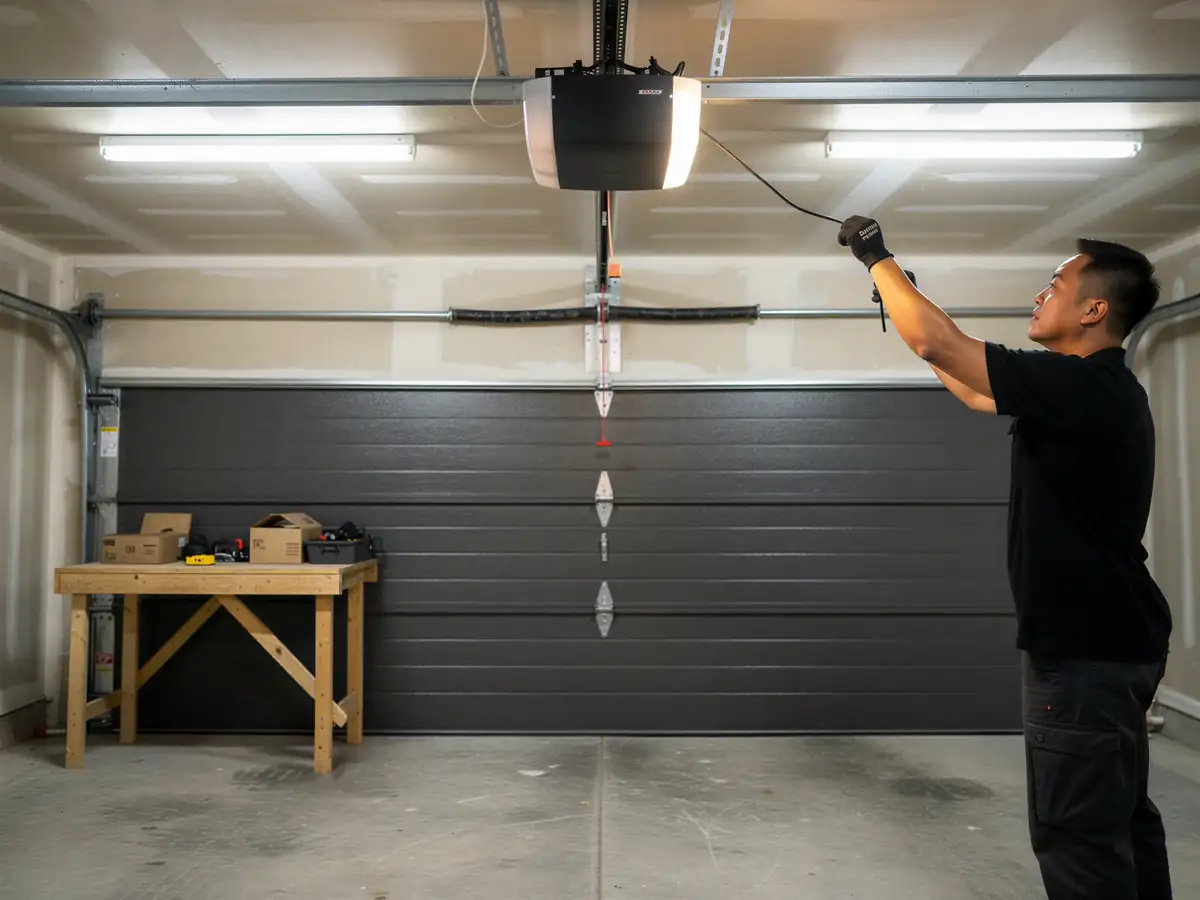
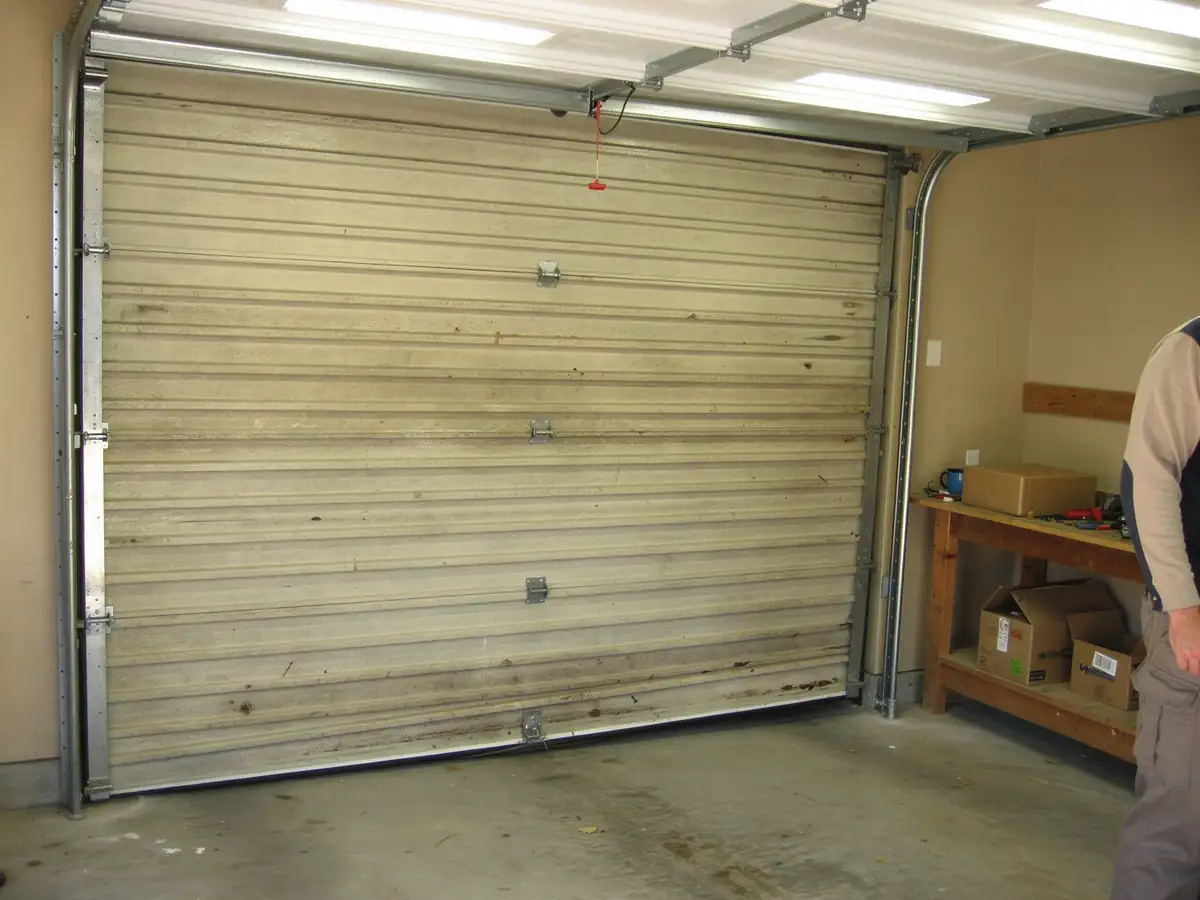
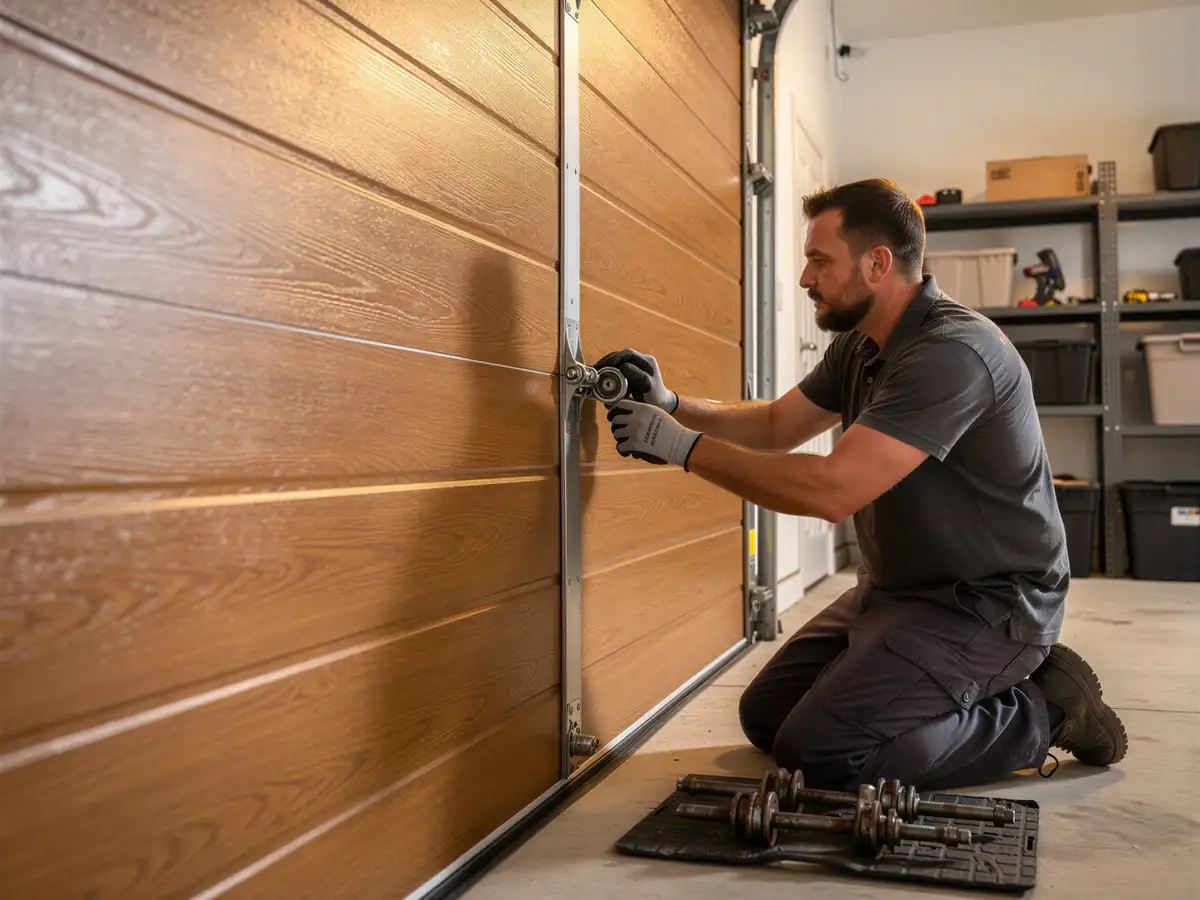
A late-1970s through 1980s door usually means a torsion spring mounted on a shaft above the opening, not the stretched side-mounted springs you'd find on an older build. Failures here tend to be the spring itself giving out after years of winter cycling, a worn torsion bearing plate, or an opener that's simply aged past the point of parts being easy to source - we don't carry stock for every discontinued opener model, and sometimes replacing the unit is the honest call instead of chasing a repair. The cold winters common to this part of Washington put extra strain on spring steel and on nylon rollers, which get brittle and crack faster than the rubber-backed ones. On a door from this era, a cracked roller or a spring that's lost tension is a far more common call than track misalignment, which shows up more on the older, narrower doors elsewhere in the area.