What the Fix Involves
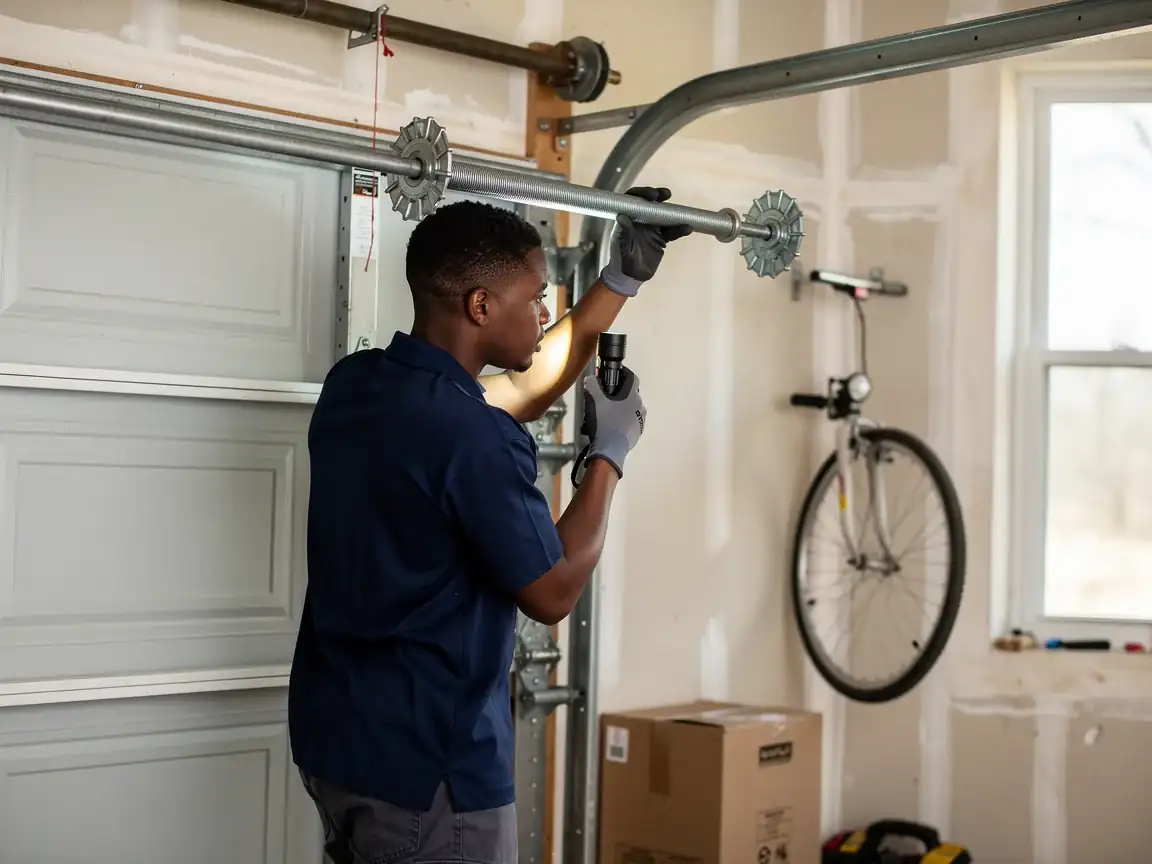
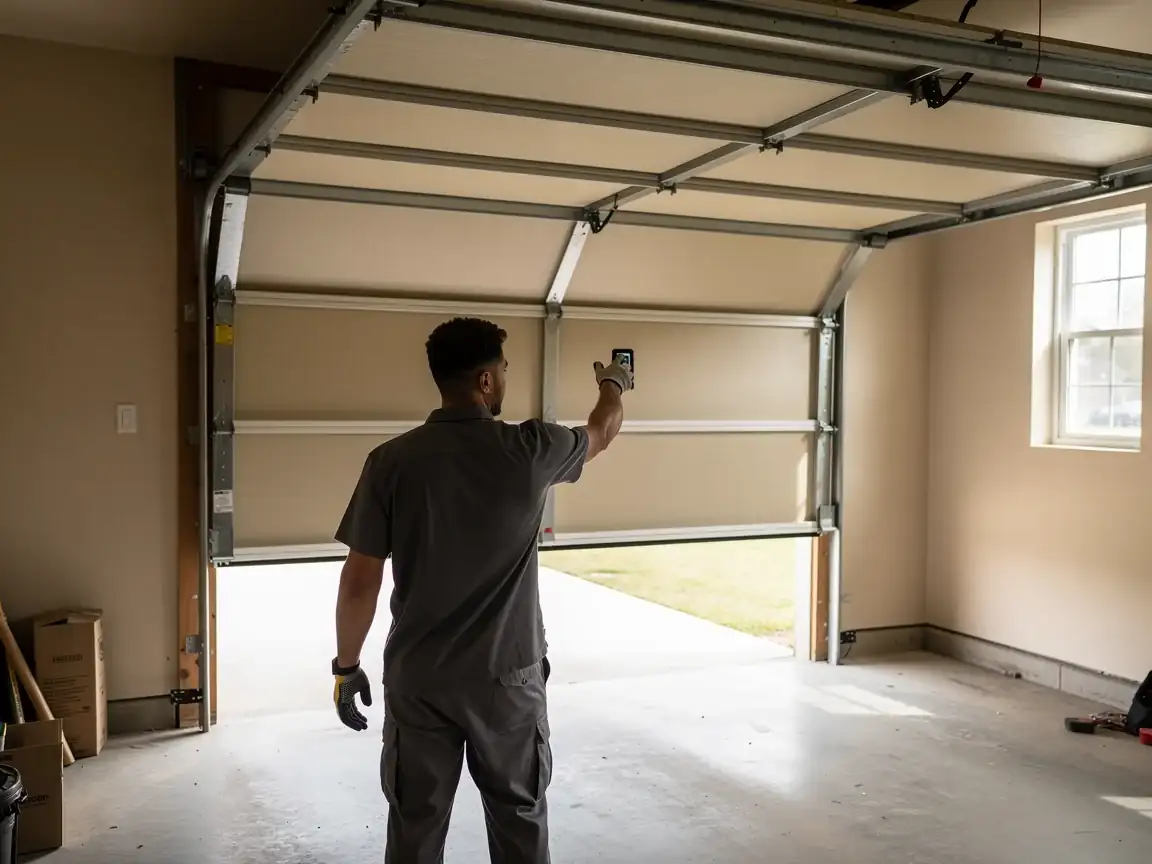
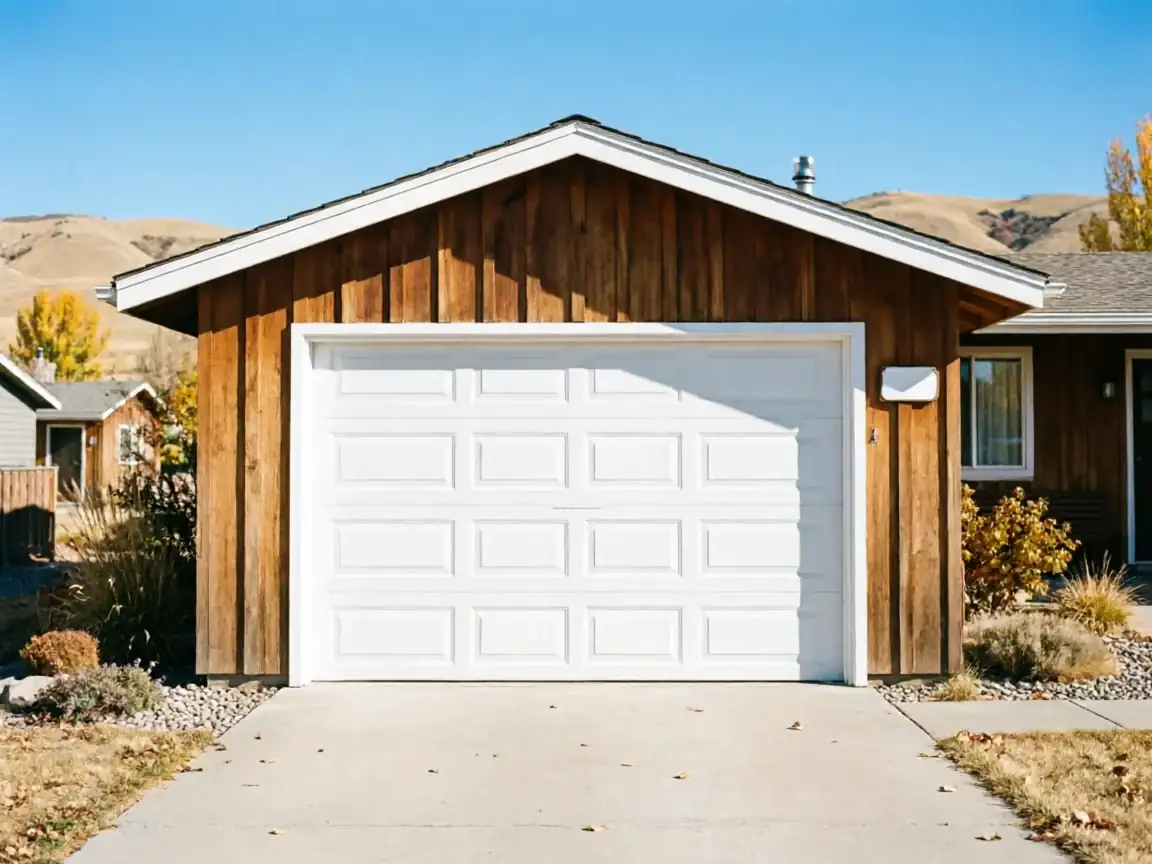
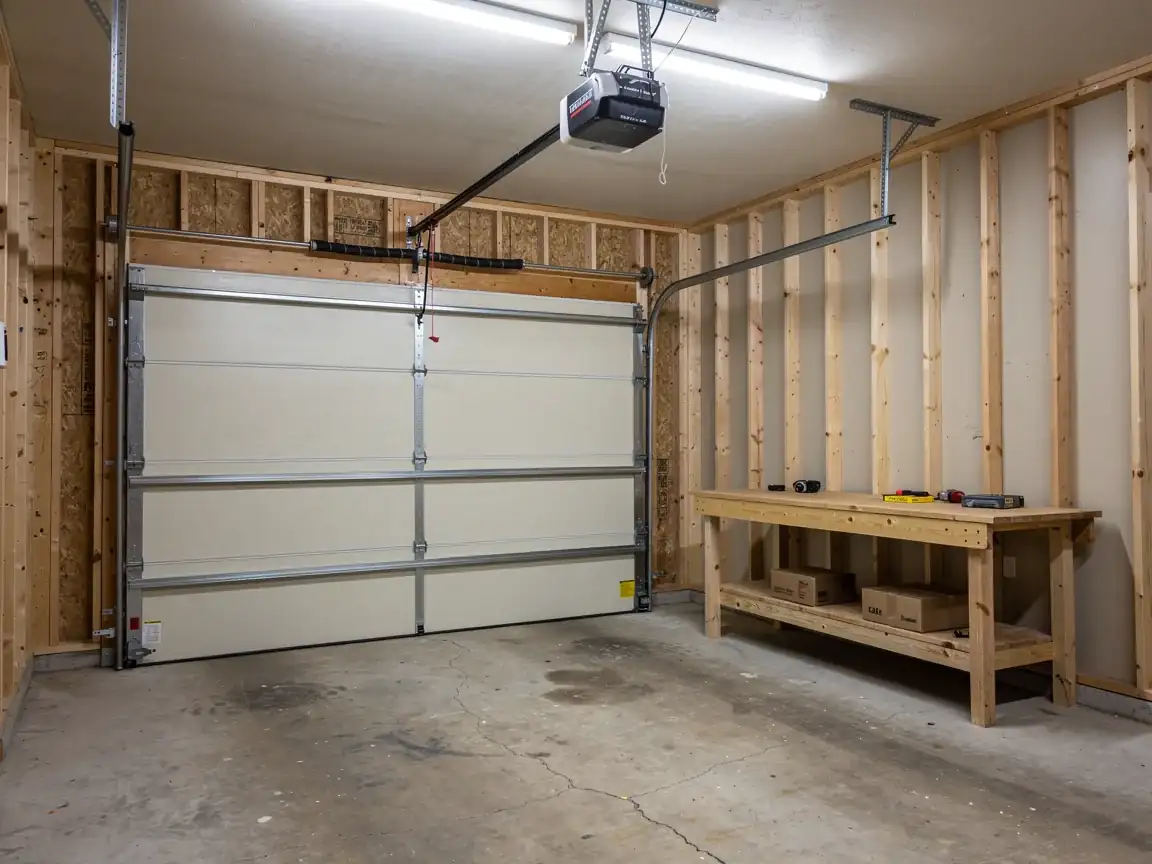
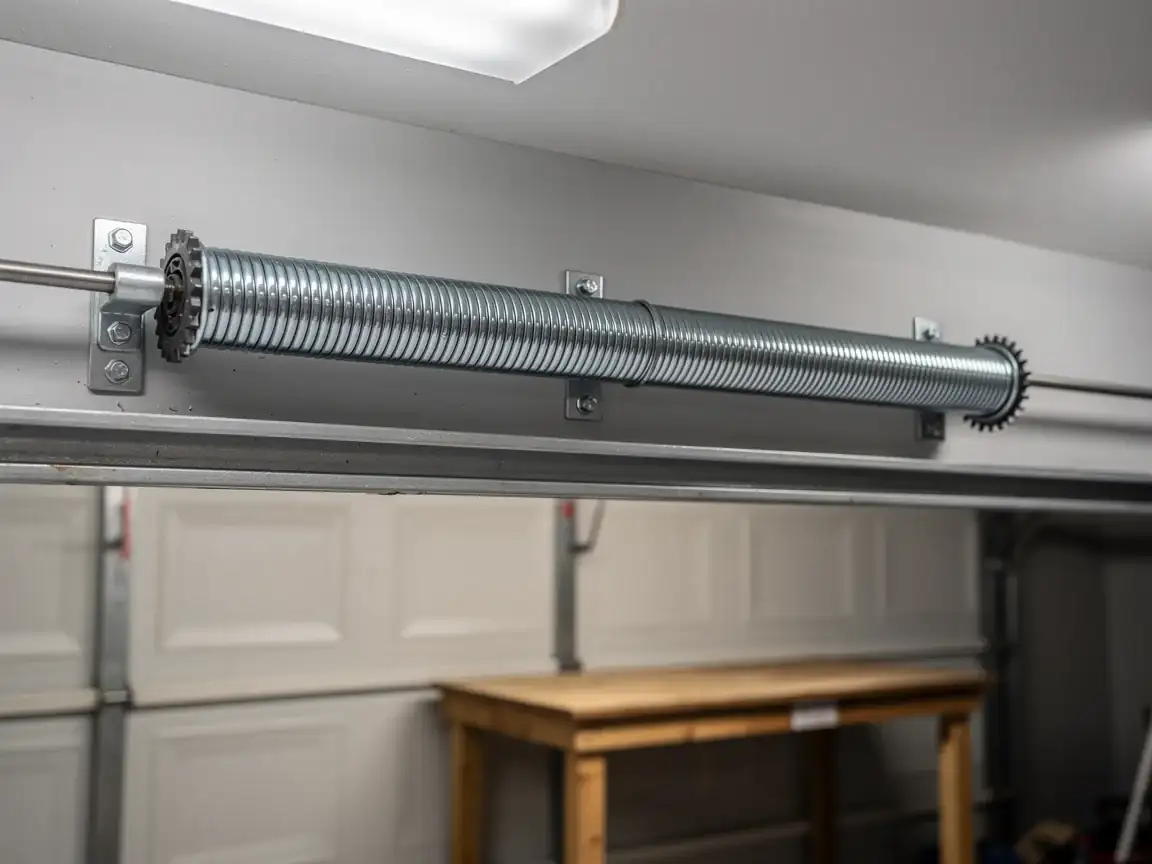
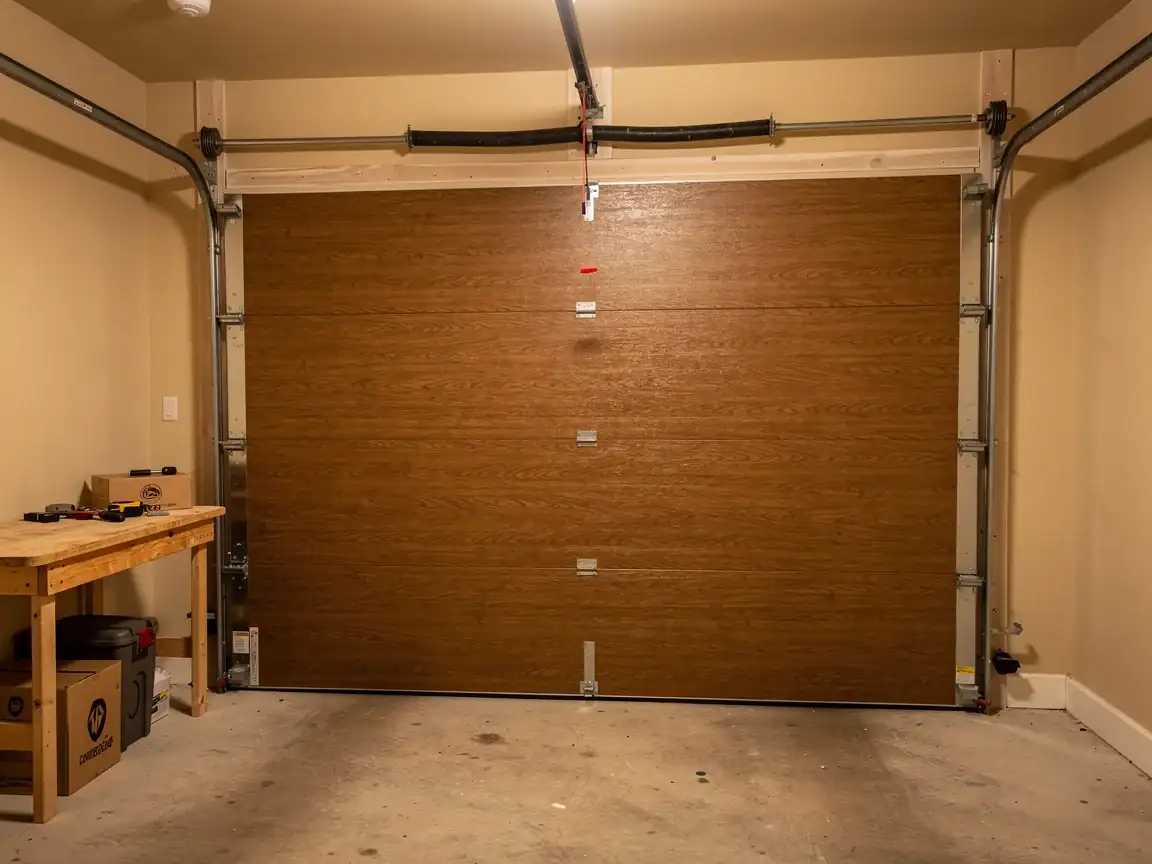
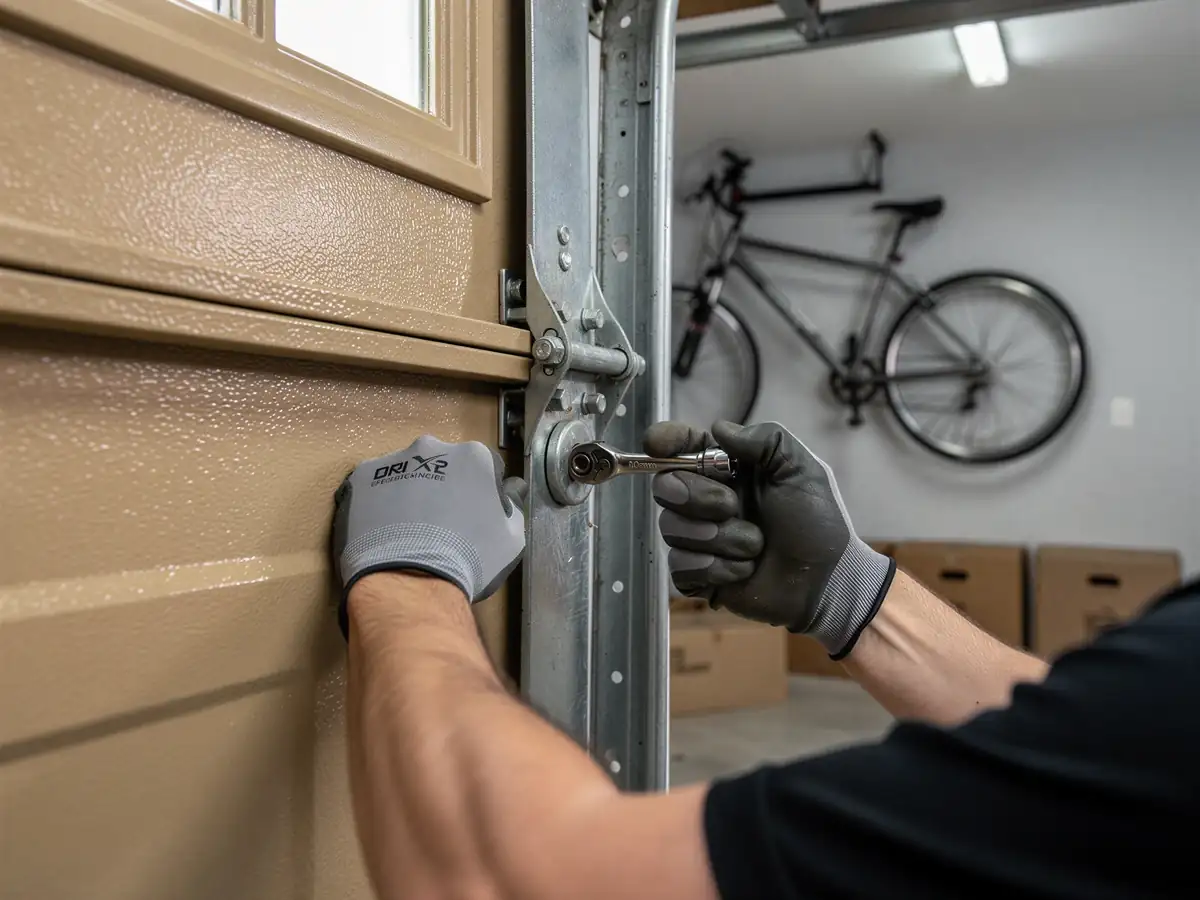
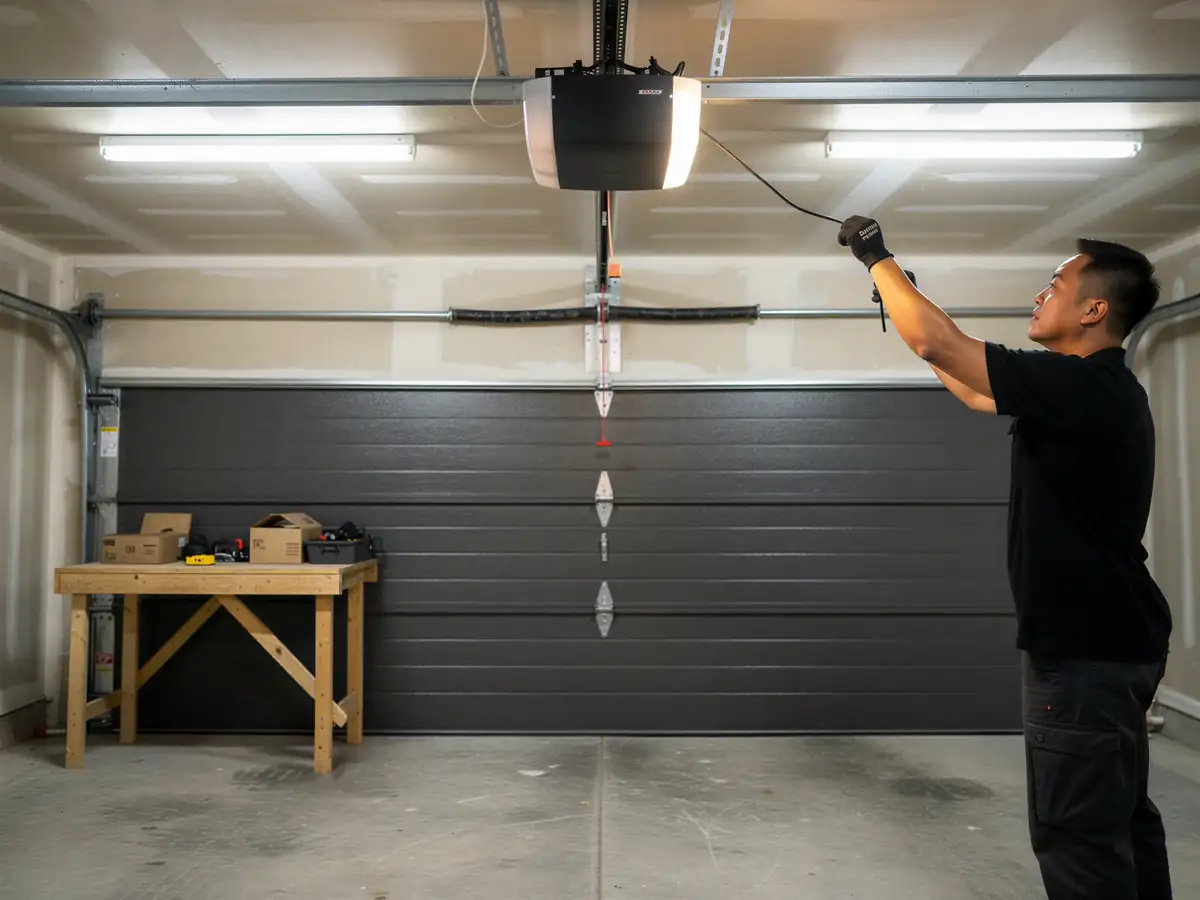
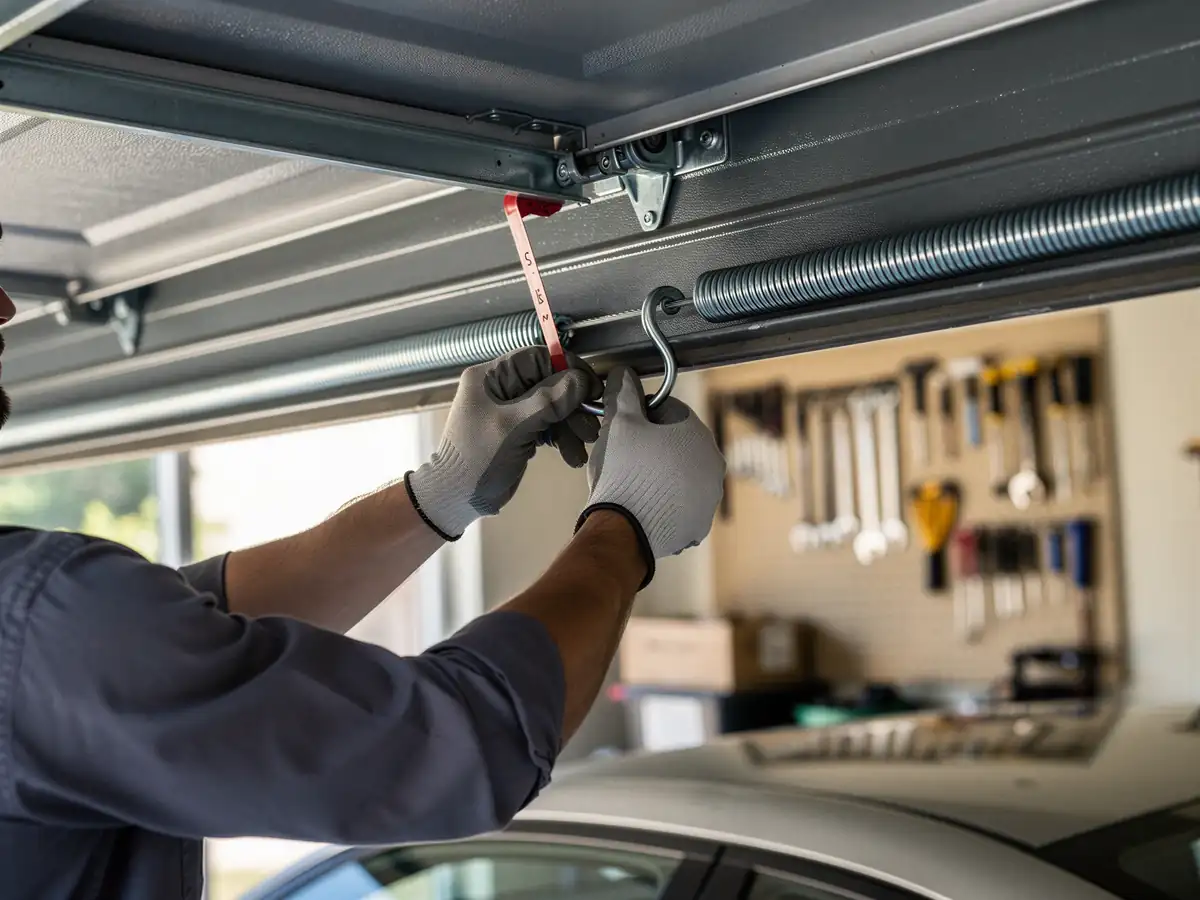
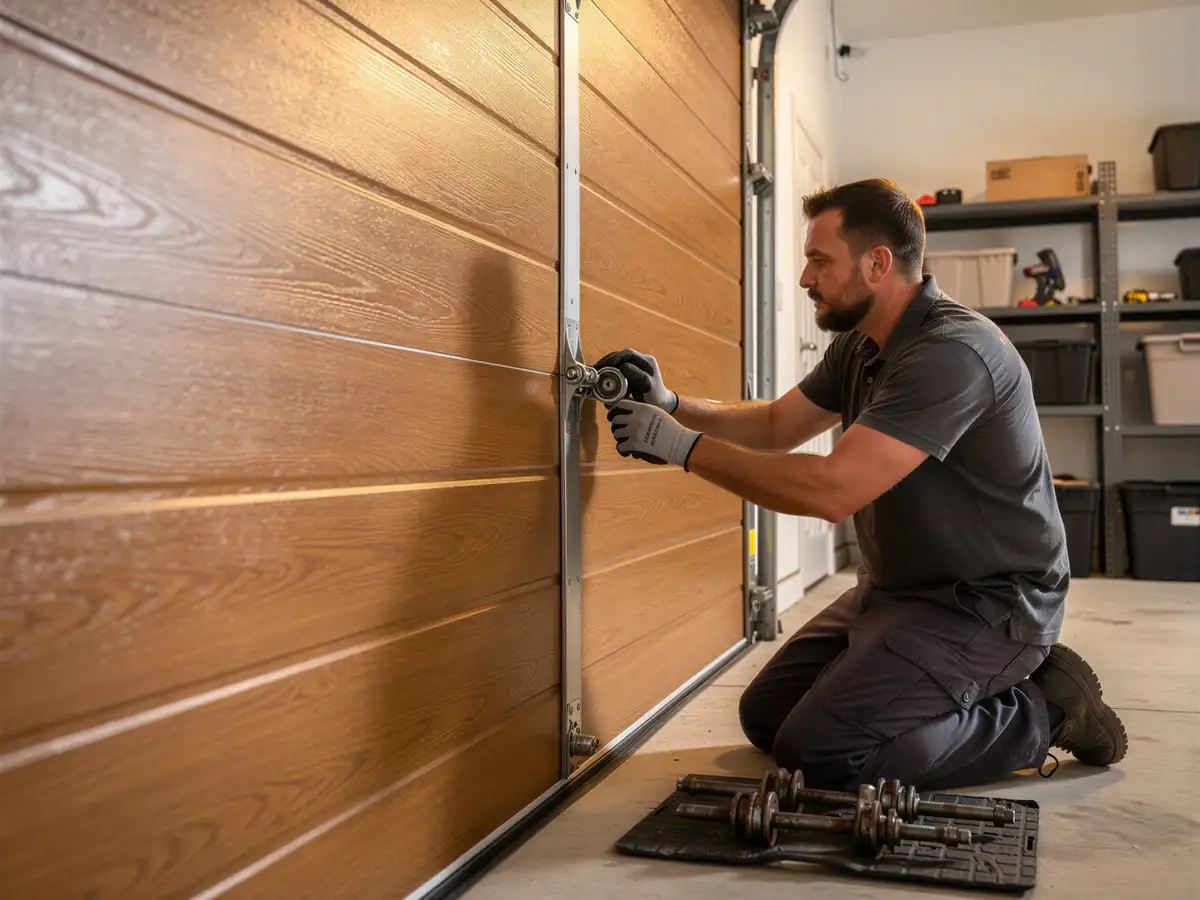
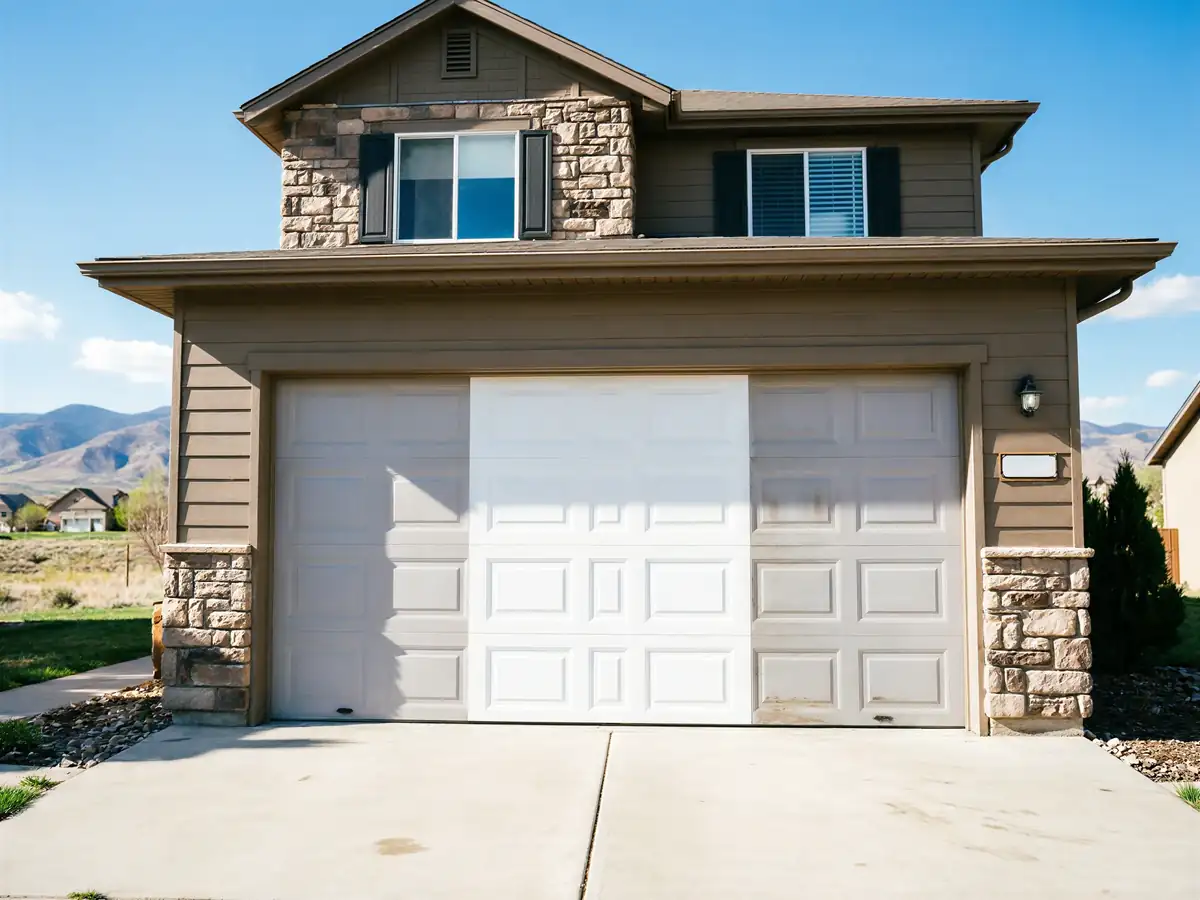
Most Cascade Valley garages we'd be working on were framed out in the 1970s and 80s, which usually means steel sectional doors on standard torsion springs rather than the older wood or one-piece doors you'd find on an earlier build. Panel replacement on that kind of door is a matter of pulling the damaged section's hinges and rollers, unbolting it from the panels above and below, and bolting in the replacement - assuming the replacement panel exists in the right width, color, and ribbing pattern. If it's an insulated steel panel, we also match the foam core thickness so the new section doesn't feel or sound different from the rest of the door. We check the track and hinges on either side of the damaged panel too, since a bent panel often means the rollers next to it took a hit as well.
The DIY Question
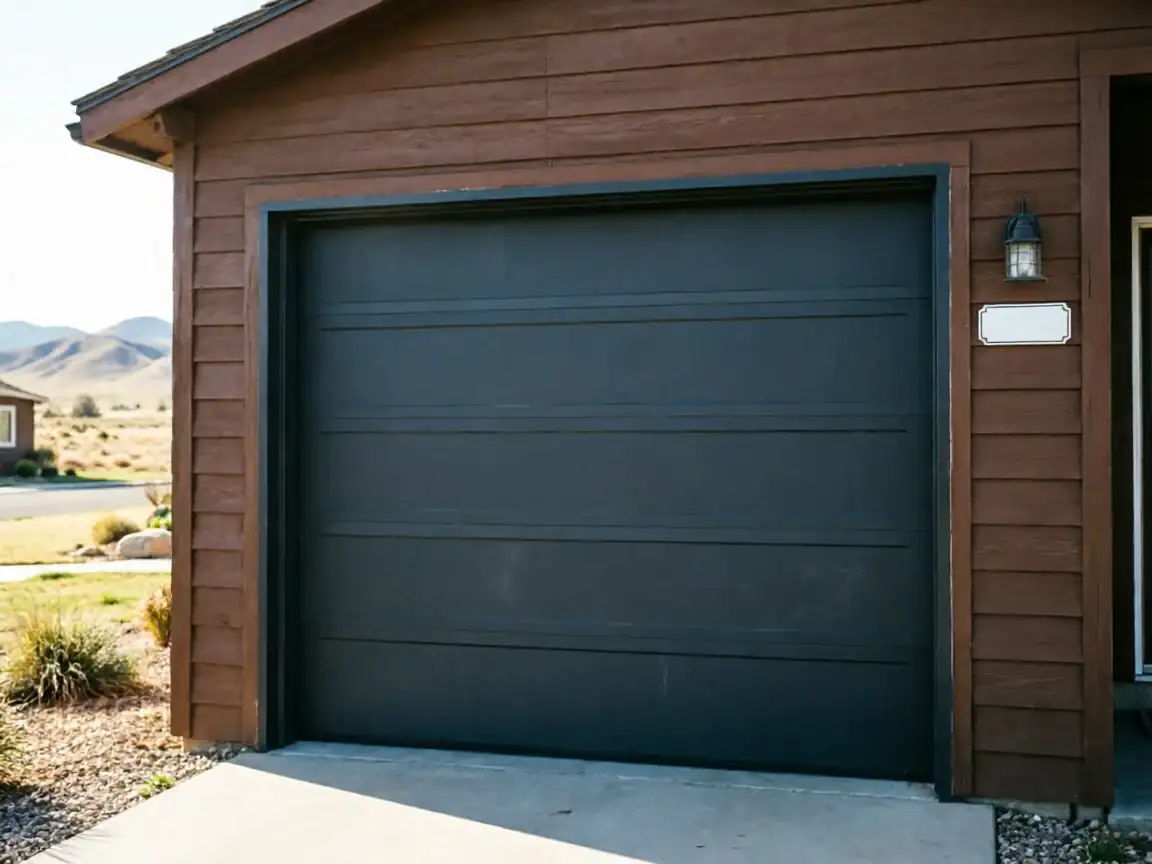
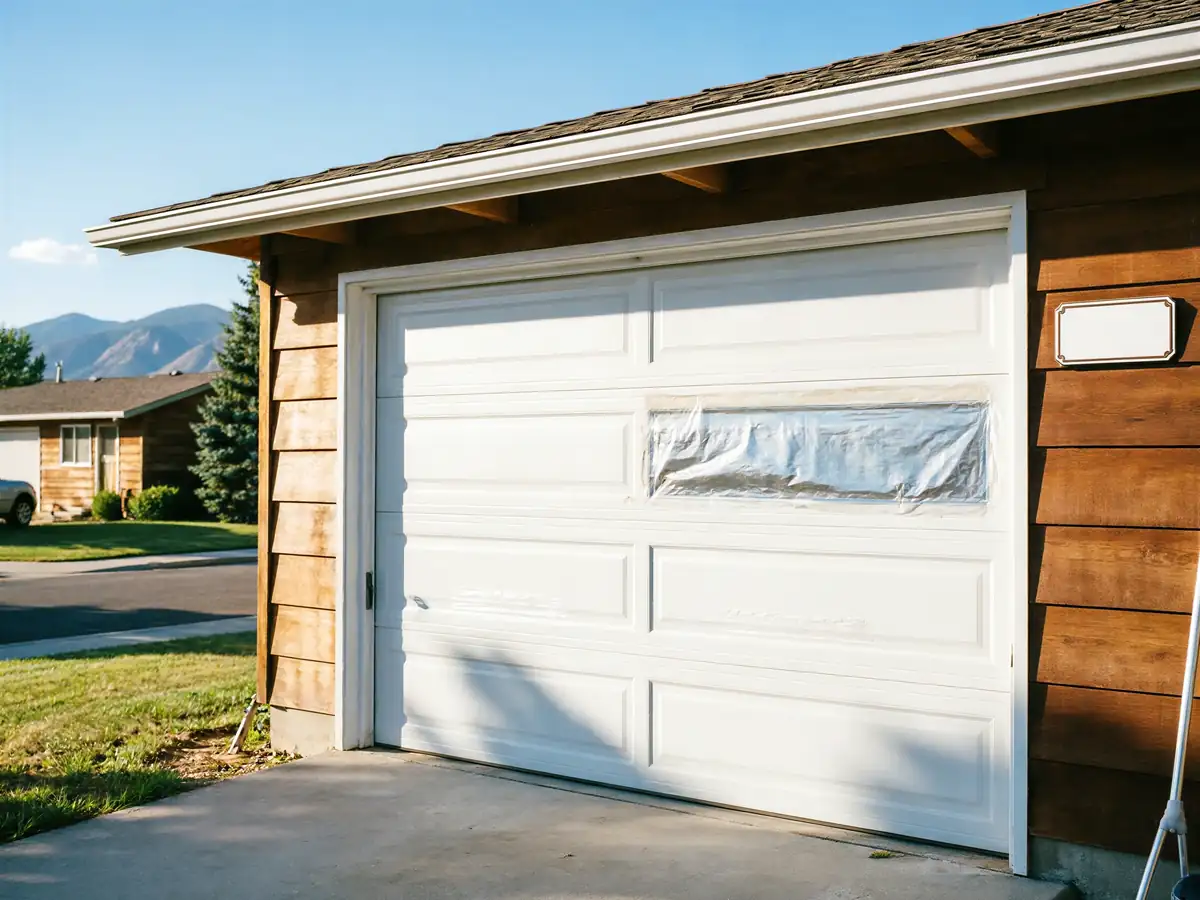
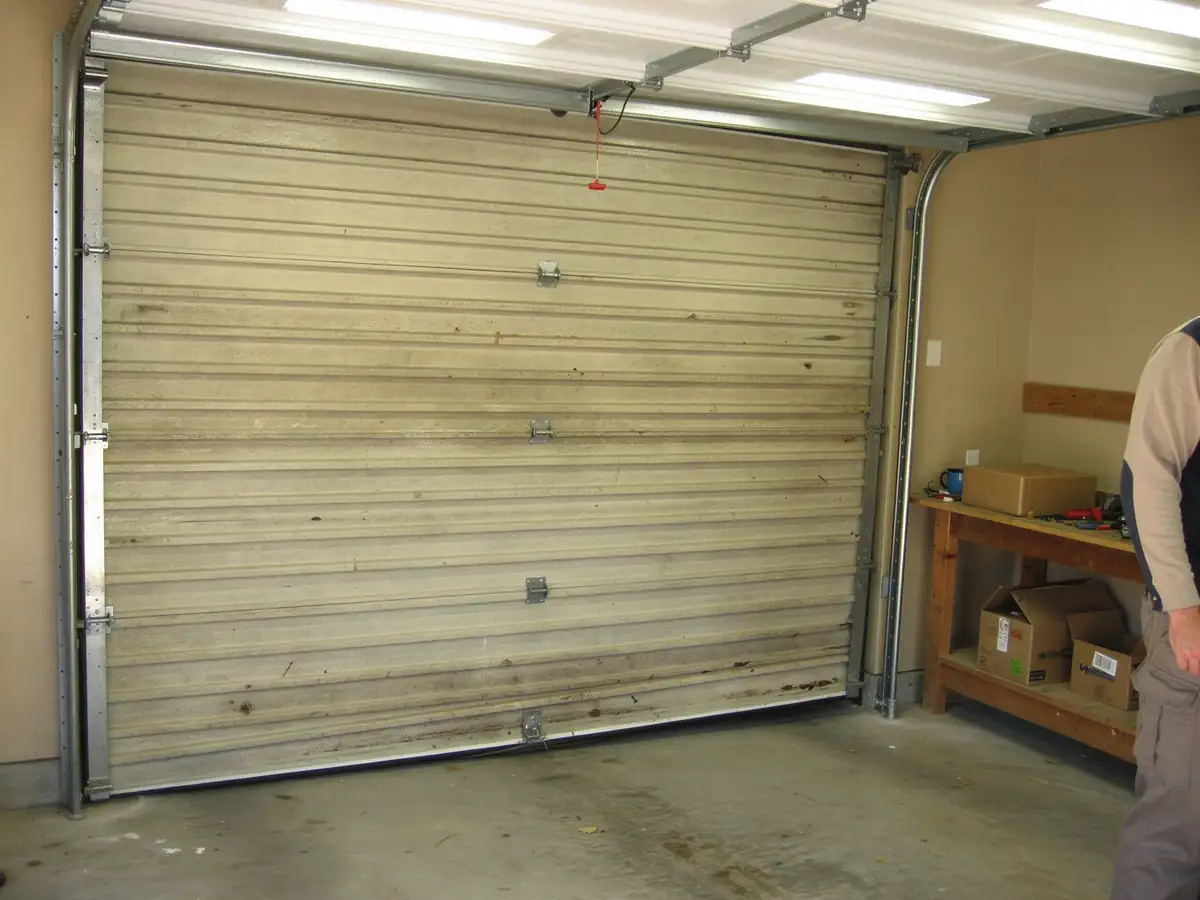
A single scuffed or dented panel with the door still tracking straight is sometimes a fair DIY job if you can source the exact matching panel - same brand, same width, same finish. Where it stops being a weekend project is paint fade. A door installed anywhere near 1987 has had decades of sun and cold to fade the factory color, and a brand-new panel bolted next to thirty-plus-year-old ones will look like exactly what it is: two different doors. We're honest about that limitation - we can get you a structurally sound panel, we can't always get you an invisible match on an older finish. If more than one panel is bent, or the track is out of square, that's past a bolt-in fix and worth a call rather than a guess.
How Long It Takes
We run out of Moses Lake, and Cascade Valley sits about 3 miles out, so travel isn't the bottleneck on a panel job here - sourcing the right panel is. A single standard steel panel in stock is a same-visit bolt-in. A panel that has to be special-ordered because the door is an older or discontinued model pushes the timeline out to however long that part takes to arrive, and we'll tell you that lead time before we order anything, not after.