What You Pay
Cascade Valley is a short run, three miles out from Moses Lake
So the truck isn't burning half the morning getting here the way it would heading out toward Warden or Ephrata. That doesn't set your price, but it does mean the appointment slot is predictable instead of padded for drive time, which matters when you're trying to plan around a workday.
We don't have a posted price list for this page, and we're not going to invent one
What actually moves the number on an opener job is what's already mounted on your door: whether you're swapping a dead unit for a like-for-like replacement, or pulling out an old chain-drive and adding a battery backup and keypad that the house never had. A house here with its original 1980s hardware usually needs new mounting brackets and rail length to match current units, which adds a bit over a straight swap. We'll tell you the number before anything gets unbolted, not after.
One honest limit: if your opener has been crying for a replacement for years and the bracket is pulling loose from a header that's also seen better days
That's carpentry first and opener second. We'll say so rather than bolt a new motor to a problem.
What the Fix Involves
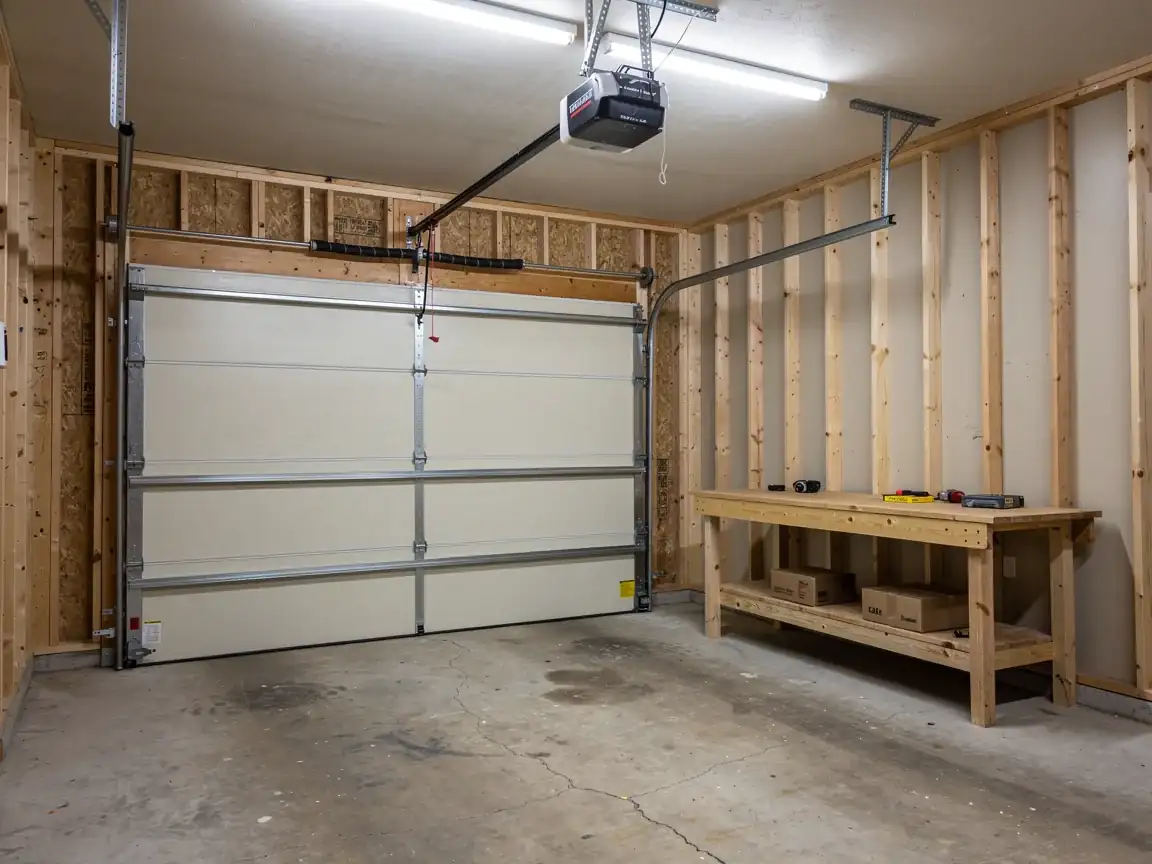
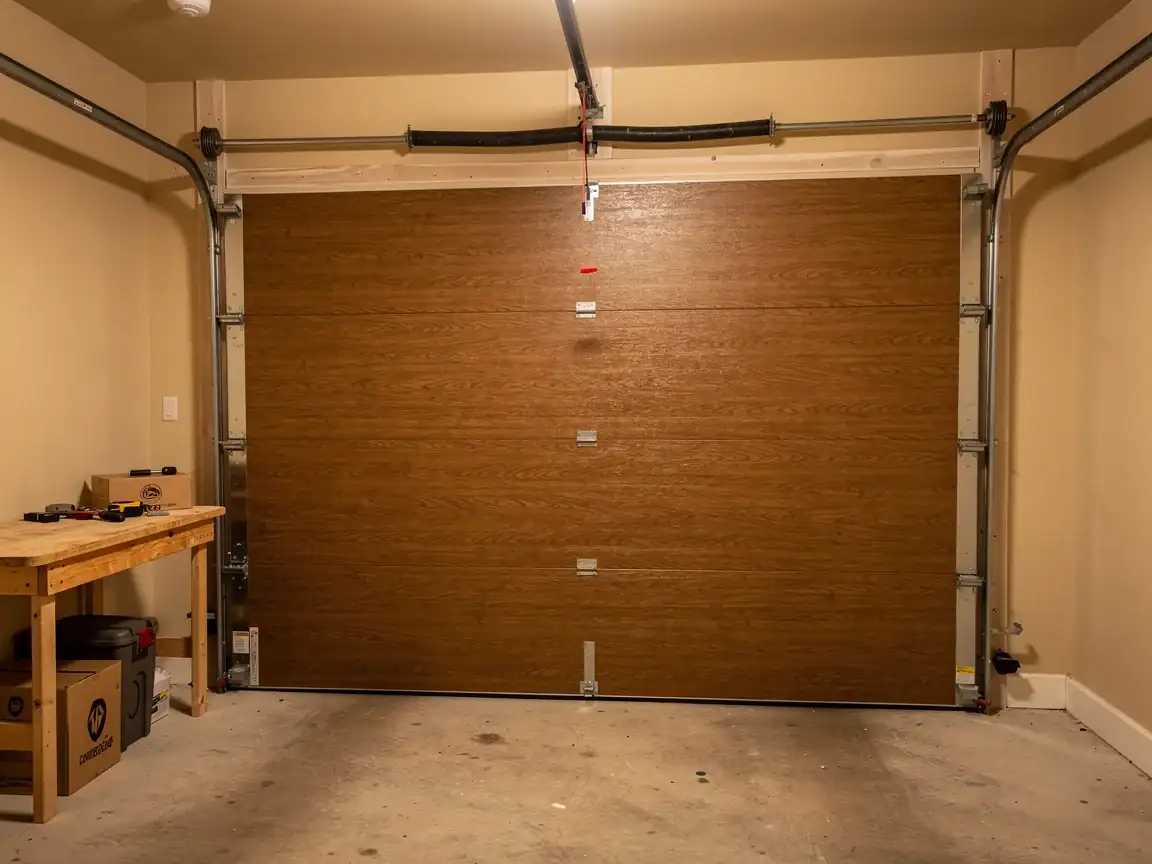
Most of Cascade Valley's houses went up well after the area's broader growth wave settled, with a median build year of 1987 - a good eighteen years past the 1969 median that covers the wider service territory. That gap matters here. A late-'80s garage usually has a wider rail, a different header clearance, and an opener motor sized for the lighter steel doors that were common on new construction by then, not the older wood or heavier early-steel doors you'd find on 1960s stock elsewhere in the area.
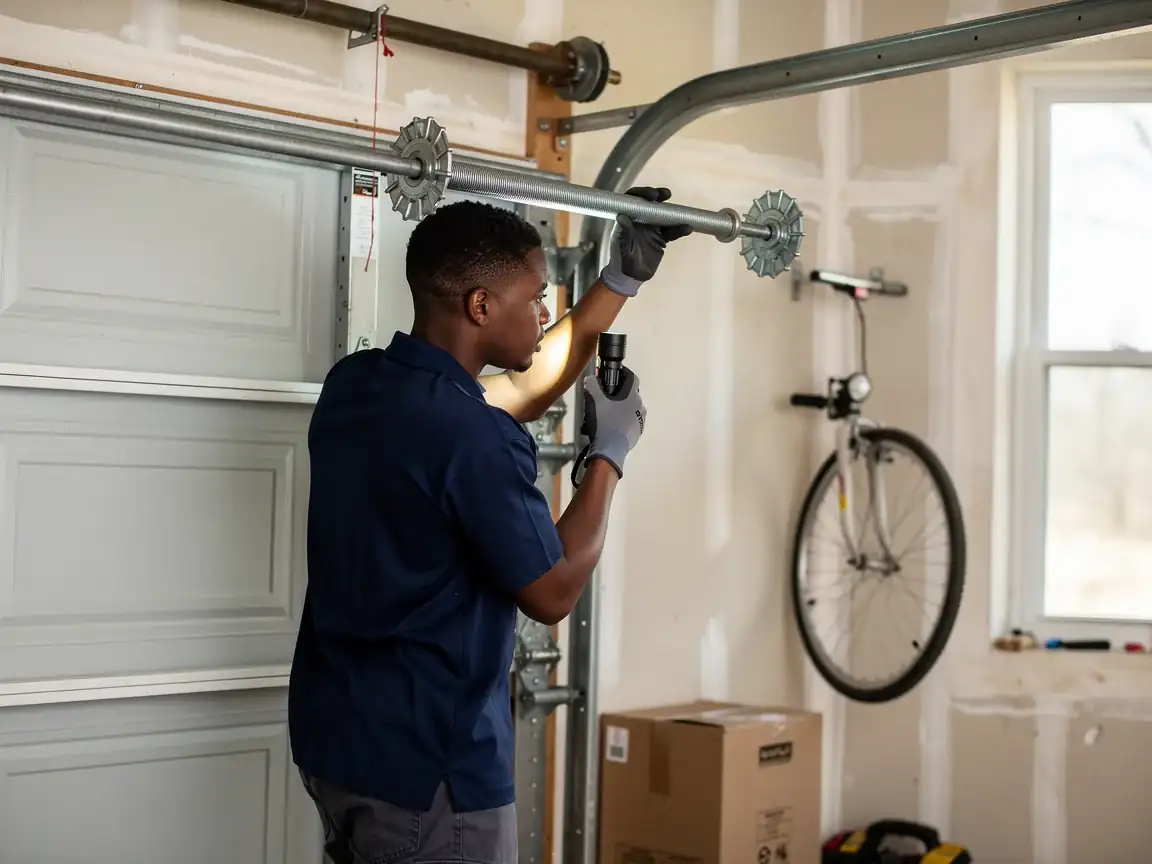
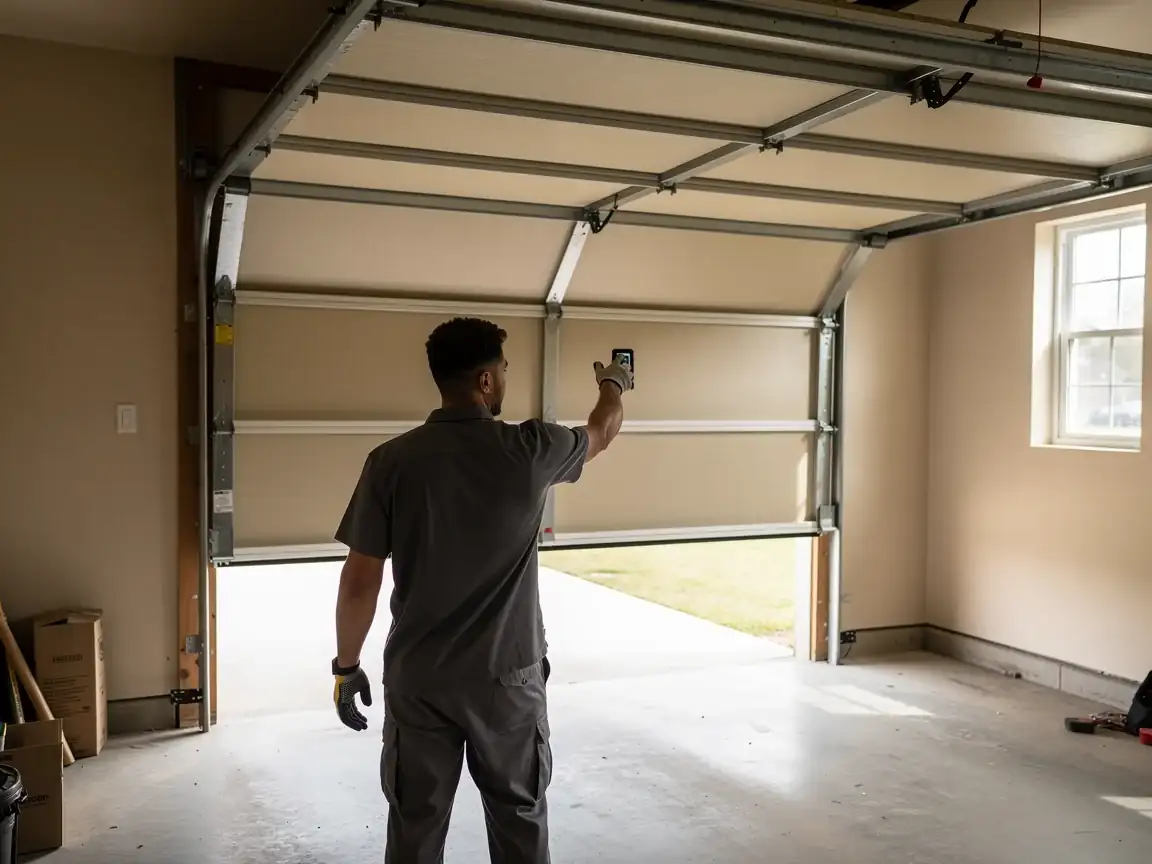
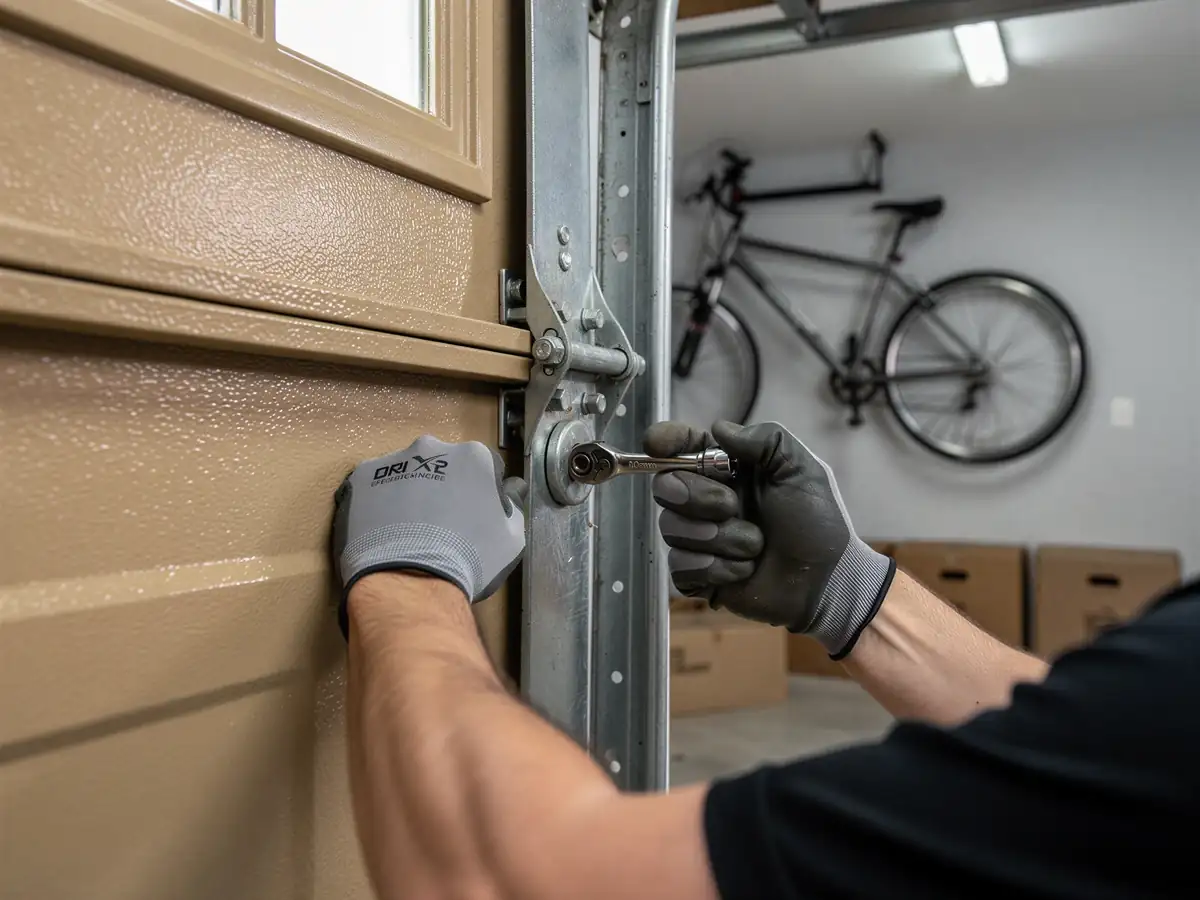
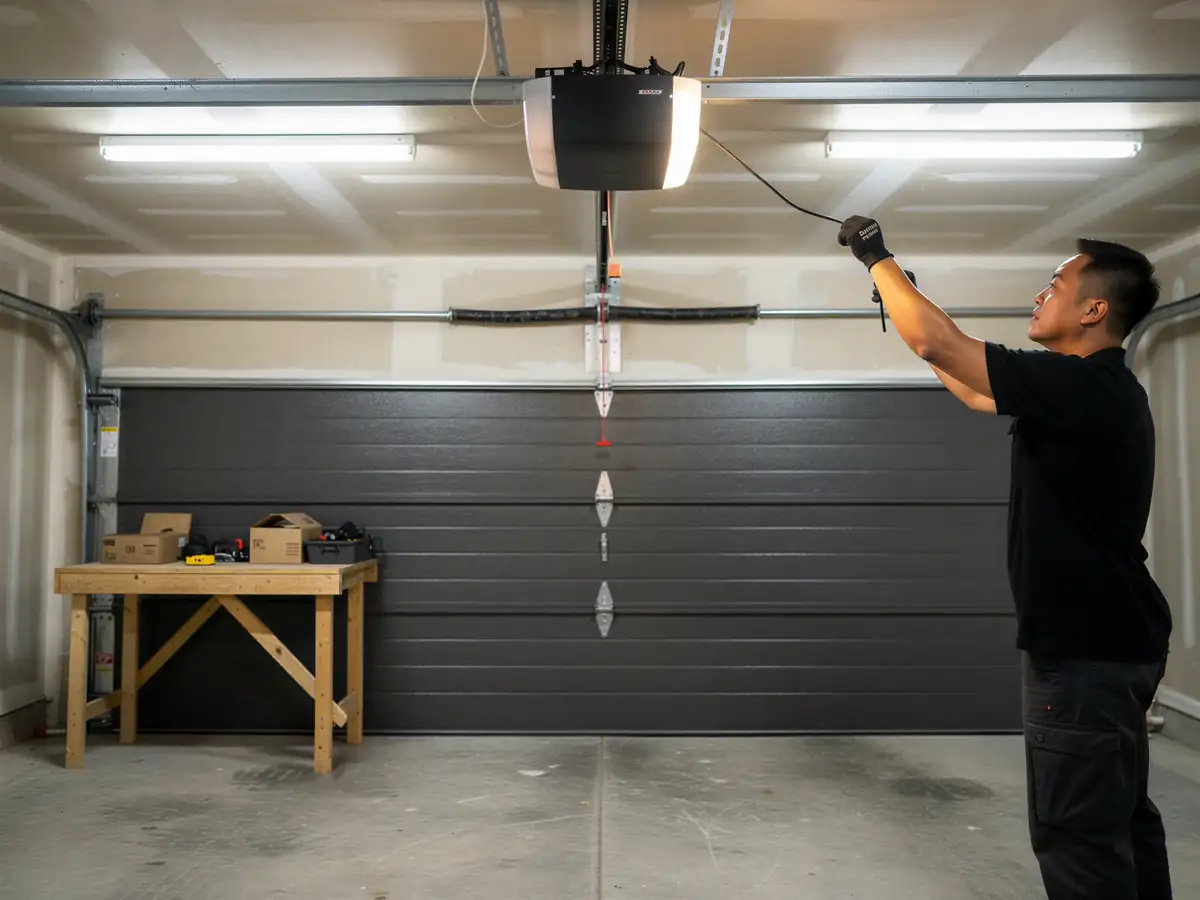
The install itself is the same sequence whatever the house: mount the rail and motor, set the travel limits, wire the wall control and safety sensors, and run the door through a full open-close cycle while checking force settings. What changes house to house is the bracket spacing and whether the existing header can take the mounting hardware without reinforcing. On a house built in 1987, that header is usually sound. On the handful of older homes mixed into this pocket, it sometimes isn't, and we check before we drill.
We also test the manual release and the backup battery if one's going in - cold-weather power blips aren't rare out here, and a dead opener with no manual release is a door you're stuck looking at.
The DIY Question
A lot of opener kits sold in stores come with generic rail lengths and mounting hardware meant to fit a range of door heights and weights, which is fine until your garage doesn't match the average. Houses in this suburb, mostly built around 1987, tend to run slightly different ceiling clearance and header depth than the older stock across the rest of the service area, so a kit that worked for a neighbor's 1960s-era garage can still need shimming or a shorter rail on a newer one here.
The parts most people get wrong installing solo aren't the motor - it's the safety sensor alignment and the travel-limit setting. Get either wrong and the door either won't close all the way or reverses on contact with nothing there. Both are fixable, but they're also the two things that turn a Saturday project into three trips to the hardware store.
We're not going to tell you it can't be done. If you're comfortable on a ladder and patient with adjustment screws, a straightforward swap on a standard door is within reach. Where it gets harder is anything involving a header repair, a non-standard door weight, or wiring into an existing keypad system - that's where most DIY jobs stall out and a call ends up happening anyway.
What You Are Seeing
If your opener is from whenever the house went up
Commonly 1987 in this part of the territory - the motor itself is well past the point where parts are easy to find, even if it still limps along. Common signs it's done: the light flickers but the door doesn't move, the chain or belt makes a grinding noise partway through the cycle, or the remote works some days and not others.
Cold is the other variable
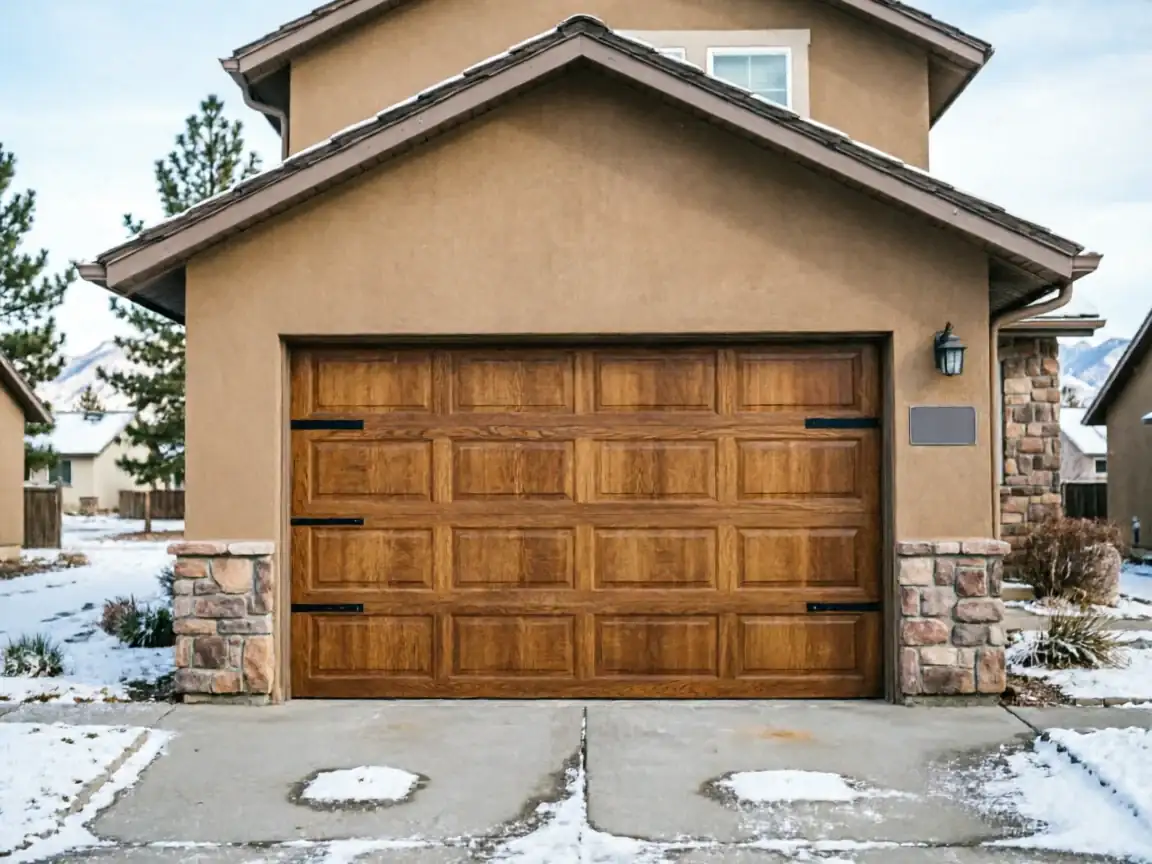
This area sits in a severe-cold climate band, and older chain-drive units get stiff and loud in hard freezes - metal contracting, old lubricant thickening, the motor straining against resistance it wouldn't fight in July. If your opener has gotten noticeably louder every winter for a few years running, that's not just age, that's the cold working on hardware that was never built with insulation or a belt drive in mind.
A dead capacitor or burnt-out logic board looks like a dead opener but isn't always a dead opener
Sometimes it's a fifteen-dollar part instead of a new motor. We check that first before quoting a full replacement, because there's no reason to sell someone a new unit for a problem a part can fix.
How Long It Takes
A straightforward swap - existing rail and bracket compatible, same door weight, no header work - runs about what you'd expect for any single opener install: most of a job's time goes into mounting, wiring, and testing the safety sensors and travel limits, not into driving. Being three miles from Moses Lake means the appointment window here is tight and reliable rather than stretched by a long haul.
What adds time is anything we find once the old unit's down: a header that needs reinforcing before new brackets go in, wiring that doesn't match current standards, or a door heavy enough to need a stronger motor than what's being pulled out. Houses built around the late 1980s in this suburb are generally in decent shape structurally, so these add-ons are the exception rather than the rule, but we'd rather flag it mid-job than rush past it.
If you're also dealing with a door that's sticking, off-track, or banging on the way down, that's worth sorting before or alongside the opener swap - a new motor fighting a bad door wears out fast. See our page on repair work for that side of it.