What the Fix Involves
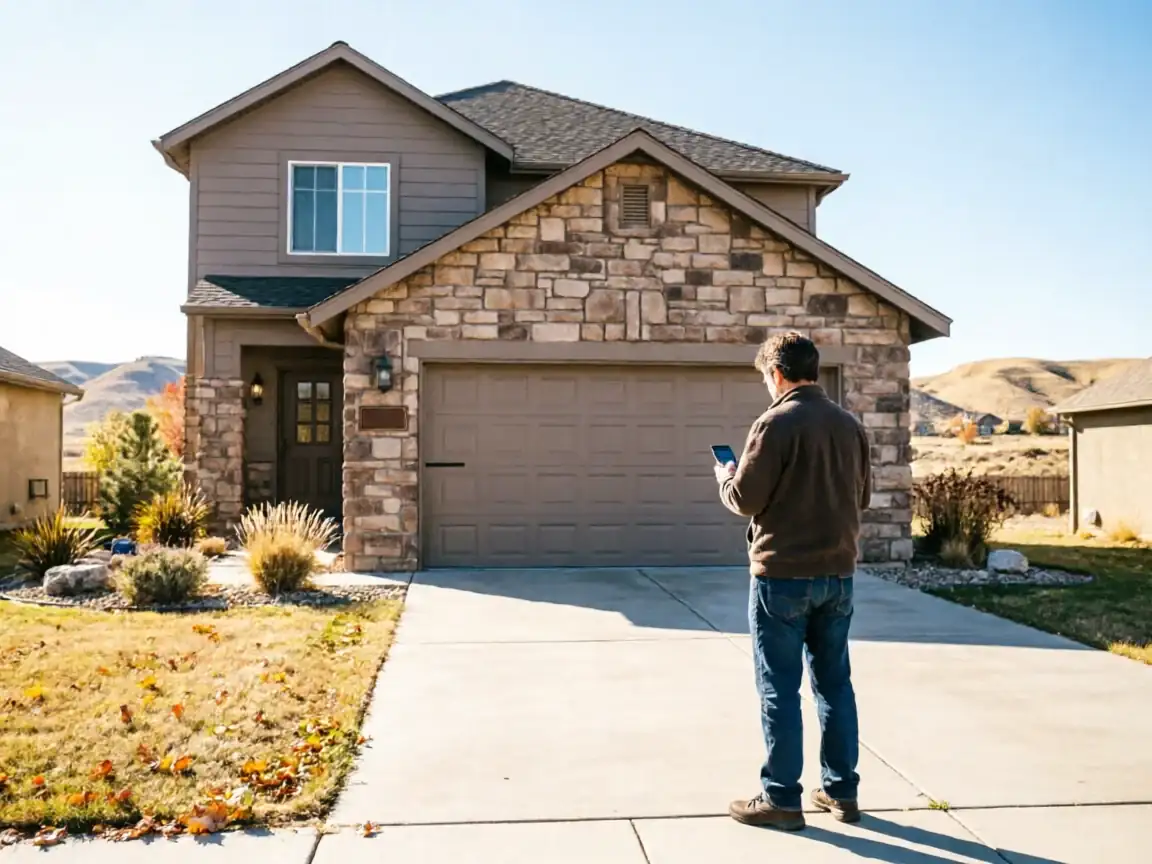
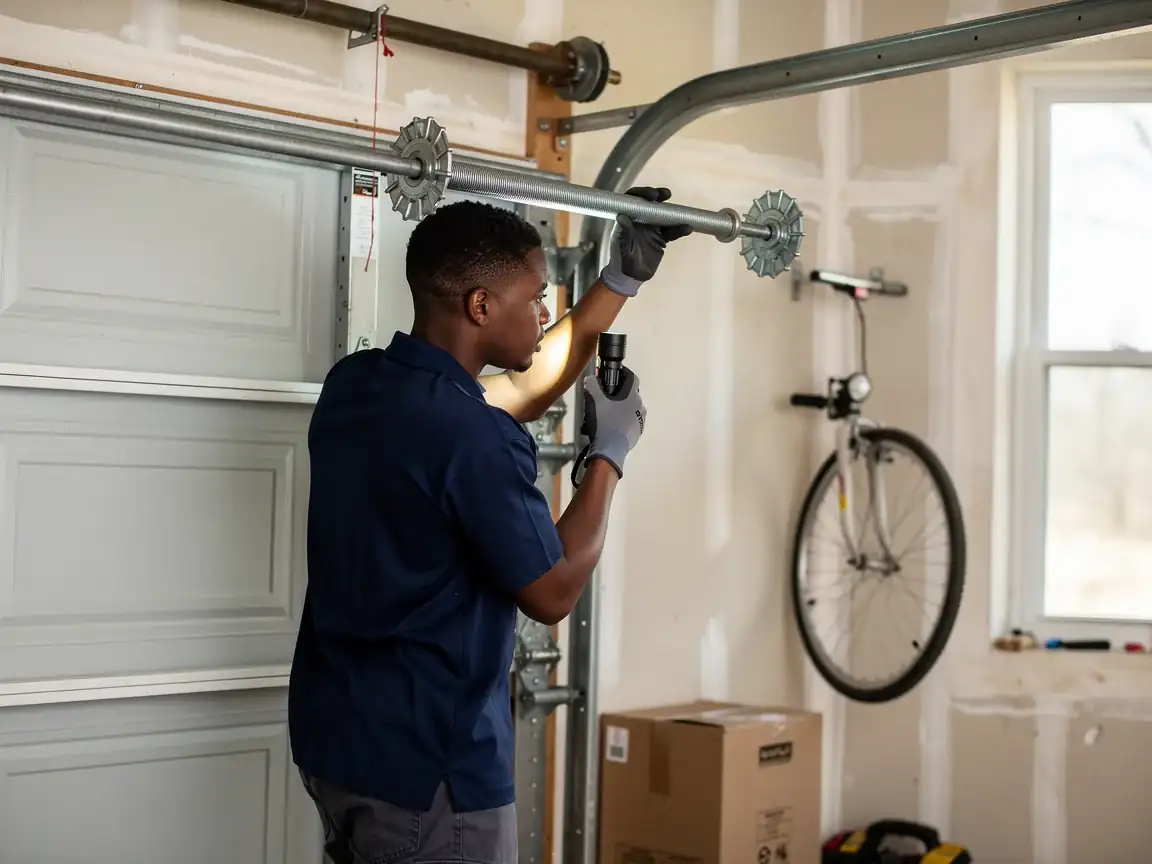
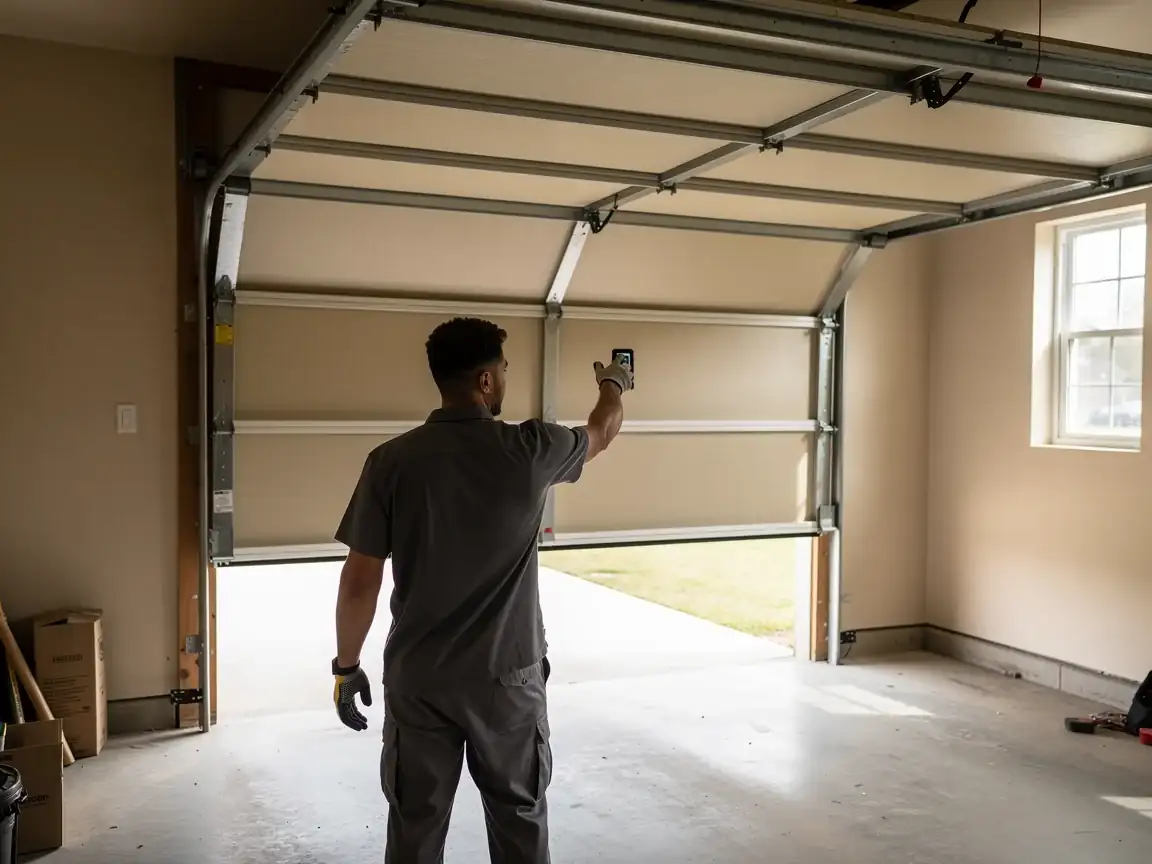
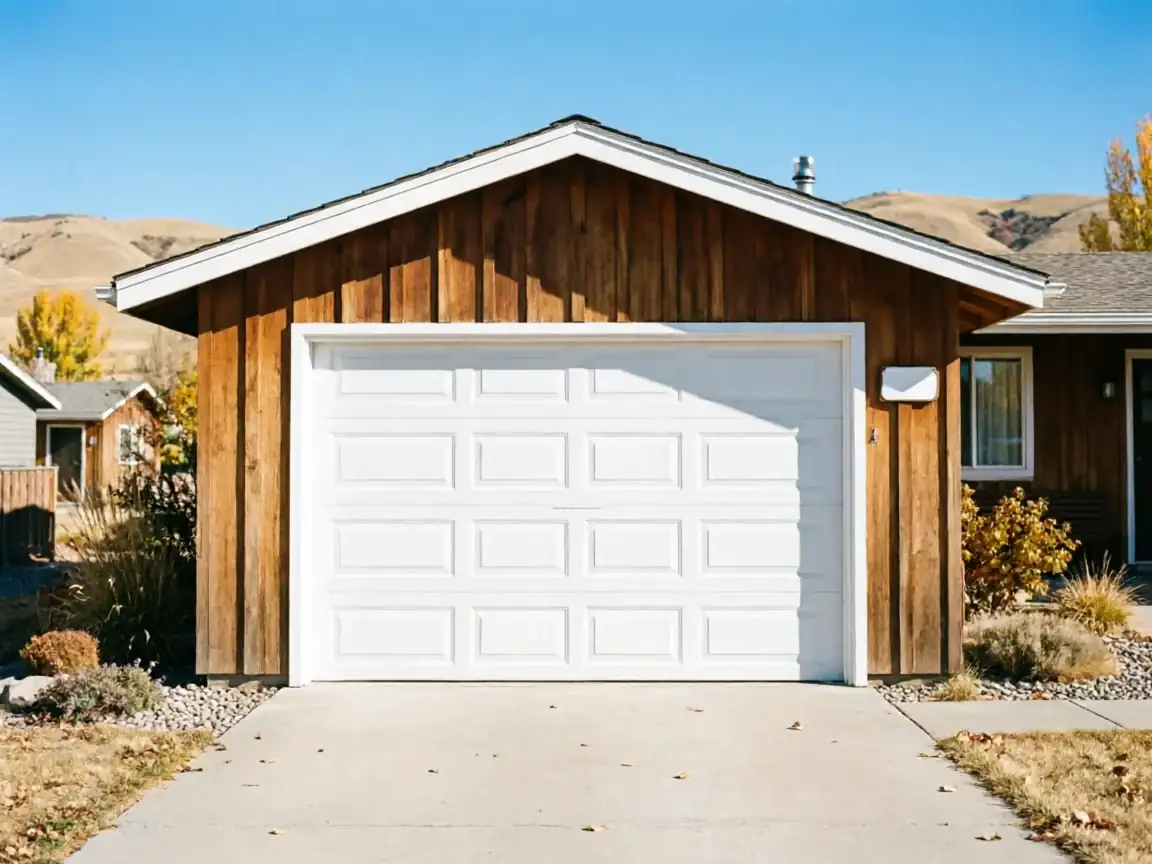
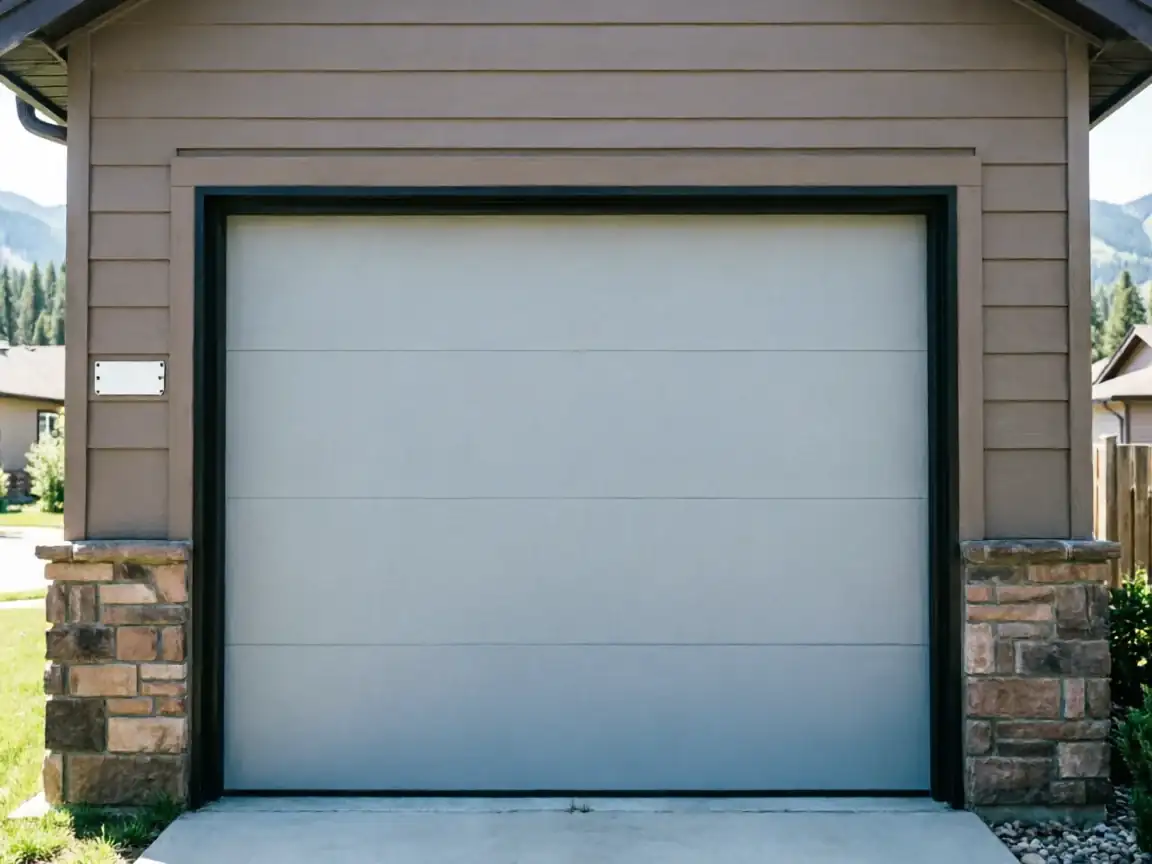
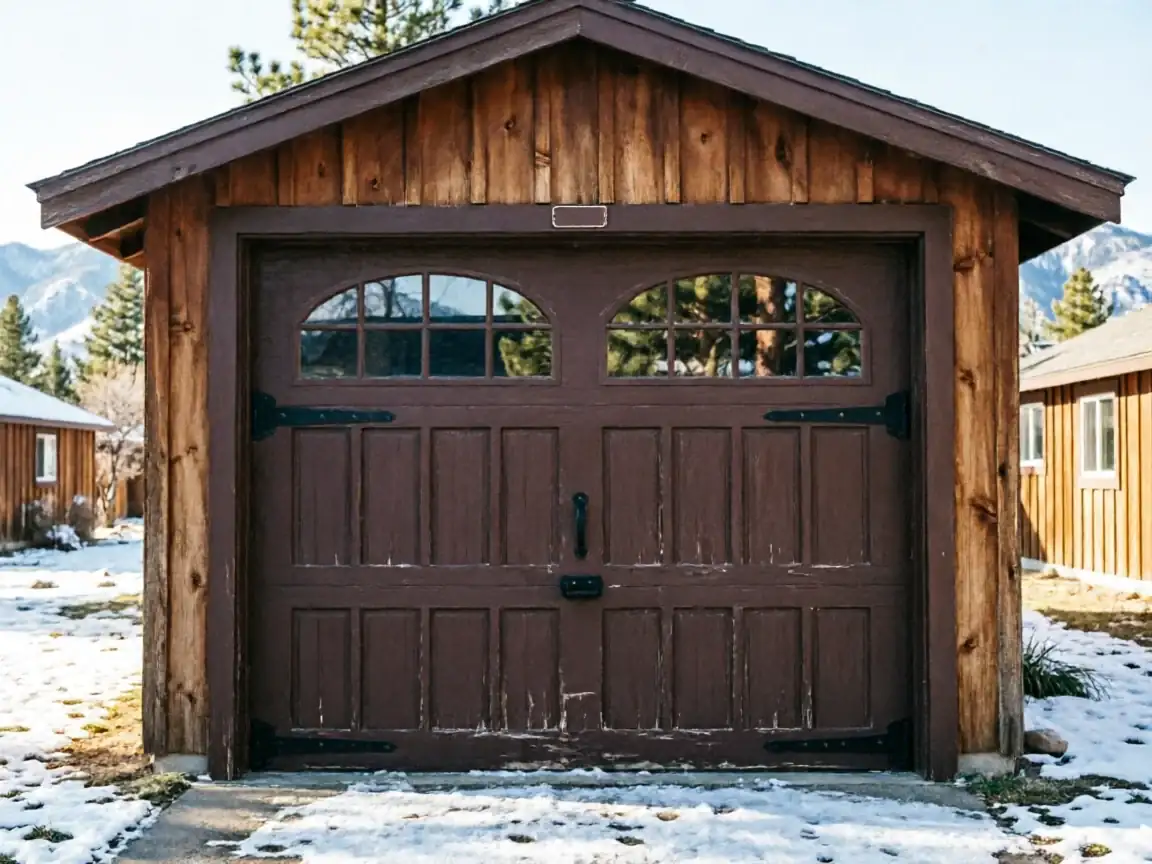
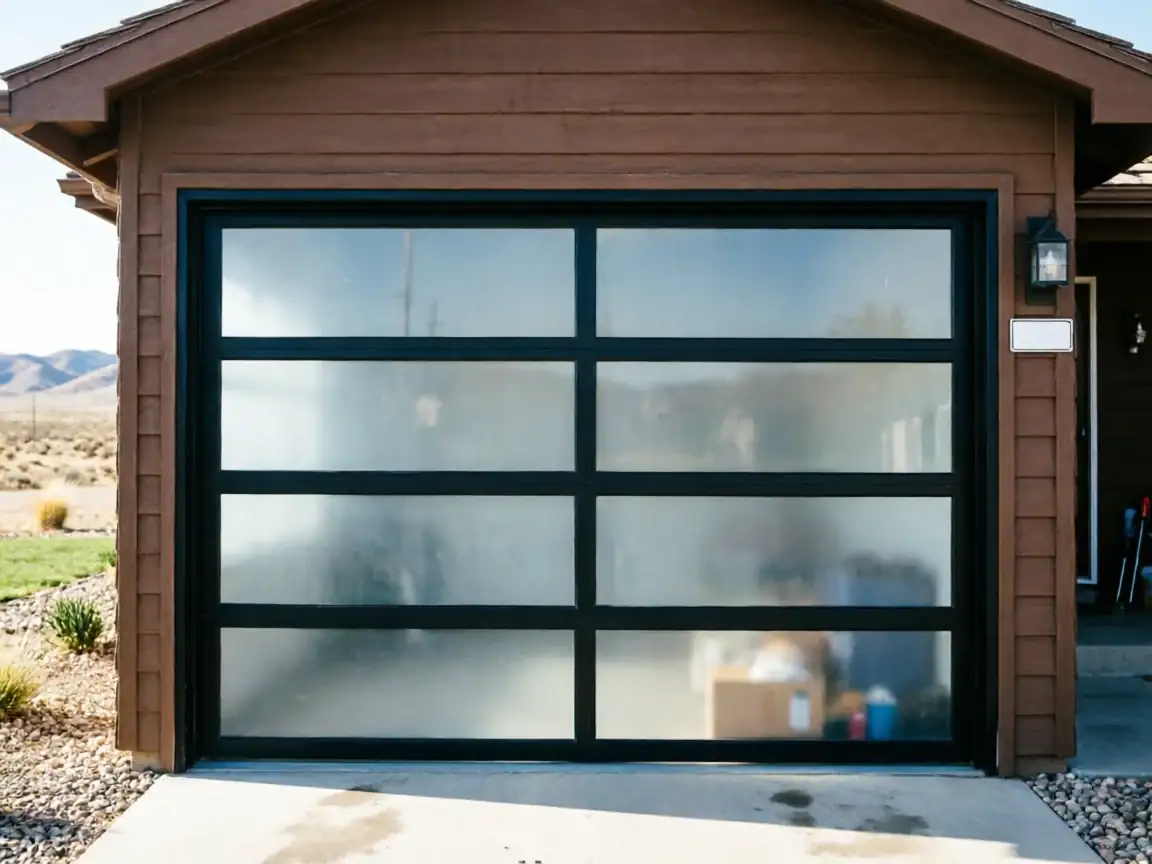
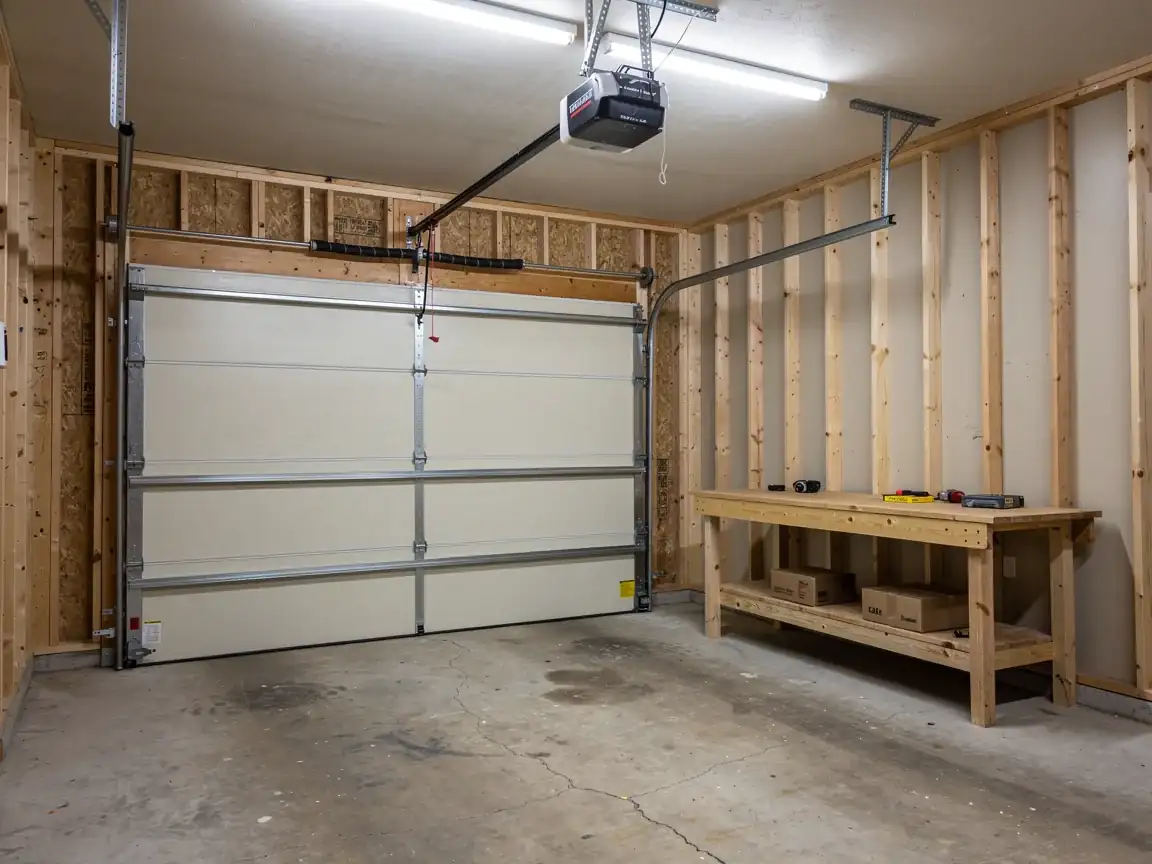
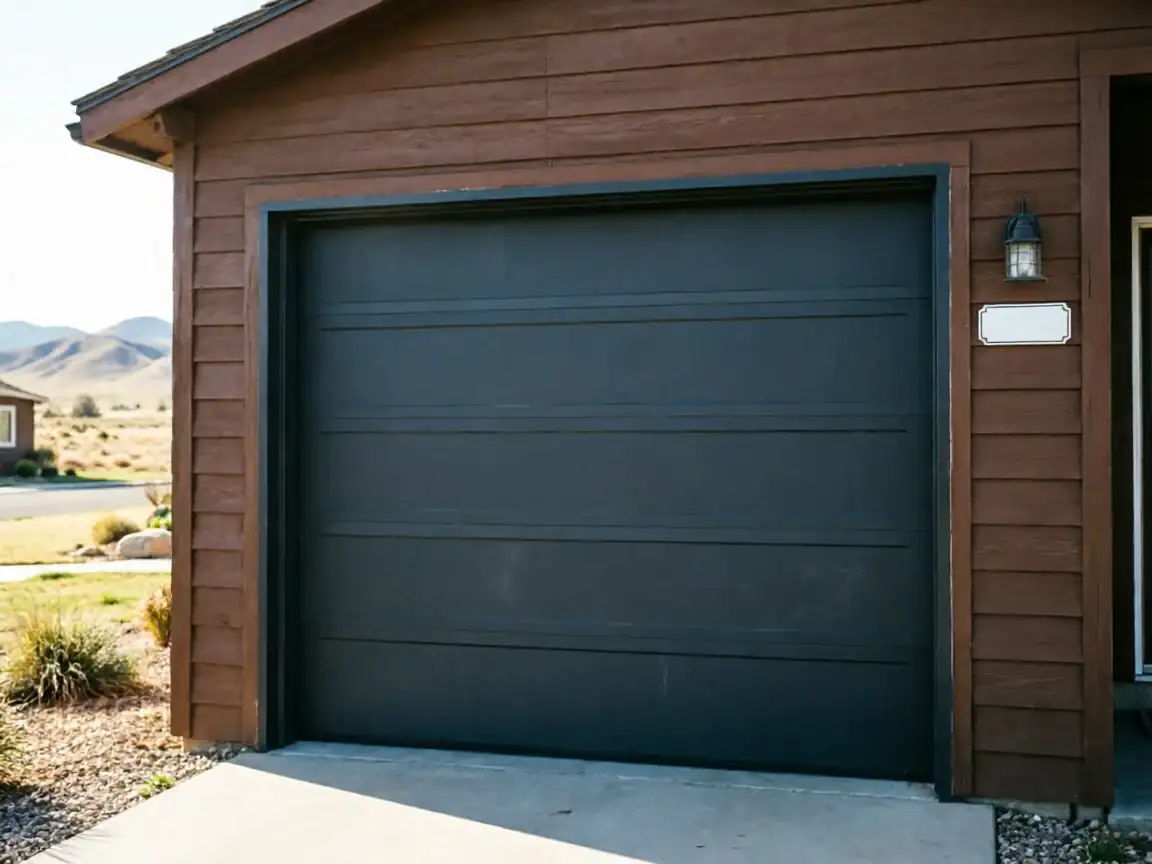
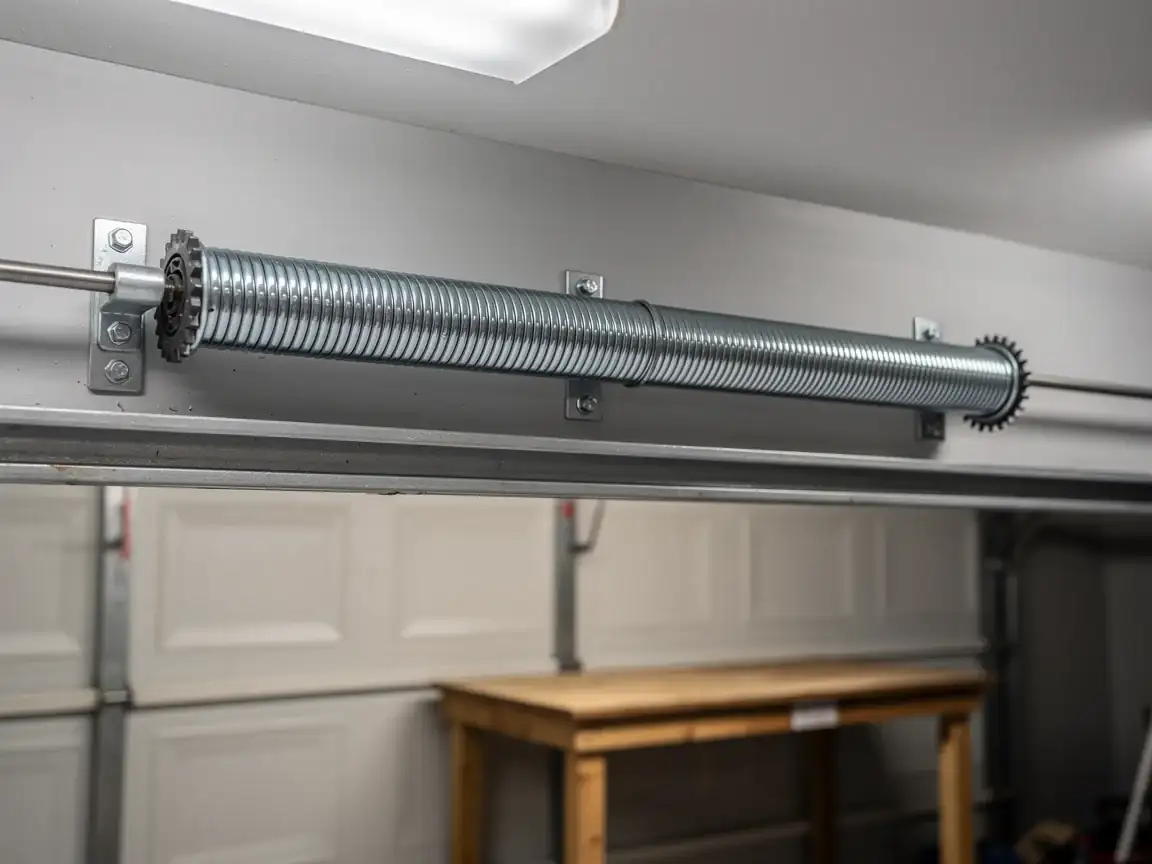
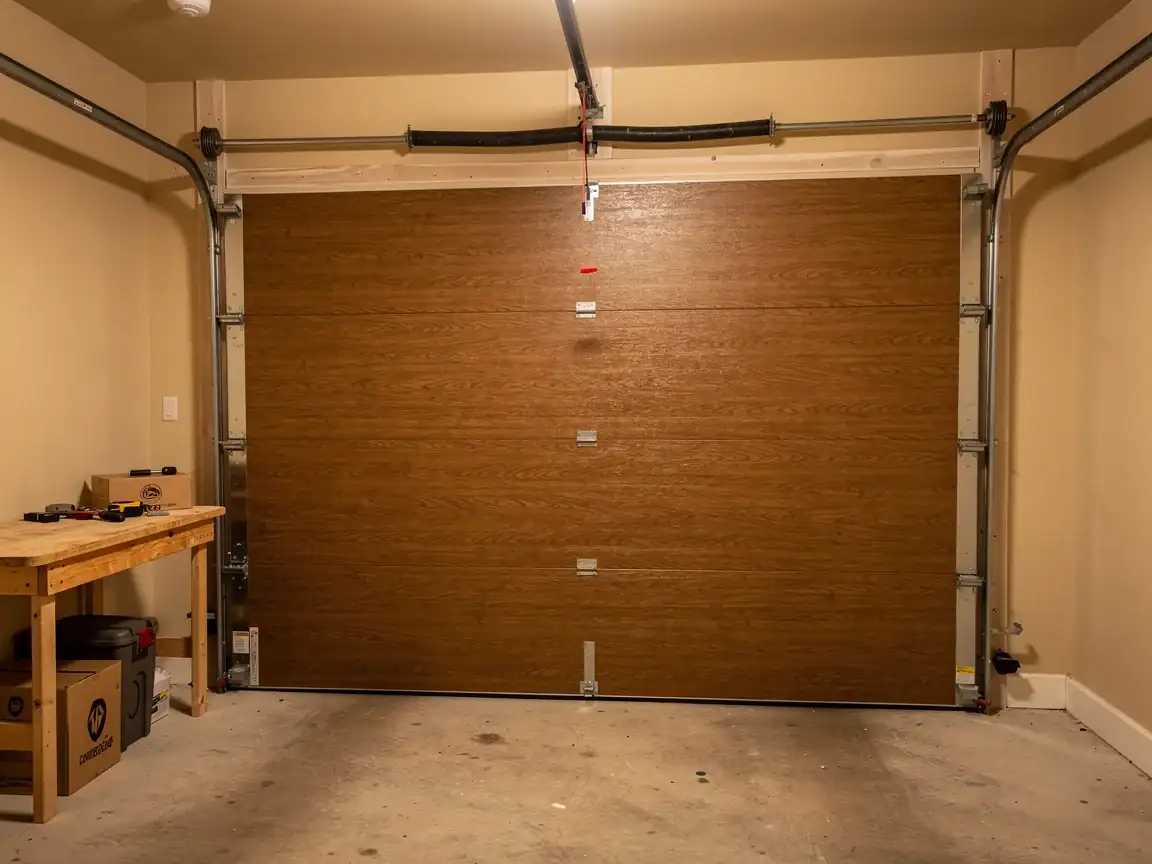
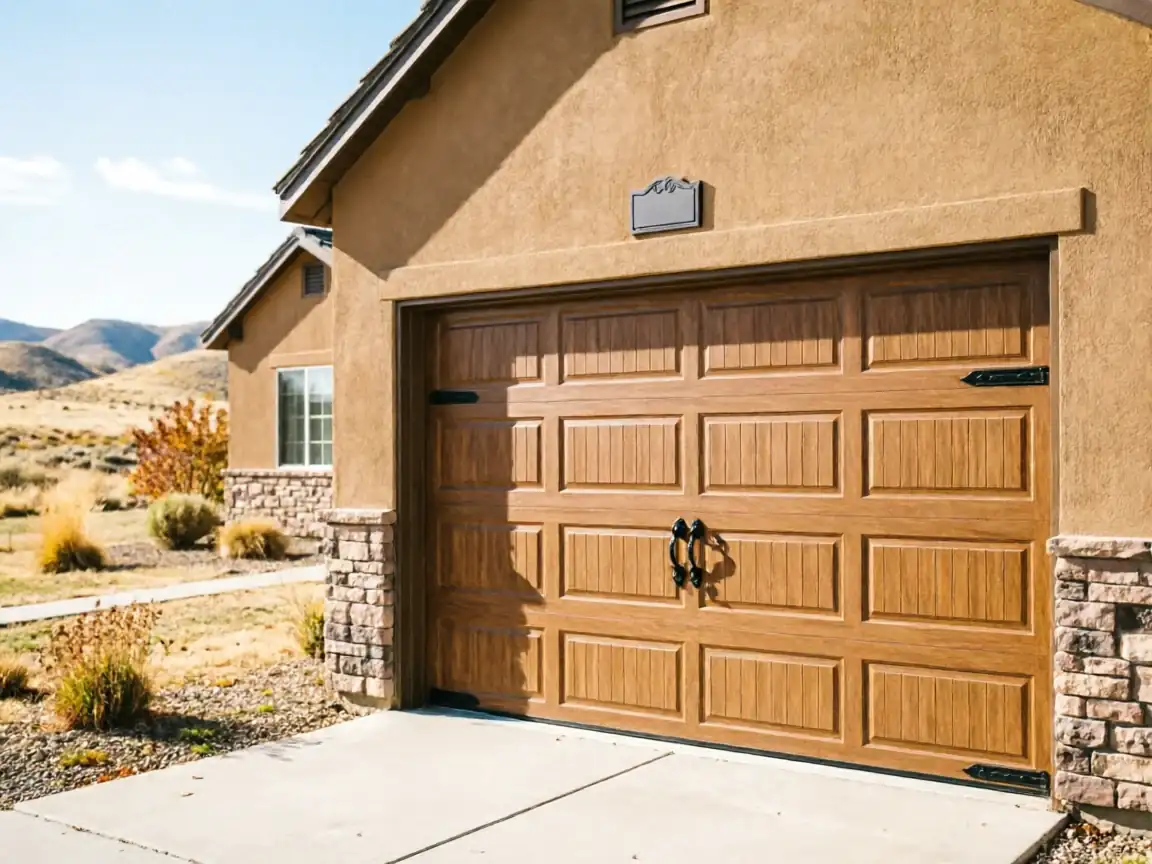
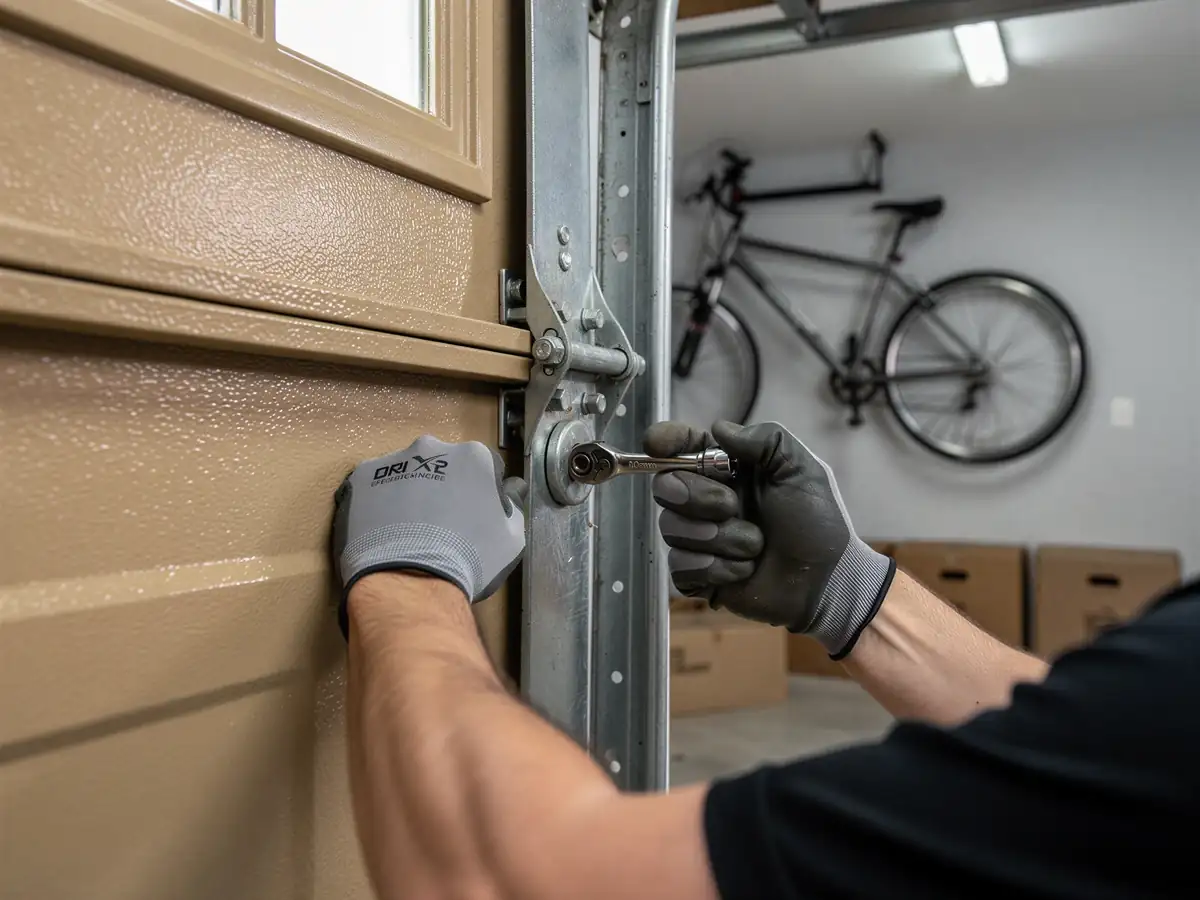
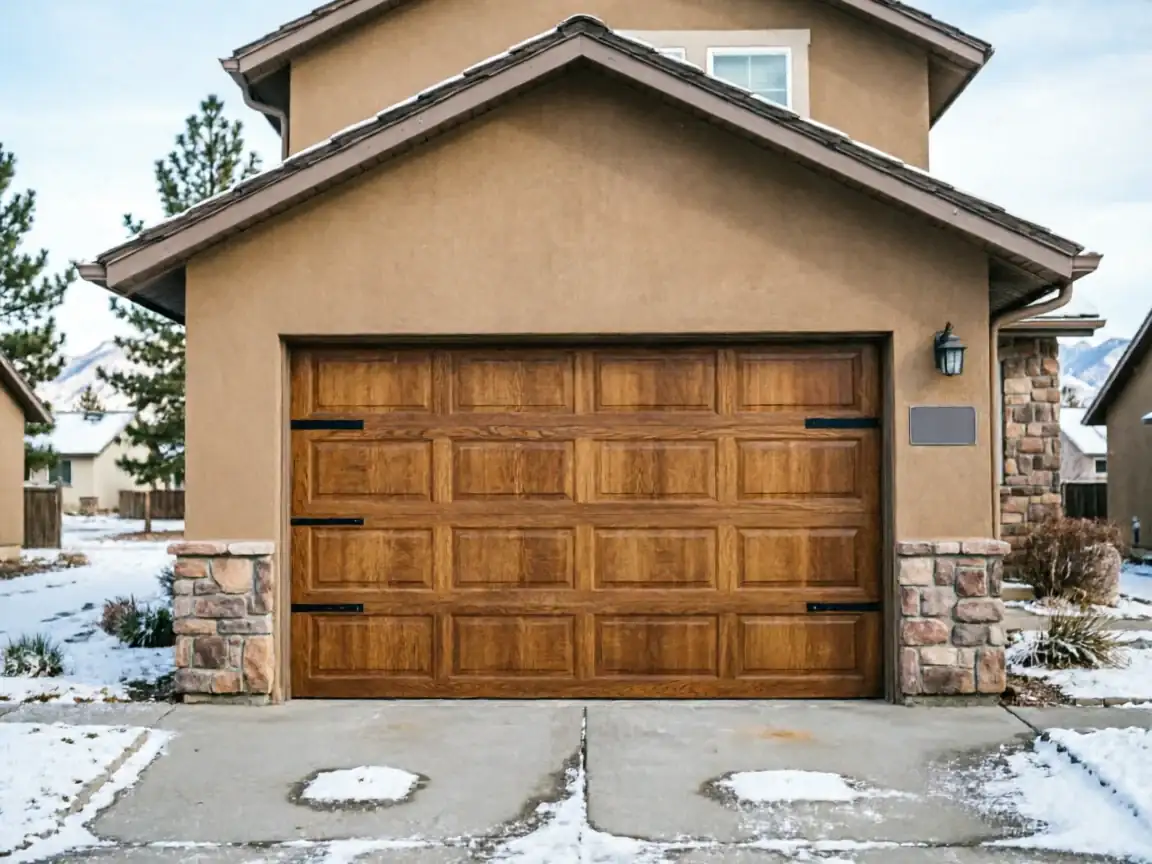
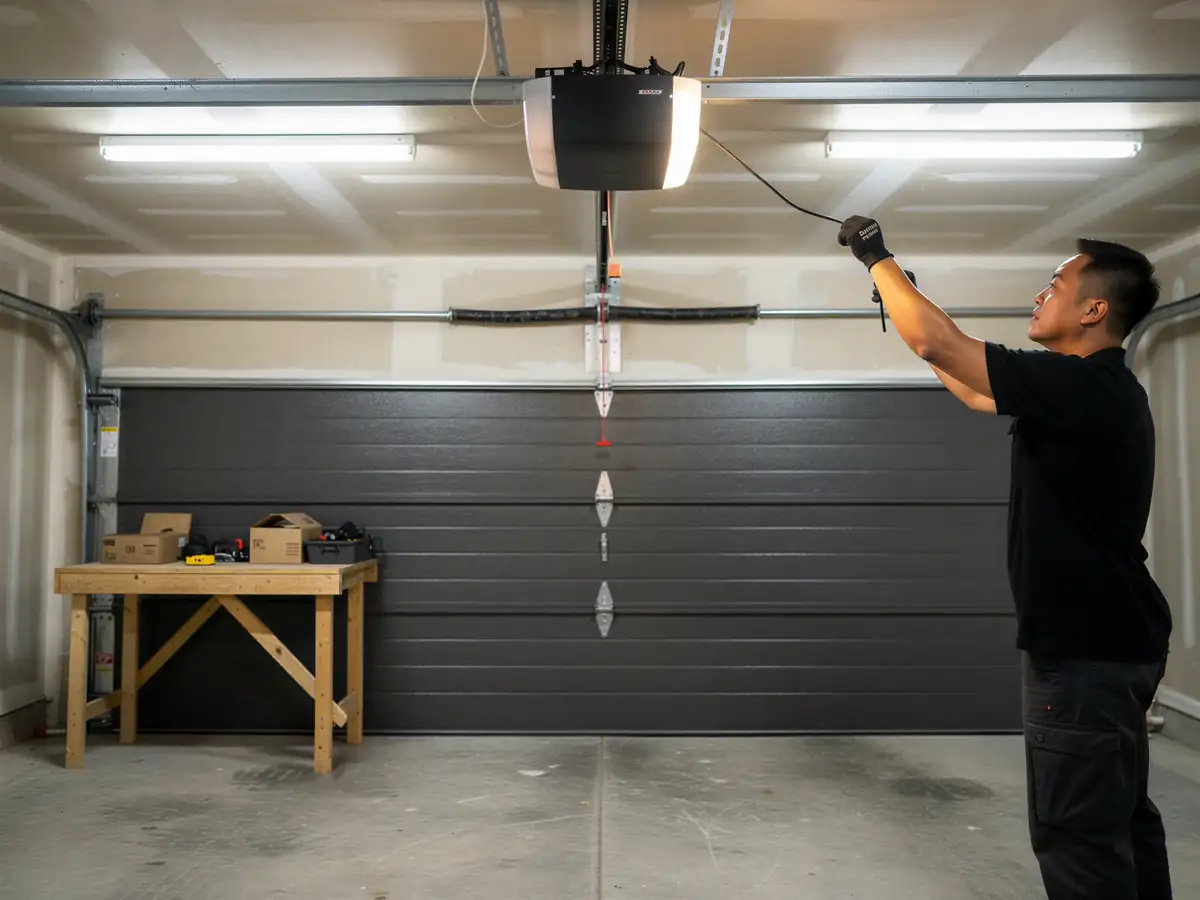
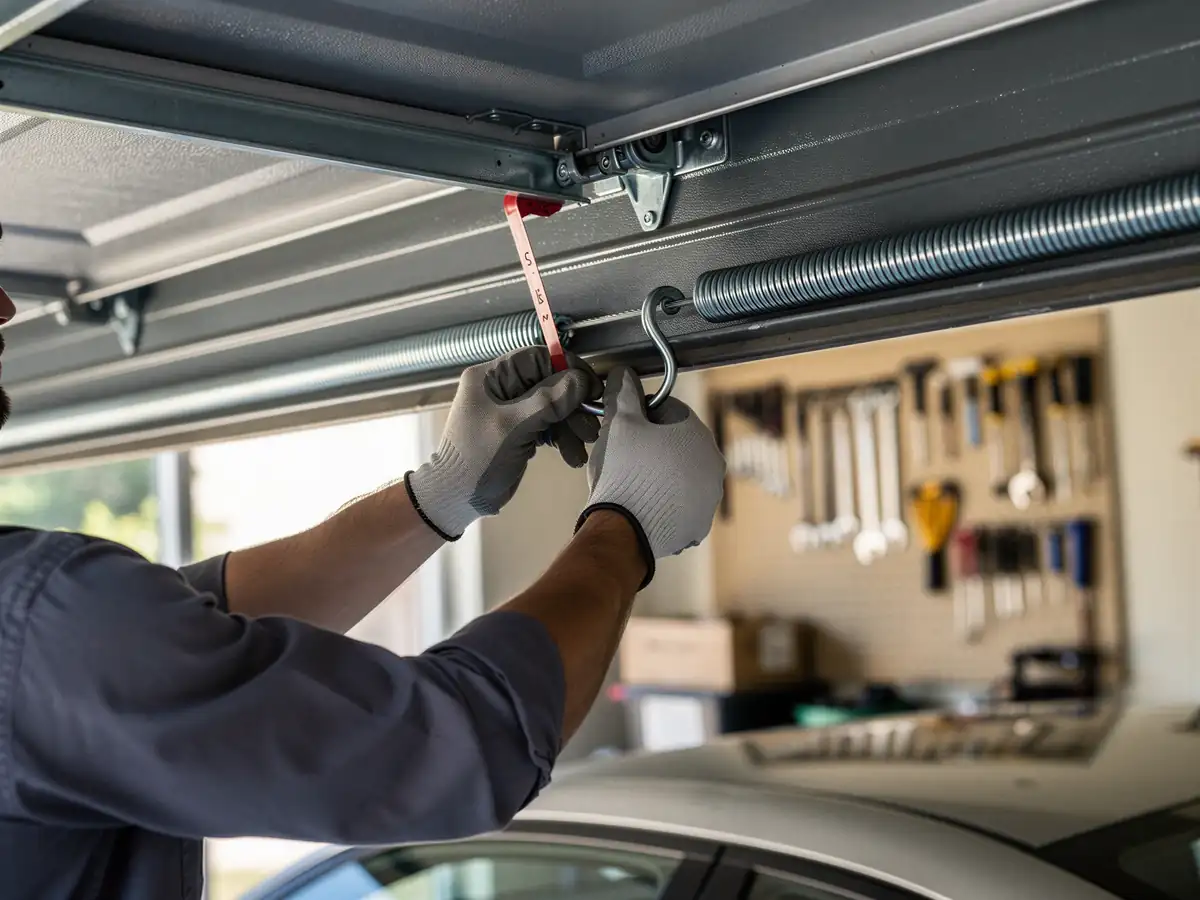
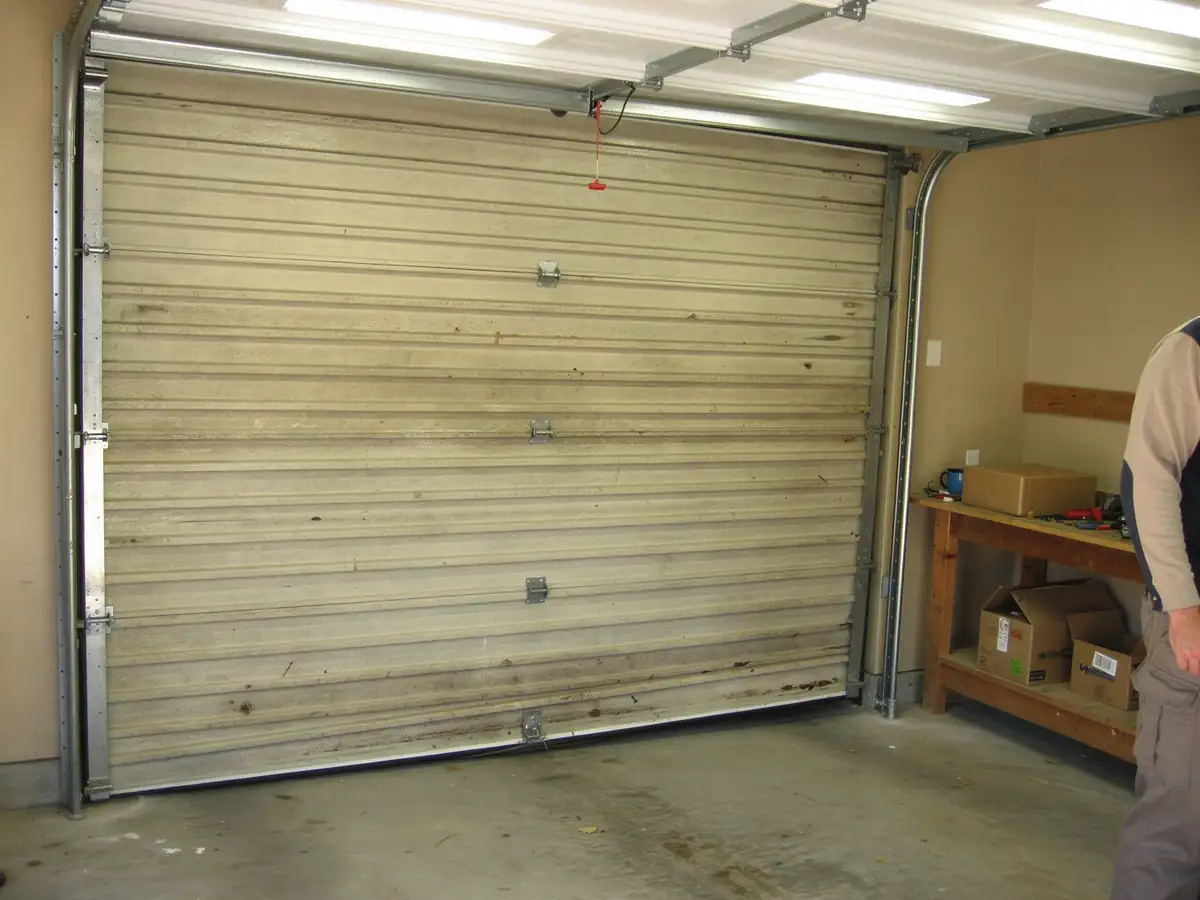
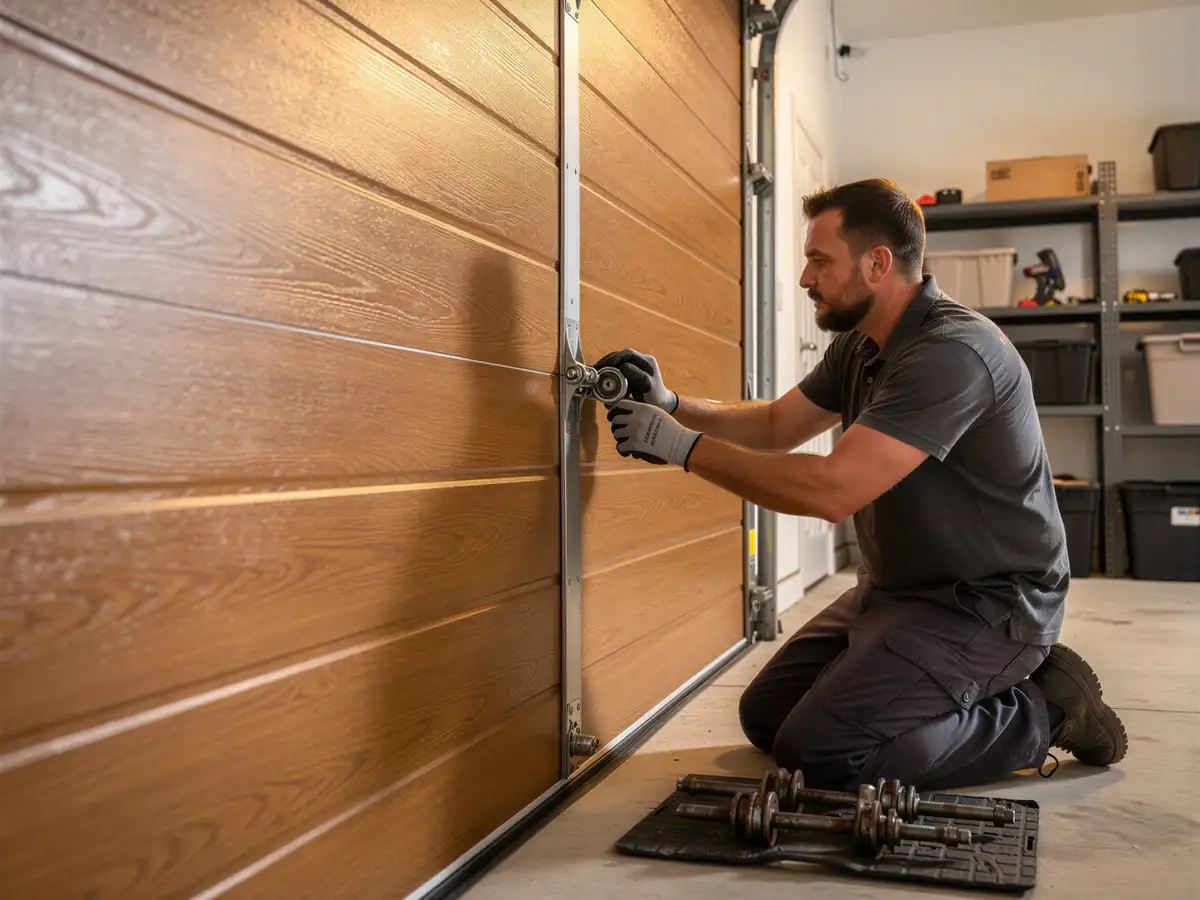
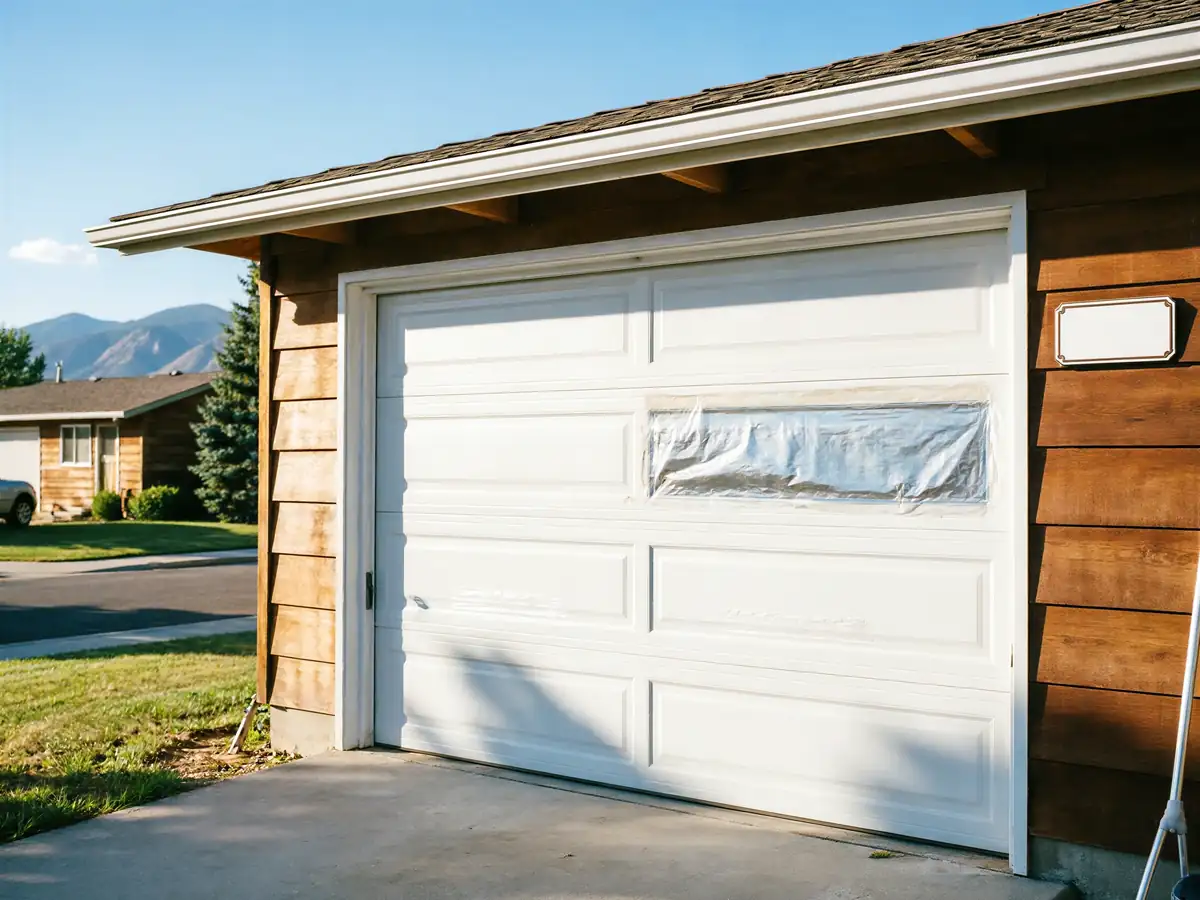
A new install here almost always means pulling out whatever's original to a late-1980s build and setting a new steel sectional door on fresh track. Houses from this era in the area typically still have their factory torsion spring setup, which by now is 35-plus years old and often not worth reusing even if the door itself gets replaced - so we're usually replacing spring, cable, and rollers along with the panels, not just swapping door skins. We set the new track plumb, torque the spring to the door's actual weight (not a generic chart number), and test the opener's force settings against the new panel weight, since a heavier insulated door needs different travel limits than whatever light door it's replacing. None of this is exotic work, but it's a different job than repairing a door that's already there, and we treat it that way.
The DIY Question
Setting the door panels and running the opener bracket is something a handy homeowner can watch and help with. Winding the torsion spring to the correct number of turns is not. A spring under full tension on a new door is storing enough force to break a wrist or worse, and the bar and winding cones sold at most hardware stores aren't rated for the job. If you want to save money on a new install, the honest place to do it is prep - clear the garage, pull the old door panels down yourself if you're able, patch drywall around the opening before we show up. Leave the spring winding and the final force calibration to someone doing it full time.
How Long It Takes
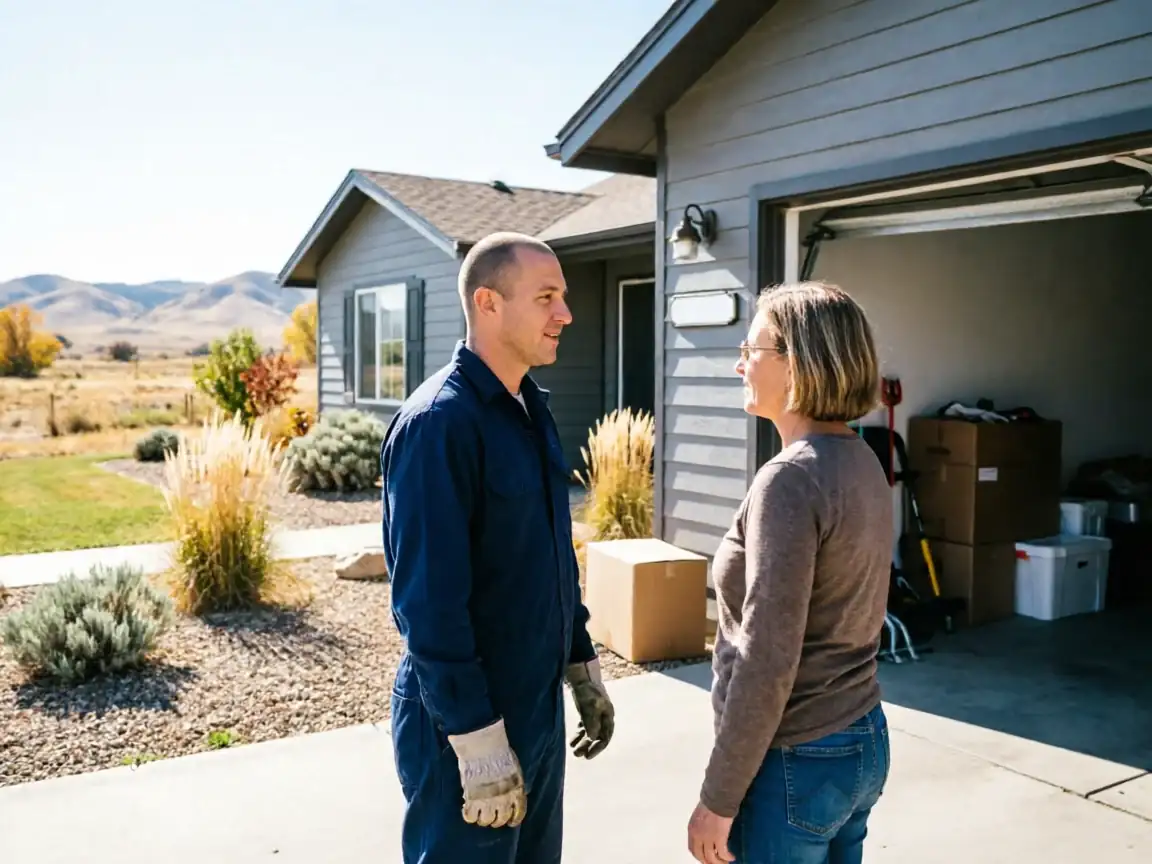
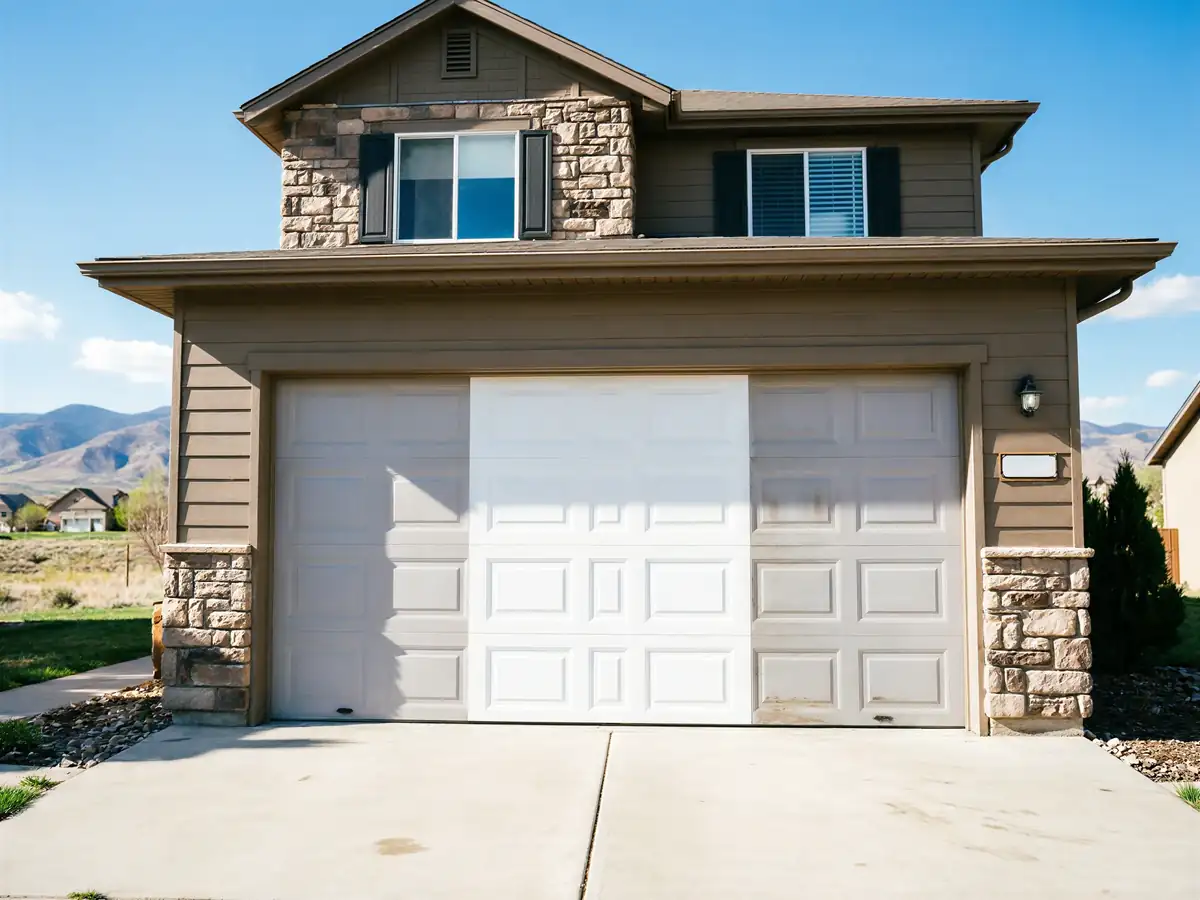
We travel out from Moses Lake for every job in Cascade Valley - it's a short run, about 3 miles, so there's no separate travel charge built into the quote the way there might be for farther-out stops. Once we're on site, a single new door install is typically a one-visit job: old door and hardware out, new track and spring set, panels hung, opener force and travel reset, and the door run through a full open-close cycle before we leave. Double doors with insulated panels take longer on the bench and on the wall than a single bare door, simply because there's more weight to hang and more panels to square up. We won't give you a same-day promise over the phone before we've seen the opening - header height and framing quirks on a 1980s-built garage can add time we can't guess from a description.