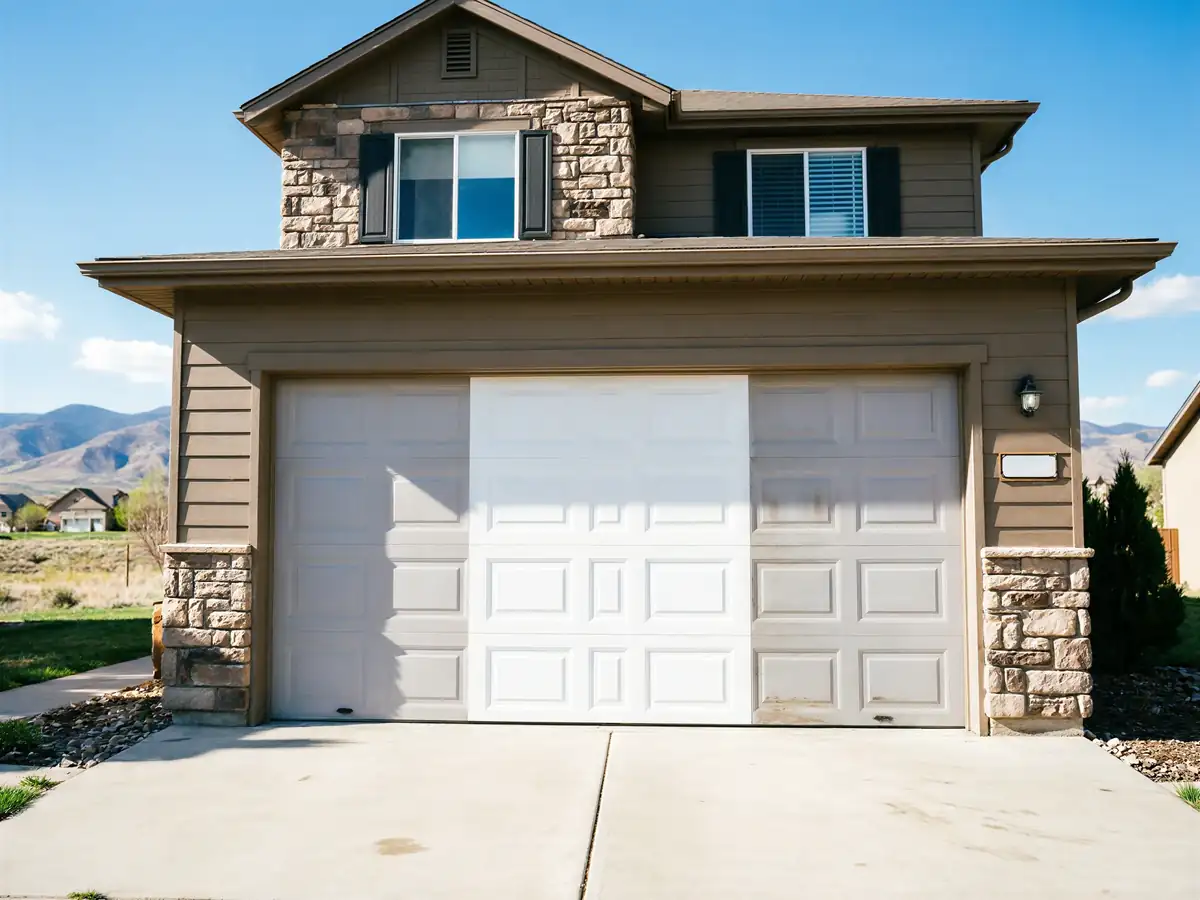
Most houses on this side of Moses Lake were built between 1958 and 1987, with the median landing around 1969. That means a lot of openers in Cascade Valley, Moses Lake North, and the older pockets closer to town are either original chain-drive units from a remodel decades back or second-generation replacements bolted onto the same rafter brackets. Across the roughly 6,972 households in the service area, with 2,782 of those owner-occupied, we see the same pattern over and over: an opener that's run fine for years suddenly loses its memory, its remote pairing, or its safety-sensor alignment the moment the power blinks. It's not usually the opener failing on its own. It's an older circuit board, often without a battery backup, getting knocked off its settings by a cut that lasted all of ten seconds. On a median household income of $56,084 for the area, most owners aren't looking to replace a working opener just because it needs reprogramming after every outage - and they shouldn't have to. The fix is often a five-minute reset, not a new unit.
When Waiting Is Fine
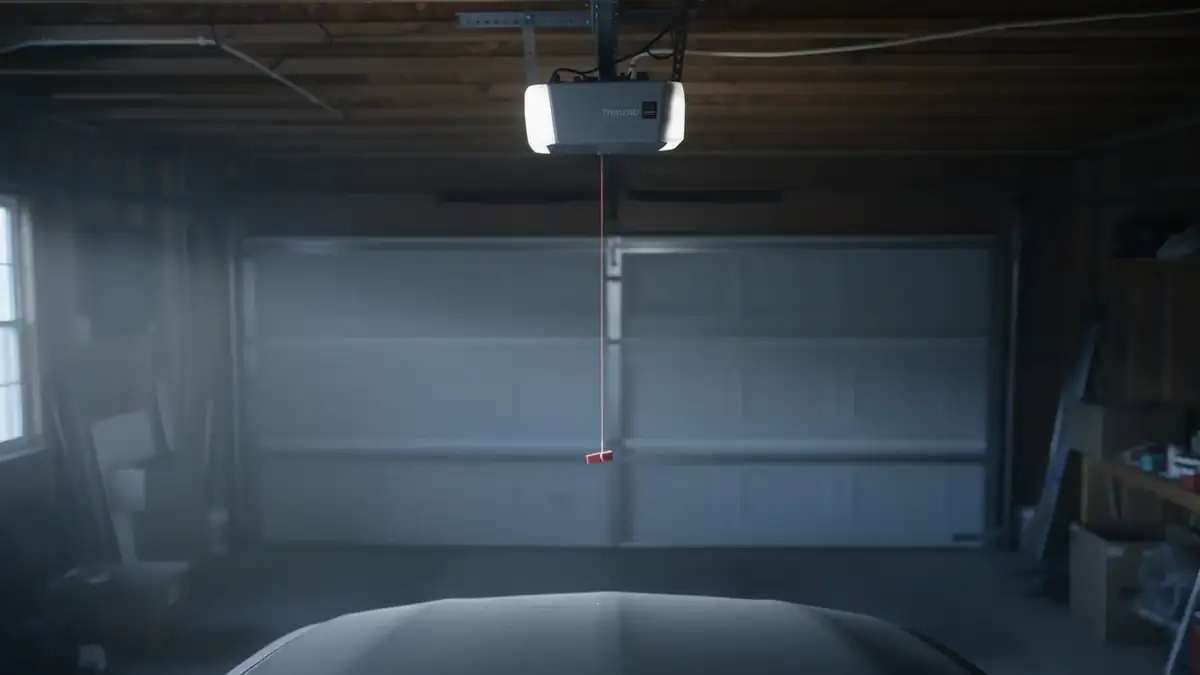
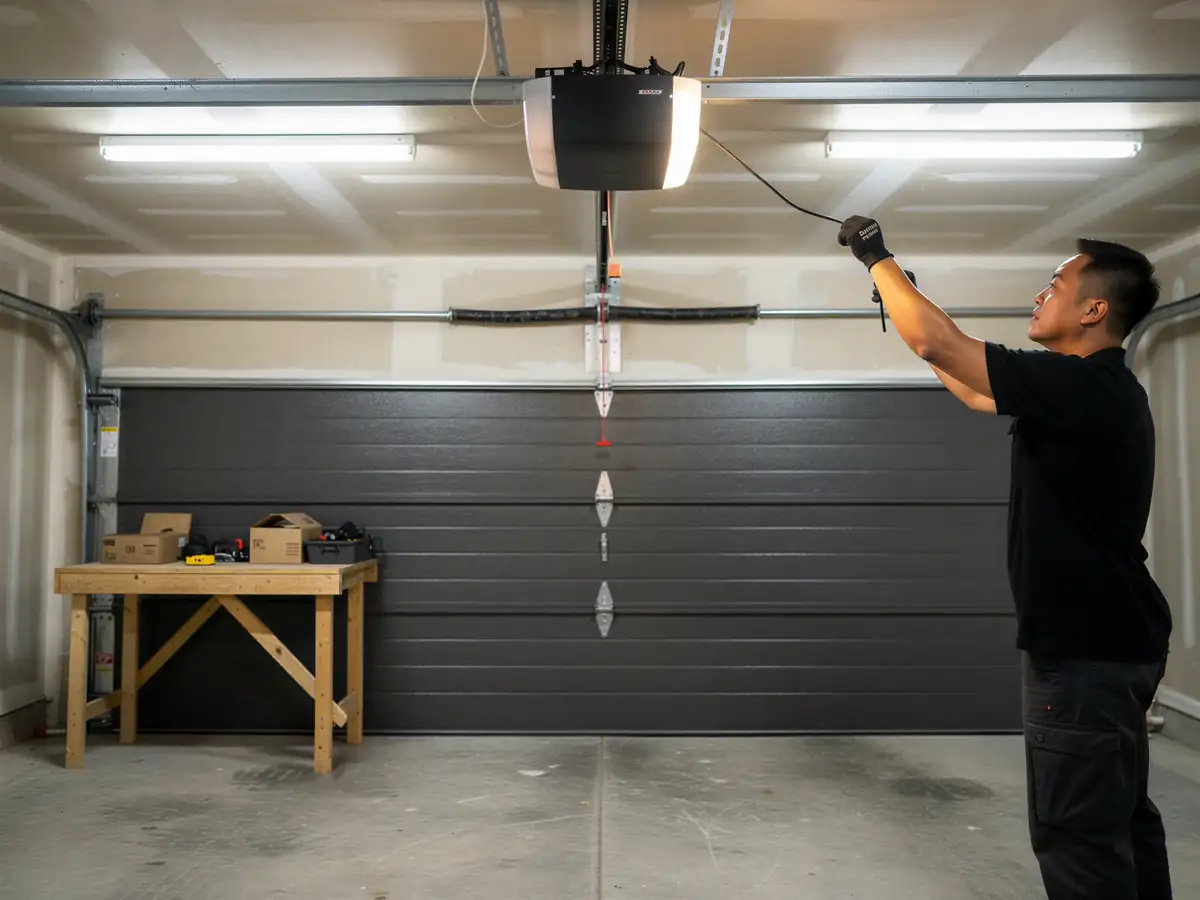
If the power comes back and the opener just needs its remote reprogrammed or the wall button re-synced, that's not an emergency and it's not worth a service call. Most units from this housing era have a simple learn-button sequence printed on the motor housing or in a manual tucked in a kitchen drawer somewhere. If the door opens and closes fine from the wall switch but the remote's gone quiet, try that first. Same goes for a keypad that's lost its code after a longer outage - a battery drop in the backup pack, if the unit even has one, can wipe stored codes on older models without resetting anything else. None of that means the opener is dying. It means the power cut longer than the capacitor held a charge. Where it's worth a second look is if the door won't respond to any input after the reset sequence, or if you hear the motor hum without the trolley moving. That's a different problem, and no amount of re-pairing a remote will touch it.
What the Weather Here Does to It
Moses Lake sits in a cold, severe climate band, and that matters more for openers than people expect. Cold doesn't just slow the chain down - it stiffens the grease in the trolley rail, drags on the drive gear, and makes the motor pull harder on startup, which is exactly when a marginal circuit board is most likely to trip during a power cut. On the older chain-drive units common in houses from the 1960s and 70s stock, that extra startup load against cold-thickened lubricant is a common reason an opener seems to die right after an outage when it was running fine the week before. Battery backup packs, where they're installed, lose a meaningful chunk of their capacity in freezing temperatures, so a pack that would carry a door through a short outage in July might not do the same job in January. None of this means the opener is broken. It means cold weather exposes a weak capacitor, dry chain, or undersized backup battery faster than mild weather would. Worth knowing before you assume the whole unit needs replacing.
When It Stops Being a DIY Job
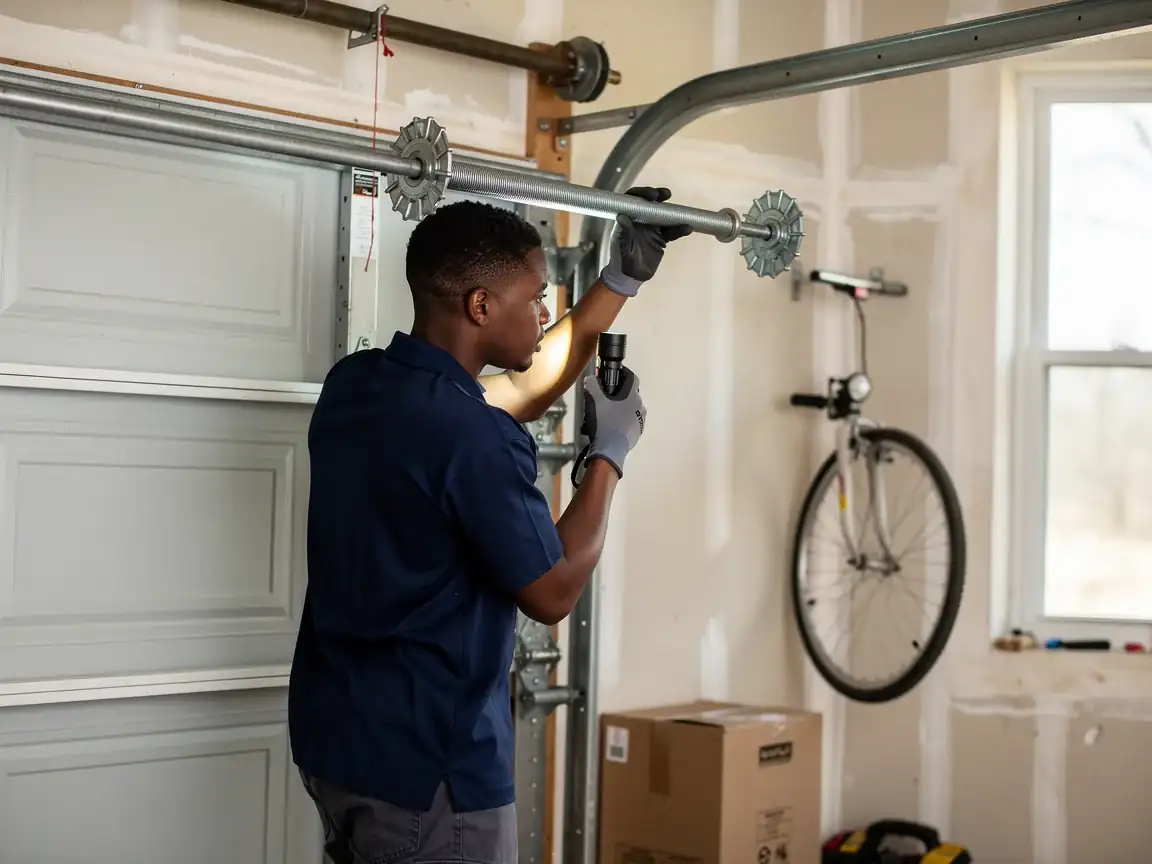
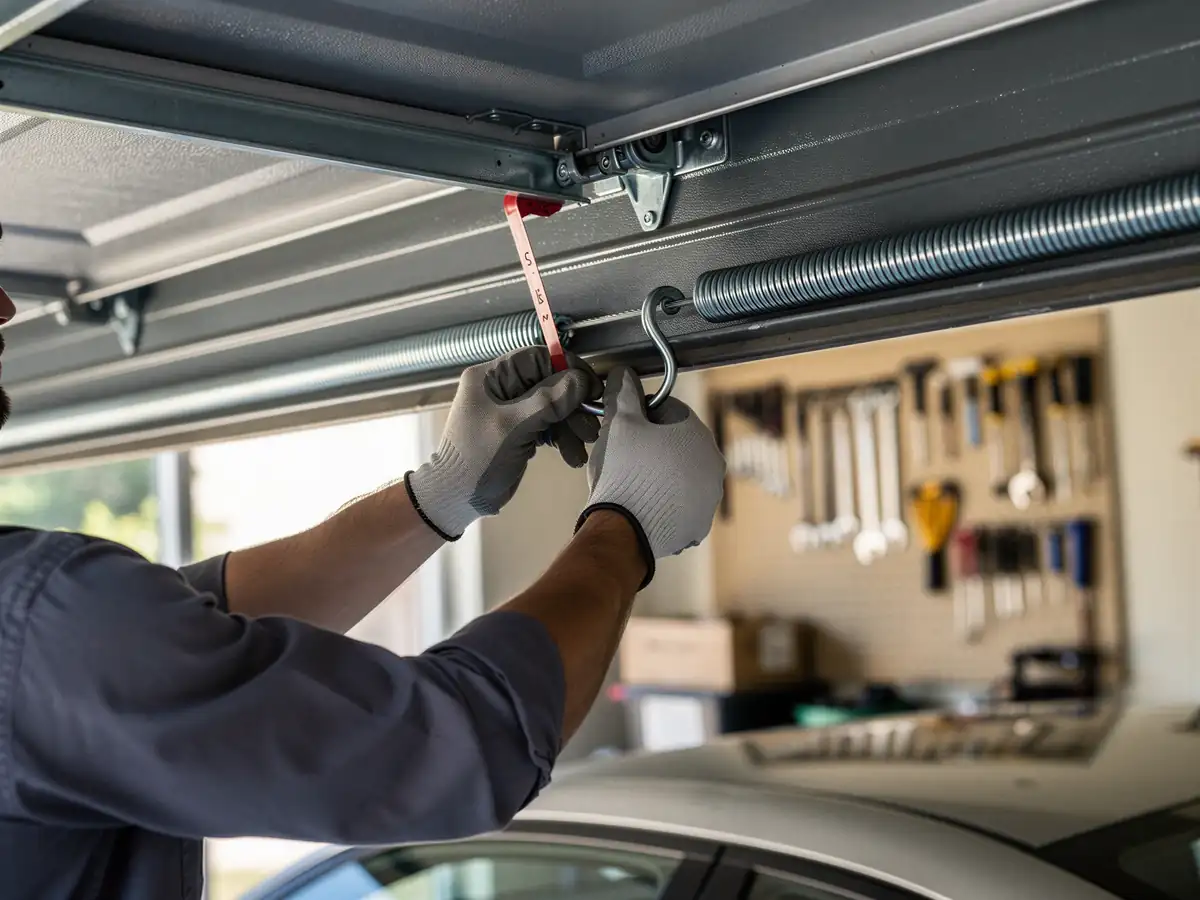
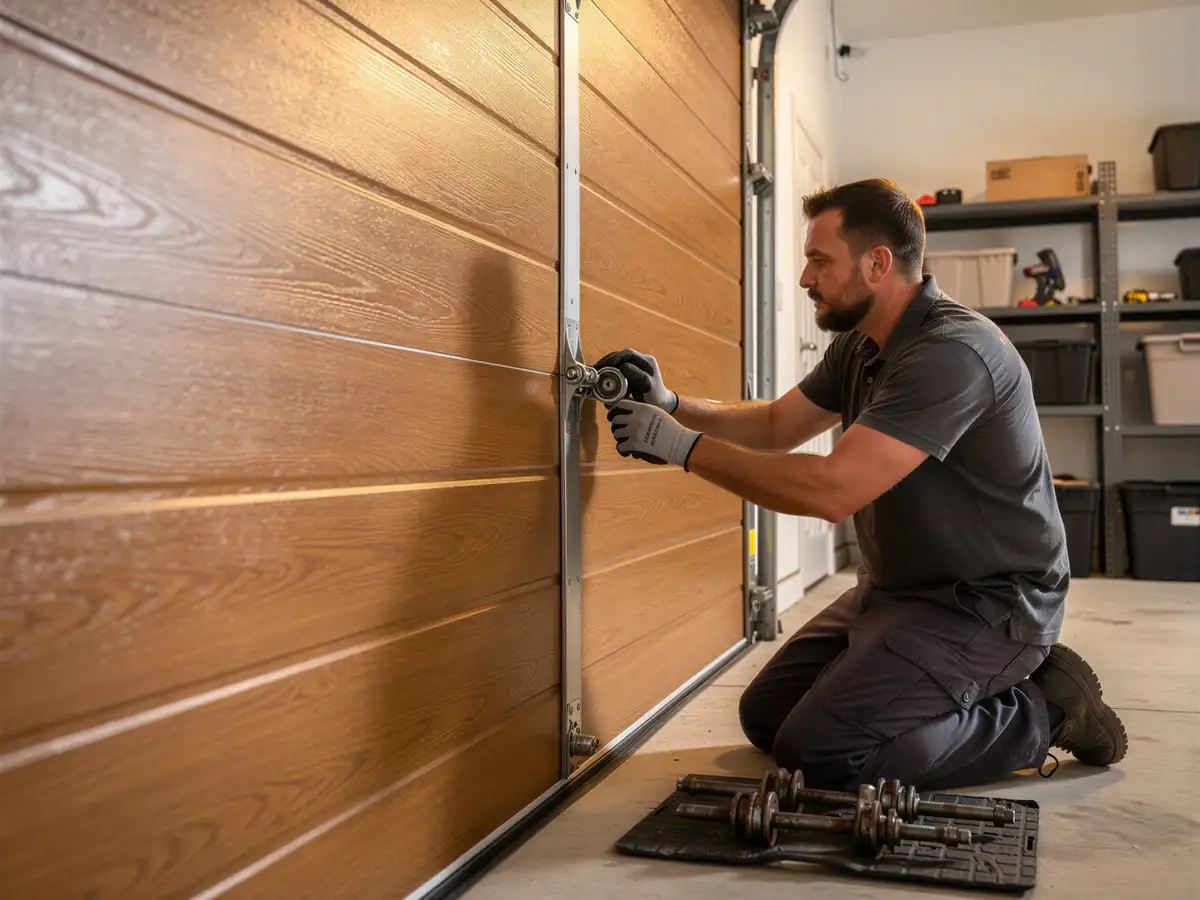
Here's the honest limit: if a power cut trips the opener right as the door is partway open or closed, and you pull the manual release to move it by hand, do not force it if the door feels heavy or uneven. On the torsion spring systems common in houses from this area's 1958-1987 building wave, a spring that's already partially fatigued can let go under hand pressure in a way it never would under the opener's controlled motor speed. That's not a reset problem and not something to troubleshoot further on your own. Likewise, if the opener's circuit board shows scorch marks, a burnt smell, or trips the breaker every time it's reset, that's an electrical issue, not a programming one, and it's outside what a homeowner should be opening up. We don't carry every control board for every opener brand on the truck, so a same-day fix on an obscure or discontinued model isn't always realistic - sometimes the honest answer is a board swap scheduled for parts, not a quick patch.
How it works
From “it’s stuck” to “it’s fixed”
01
Tell us what’s wrong
Describe the symptom - won’t open, loud bang, opener runs but the door won’t move.
02
On-site diagnosis
A technician tests the door under power and by hand and finds what actually failed.
03
Clear, up-front plan
You get the fix that’s needed and what drives the cost - before any work starts.
04
Repaired & tested
The repair is done, the door is set true and tested, and the work area left clean.
Not sure which repair your door needs in Moses Lake, WA? Describe what it’s doing - every job starts with a diagnosis.
Why does my garage door opener stop working every time the power blinks?
On older circuit boards common in houses built before 1987 in this area, even a short power cut can wipe the memory or knock the safety sensors out of alignment. It's usually not a failing opener - it's a board without a stable backup losing its settings. A reset and re-pairing the remote fixes most of these.
Does cold weather make opener problems worse here?
Yes. In a cold, severe climate band like Moses Lake's, stiff chain lubricant and a harder startup load put extra strain on the motor right when a power cut is most likely to trip a marginal board. Battery backup packs also lose capacity in freezing temperatures, so an outage that's fine in summer can stall the door in winter.
My door is stuck half open after an outage - can I just pull it down by hand?
Only if it moves evenly and doesn't feel heavy. Houses from this area's 1958-1987 building period often have original torsion springs, and a spring that's already fatigued can let go under hand pressure. If it feels off in any way, stop and call rather than force it.
Ready to get your garage door sorted?
Tell us what it’s doing and where you are in Moses Lake - we’ll take it from there.