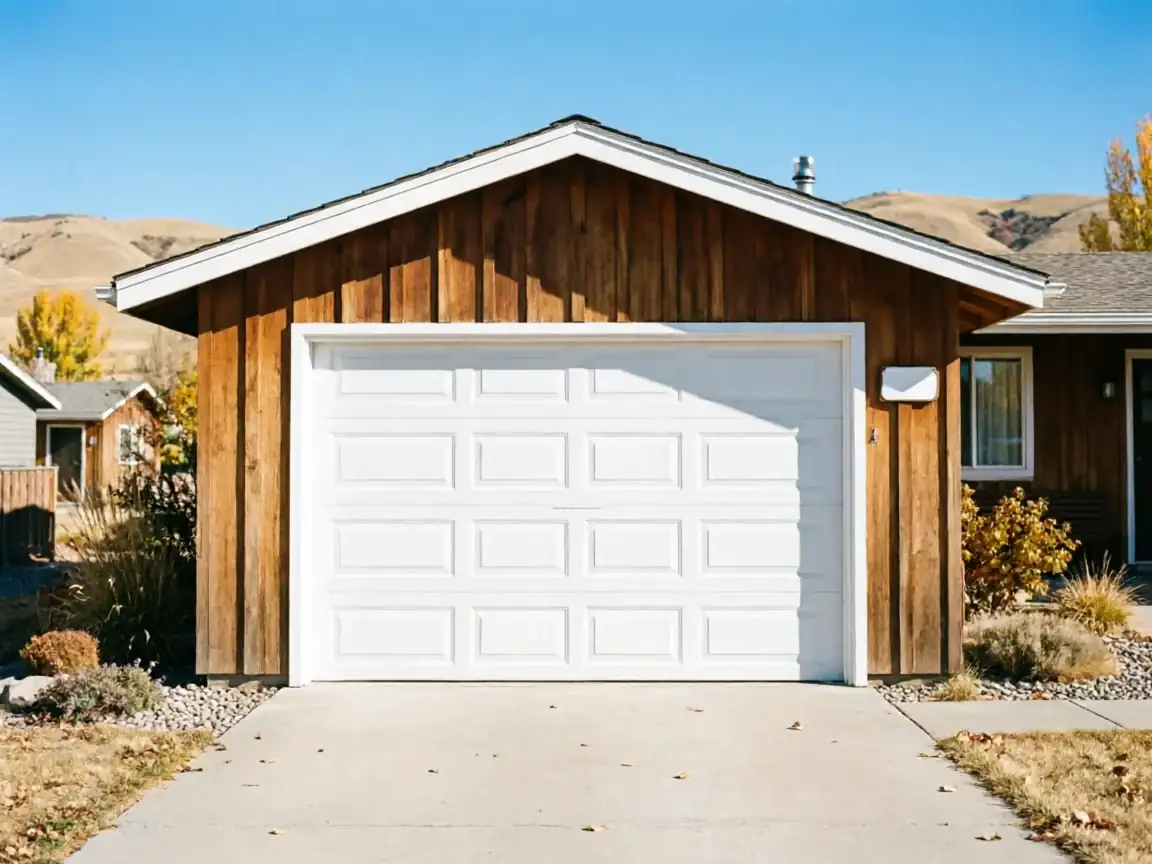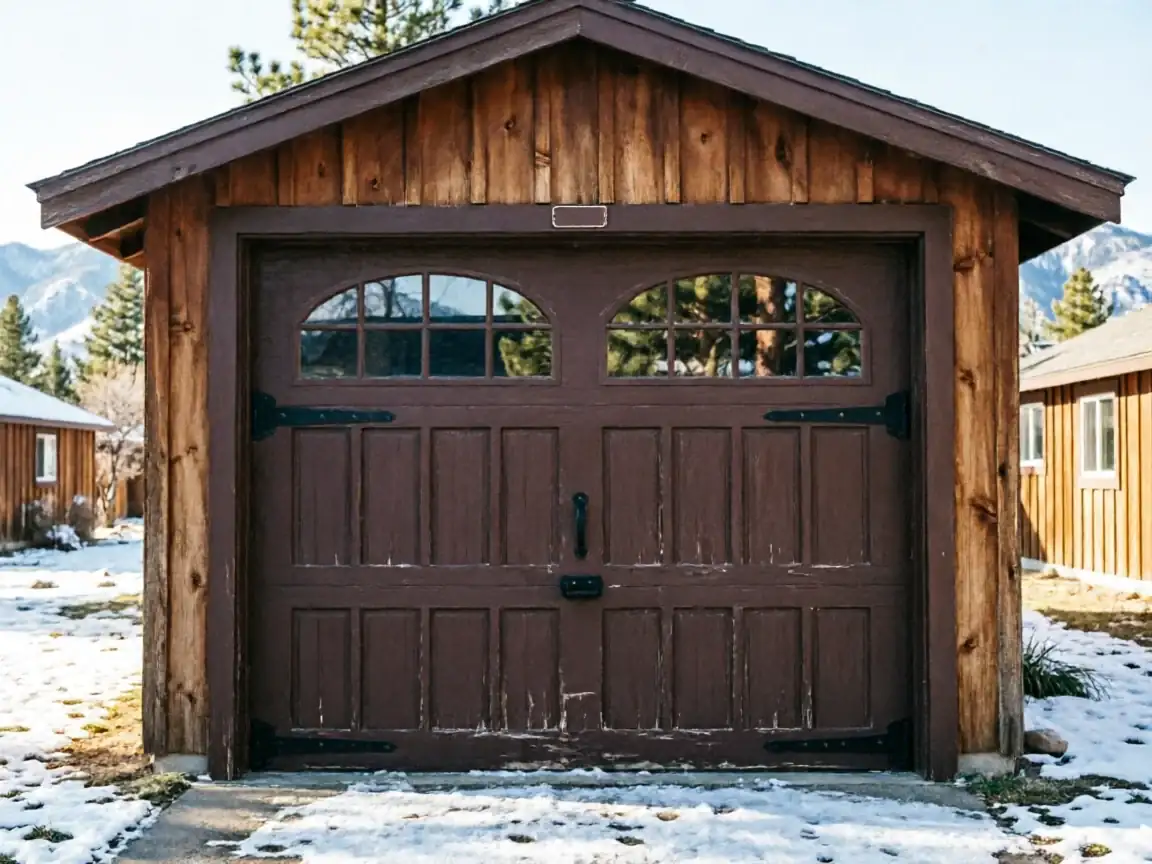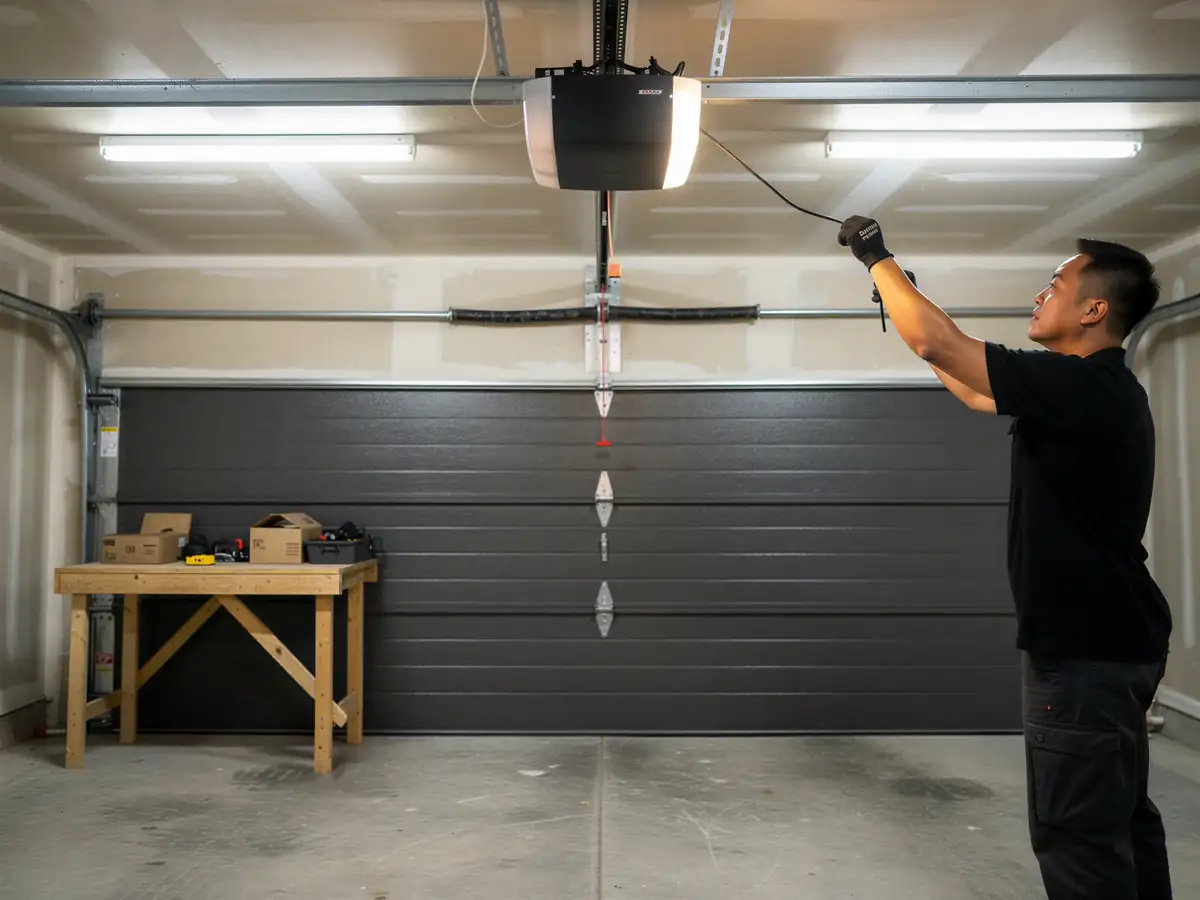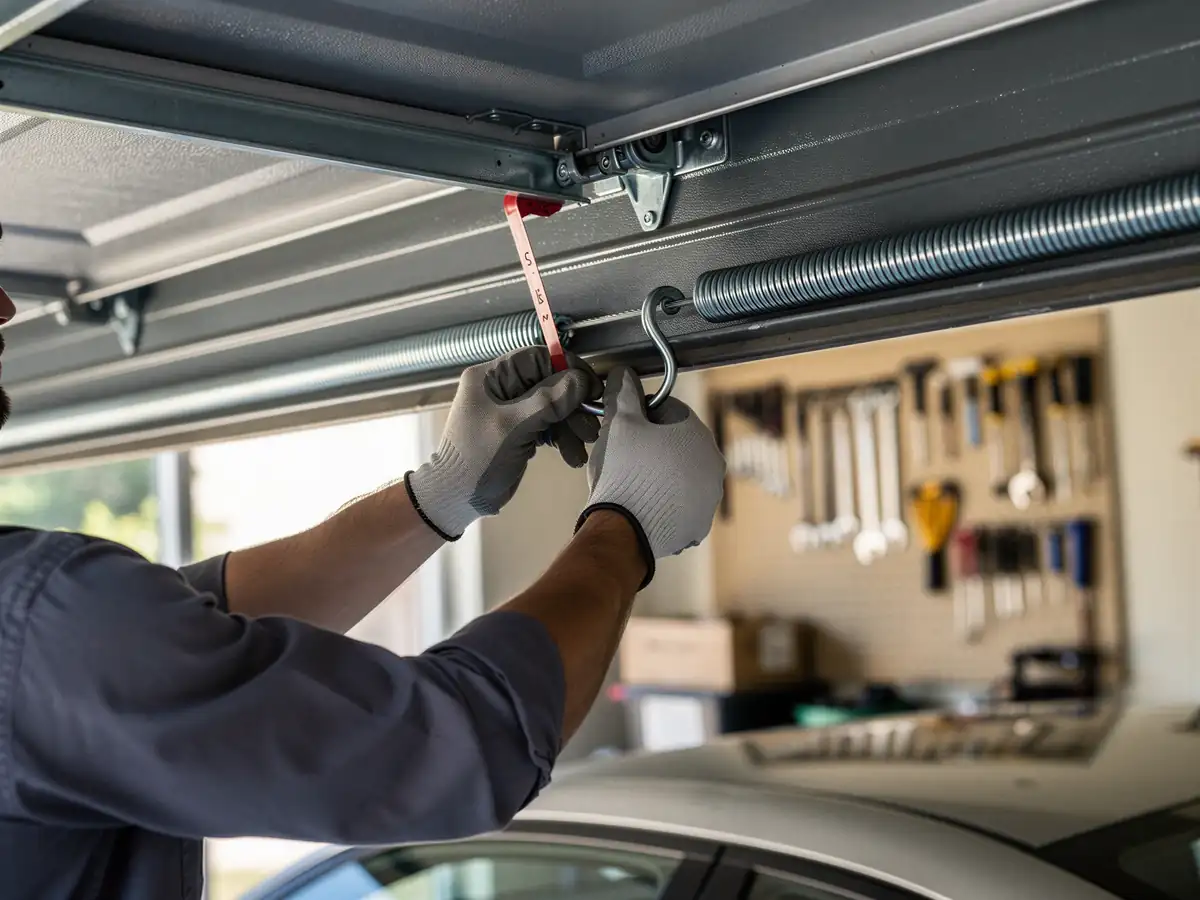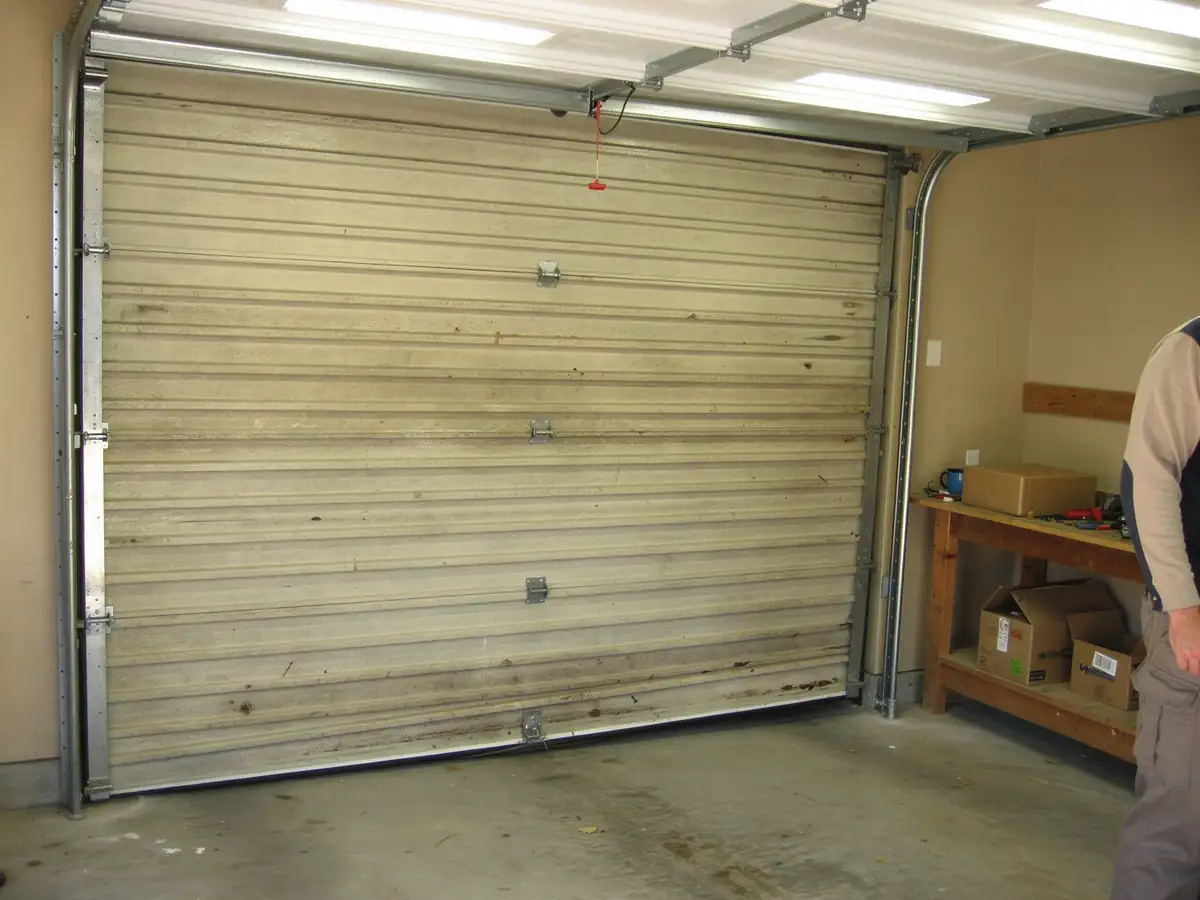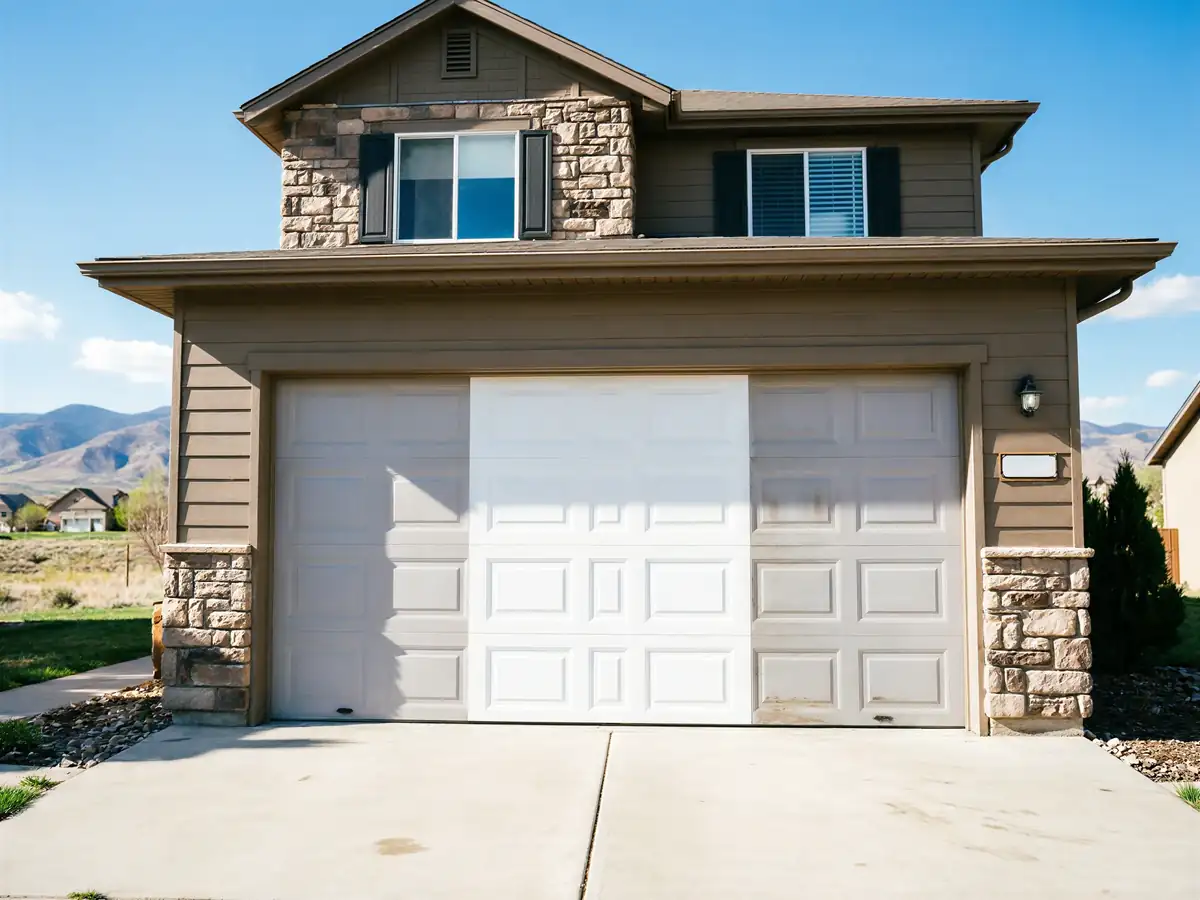
What You Are Seeing
If your door grinds, hops, or sounds like a shopping cart with a bad wheel every time it opens
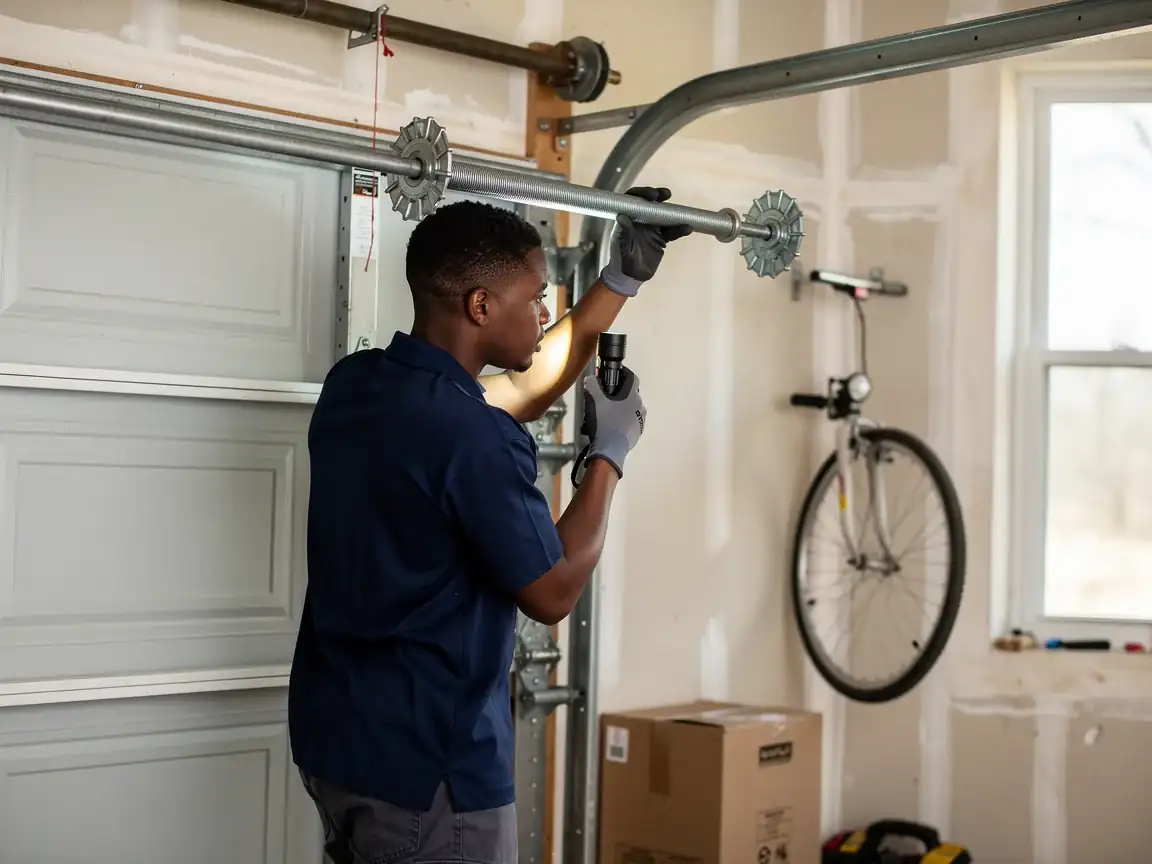
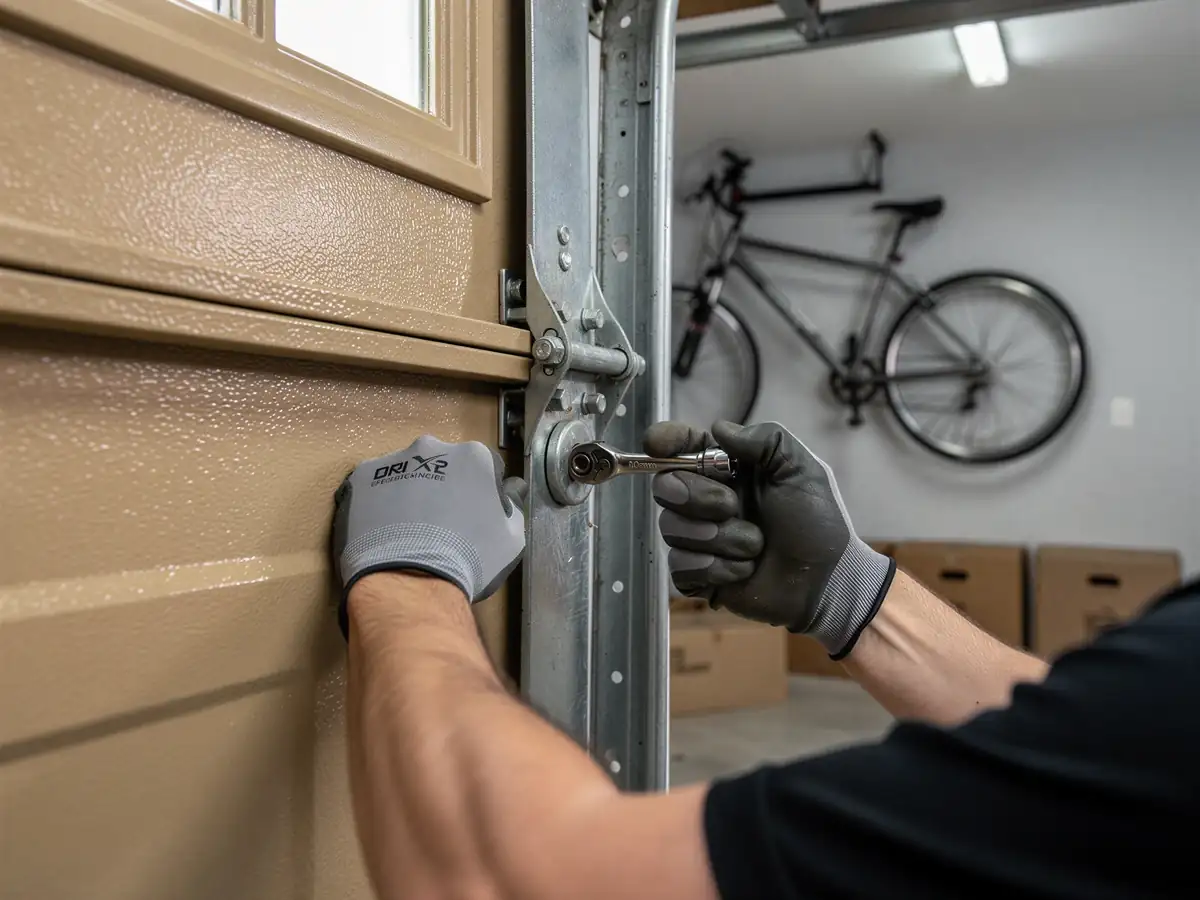
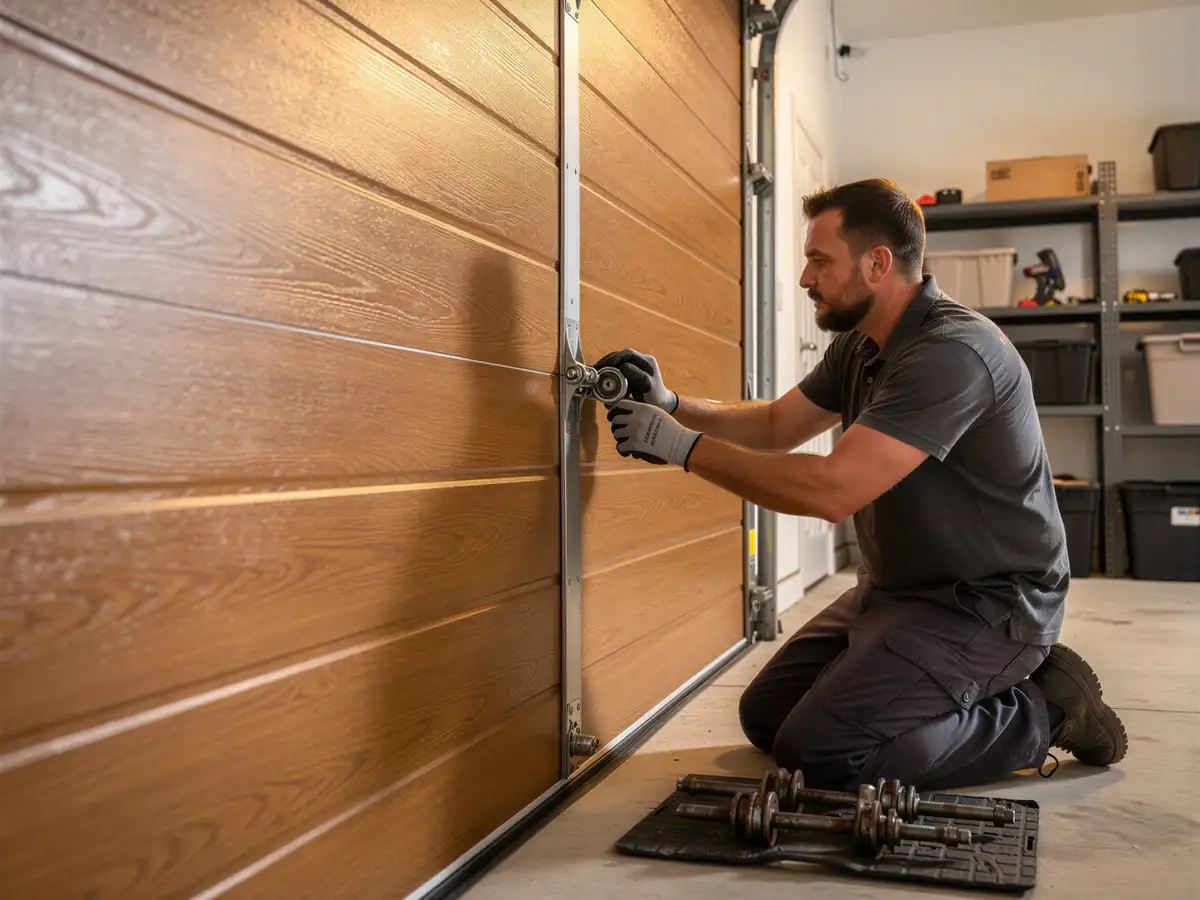
The rollers are usually the reason. You might see a roller sitting crooked in the track, a stem bent at an angle, or a roller that's worn down to a narrow stub instead of a full wheel. Sometimes a roller pops out of the track entirely and the door binds halfway up.
On older doors you'll often find steel rollers with no bearing
Which wear faster and transmit more noise into the house than a sealed nylon roller does. If your house is one of the many in this area built between 1958 and 1987, there's a decent chance the door still has its original track and roller spacing, even if the opener's been swapped out at some point. Original hardware from that era wasn't built for the roller counts or roller types we use today, which is part of why wear shows up as noise and binding rather than a clean failure.
We see this across the whole service area
Cascade Valley, Moses Lake North, Warden, and Ephrata - not just in one neighborhood. The fix is almost always a full roller set, not a single roller, because if one's worn the rest aren't far behind.
What Causes It Around Here
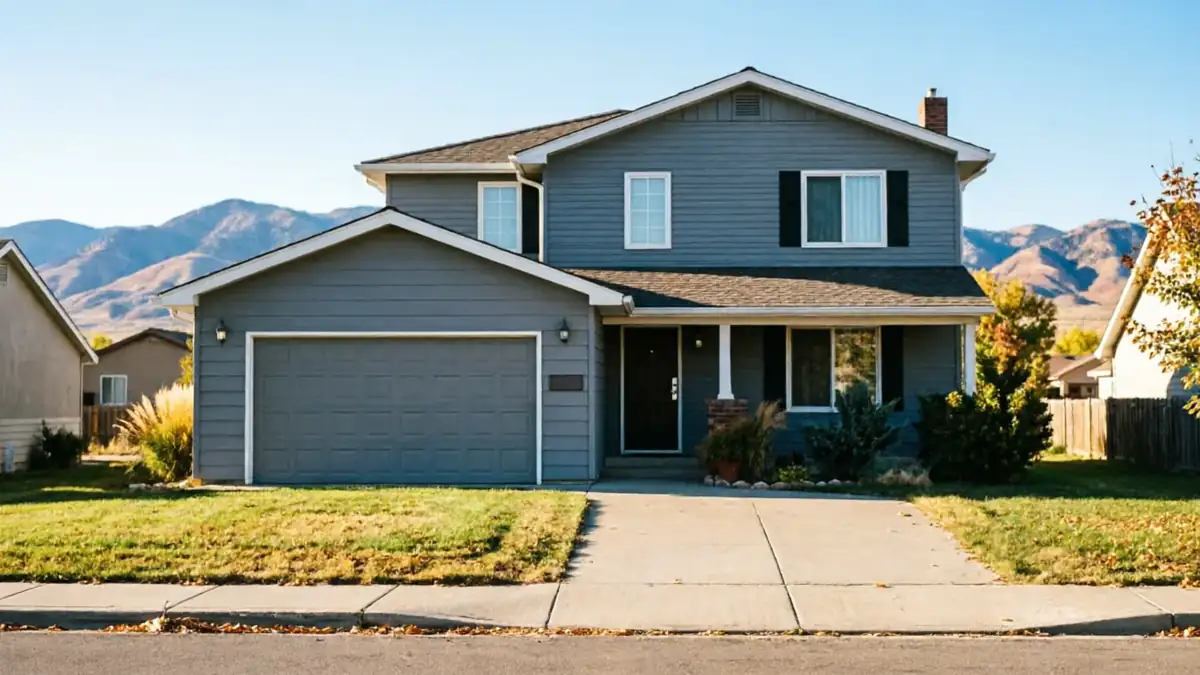
Two things stack up against rollers in this area: the age of the housing stock and the climate. Median construction year across the service area is 1969, and most of the four named areas carry 1960s-70s doors and track systems. That hardware has had five, six, sometimes seven decades of open-close cycles, and steel rollers simply wear out with use - there's no way around that math on a door this old.
The climate band here is classified cold and severe, and that matters for rollers specifically because cold hardens grease and nylon alike. A roller that moves smoothly at 70 degrees can bind and chatter at 20, putting extra stress on the stem and the bracket holding it. Repeated freeze-thaw cycles also work moisture into old track seams, which speeds up corrosion on steel rollers and bearings that were never sealed well to begin with.
Put those two together - original-era hardware plus a cold climate that stresses it every winter - and roller wear shows up earlier and more often here than it would on a newer door in a milder climate. It's not bad luck, it's just what happens to a 1969-vintage door track after a few thousand winter cycles.
Parts We Carry
We stock nylon rollers in standard stem lengths, which is what most houses in this area need, including the 1960s-70s stock common across Cascade Valley, Moses Lake North, Warden, and Ephrata. Nylon with a sealed bearing is quieter than steel and handles cold better, since it doesn't contract and bind the way an old steel wheel can on a freezing morning.
We also carry steel rollers for doors where the track or bracket spacing won't accept a nylon roller's larger wheel diameter without modification. That comes up more often than you'd think on original hardware from the 1960s and 70s, where track widths don't always match current standard sizing.
One limitation worth saying plainly: if your track itself is bent, rusted through, or the brackets are pulled loose from the jamb, new rollers won't fix the real problem. We'll tell you straight if the track needs replacing instead of just the rollers - swapping rollers into a damaged track is a short-term patch, not a repair, and we don't recommend spending money on it.
What You Pay
We don't publish a flat price here because roller jobs vary
A full 10-roller set with hinges is a different job than three rollers and a bent track bracket, and we won't quote one number that fits every call in a service area that spans Cascade Valley, Moses Lake North, Warden, and Ephrata. What we can tell you is that we price the job on-site before we start work, not after, so you know the number before any tool touches the door.
Median household income across the service area runs around $56,000
And most of the roughly 2,782 owner-occupied houses here are the ones carrying original or aging hardware - so a straightforward roller swap is usually a smaller job than a spring or opener repair, not a major expense. If your situation turns out to need track work too, we'll walk you through that cost separately before doing it, so there's no surprise add-on halfway through.
- 2,782 owner-occupied