What You Pay
We don't post a flat number for Ephrata because the roller count and the roller type both move the price
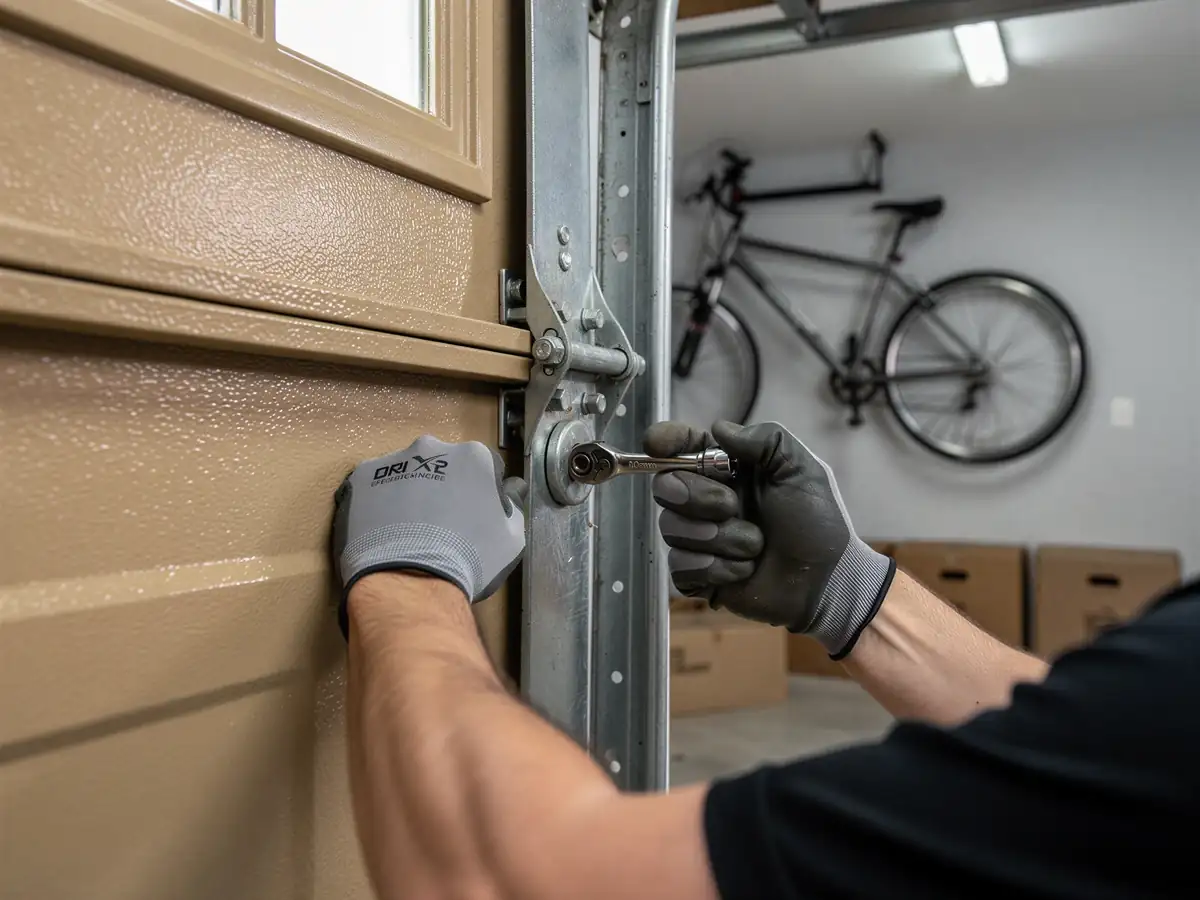
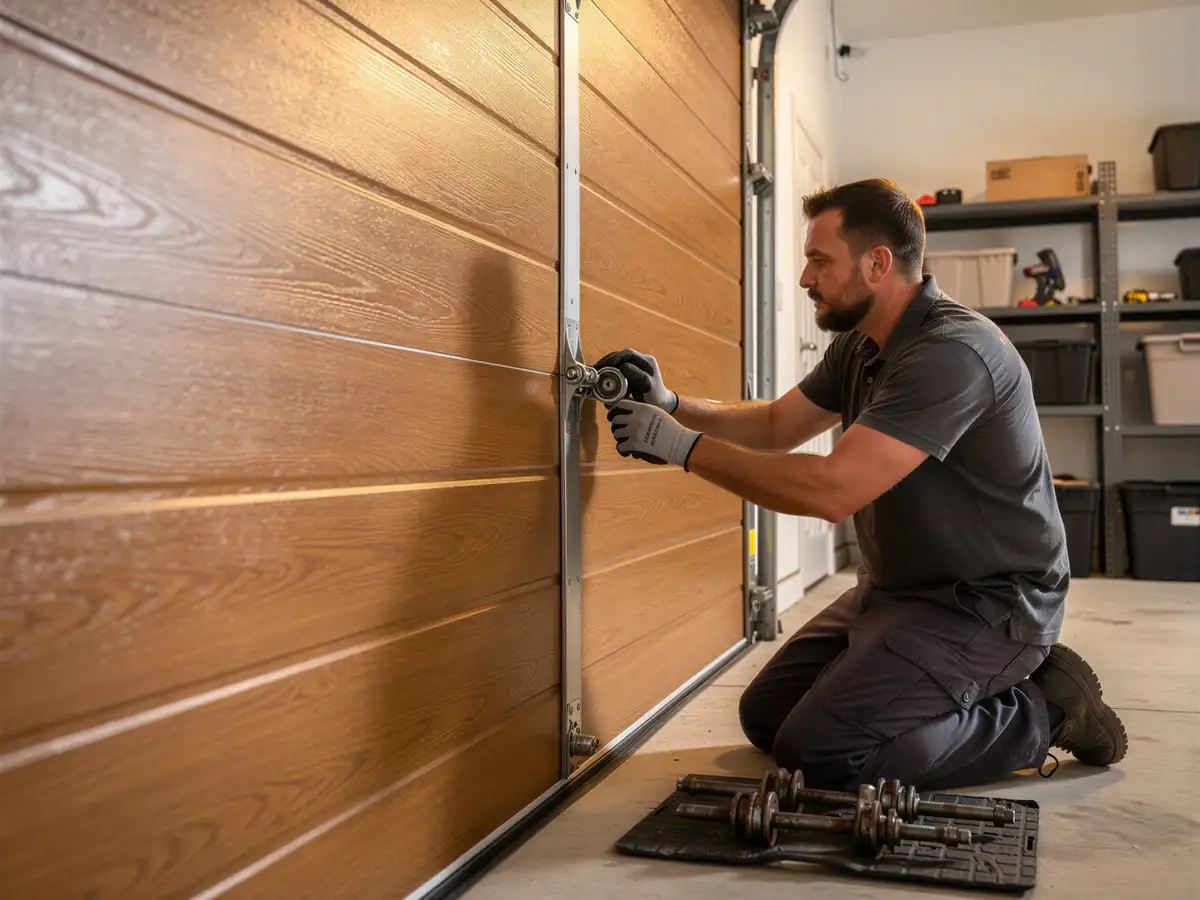
A set of ten steel rollers on sealed bearings costs more up front than nylon, but they outlast nylon by years and run quieter on the plain steel track that's common on doors from the early 1960s, which is when most of Ephrata's housing went up. If only two or three rollers have worn grooves into the track, we replace those and leave the rest. If the track itself is bent or the bottom bracket is pulling away, that adds labor, and it's worth knowing before the truck shows up rather than after.
Ephrata's households run a median income a bit above what you'd find elsewhere in the service area
And we see that show up in the choice owners make: more of them opt for the full steel-roller set instead of a patch job with the cheapest nylon rollers. Neither choice is wrong. A patch buys you a year or two if the budget's tight this season. A full set is the one you do once.
Booking a Visit
We run out of Moses Lake, and Ephrata is about 18 miles from the shop. That's close enough to work into a normal day, but it means we schedule roller jobs here in a block rather than sending a truck out for a single call the moment it comes in. If you've got a roller grinding or a door that's started jumping on the track, call ahead rather than expecting a same-day drop-in - we'll give you a window, not a guess.
Because we're not based in Ephrata, we don't carry a local parts stock sitting on a shelf in town. What's on the truck when we leave Moses Lake is what we've got for that run. For a standard roller swap that's rarely an issue since rollers are a stock part, but if your door also needs a track section or a bracket that isn't common, that may mean a second trip.
What Can Go Wrong
A door built around 1963, which is the median for houses in Ephrata, usually shipped with steel rollers on plain bearings rather than sealed ball bearings. Plain-bearing rollers wear faster and squeal as the bearing surface dries out, and in a climate this area shares with the rest of the region - winters cold enough that lubricant stiffens and metal contracts - that wear shows up sooner than it would somewhere milder. Cold also makes brittle nylon rollers worse: a nylon roller that's already cracked can shatter outright on a sub-freezing morning instead of just wearing down gradually.
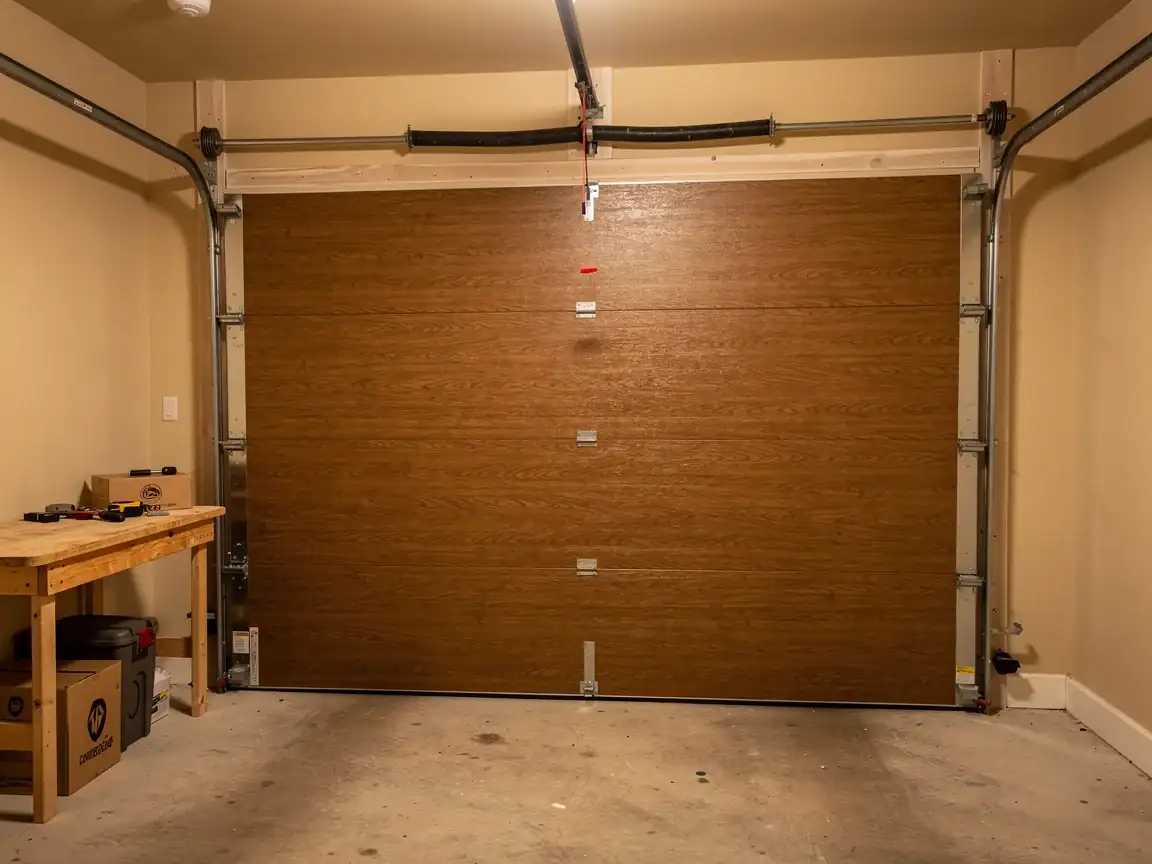
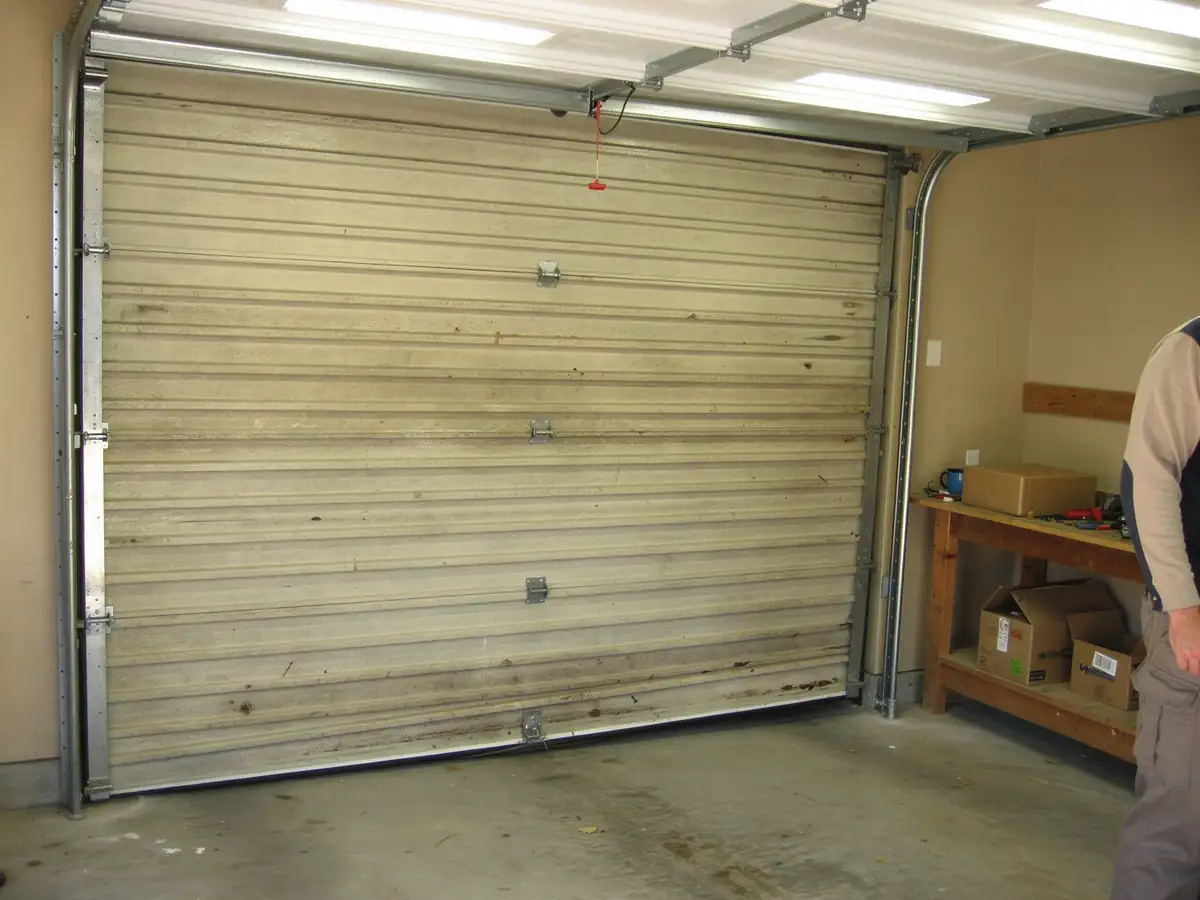
The other common failure isn't the roller at all - it's the track. A worn roller rides rough in the track, and over months that wear grooves the galvanized rail, which means a roller swap alone won't fix the noise. We check the track every time we're quoting rollers, because replacing one without looking at the other is a callback waiting to happen.
The DIY Question
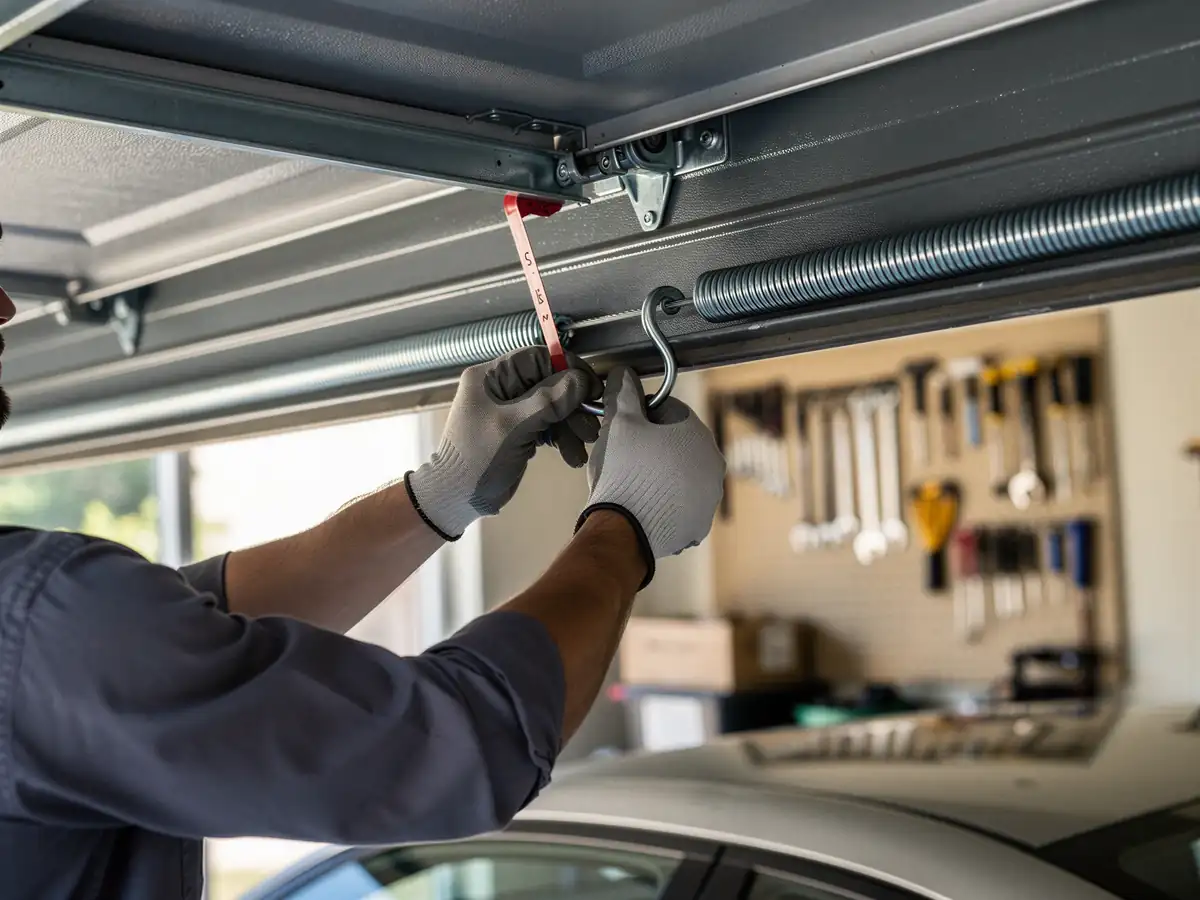
Swapping a top roller on a door that's down and unplugged is a reasonable weekend job if you've got the right pliers and you're not working near the bottom bracket
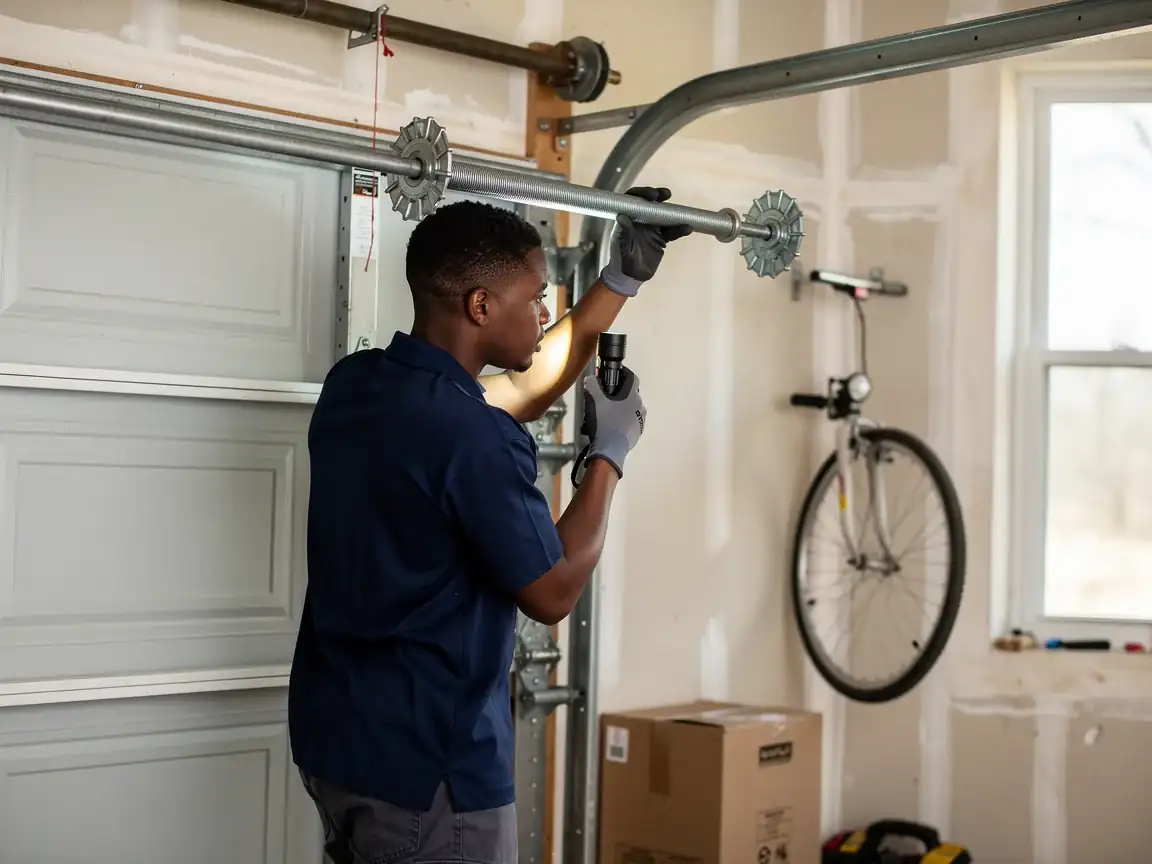
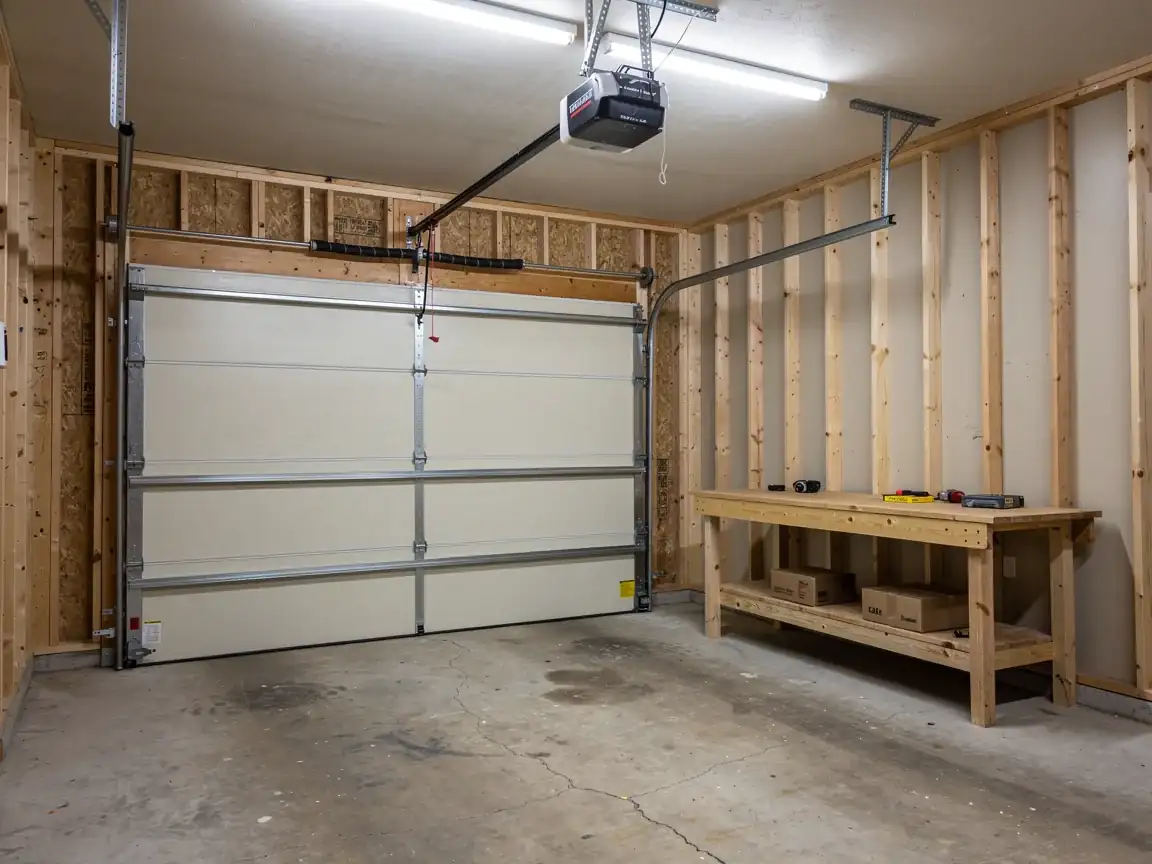
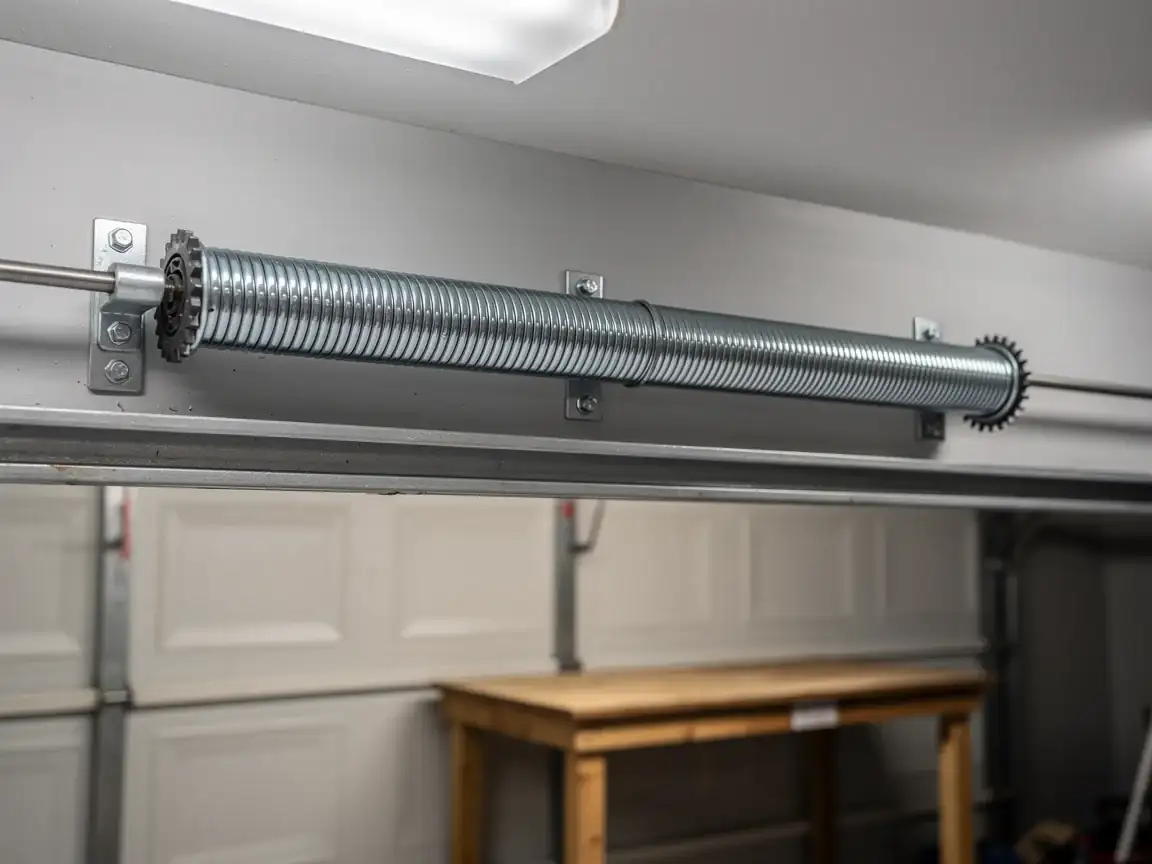
Where the cable runs under spring tension. That's the one we'd tell you to leave alone. A cable-side roller sits close enough to a loaded torsion or extension spring that a slip can put real force into your hand, and we're not going to pretend otherwise to sell a visit.
The other honest limit
If your track is grooved deep enough that a new roller still binds, no roller swap fixes that. At that point you're buying a track section, and sometimes it's cheaper to replace the whole assembly than to patch a 1960s-era track that doesn't match current hardware sizing. We'll tell you straight when that's the case instead of selling rollers into a track that'll chew through them again in a year.