What You Pay
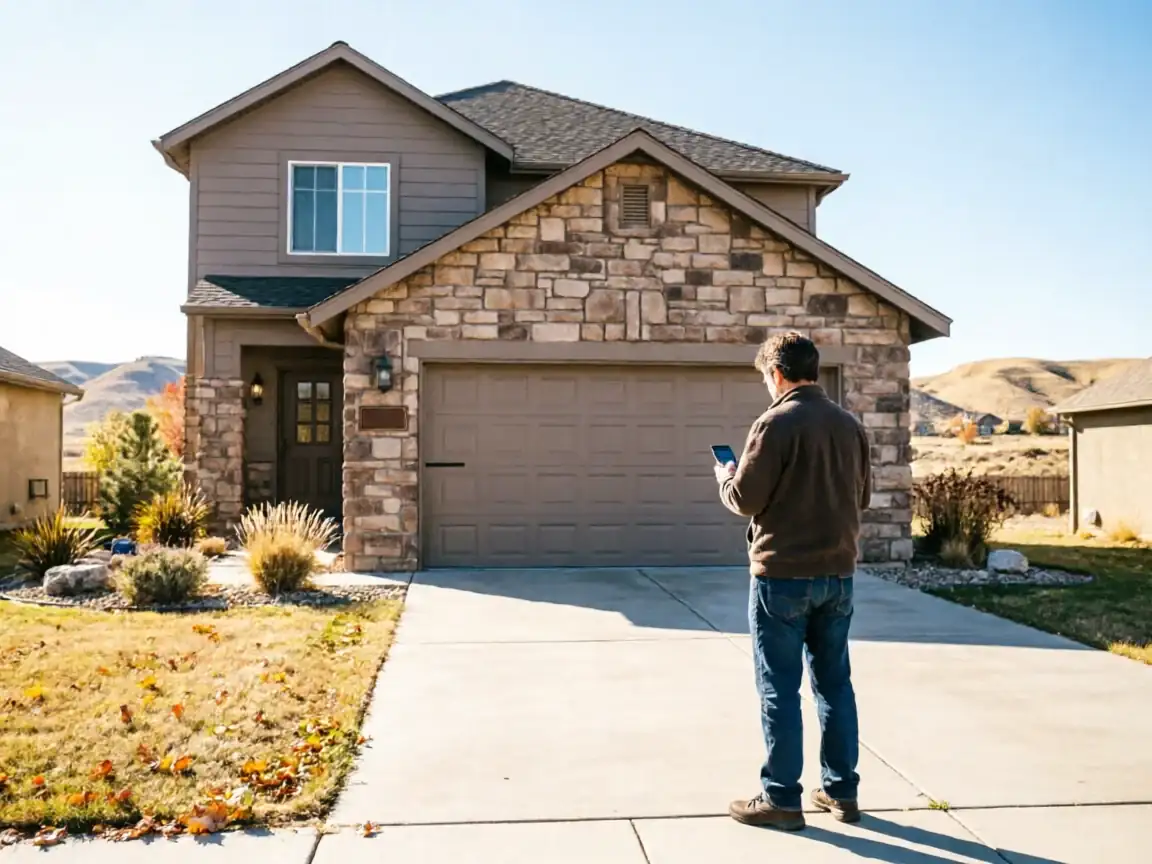
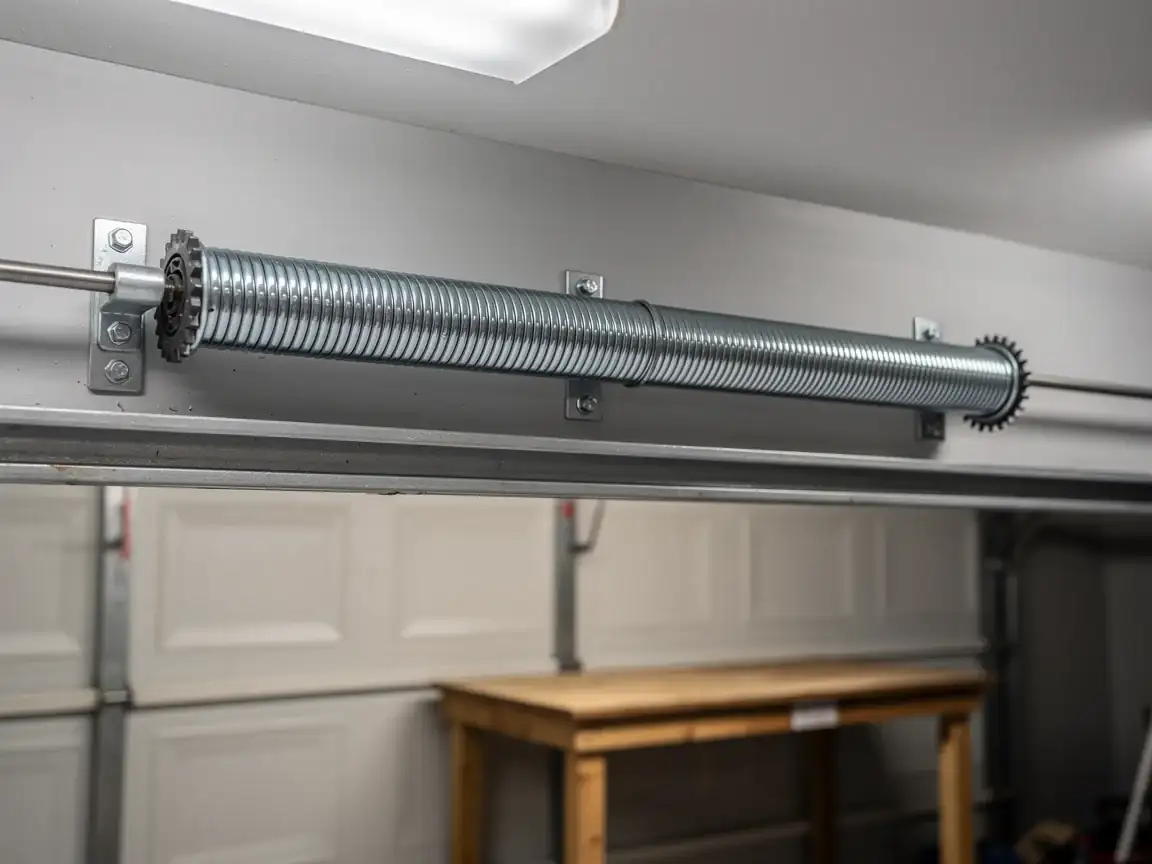
We don't post flat prices here because what a job costs depends on what's actually failed and what parts the door needs - and on a door built in 1958, that's often a part nobody stocks off the shelf anymore. A broken spring on a standard modern door is a quick, predictable job. The same failure on an original 1958 single-car door can mean sourcing a replacement drum or track bracket sized to hardware that hasn't been made in decades, which adds time and cost. We quote once we've seen the door and the specific part involved, not off a generic rate card. What we can tell you is that Moses Lake North's median household income, at $59,825, runs a bit above the broader service area's $56,084, which doesn't change what parts cost but does shape which jobs make sense to repair versus replace outright.
What Causes It Around Here
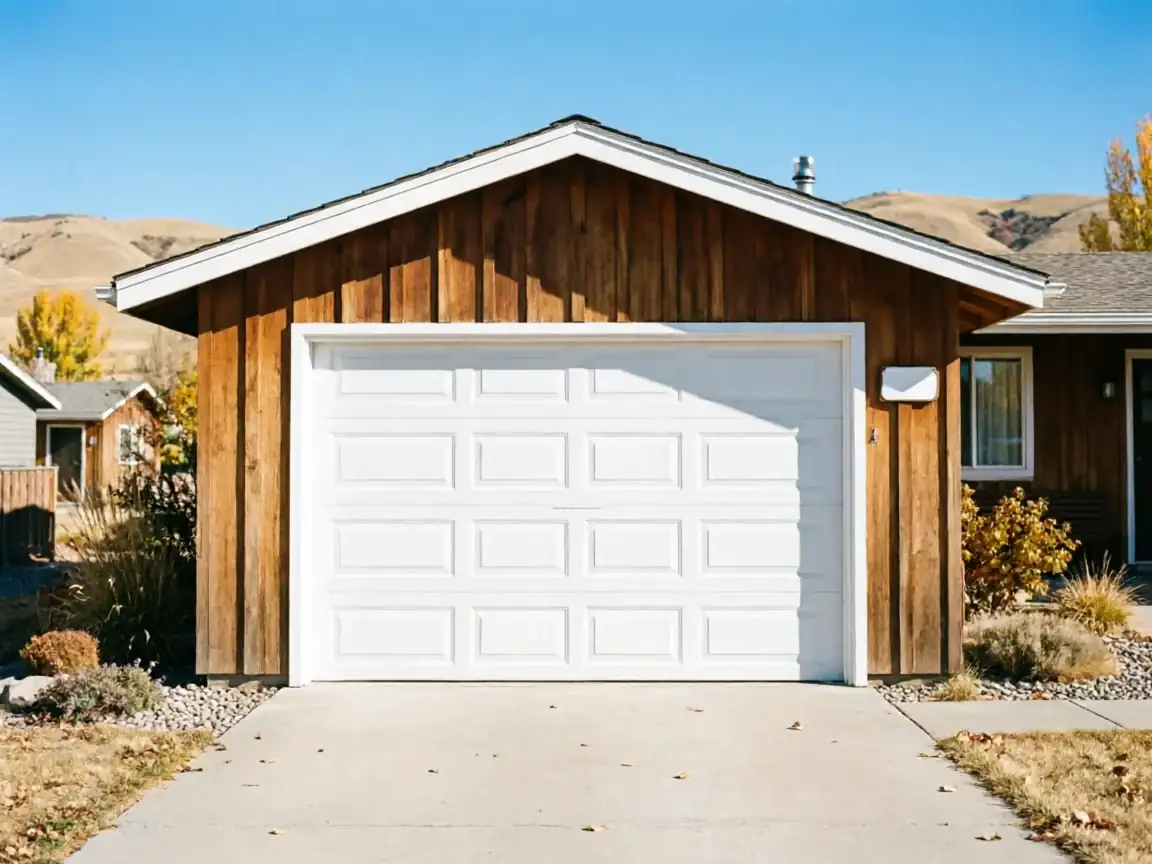
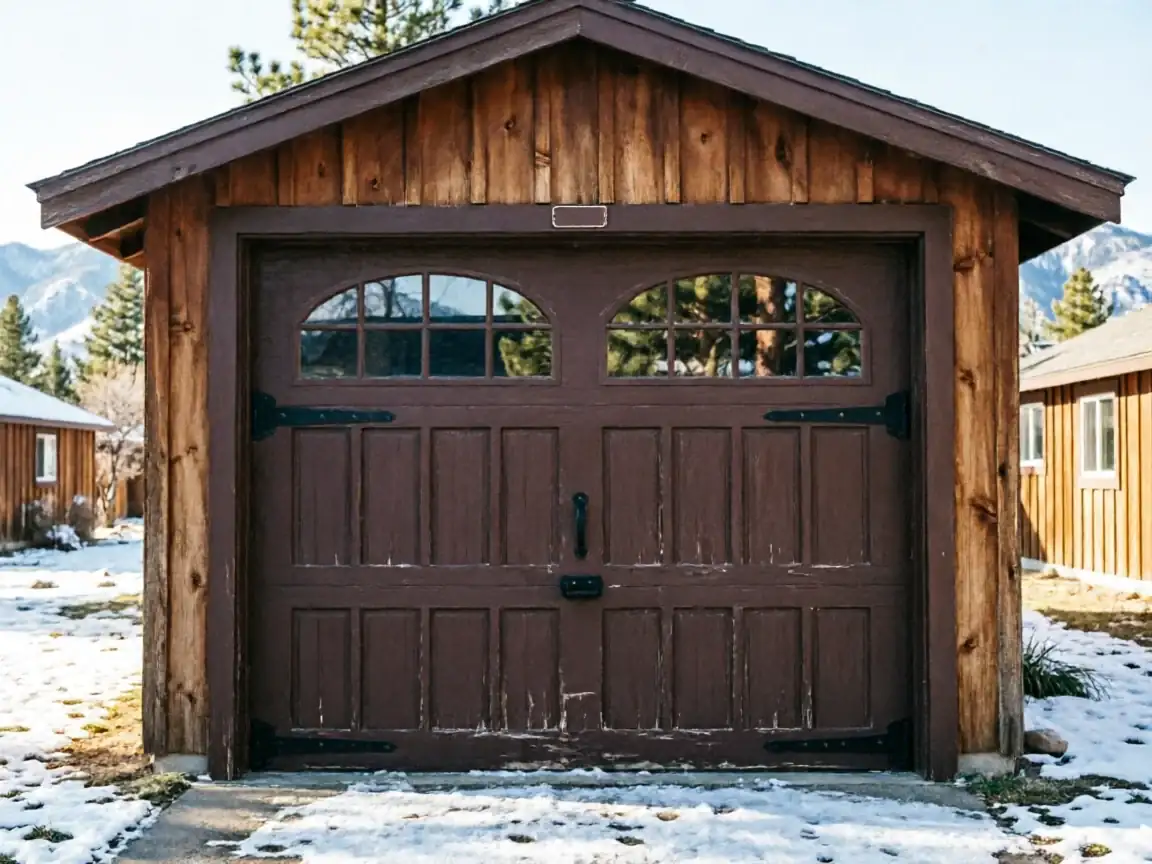
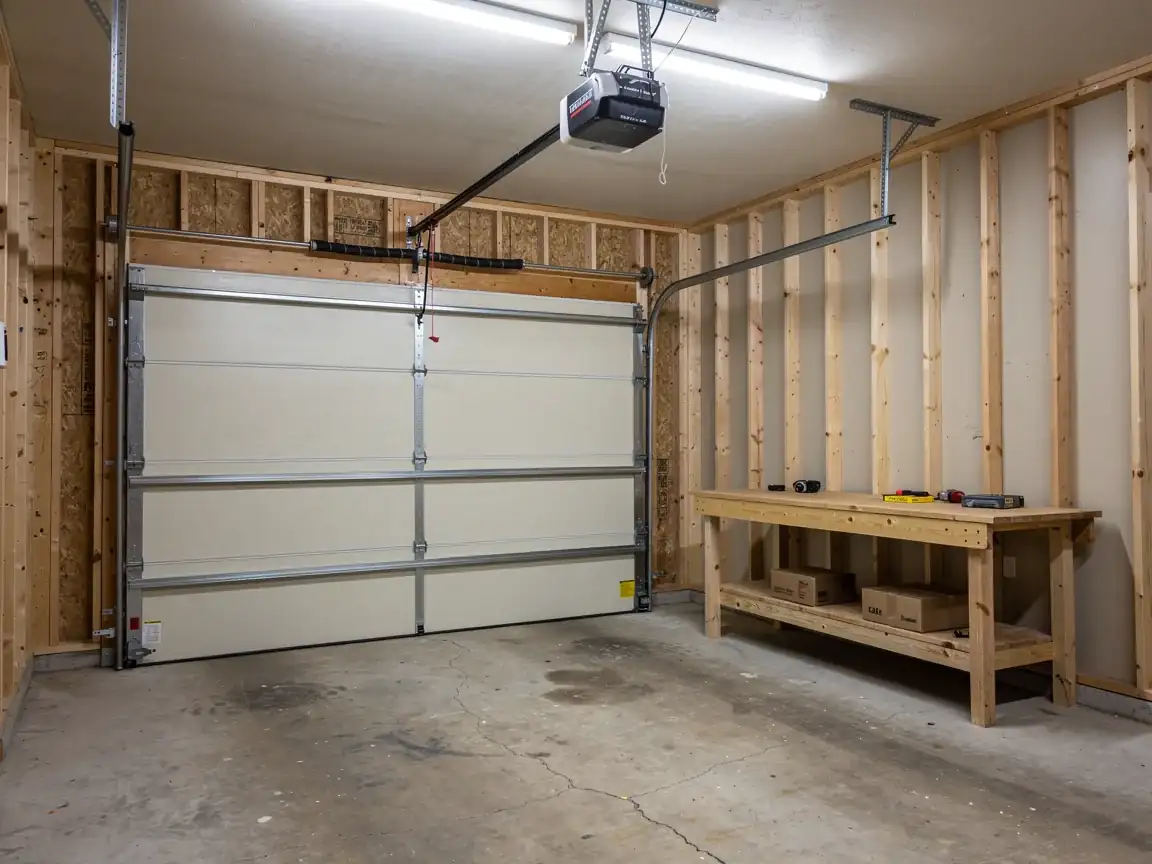
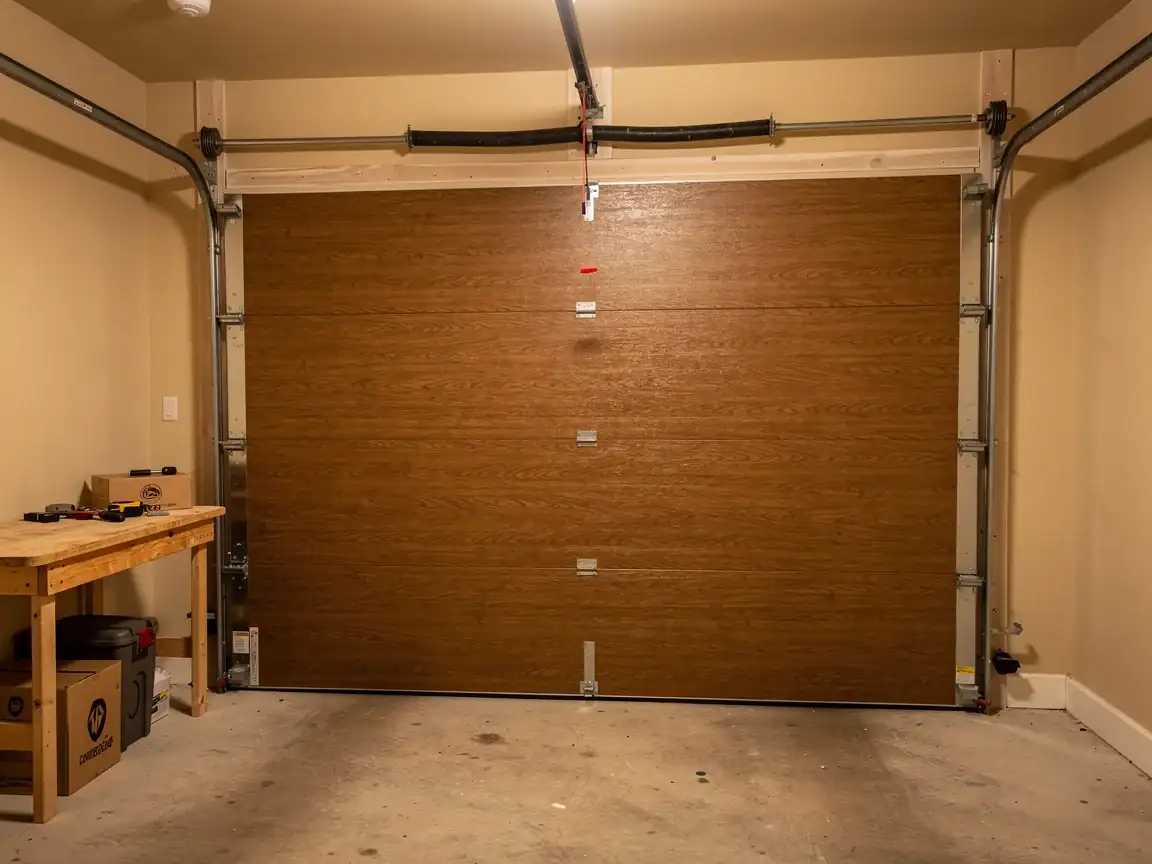
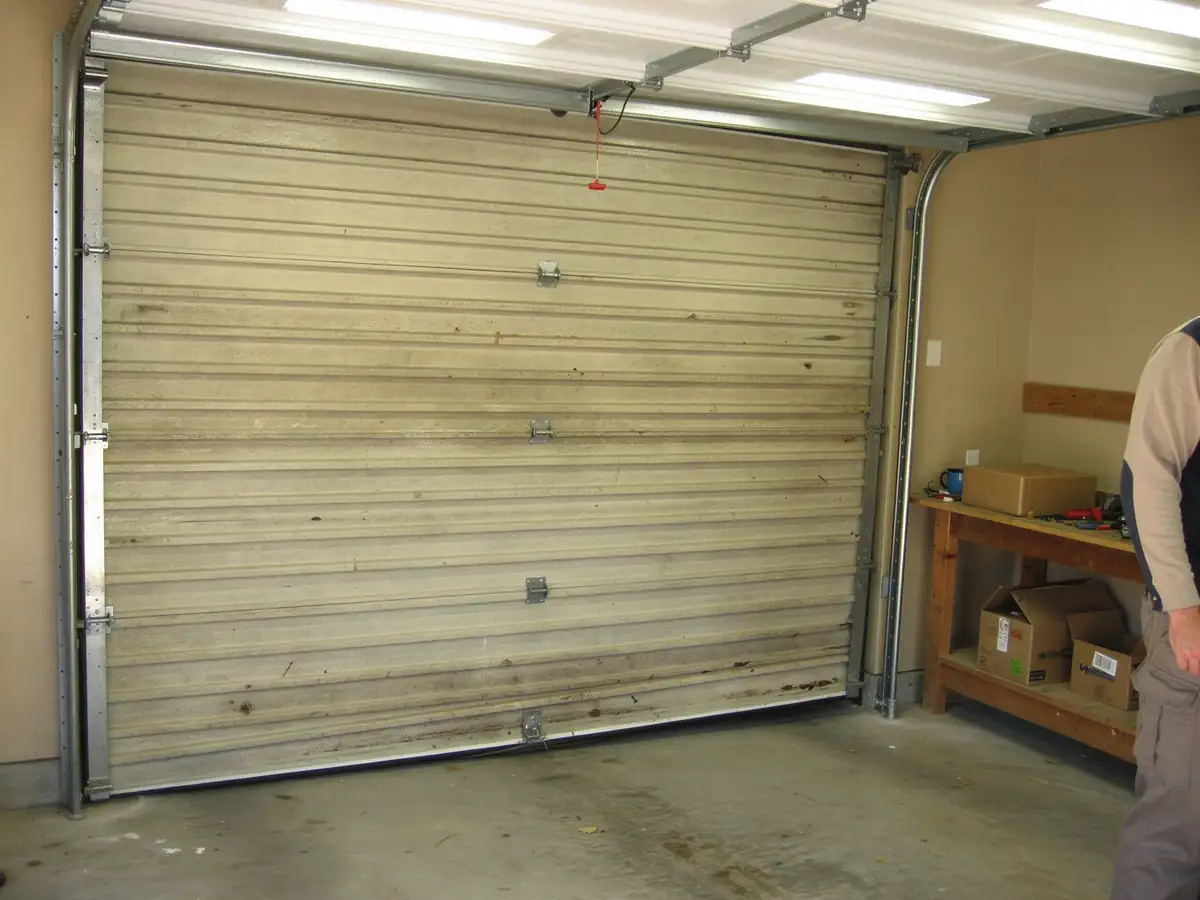
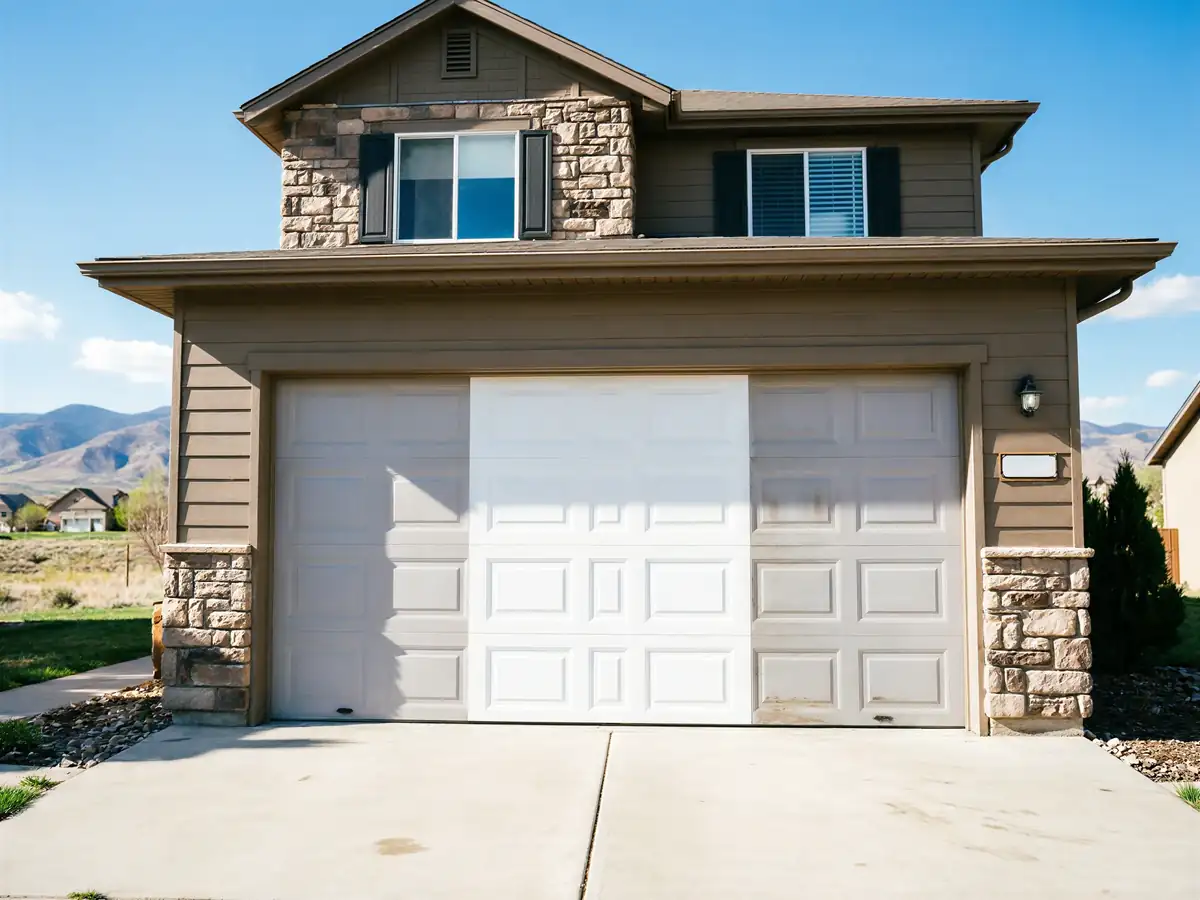
The service area sits in a cold, severe winter climate zone, and a door built in 1958 was not engineered with today's weatherstripping or insulated panel standards in mind. Decades of hard freeze-thaw cycles work on original steel skins and wood jambs the same way they work on any exterior structure here - panels warp slightly, gaps open at the bottom seal, and springs that have already done sixty-plus winters of cycling are closer to the end of their wind life than a spring installed in the last ten years. With 1,359 households in this suburb, most sitting on lots built out in that same late-1950s wave, we see a repeating pattern: original torsion hardware finally giving out, track brackets loosened by decades of seasonal movement, and openers that were retrofitted onto doors never designed to carry one. It's less about any single bad year of weather and more about cumulative wear on hardware this old.
Booking a Visit
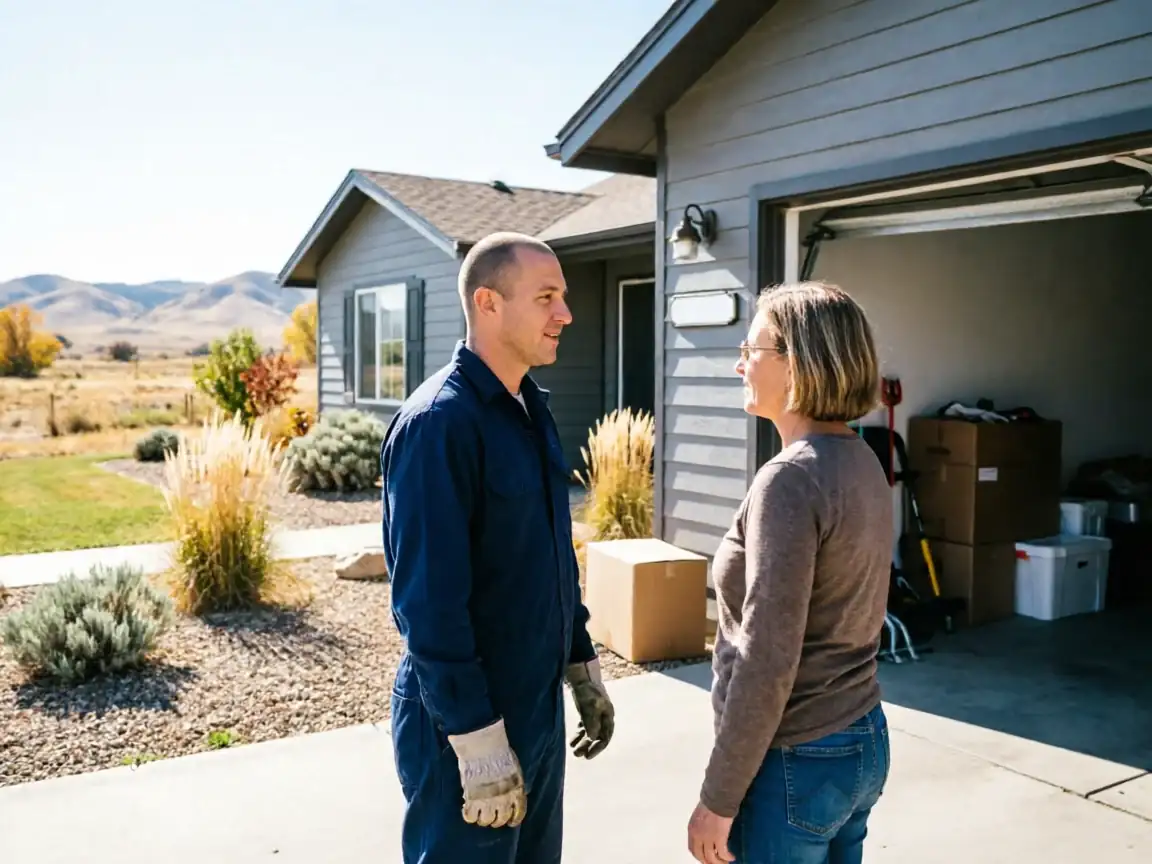
We come out from Moses Lake, about 5 miles south, to cover Moses Lake North along with the rest of the service area - Cascade Valley, Warden, and Ephrata included. There's no separate branch or depot here; it's one crew working out from Moses Lake, which is worth knowing if you're expecting a same-hour local shop. Have the door's rough age, the symptom (won't open, dropped on one side, won't stay up), and whether it's original hardware or already replaced once, ready when you call. On a door this old, telling us upfront that it's a 1958-era original saves a visit just to identify parts.
What the Fix Involves
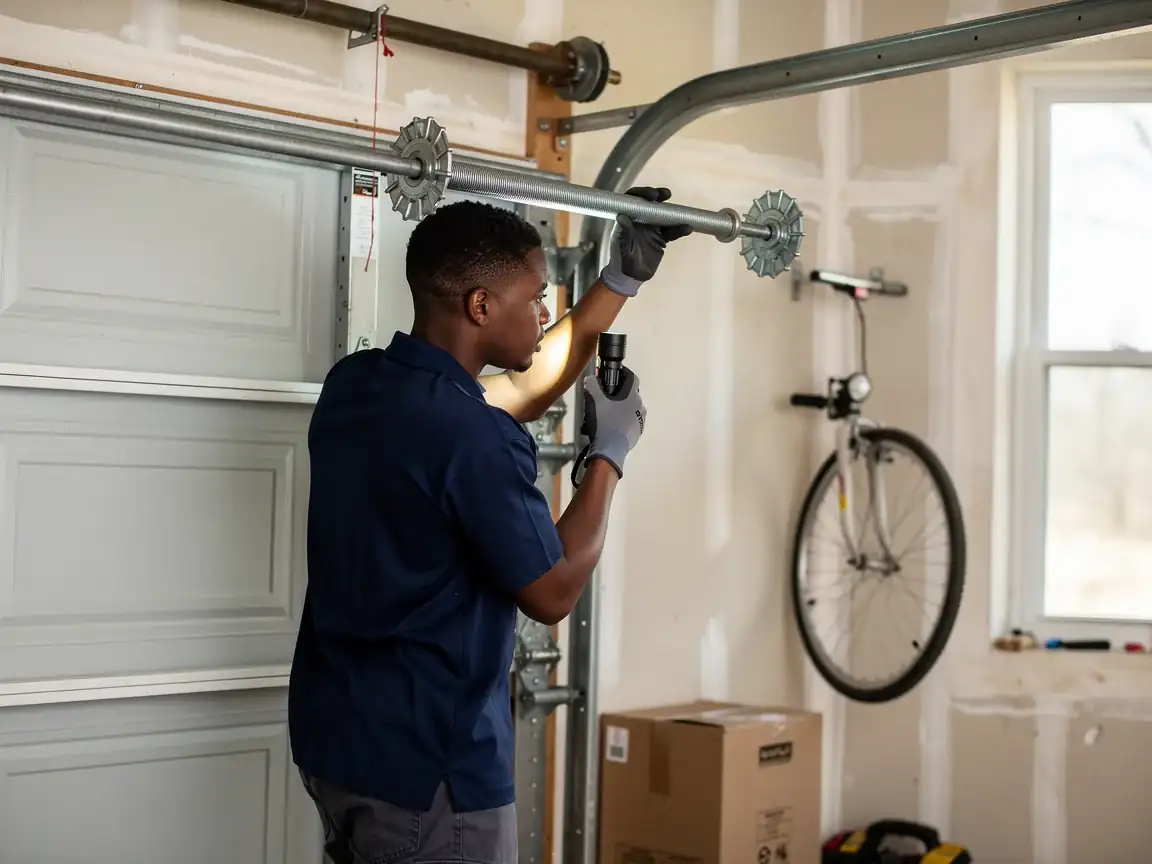
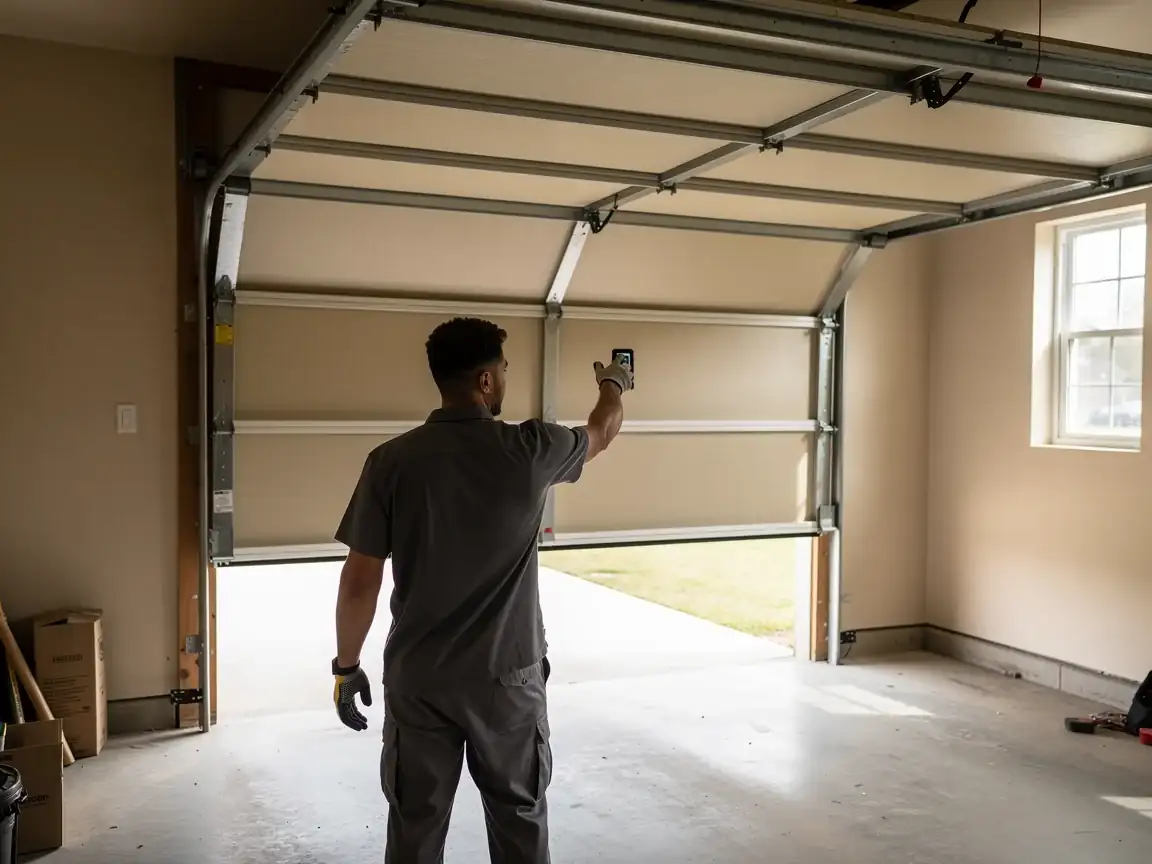
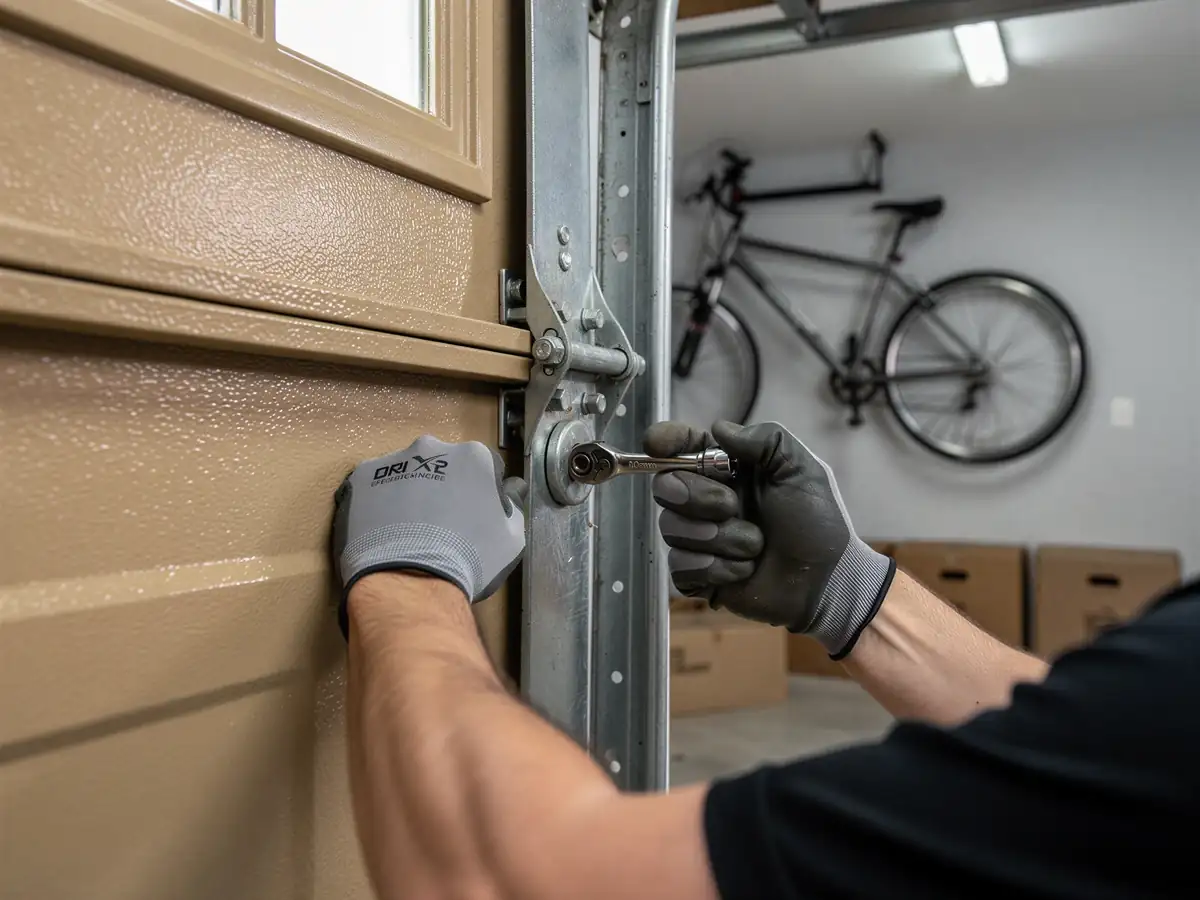
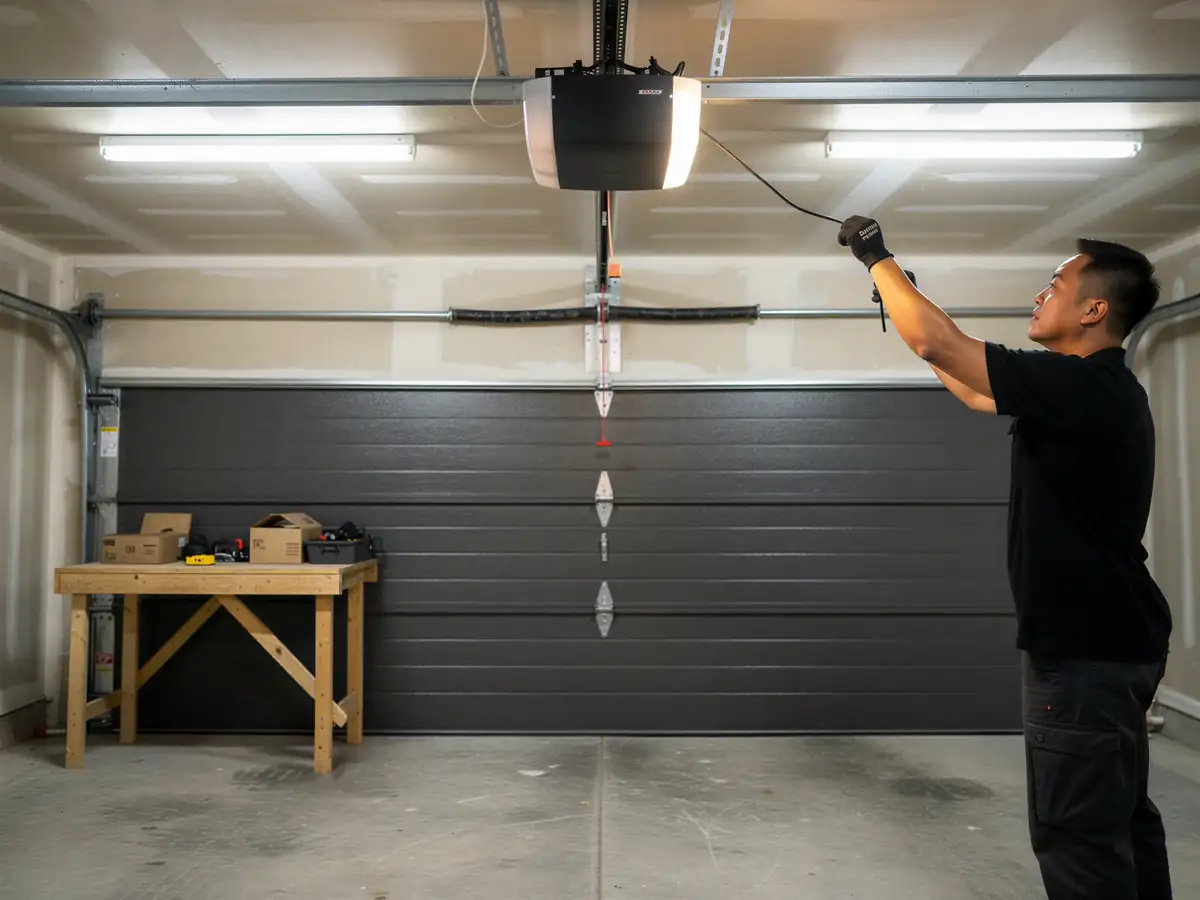
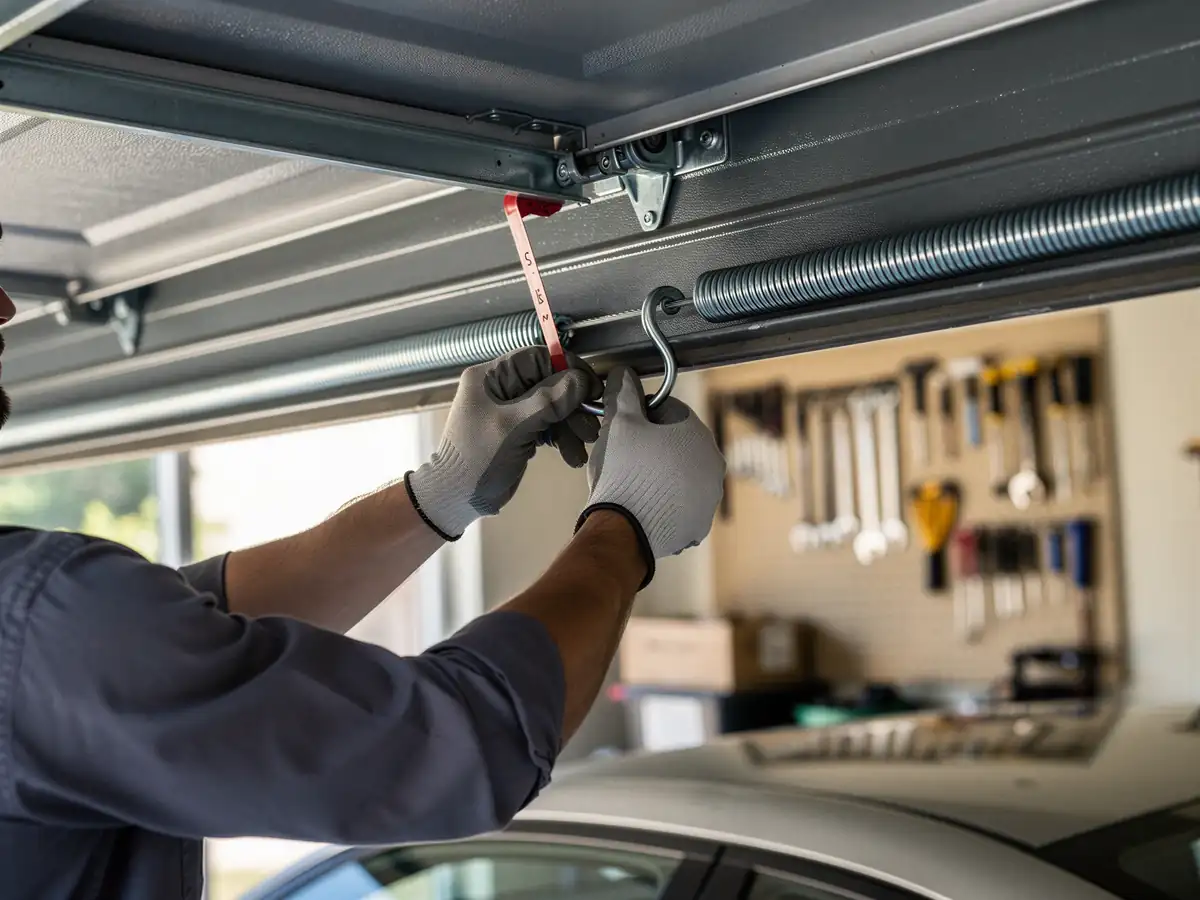
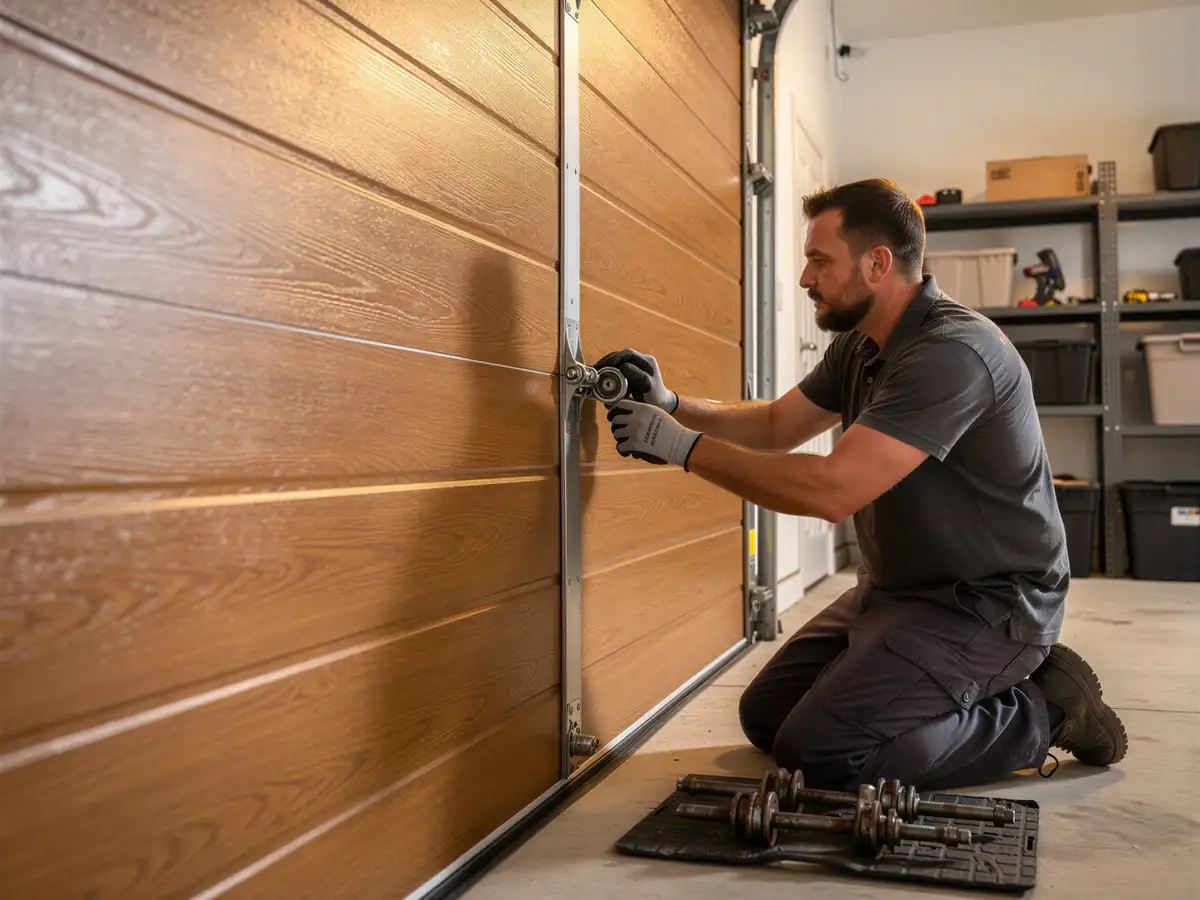
On an original 1958-era door, the fix usually starts with confirming whether the existing track and drum hardware can still be matched, or whether the repair needs to move to a modern replacement spring and drum set adapted to the old track width. We'll tell you straight if a part is obsolete enough that patching it isn't worth the labor compared to replacing the spring system outright - that's the honest call on hardware this age, and we won't string out a repair just to avoid saying so. For openers retrofitted onto original doors, the fix often includes rebalancing the door itself first, since an opener fighting an unbalanced door burns out faster regardless of its own condition. We're not able to source every original part on the spot; some older track hardware has a lead time, and we'll tell you that before starting, not after.