The DIY Question
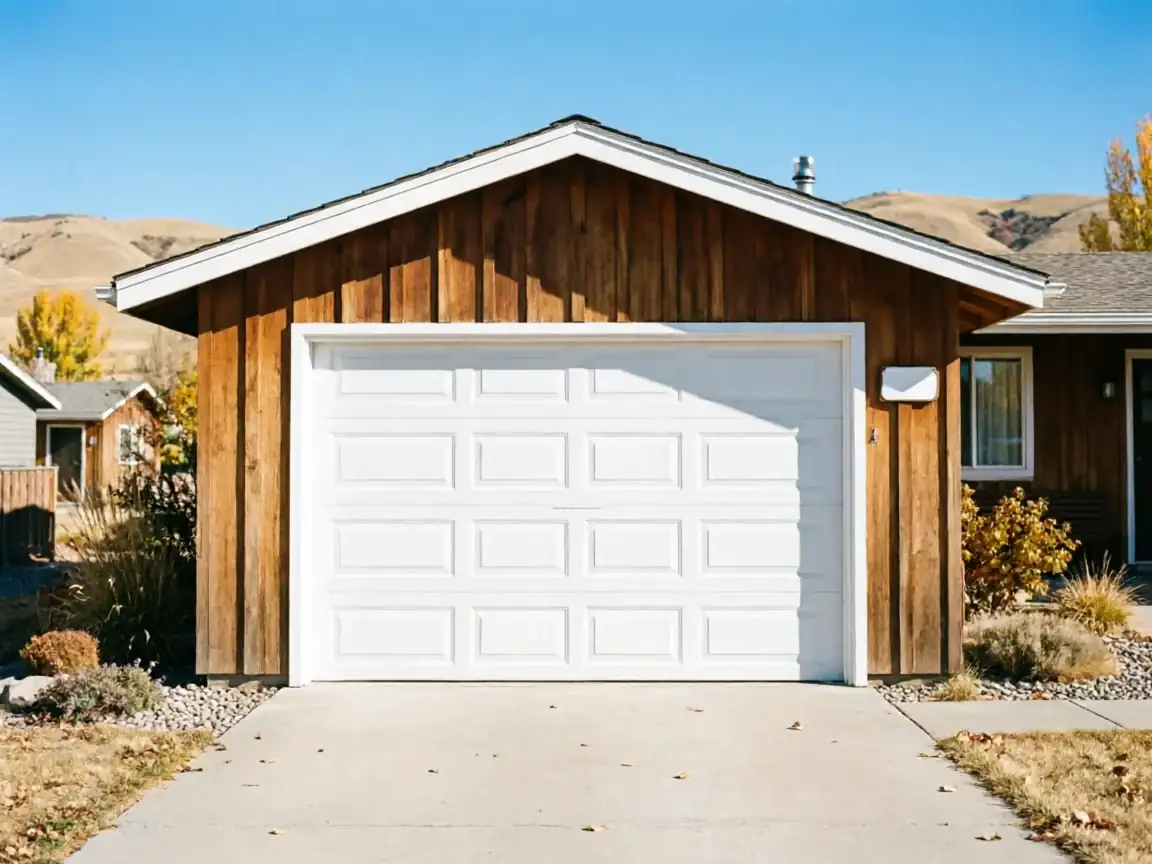
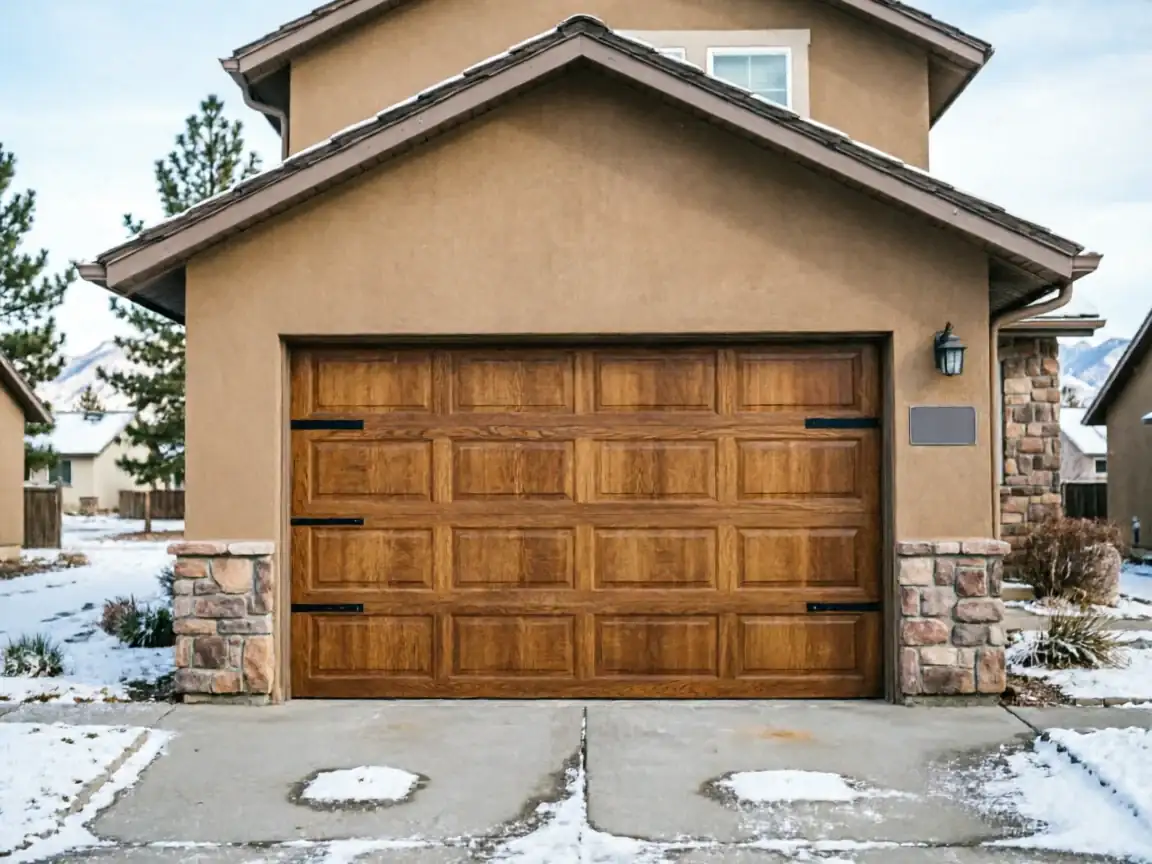
Moses Lake North's housing stock centers on 1958
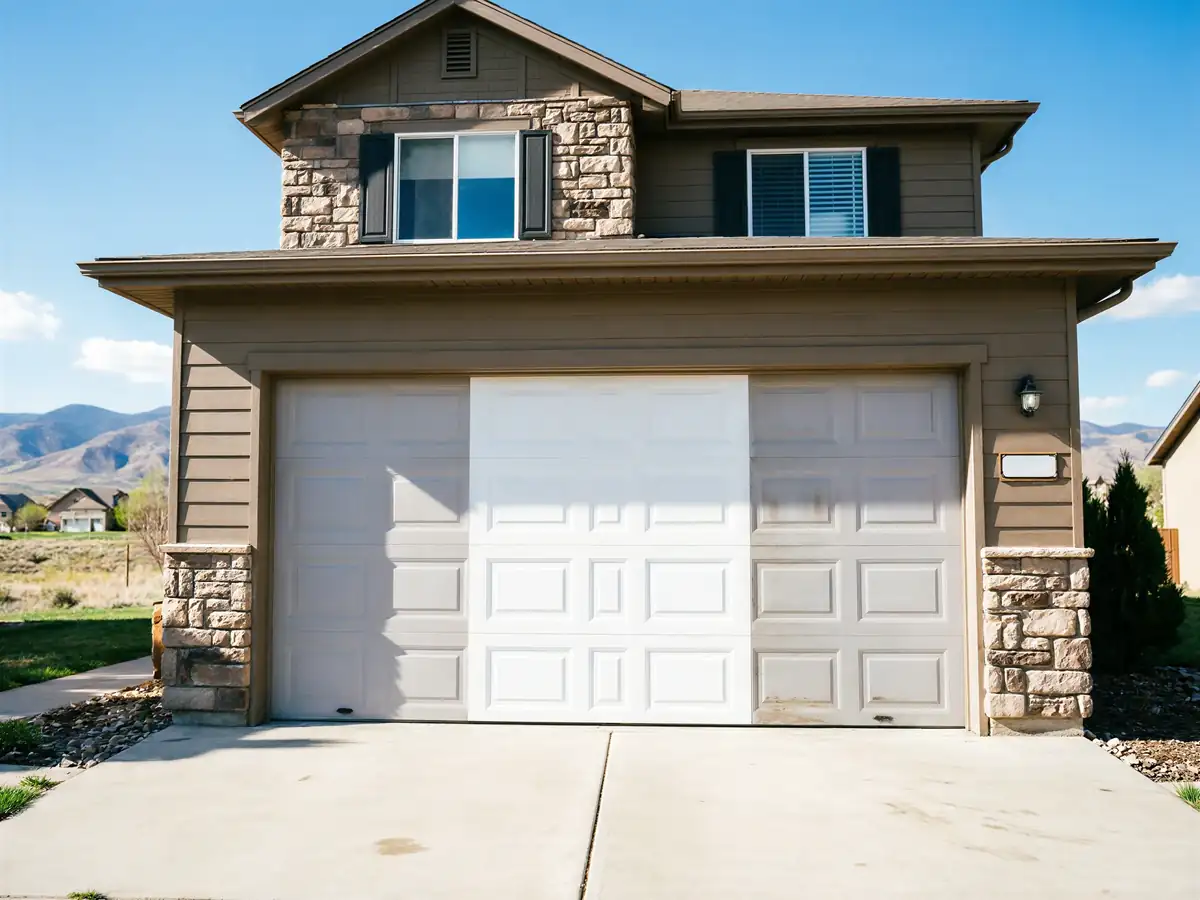
Earlier than a lot of what you'll find elsewhere in the service area, where the median build year runs closer to 1969. That matters for a DIY install because openings framed in the late 1950s don't always match today's standard 16x7 or 9x7 sizing. Track brackets, header clearance, and jamb depth can all be a half inch or more off from what a big-box door kit assumes.
If you're handy and your opening is a common size
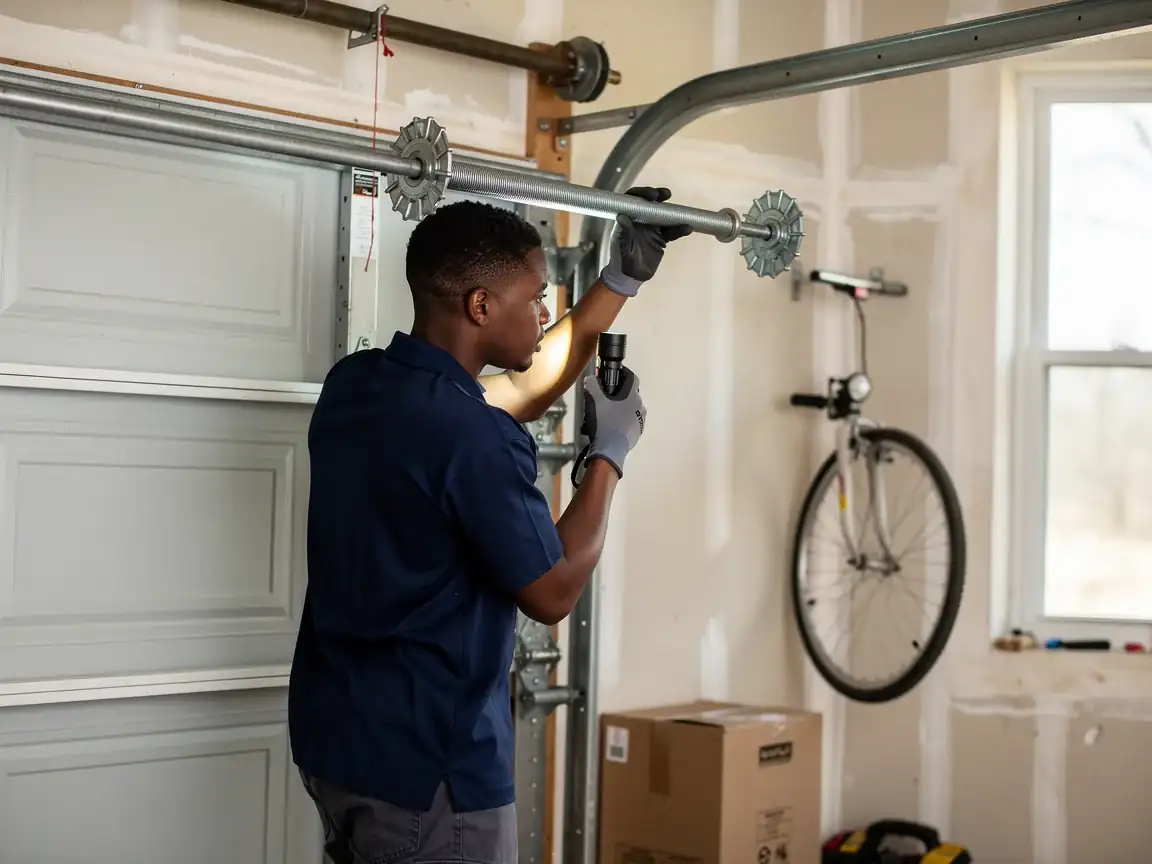
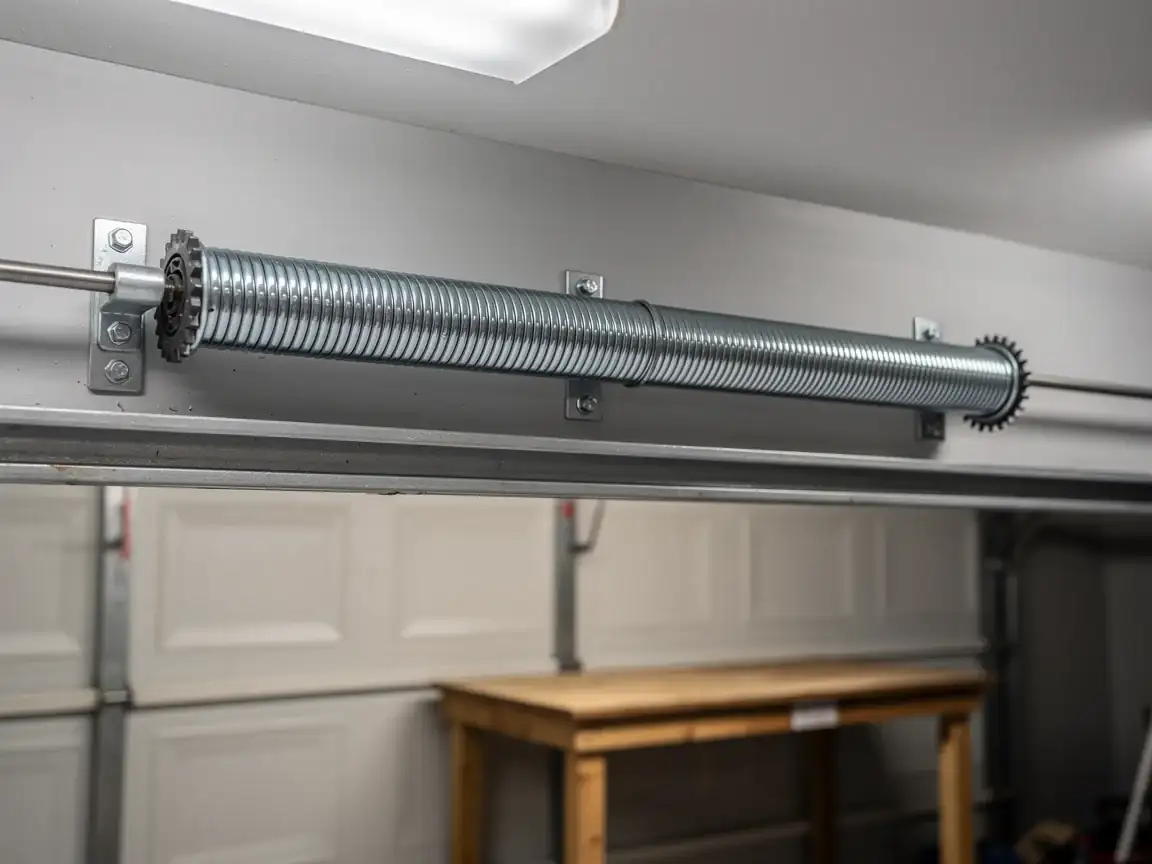
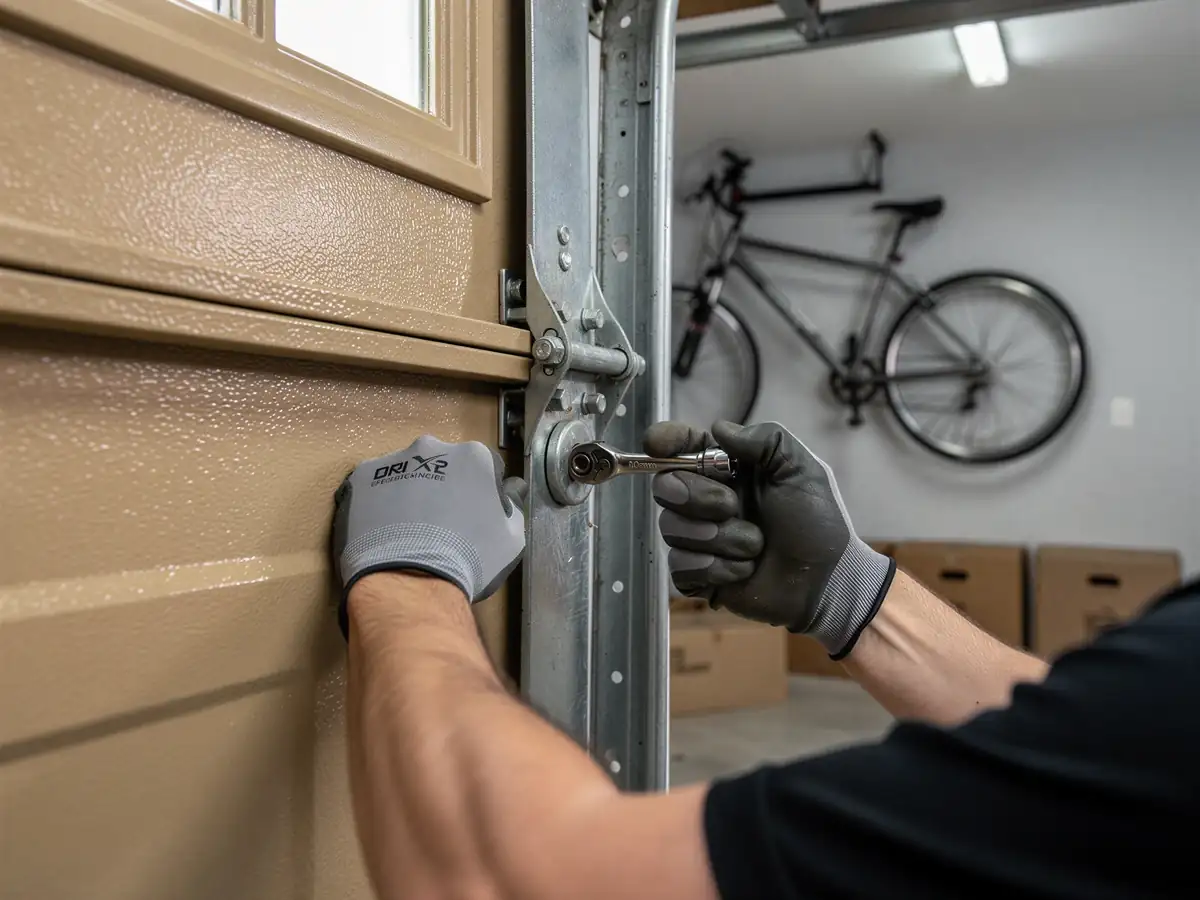
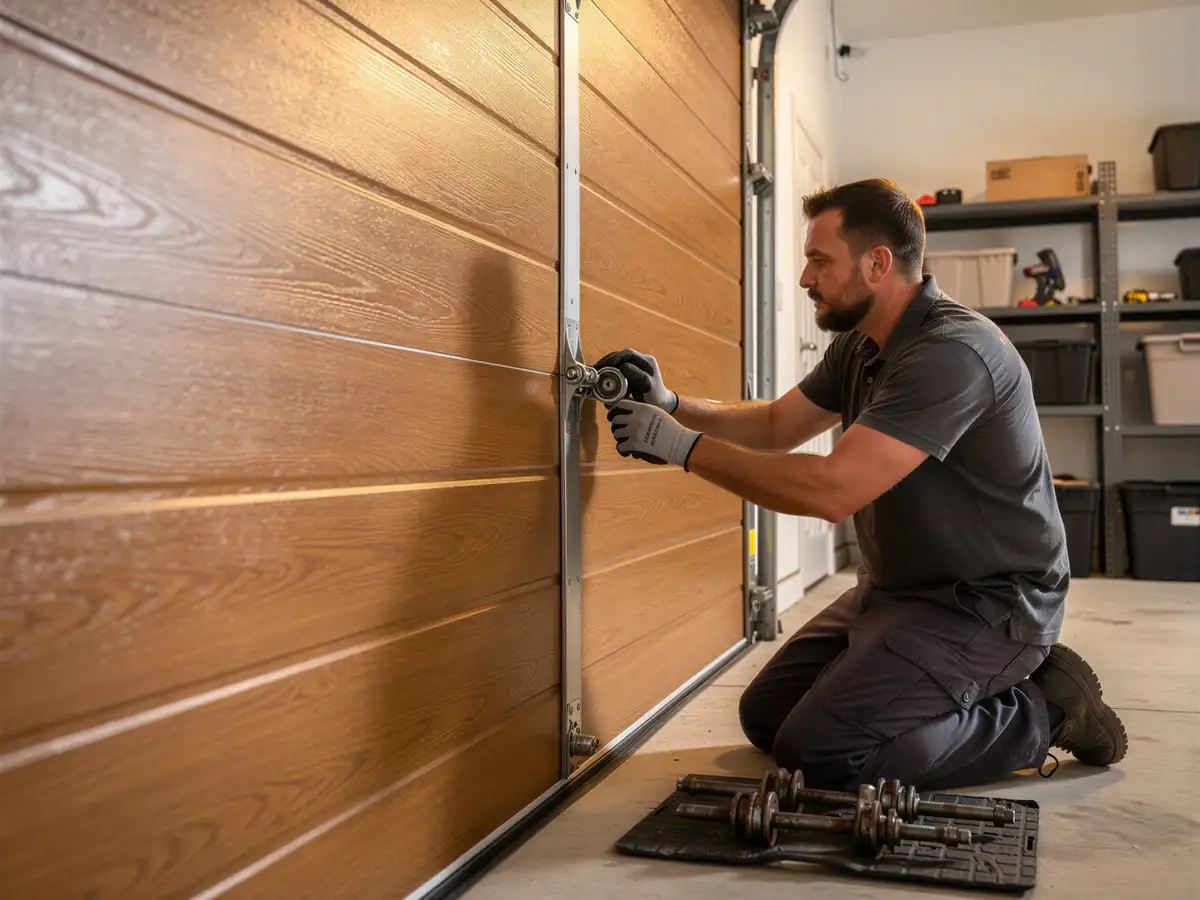
A single-car door swap is within reach for someone comfortable with a drill and a torsion bar warning label taken seriously. Where it gets risky is spring selection - a door sized for a 1958 opening often needs a different spring wind and drum setup than the kit's default chart shows, and guessing wrong on torsion spring tension is how people end up in the ER, not just back at the hardware store.
Our honest limit here: we don't do remote spec-by-phone installs
If your opening is non-standard, we need to measure it in person before we order the door, which means a visit before a quote, not after.
What You Pay
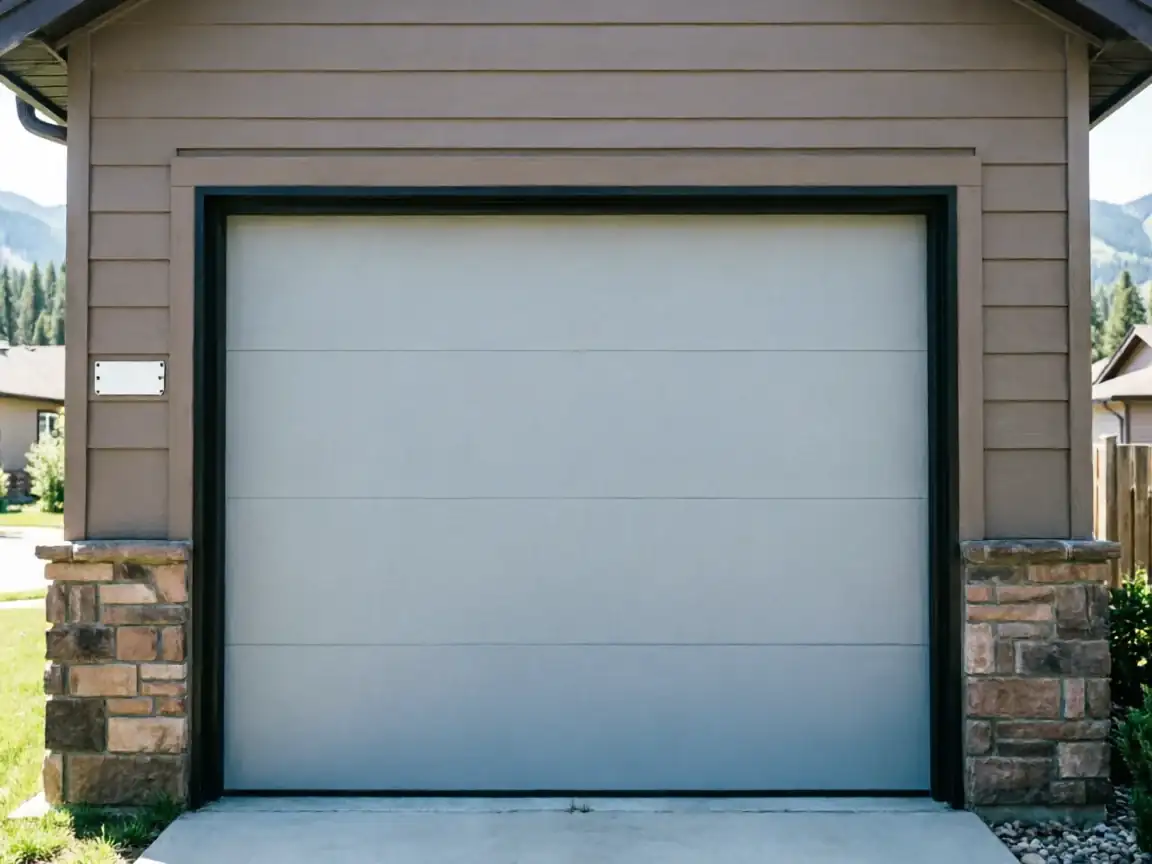
We don't publish a flat number for new installs, because 1958-built openings in this area vary enough that the honest price depends on what we find when we measure - header height, track clearance, whether the opening needs reframing to fit a standard door, and which insulation level you pick for a cold-climate install. A double door costs more than a single, and an opening that needs carpentry work before the door goes in costs more than one that doesn't.
What we can tell you is that Moses Lake North's median household income sits at $59,825, a bit above the $56,084 median across the wider service area, which is worth knowing if you're comparing installs across different parts of town - the budget conversations aren't identical. We'll walk the opening, give you a number before any work starts, and explain what's driving it line by line.
What Causes It Around Here
With most houses here going up around 1958, the doors and tracks that are failing now are often the second or third door that opening has seen, not the original. Steel sectional doors from the 70s and 80s replacements are hitting the end of their service life, and the torsion hardware under them was often sized for lighter, non-insulated doors than what's sold today.
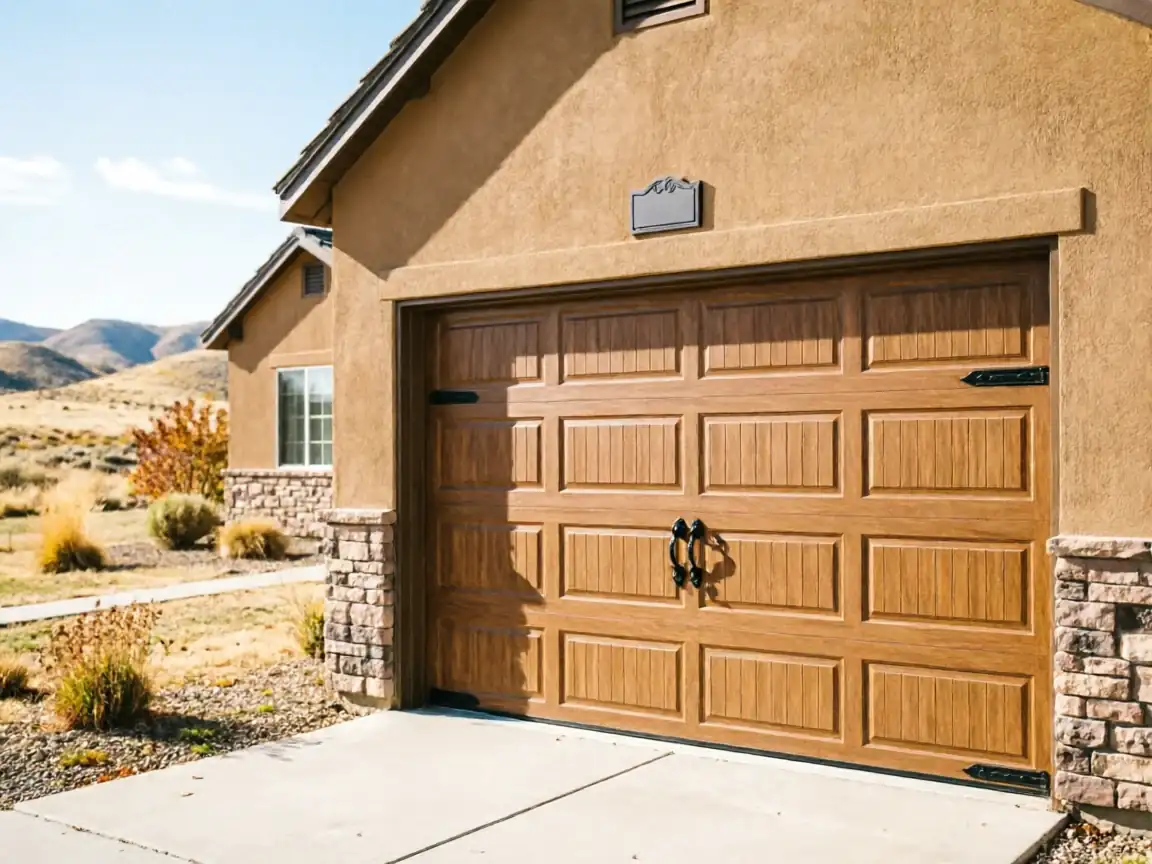
The area sits in a cold, severe climate band, and uninsulated or thin older doors let a lot of heat out through a garage that often backs onto a living space or laundry room. That's less a dramatic failure and more a slow one - rising energy bills and a door that's noticeably colder to the touch in January than a modern insulated panel would be. Combine original framing with 60-plus years of freeze-thaw cycling on the slab and track alignment drifts enough that a straight swap-in replacement sometimes needs shimming work most newer-build homes don't.
What You Are Seeing
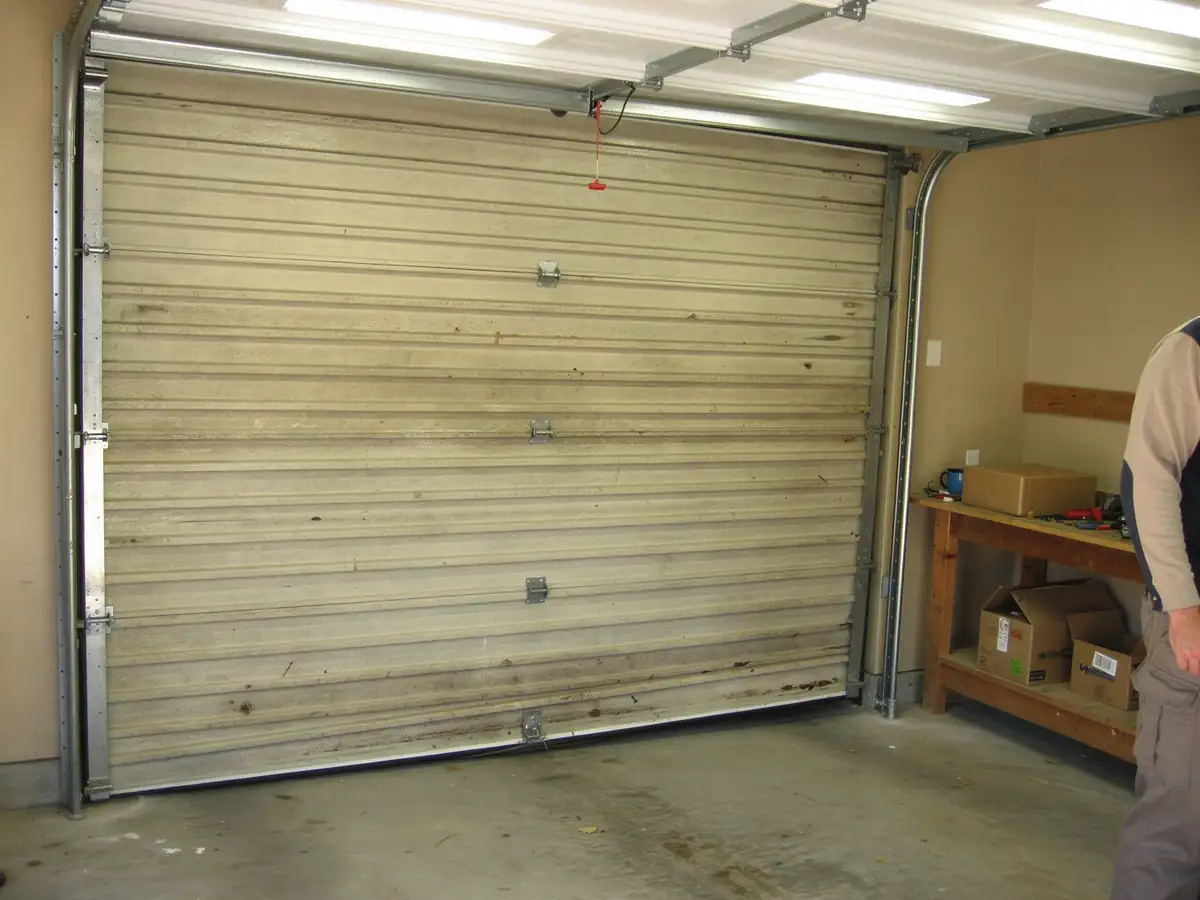
A door that's sagging at the bottom corners, daylight showing around the edges even when it's shut tight
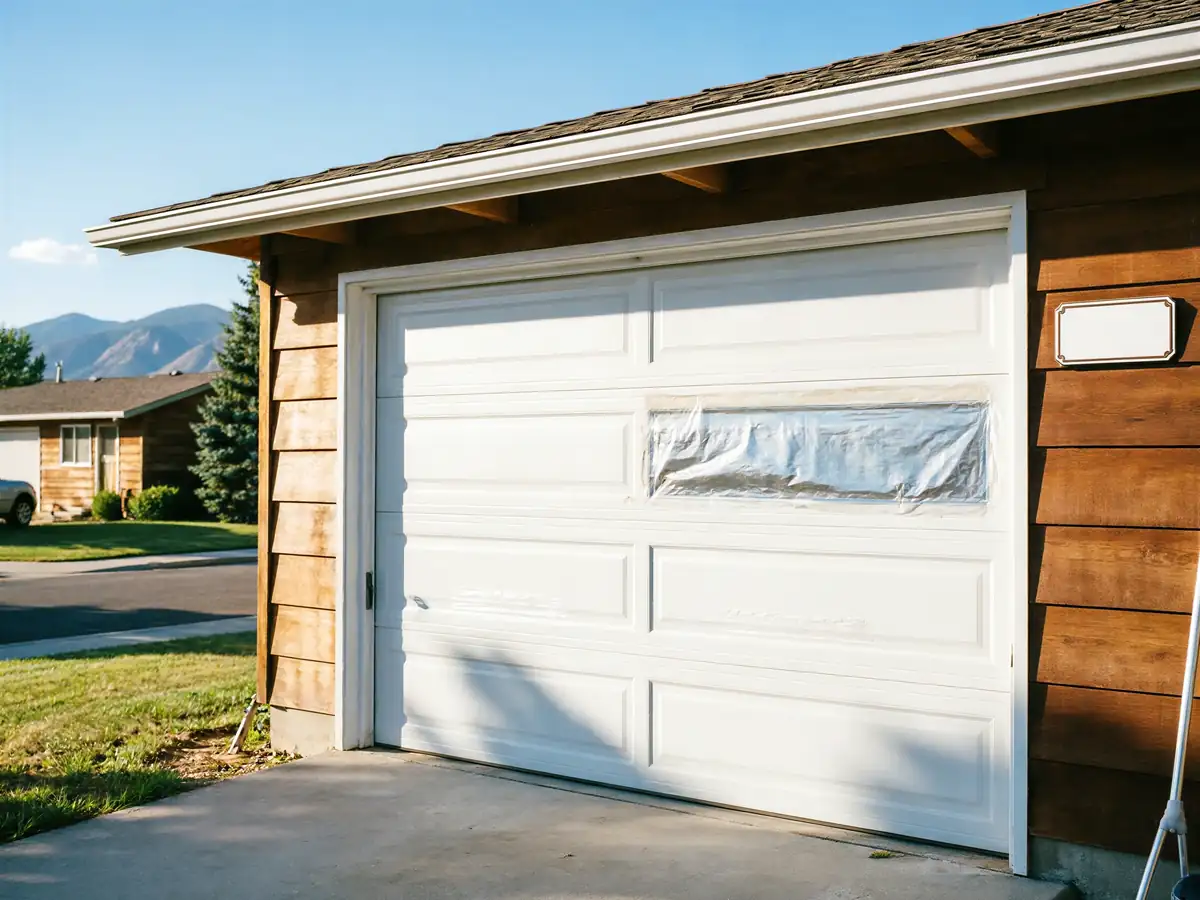
Or a surface that's gone chalky and thin - these point to a door that's past repair, not one more spring or roller away from fine. On a house from the 1958 era, you're also more likely to find a single, non-insulated steel panel rather than the two-layer or three-layer doors common on newer builds, which shows up as a garage that's noticeably colder than the house.
If the track is bent, bowed, or doesn't sit flush along its full run
That's often a sign the door's been forced or dragged over years, which at this point usually means replacement, not another repair, is the better spend.
Booking a Visit
We run installs out of Moses Lake, and Moses Lake North sits about 5 miles out, so a visit is a short trip for us, not a special trip. We measure the opening on site before quoting anything, because with housing this age an assumption about standard sizing is how a job goes sideways. Bring us the opening dimensions if you have them, or just leave the tape measure to us when we come out.
What the Fix Involves
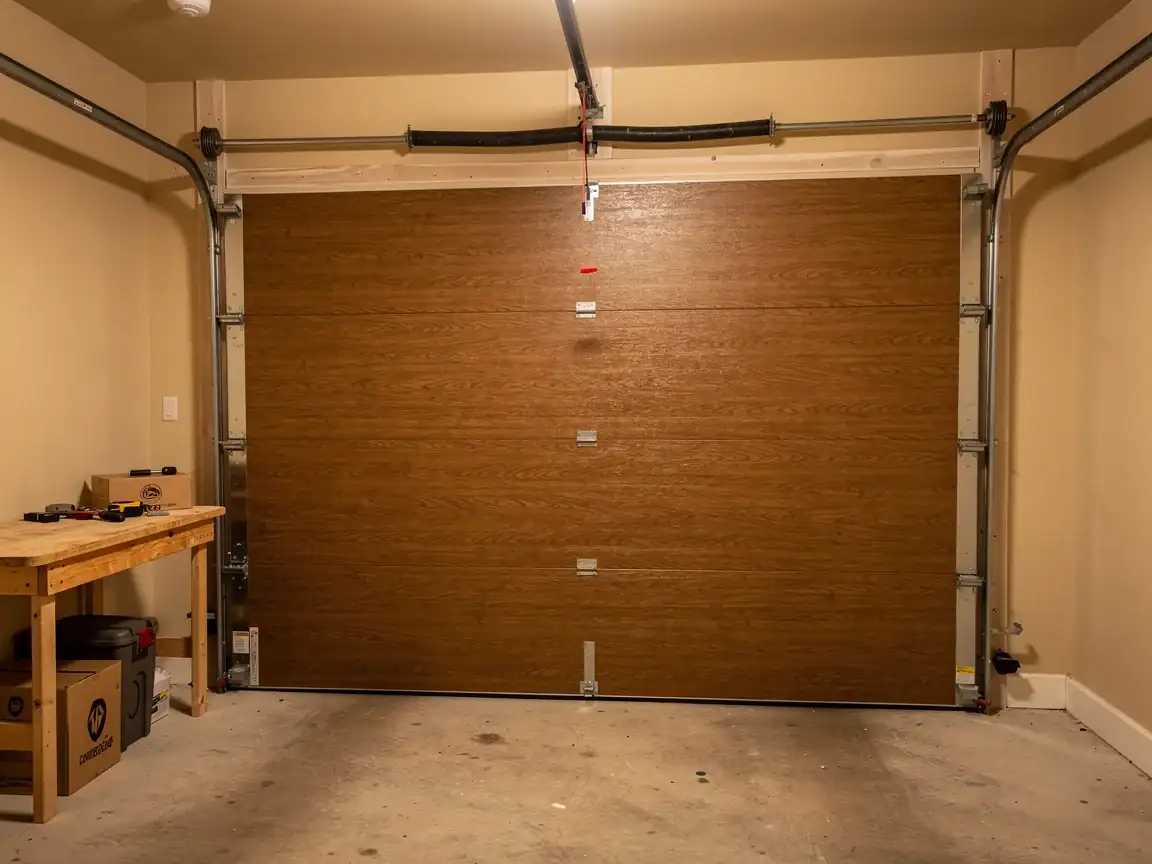
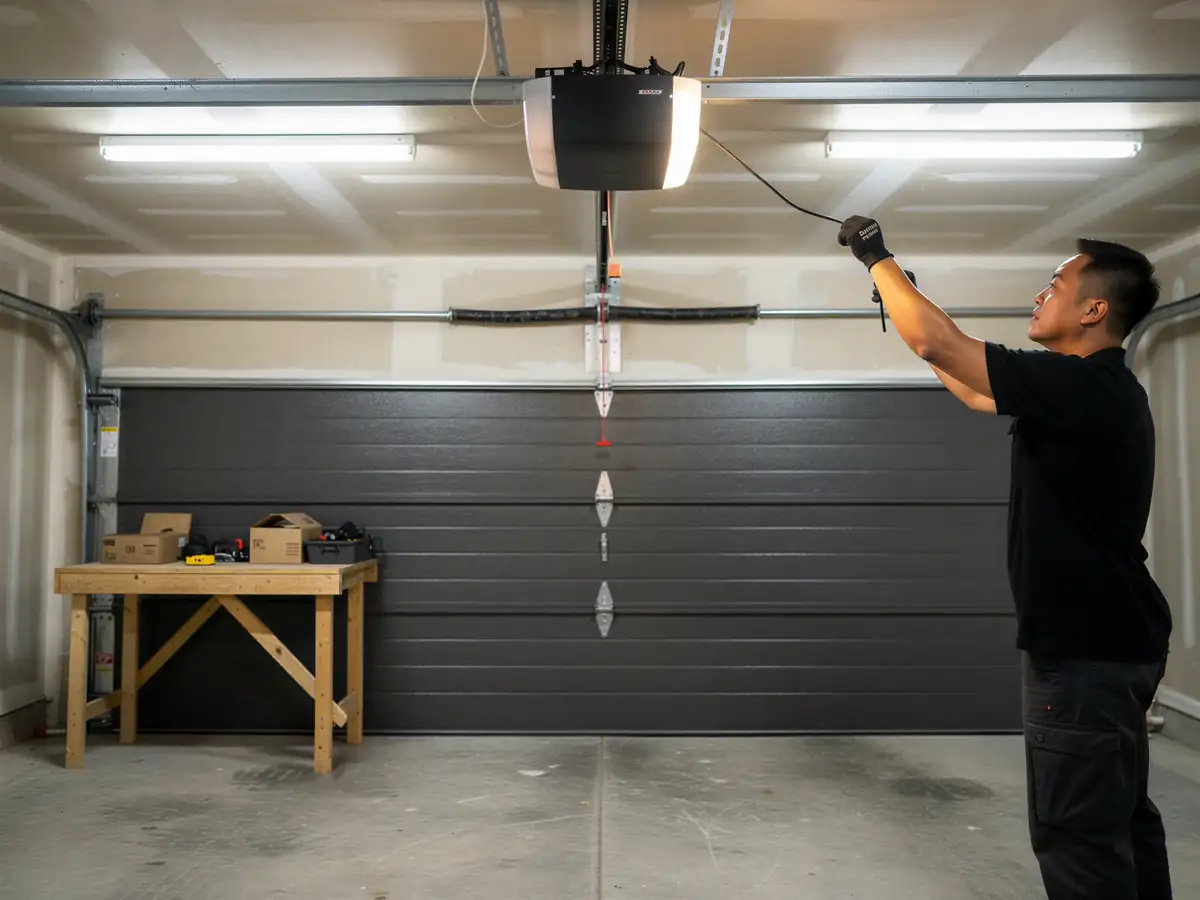
A new install starts with pulling the old door and track, checking the jamb and header for square and for rot or settling - common enough on framing this age - and confirming the opening against the new door's spec before anything gets hung. Given the area's cold, severe winters, we'll talk through insulation levels rather than default to the cheapest panel, since a thin door on a garage near living space shows up on the heating bill fast.
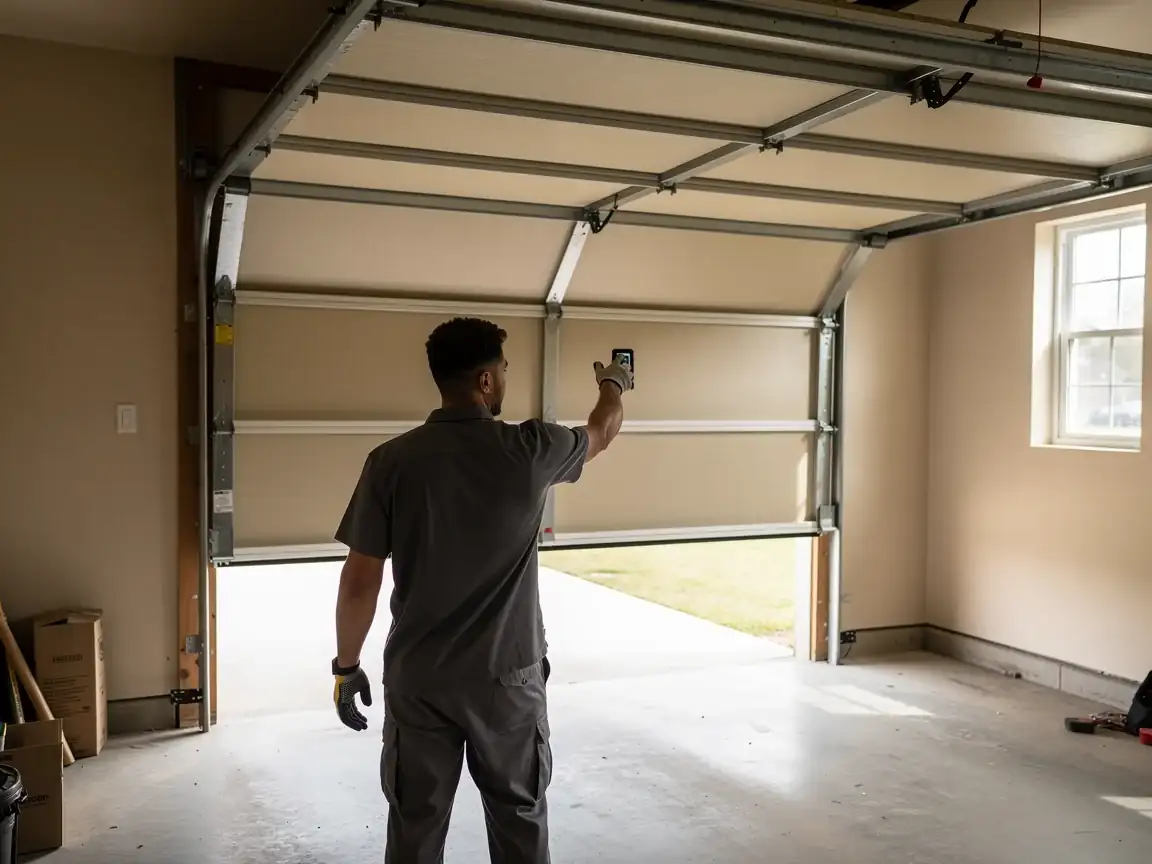
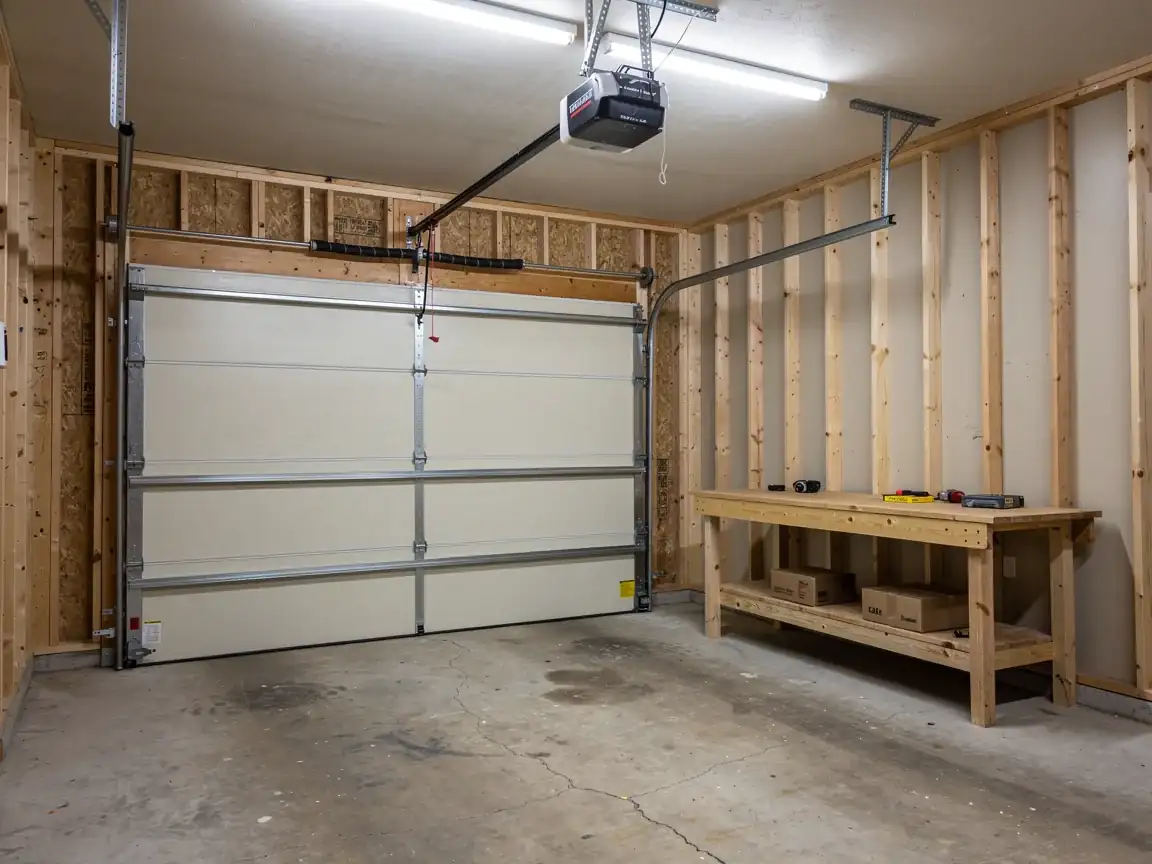
Track and spring hardware gets matched to the new door's weight, not reused from the old setup, since a 1958-era opening's original hardware was almost never sized for a modern insulated door. We test the balance and travel before we leave, and we'll tell you straight if the opening needs carpentry work first rather than forcing a door into a frame that isn't square.