The DIY Question
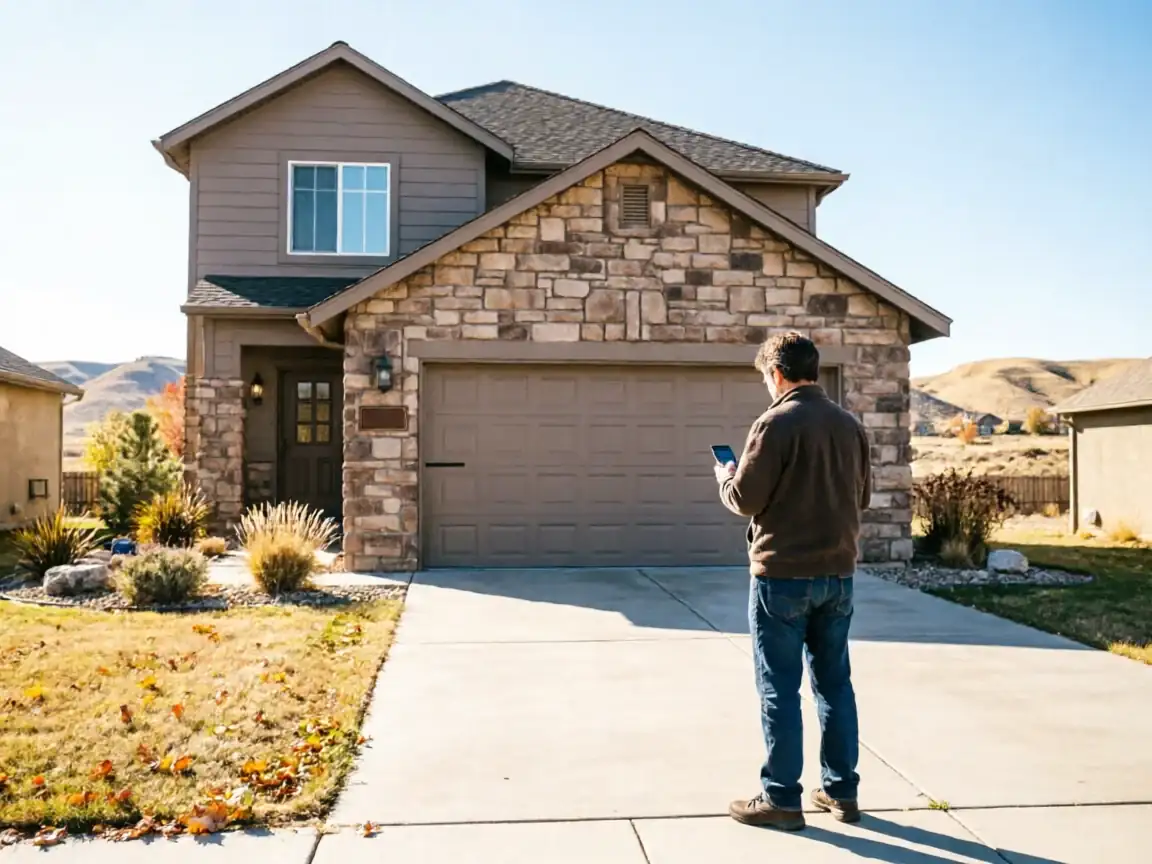
Moses Lake North sits five miles from our shop in Moses Lake
Close enough that a tech can fold your call into the same run as other nearby jobs instead of making a special trip. That matters here because off-track doors are not a wait-and-see repair - a door that's jumped the track can drop without warning, and the cable or roller that let it slip is usually under spring tension.
You can look at it yourself
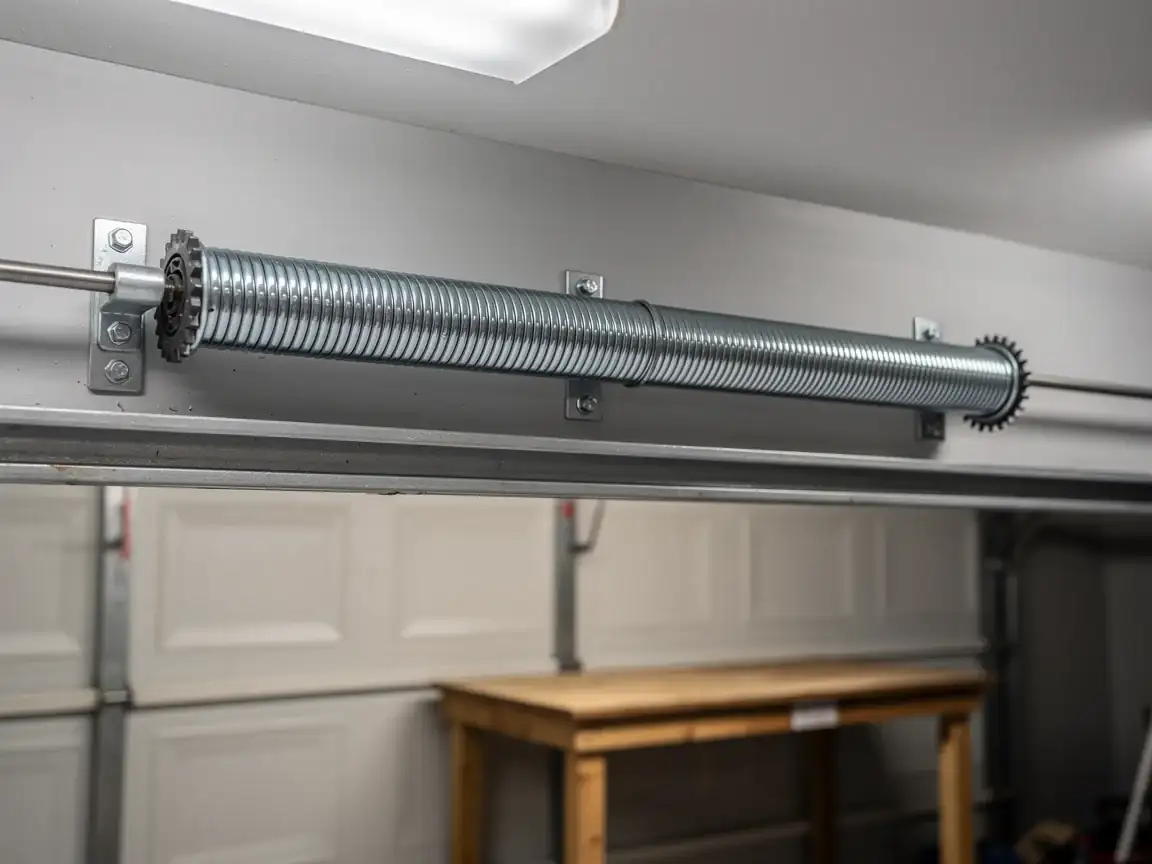
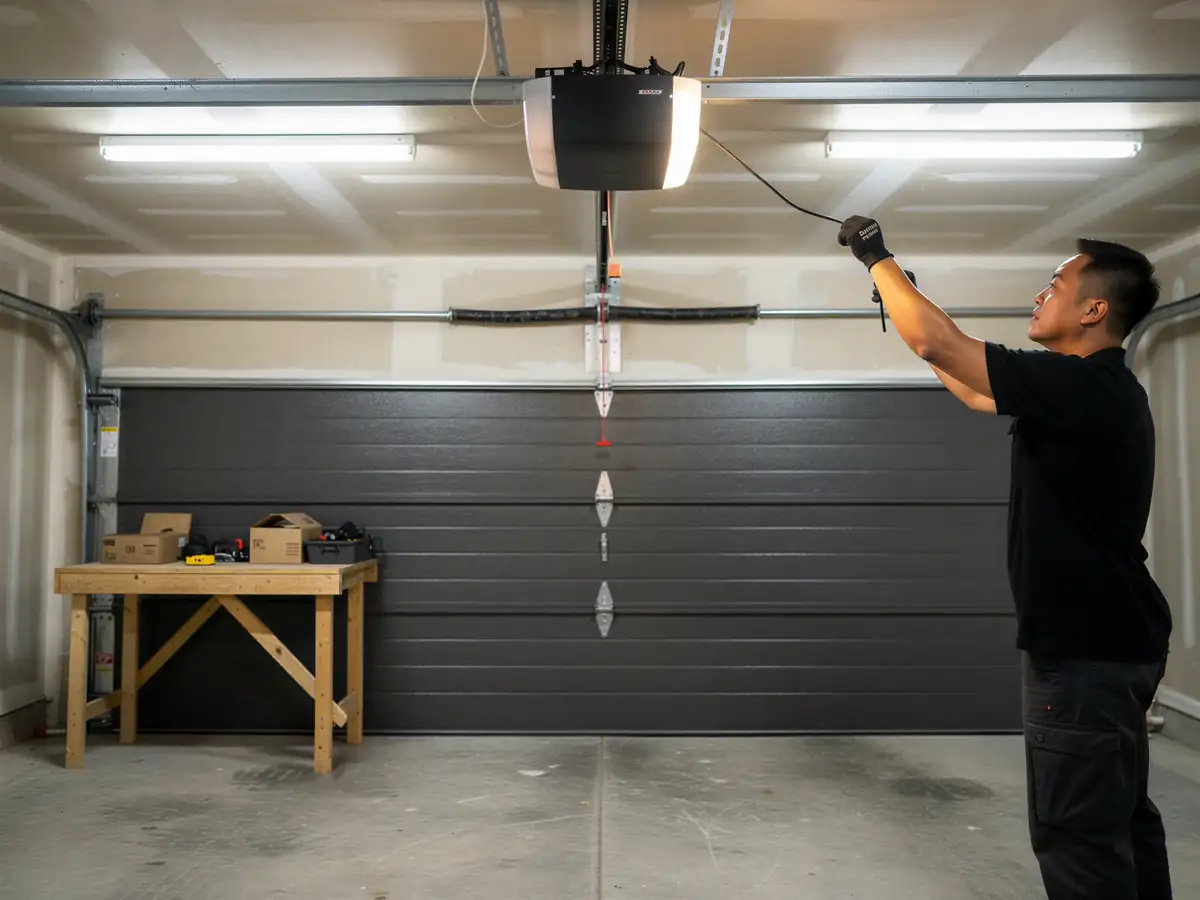
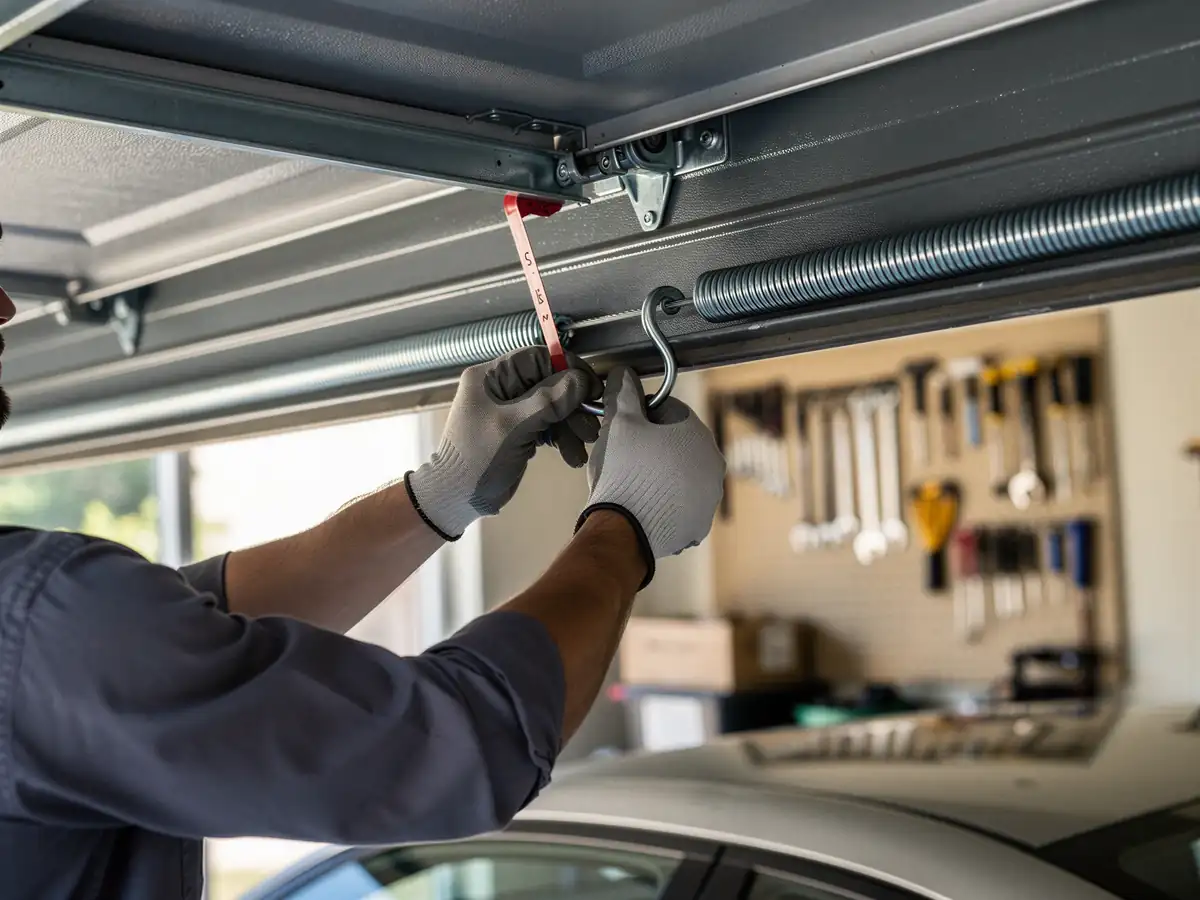
If the door is only slightly out on one side and still closes with the opener disconnected, pulling the hardware back by hand and retightening the track bolts is sometimes within reach. If a cable has come off the drum, if the door is racked and won't sit flush, or if you hear the spring under strain, stop. That's a two-person job with the right clamps, and doing it wrong on a torsion system can put someone in the hospital.
The honest limit: we don't walk people through spring work over the phone
If your door is off track because a cable or spring let go, that's a repair call, not a how-to.
What You Pay
We don't post a flat number for off-track work because the cause changes the job. A track that's bent from the door getting bumped is a different repair than a track pulled loose because the lag screws finally gave out after sixty years in the jamb. Moses Lake North runs a median household income of $59,825, a bit above the $56,084 median across the wider service area, which doesn't change what the part costs but does come up when we're deciding whether to straighten old track or just replace the run.
What we can tell you: a simple re-seat of rollers that slipped the track costs less than replacing bent track and hardware. If the opener forced the door against a jammed track, there's often a gear or belt to check too, and that adds to the visit. We'll look at what's actually bent, cracked, or stripped before quoting anything.
What Causes It Around Here
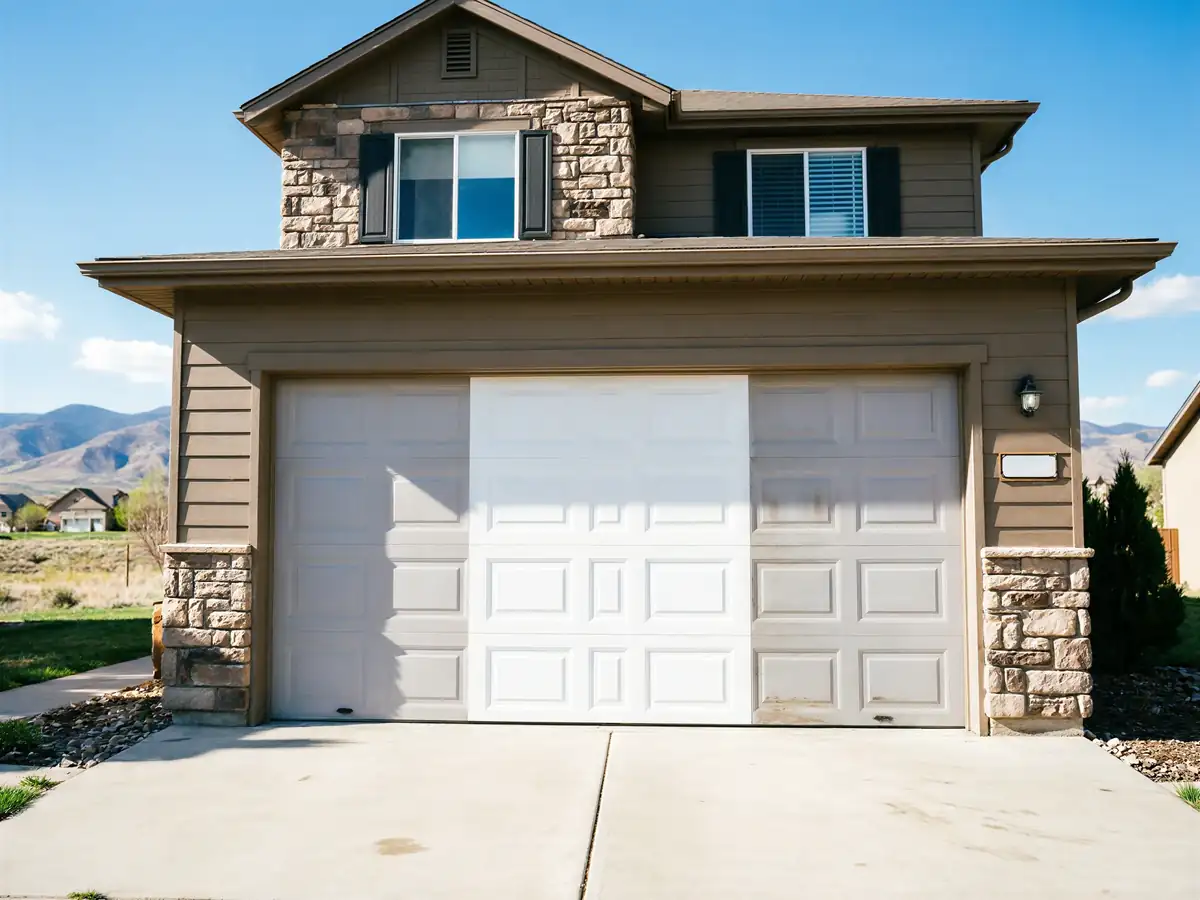
Houses in Moses Lake North went up mostly around 1958, close to a decade ahead of the 1969 median for the rest of the service area. That earlier build date means more doors here are still running on original steel track and the roller hangers that came with it - hardware that's had longer to work itself loose than what you'd find in the newer pockets nearby.
The area sits in a severe cold climate band, and that matters for track specifically. Freeze-thaw cycling works on the lag screws anchoring the track to the jamb: wood expands and contracts through the season, the screw holes widen a hair at a time, and eventually the track has enough play to walk sideways when the door cycles. Add a slightly out-of-square opening, which is common in houses this age, and one side of the track takes more load than it should.
We also see it from a hard stop - door hits something, a roller pops the track edge, and the door binds on the next cycle. That one isn't age-related, just a bump nobody noticed until the door wouldn't close.
What You Are Seeing
The door stops partway and won't go up or down
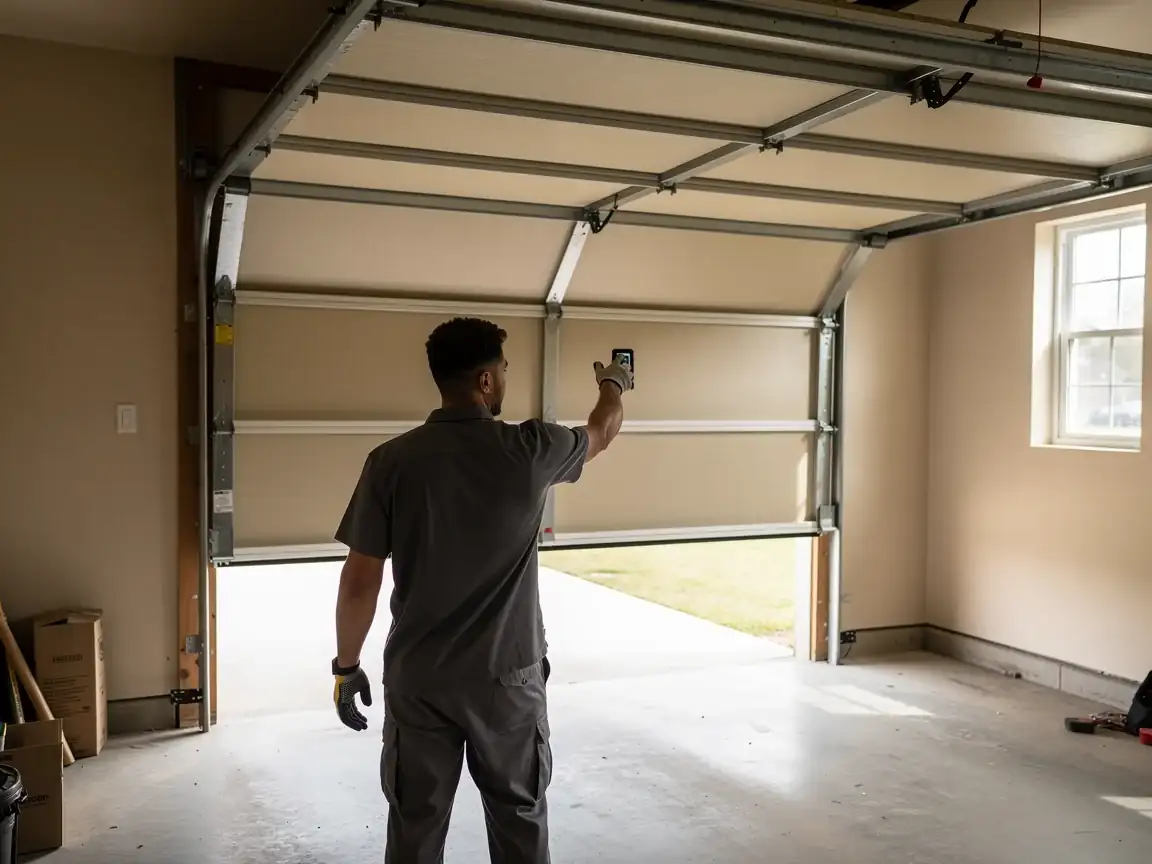
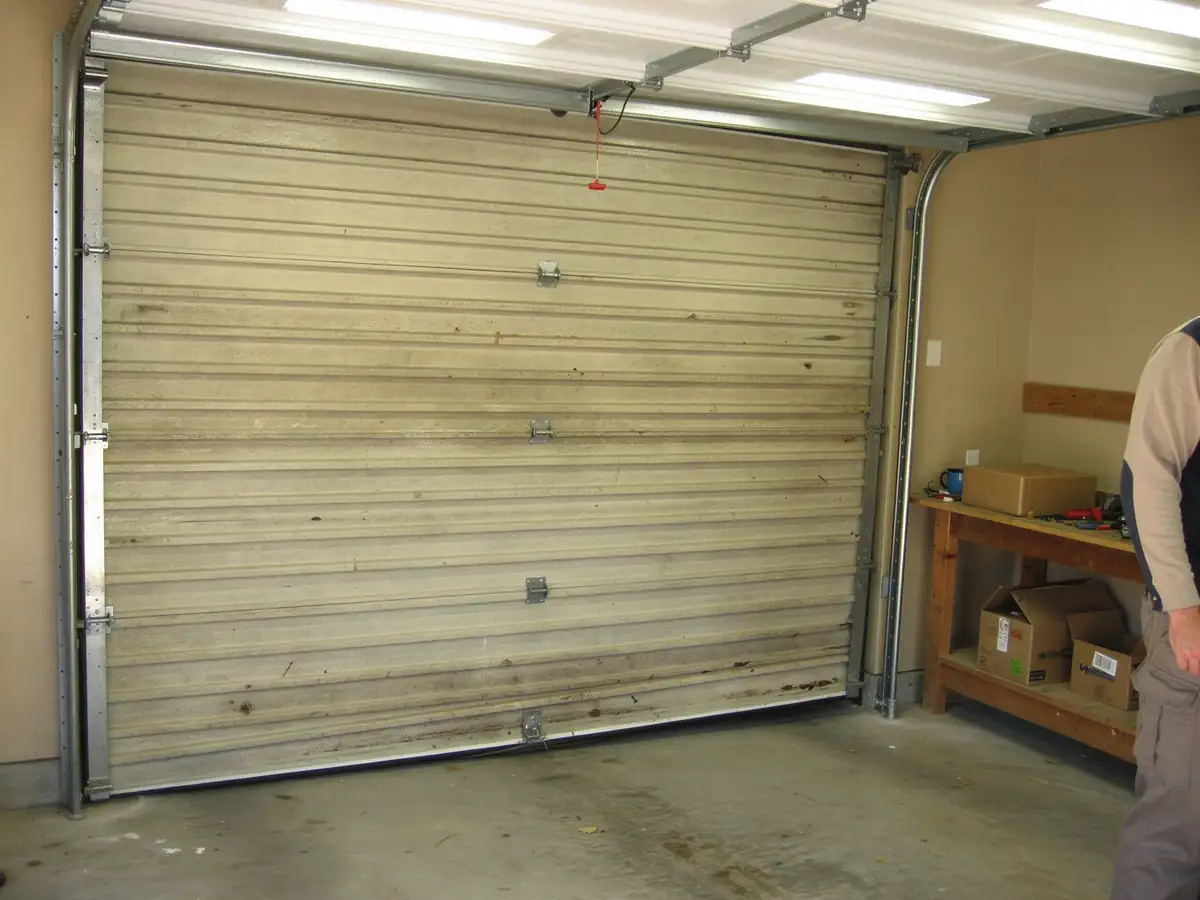
One side looks lower than the other when it's open, or you can see a gap between the roller and the track if you look closely. The door scrapes or grinds instead of rolling smooth, especially near the top where the curve starts. Sometimes it's quieter than that - the opener runs, the chain moves, but the door doesn't budge because it's bound up on a track that's splayed outward at the bottom.
If a cable has come off the drum, you'll usually see the door hanging crooked, lower on one side
With slack cable visible near the bottom bracket. Don't try to force the door up by hand in that case - the spring may still be loaded even though the door isn't moving the way it should.
Booking a Visit
Tell us what you're seeing when you call - which side looks off, whether the opener still runs, whether you heard a bang before it happened. That helps us bring the right track sections and hardware instead of guessing. We travel out from Moses Lake, so a clear description up front saves a second trip if the fix needs a part we didn't have on the truck.
If the door is currently stuck halfway open or closed, leave it. Don't run the opener trying to force it through - that's usually what turns a track repair into a track-and-panel repair.
What the Fix Involves
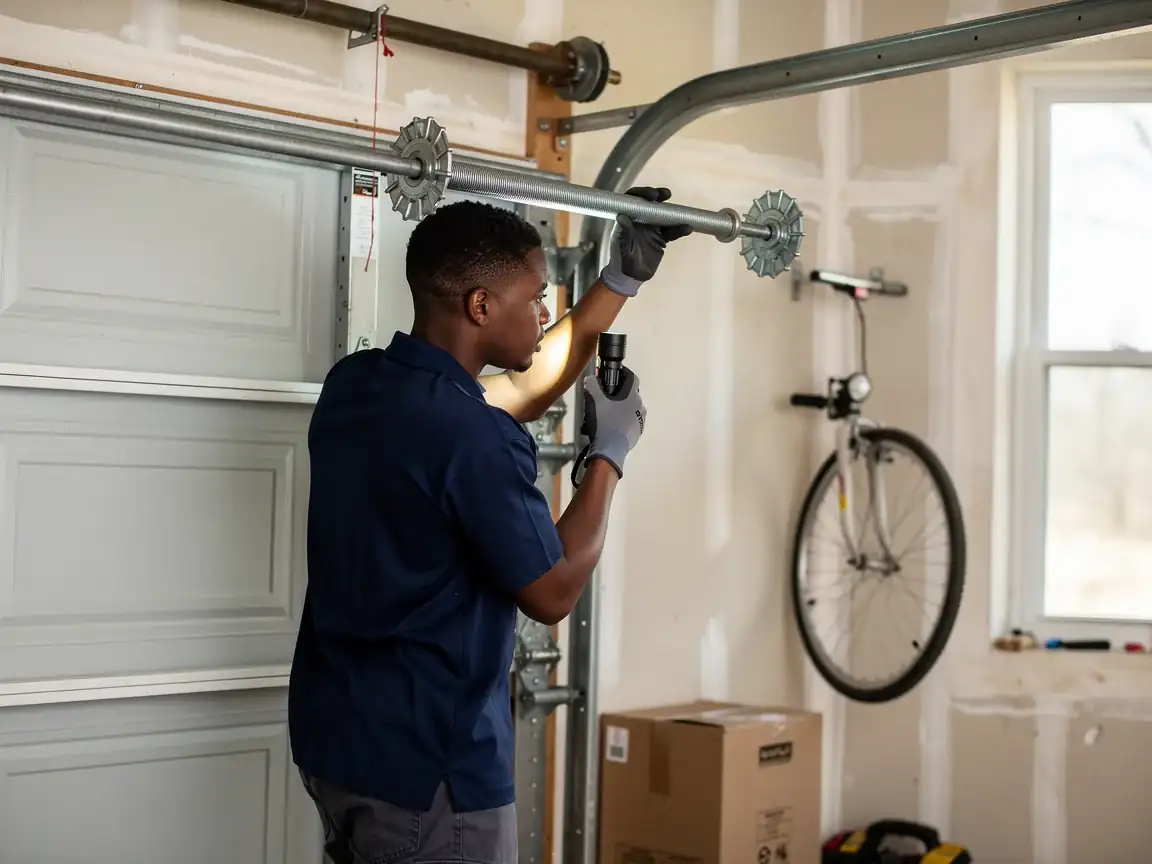
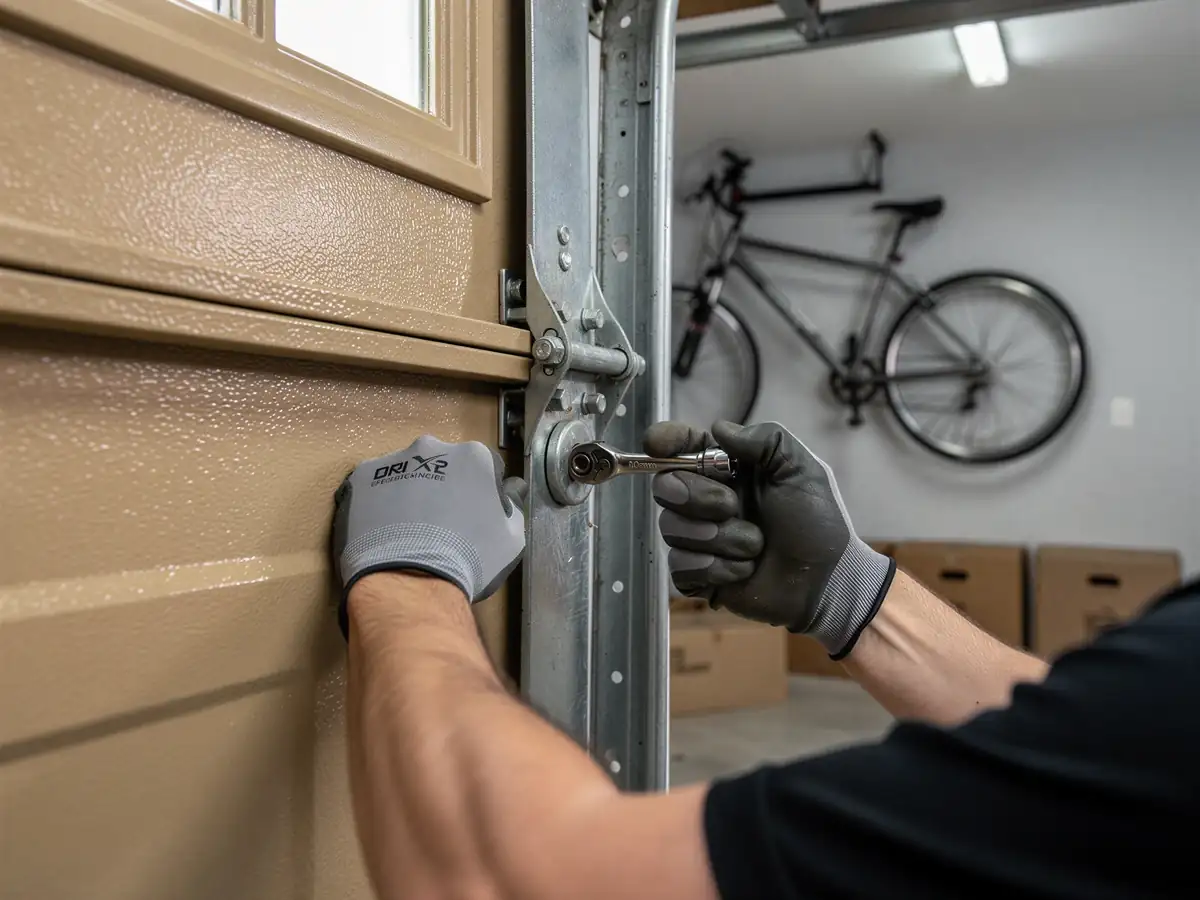
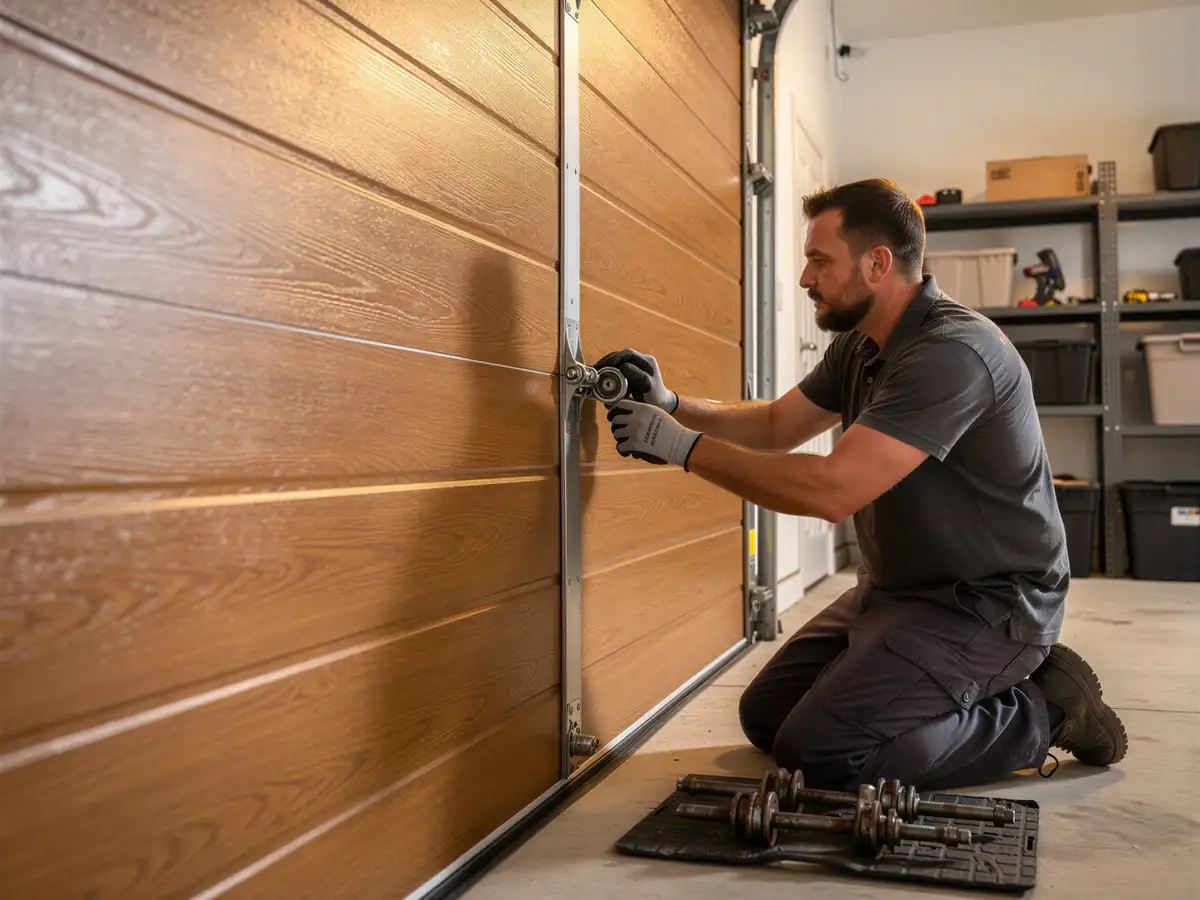
Most off-track jobs start with releasing tension safely, then checking whether the track itself is bent or just loose. If it's loose - lag screws backed out of the jamb - we re-anchor it, sometimes moving to a slightly different hole if the old one's stripped out from decades of flexing. If the track is bent, it gets replaced in sections rather than hammered straight; a straightened track rarely holds alignment for long.
Rollers get checked at the same time. On doors this age we often find at least one nylon roller worn down to the stem or a steel roller that's rusted and dragging, and replacing those now is cheaper than a second call later. Cable gets re-seated on the drum and checked for fraying - if it's starting to unravel, we'll flag it, but we won't replace a cable that's still sound just because we're already there.