What Can Go Wrong
Most houses in Warden went up around 1975
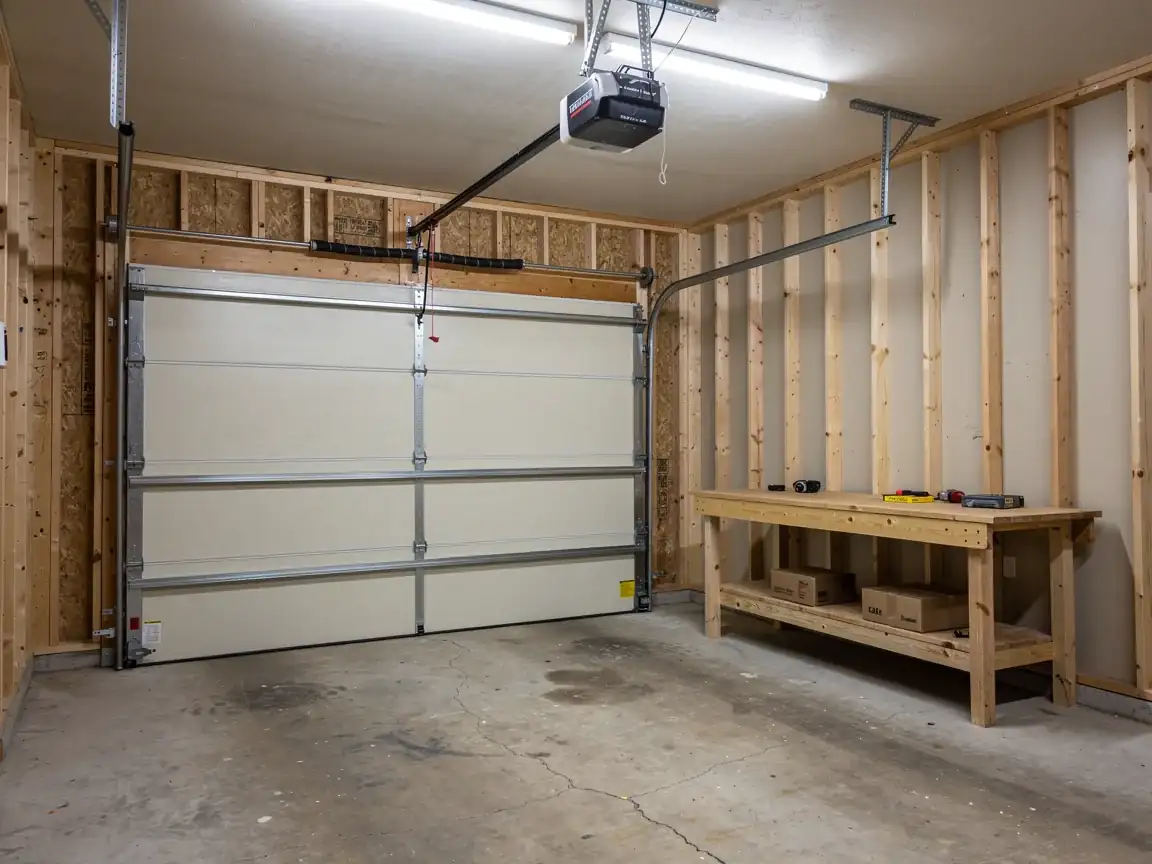
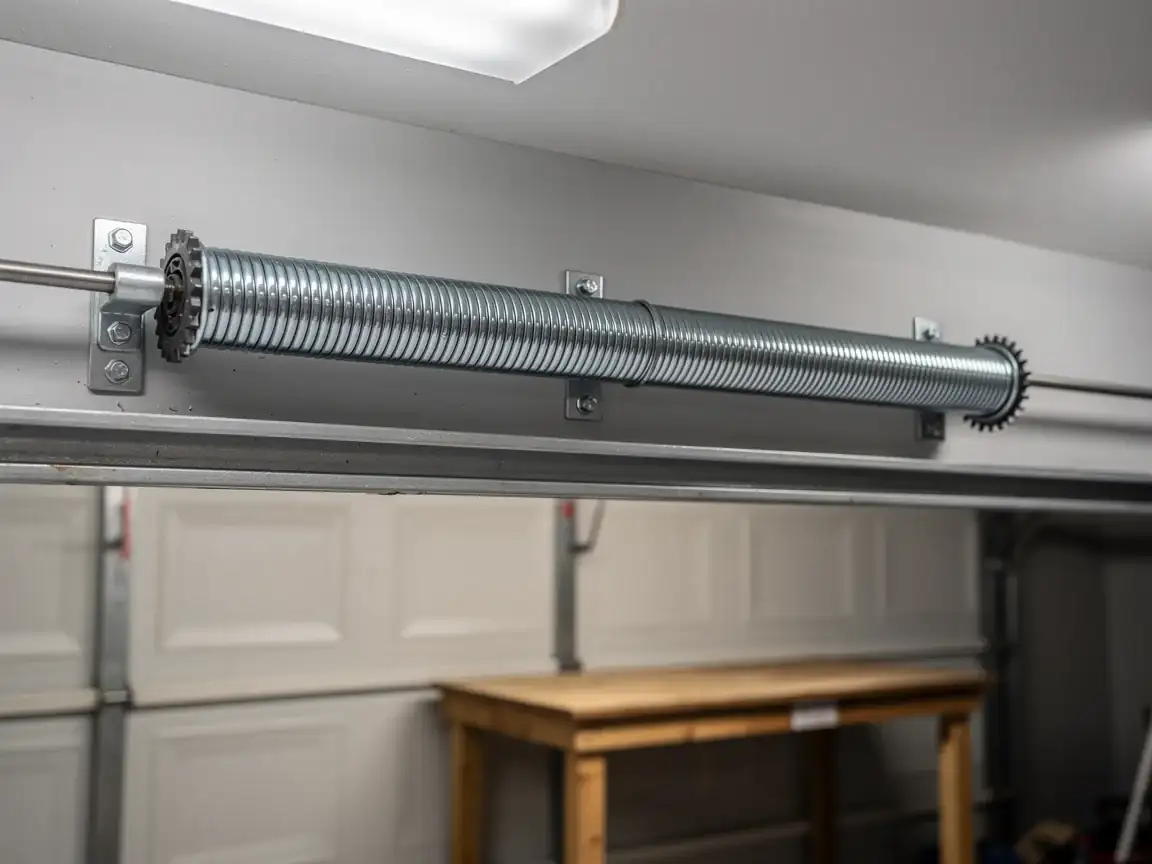
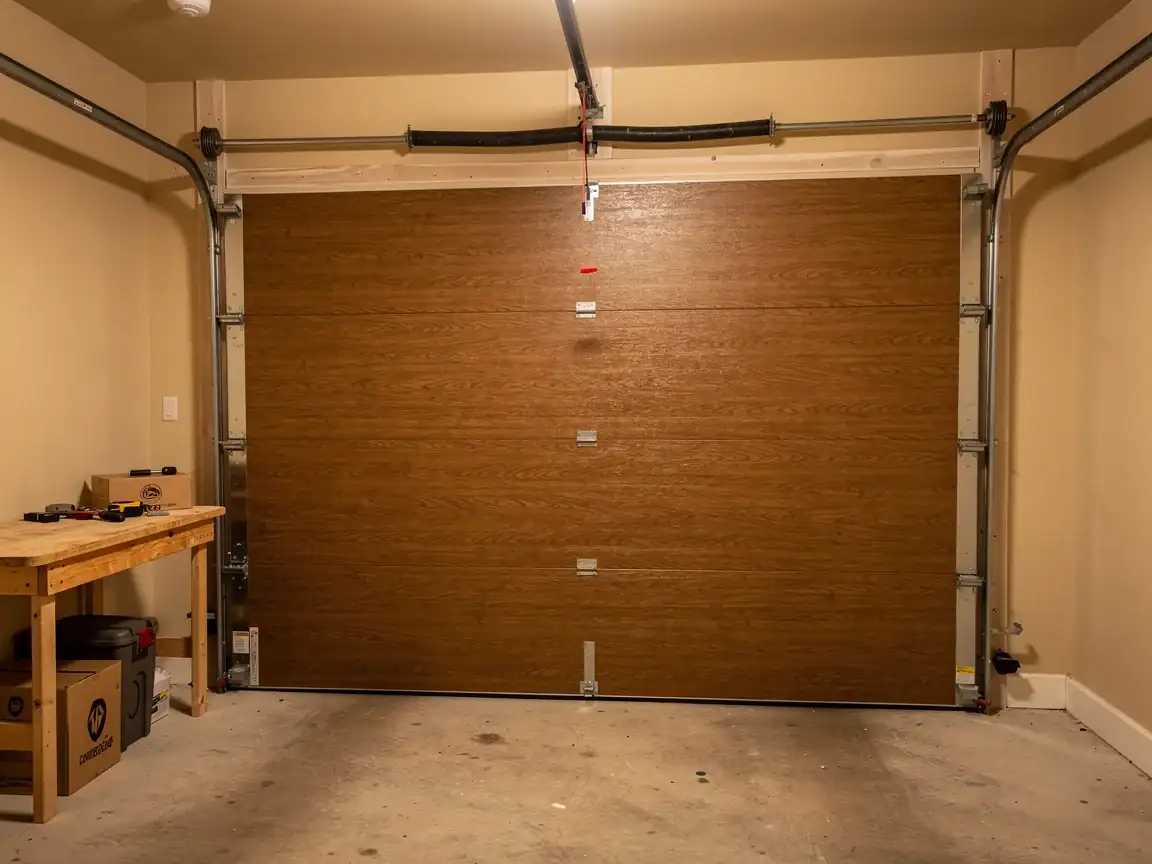
Which puts the bulk of this town's garage doors on original or first-replacement torsion springs sized for the lighter steel doors that were standard in the mid-1970s. Those springs weren't built to carry today's heavier insulated panels, and a lot of owners don't realize their door has been running on borrowed wind count for years.
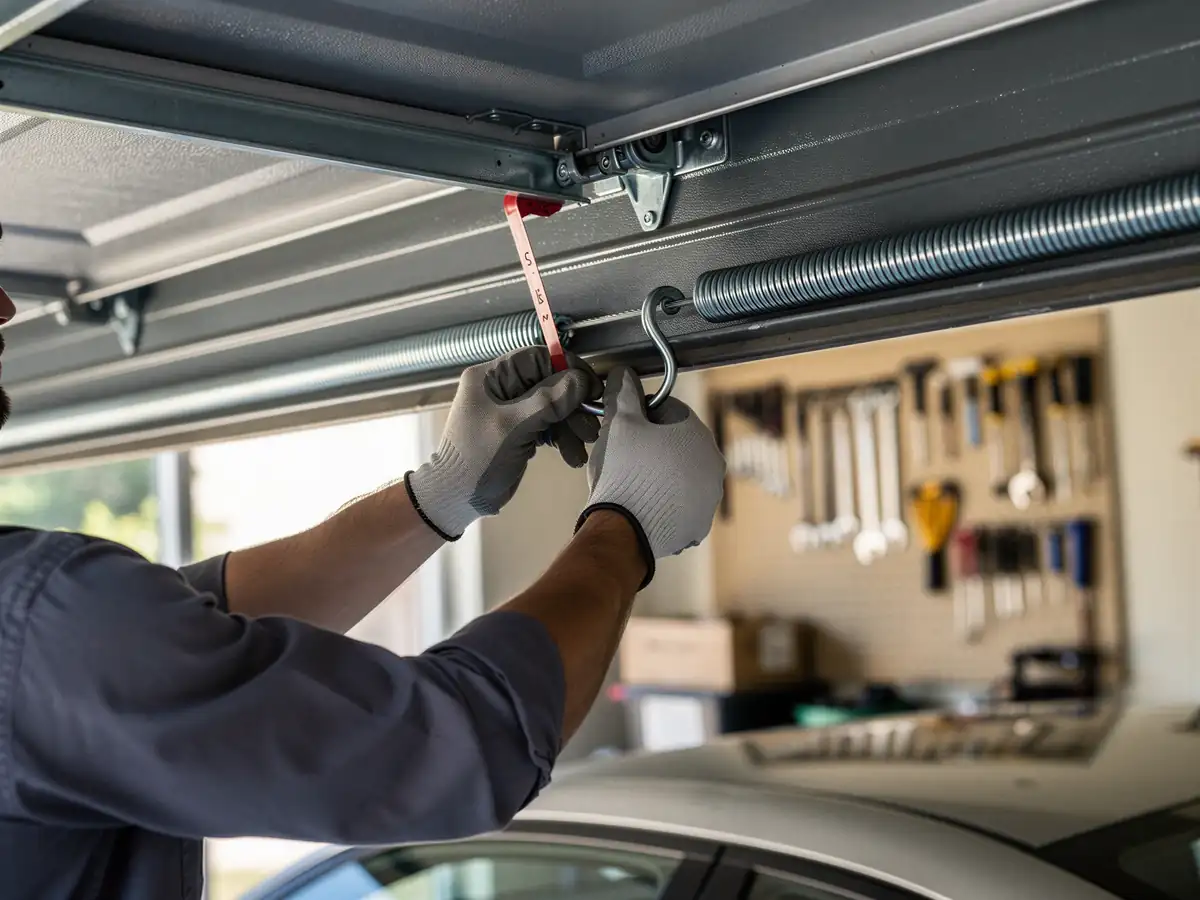
The common failure here is a torsion spring that snaps clean through
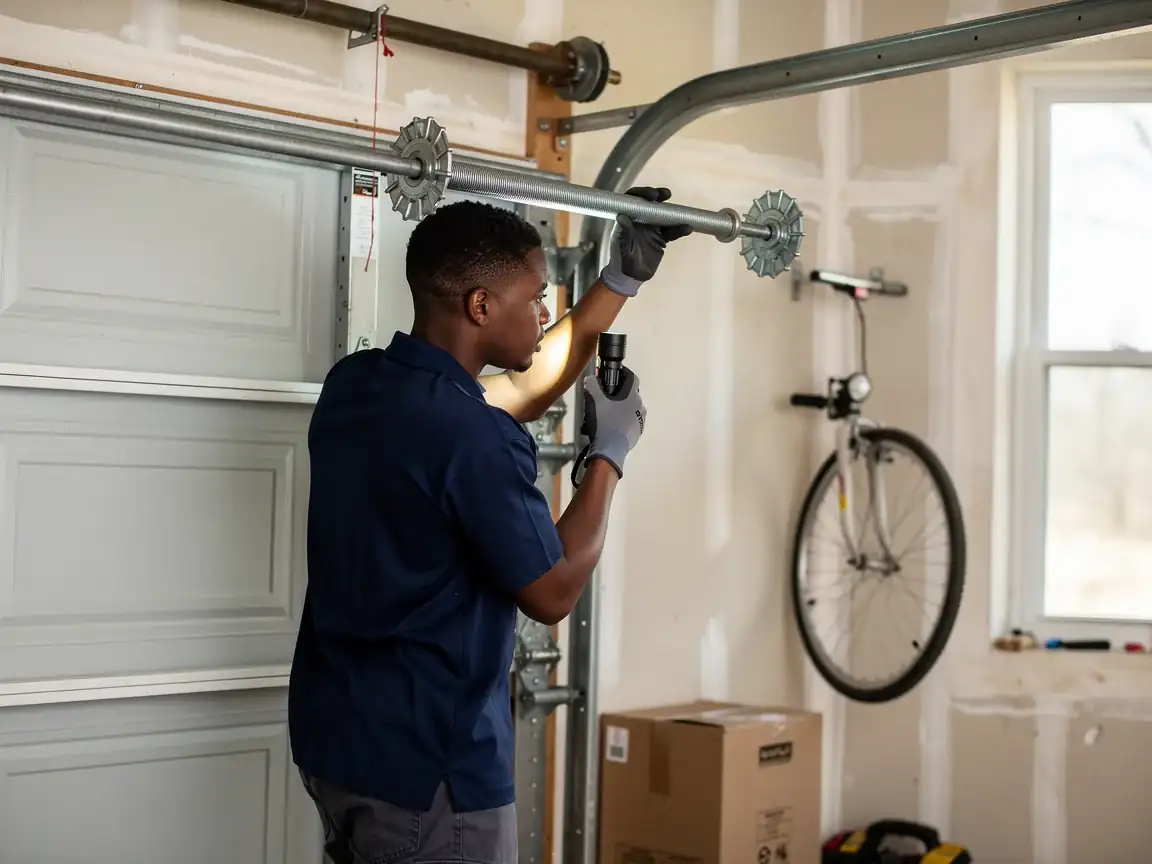
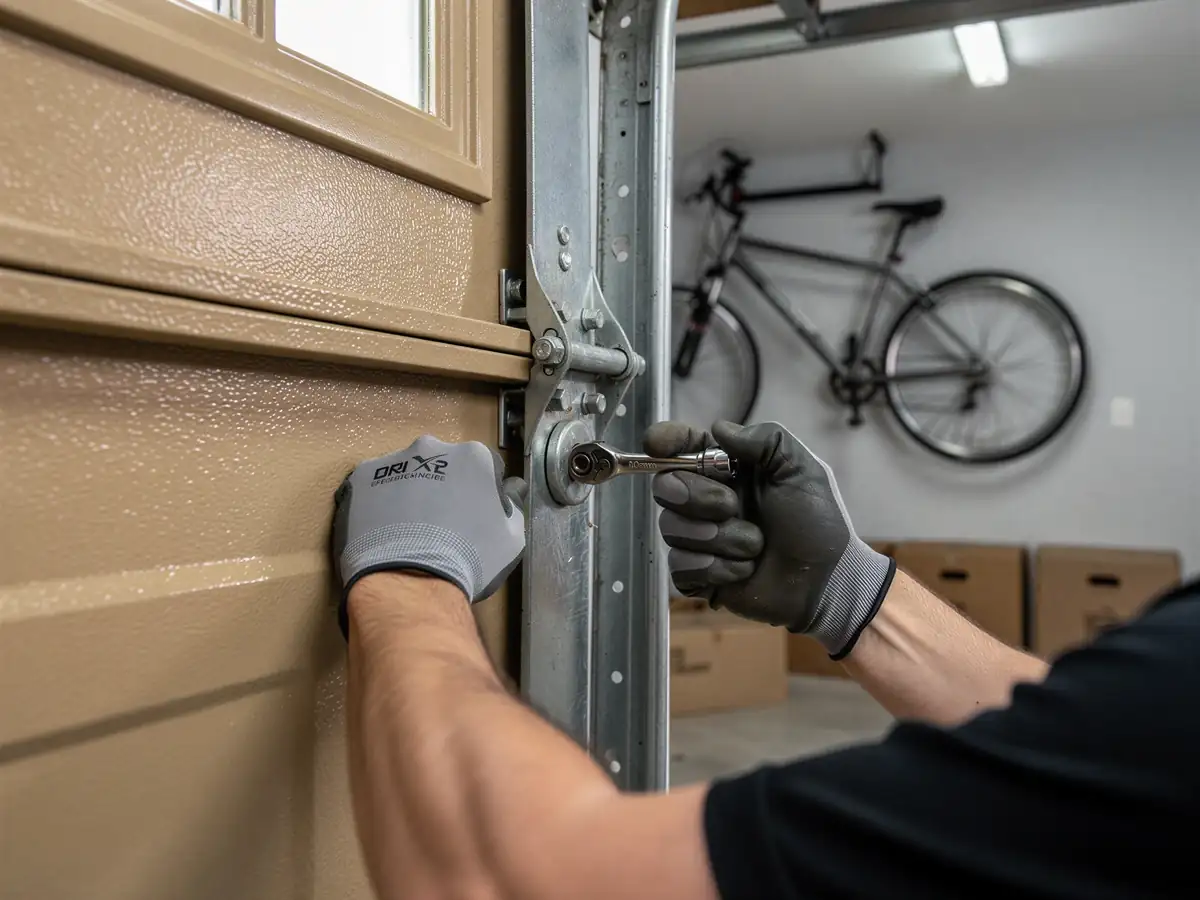
Usually on a cold morning when the steel is stiffest and least forgiving. You'll hear it - a bang loud enough that people check the street. The door won't lift, or it lifts six inches and stops. Less dramatic but just as common: a spring that's stretched and gone soft, so the opener strains on every cycle and eventually burns out trying to do a job the spring used to do. On doors from this era we also see the original stationary cone or end bearing plate worn out, which matters because hardware from 1975 doesn't always bolt up to what's stocked today.
We don't patch a spring that's cracked or corroded partway through
Once the coil has lost integrity, half-fixing it just moves the failure to a worse moment, usually with the door open.
How Long It Takes
A straightforward torsion spring swap on a residential door is a same-visit job once we're on site with the right spring size - most of the time is spent matching wire gauge and wind to a door built to 1970s dimensions, not the repair itself. Two springs on a double door takes longer than one on a single, since we replace both sides even if only one broke, to keep the door balanced.
Where Warden adds time isn't the repair, it's the drive. We're coming from Moses Lake, 15 miles out, so we build that into scheduling rather than promising a window we can't back up with a truck already in town. If a part isn't on the truck - an older bearing plate or a non-standard drum from a door that's never been touched since it was built - that's a second trip, and we'll tell you that up front rather than guess.
Winters here get cold enough that steel springs lose some flex, which is part of why breaks cluster in the colder months. That doesn't change the repair time once we're there, but it does mean the job tends to land on a day you least want to be standing in a cold garage waiting.
Booking a Visit
Call and tell us the door is stuck, won't lift, or made a loud bang - that's enough for us to bring the right spring stock for a 1970s-built door rather than showing up and having to turn around. If you know whether it's a single or double door, that helps us load two springs instead of one.
We travel to Warden from Moses Lake for this, same as for the rest of the area, so we ask for a little lead time rather than claiming a same-hour arrival we can't guarantee from 15 miles away. Median household income here runs lower than some of the bigger towns we cover, and we know a spring job isn't a want, it's a need - we'll quote the repair plainly before any work starts, not after.
If you're not sure whether what you're hearing is a spring or something else - a bent track, a bad roller - say what you're seeing and hearing on the call. It saves a diagnostic trip.
What Causes It Around Here
The straightforward answer is age and climate working together
With most Warden doors tracing back to a build era centered on 1975, a large share of this town's torsion springs are now coming up on fifty years of winding and unwinding, and steel fatigues whether or not anyone ever notices. The service area this town sits in overall skews a bit older, with housing stock running 1958 through 1987 and a median closer to 1969, so Warden is on the newer side of that range but still well past the point where a spring is reliably good.
Cold is the other half of it
This area sits in a severe cold climate band, and steel springs get brittle in hard cold, which is when a spring that's been weakening for years finally lets go rather than just sagging quietly. We see the same pattern across the towns we cover - Cascade Valley, Moses Lake North, Ephrata - but Warden's own housing age and the 15-mile drive from our shop are what actually shape how we handle calls here.