What Can Go Wrong
Warden sits 15 miles out from our shop in Moses Lake
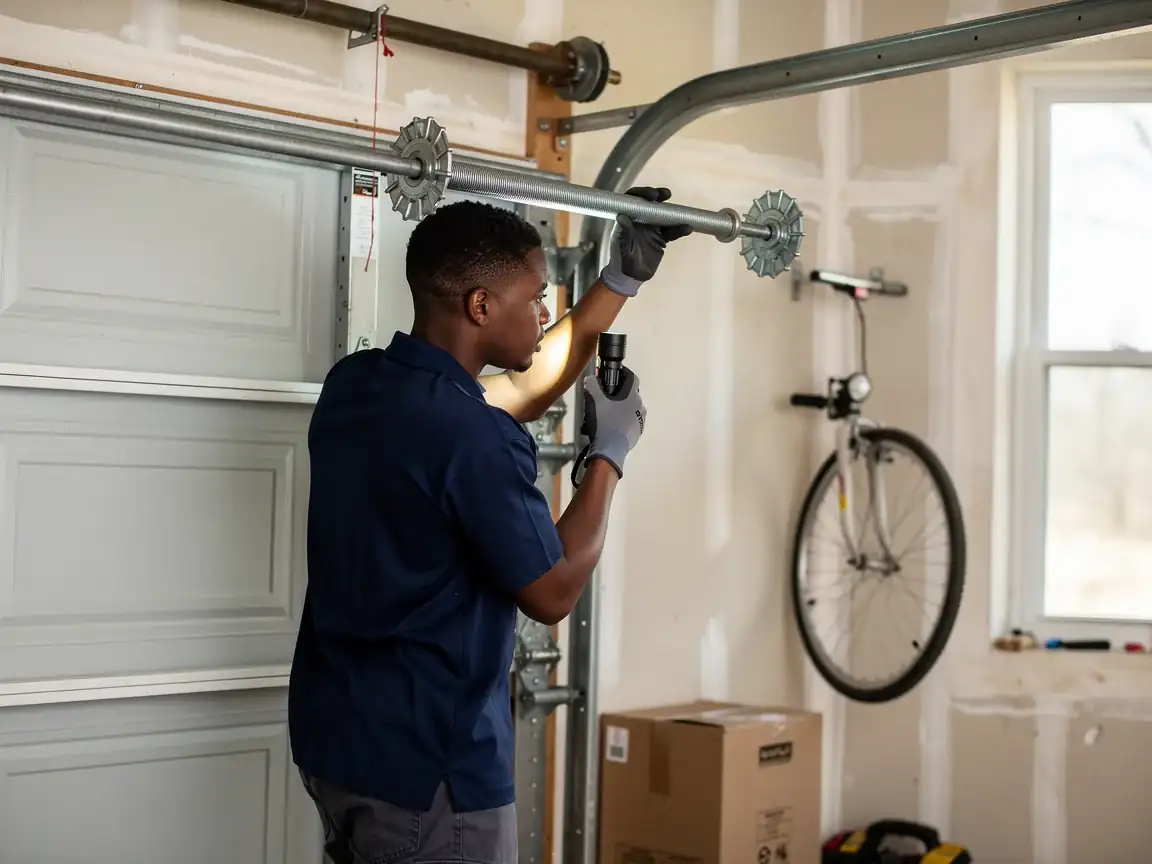
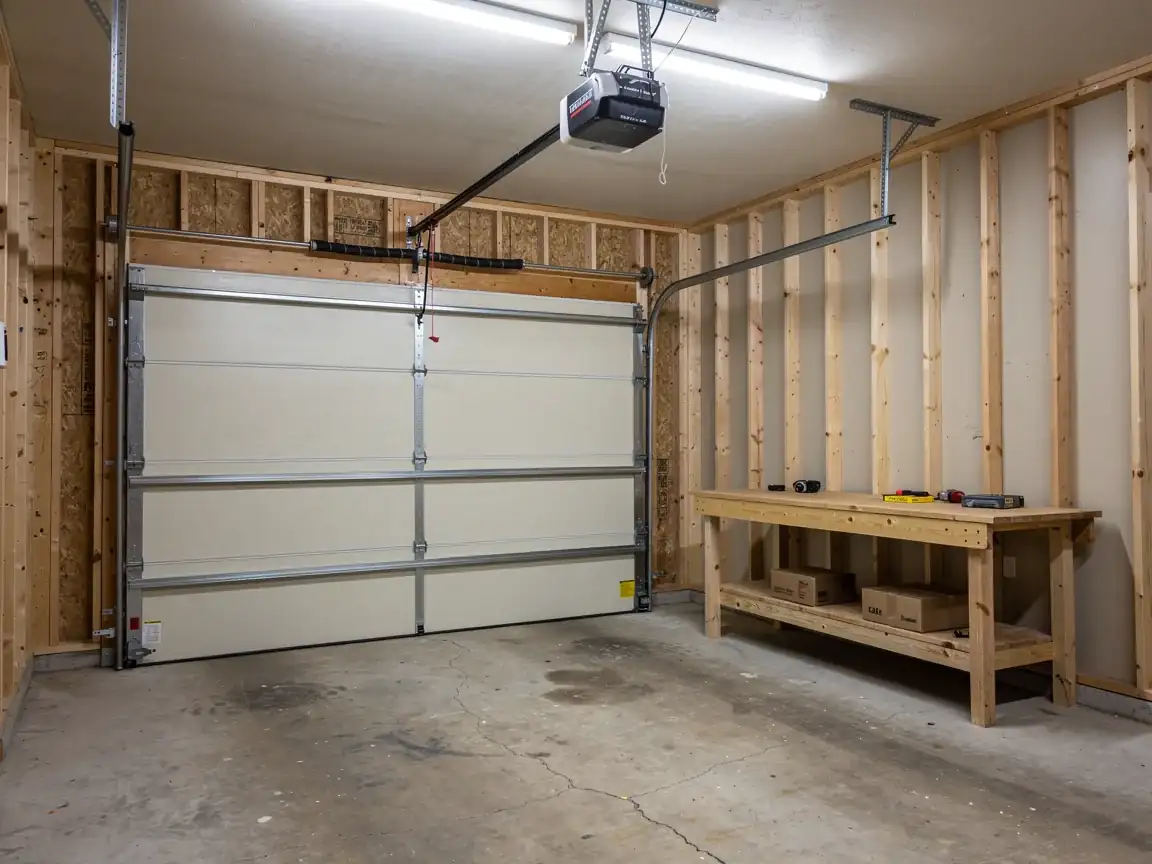
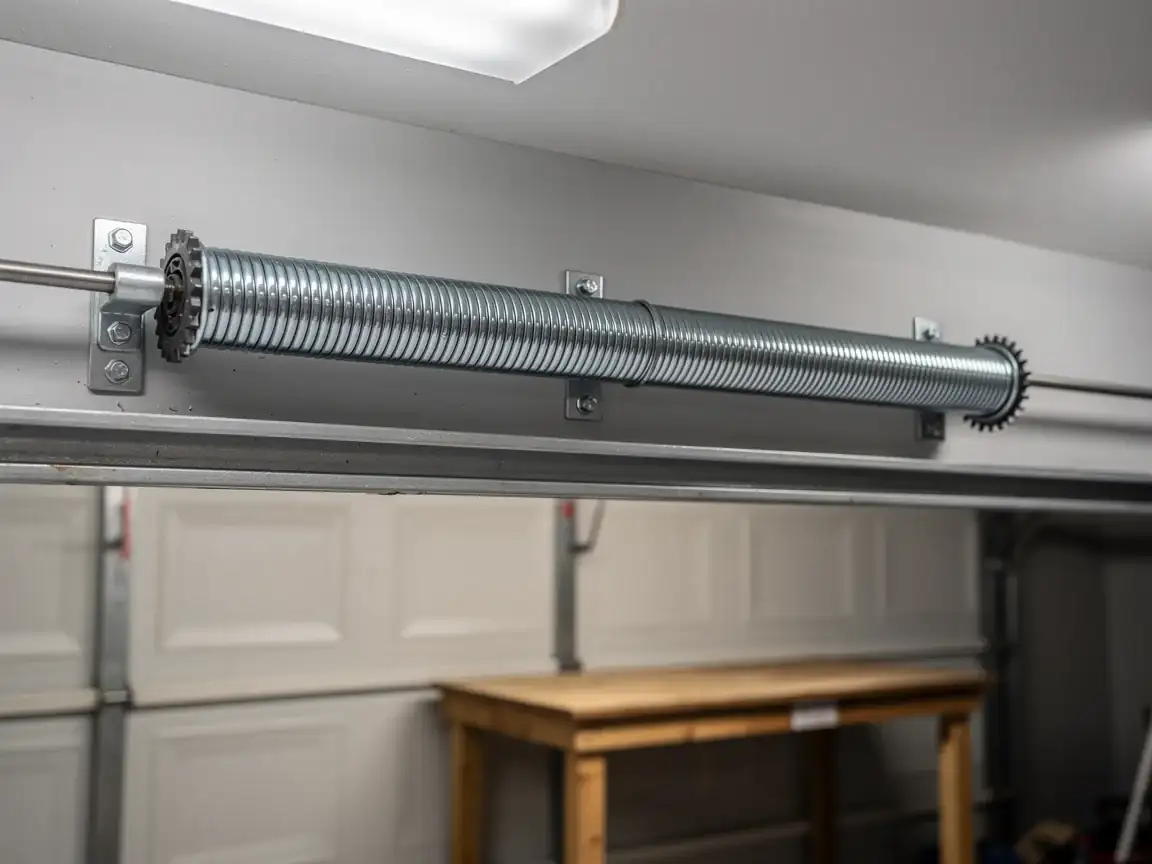
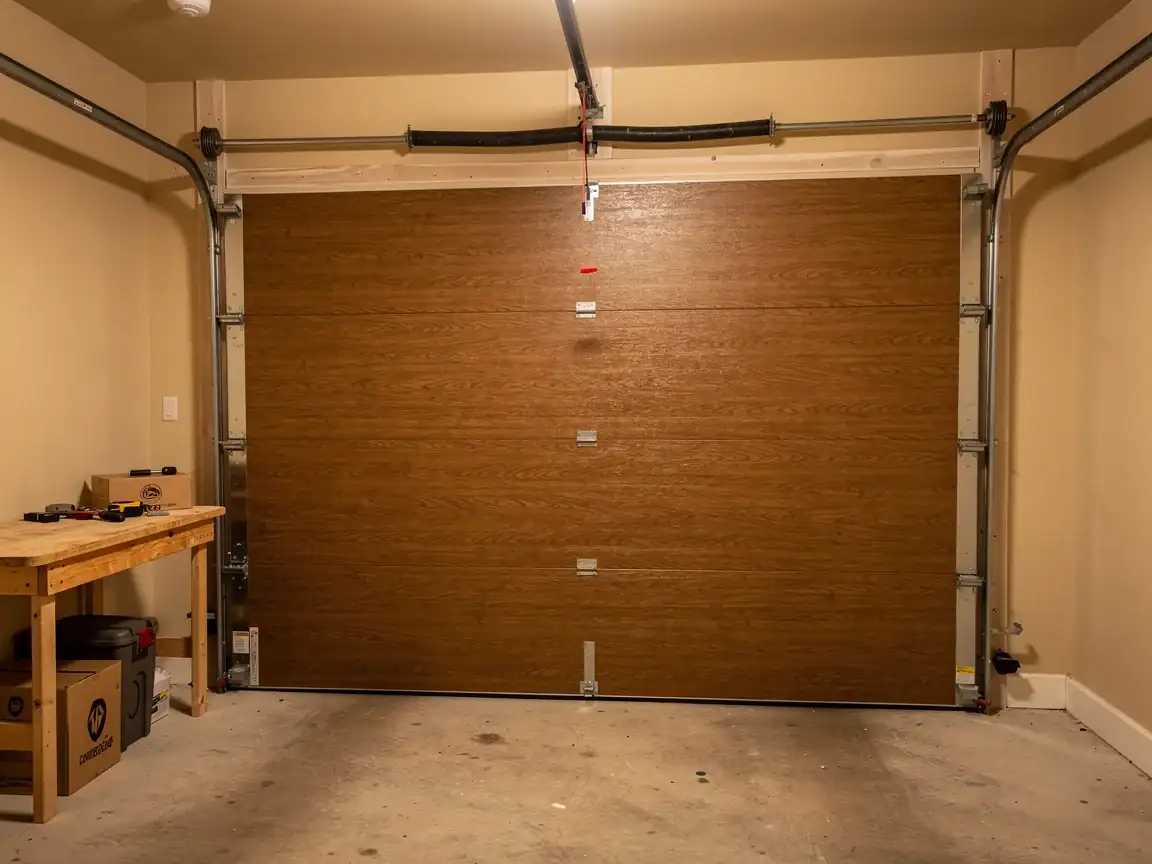
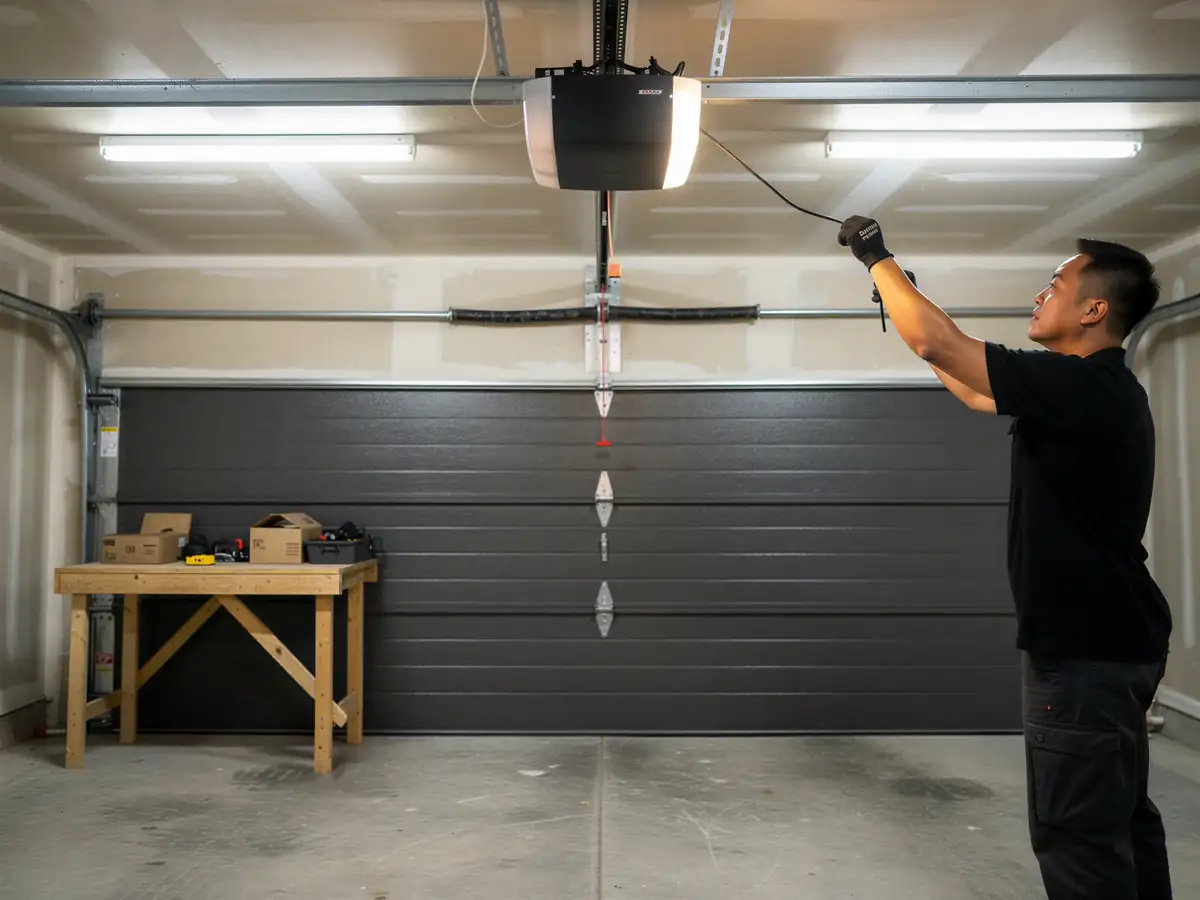
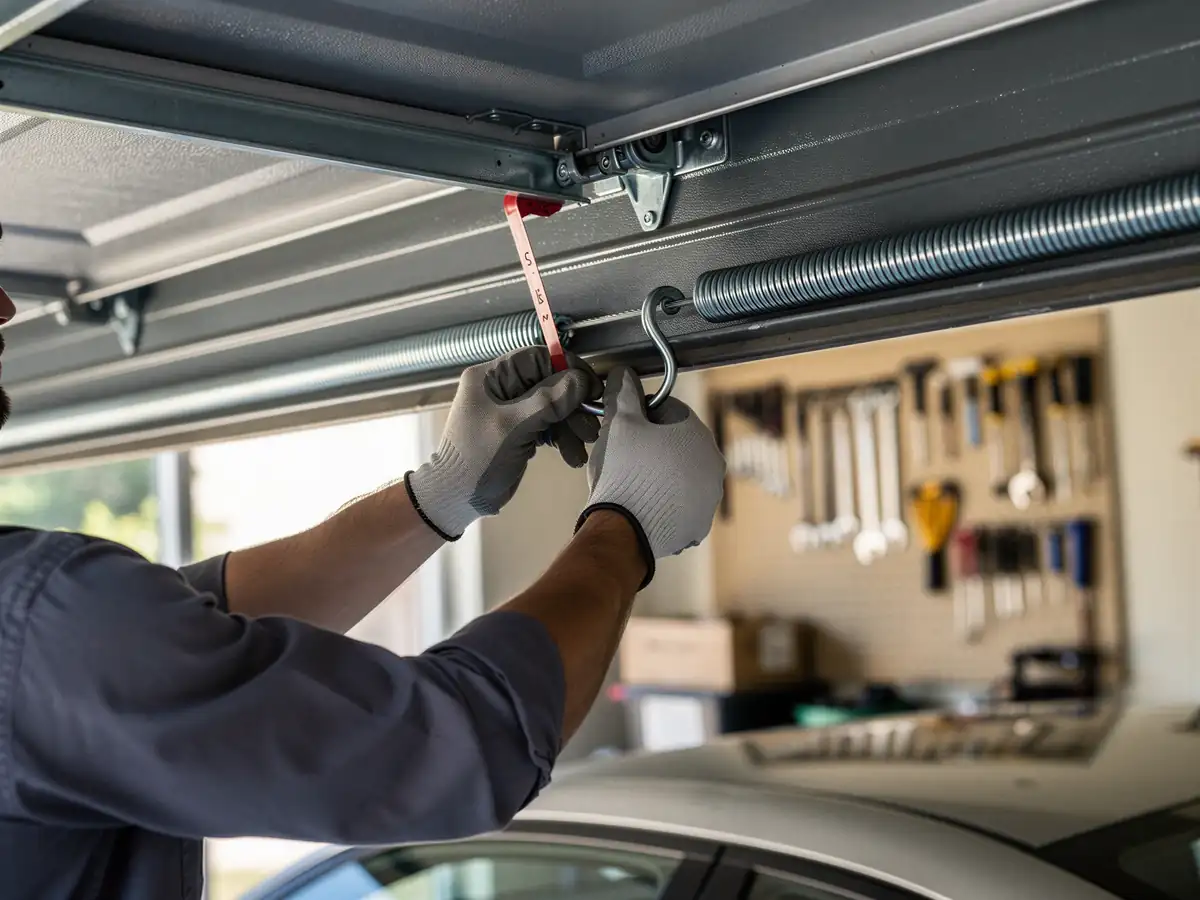
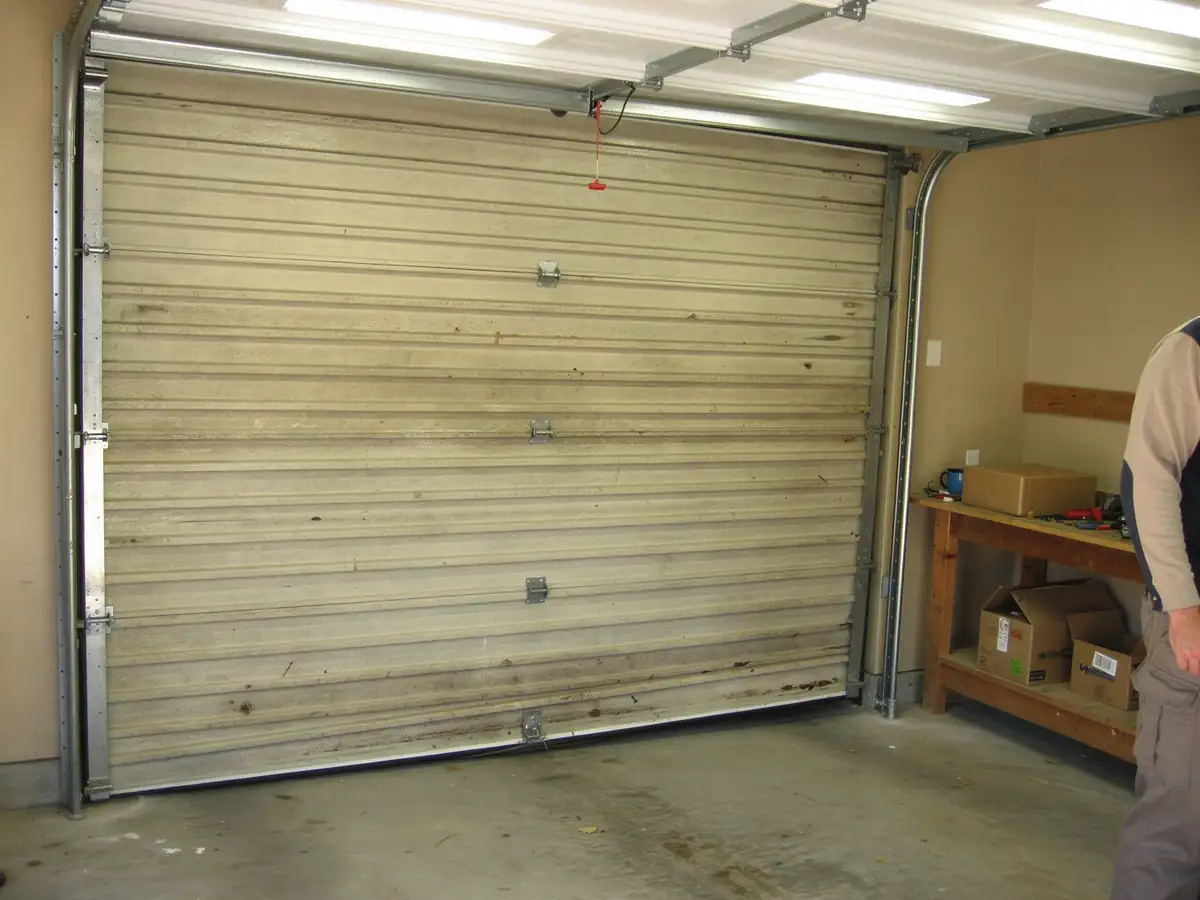
And that drive shapes how a call here actually gets scheduled - it's not a five-minute hop, so we plan the trip around what's likely to be wrong before the truck leaves. Most houses in Warden went up around 1975, which puts the bulk of the town's garage doors and openers well past the point where original hardware is still doing its job without complaint. On a door that age, the usual culprits are a torsion spring that's lost its temper, rollers worn down to the steel core, and opener logic boards that are starting to miss signals from the wall button or remote.
- 15 miles
Cold snaps make all of this worse
Steel springs lose flex in hard cold, and a spring that's already near the end of its cycle count can snap on the coldest morning of the year instead of a mild one. Cables fray at the same rate, usually unnoticed until a door comes down unevenly or won't lift at all. We don't guess at what's failing from the road - if you can tell us whether the door is slow, loud, uneven, or dead at the opener, that narrows down what's riding on the truck before we're fifteen miles into the drive.
How Long It Takes
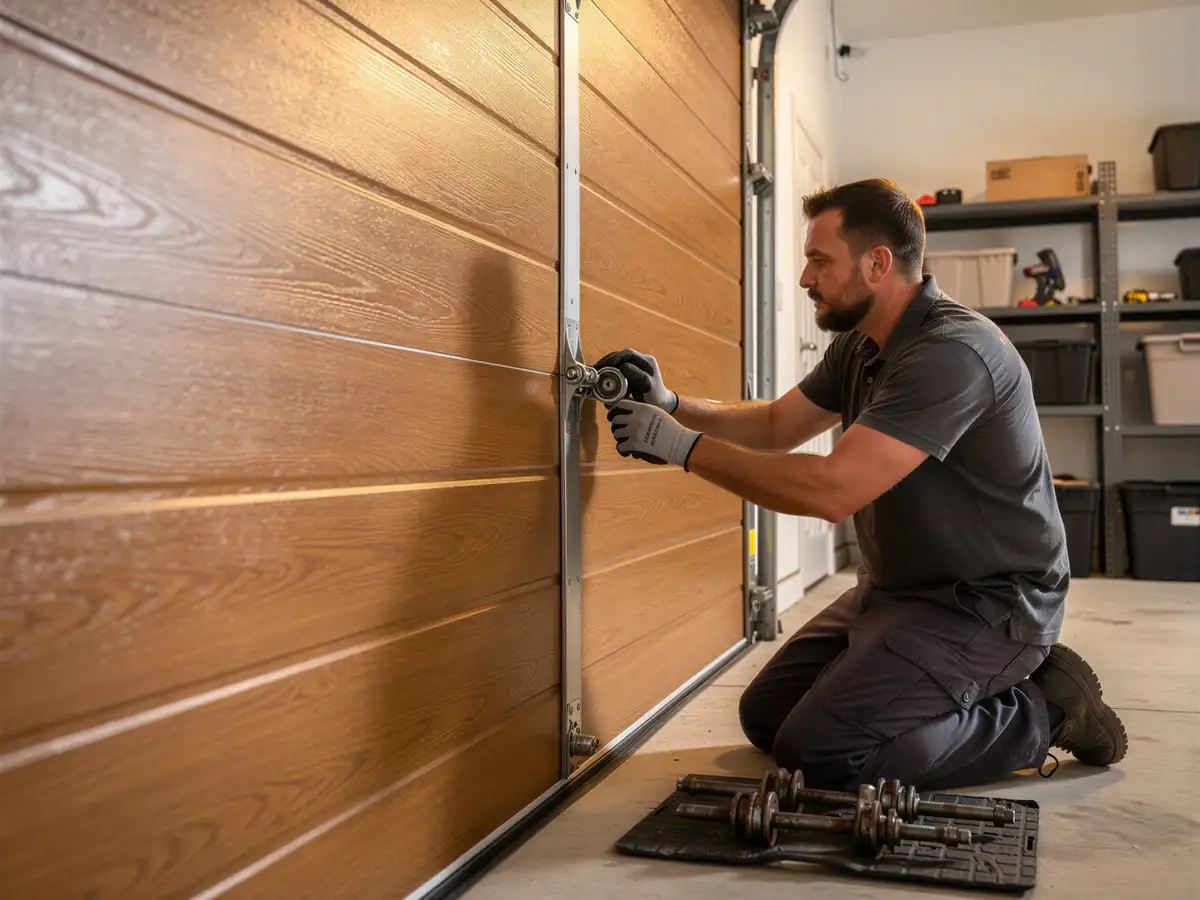
Because the shop is in Moses Lake, a Warden call isn't a same-day guarantee the way a job inside the city limits might be - we're honest about that upfront rather than promising a window we can't hold to. Most spring and cable repairs on a 1970s-era door run under two hours once the truck is on site, assuming the part needed is one we carry for that generation of hardware. Opener board swaps and track realignments can run a bit longer, especially on a door that's been limping along for a while before anyone called.
The real variable for Warden isn't the repair itself, it's the parts match. A 1975-built house was likely fitted with hardware that's since been replaced once or twice over the decades, so we ask what we can about the door's age and any past repair work when you call, so the right spring and roller set are already on the truck instead of us making a second 15-mile trip. That one honest limitation is worth saying plainly: if a part turns out to be a size we don't stock, it may mean a return visit rather than a same-visit fix.
Booking a Visit
Booking a repair in Warden works the same way it does anywhere else we cover from Moses Lake - you call, describe what the door is doing, and we build the drive around what's likely needed. Because the trip out is 15 miles each way, we ask a few more questions up front than we might for a job closer to the shop: the door's approximate age, whether it's a single or double, and whether the opener is still original or already a replacement.
If you're not sure whether what you're dealing with is a repair or something bigger, that's a fair question to ask on the phone rather than guess at. For the full rundown of what we handle out of Moses Lake, including jobs outside Warden, see /garage-door-repair-moses-lake-wa. For Warden specifically, /warden-garage-door-repair/ is the page to bookmark or send to a neighbor dealing with the same door.
What Causes It Around Here
Warden's housing stock centers on 1975
Which puts a lot of the town's garage doors and torsion hardware past the point most manufacturers expect a spring to still be rated for daily cycling. Add a cold-band winter climate and you get springs that work fine in September and fail in January, simply because cold steel flexes less and carries more stress per cycle.
Warden's median household income, at $52,344, runs below the $56,084 figure for the wider service area
And that number matters more than people expect - it's part of why we talk through repair-versus-replace honestly rather than defaulting to a new door every time. With roughly 860 households in a town that's a small slice of the near 7,000 households across the full area we cover, a lot of Warden's doors are original to houses built in the same decade, which means when one fails, the one next door is often not far behind it on the same clock.